
Views: 0 Author: Site Editor Publish Time: 2025-11-25 Origin: Site


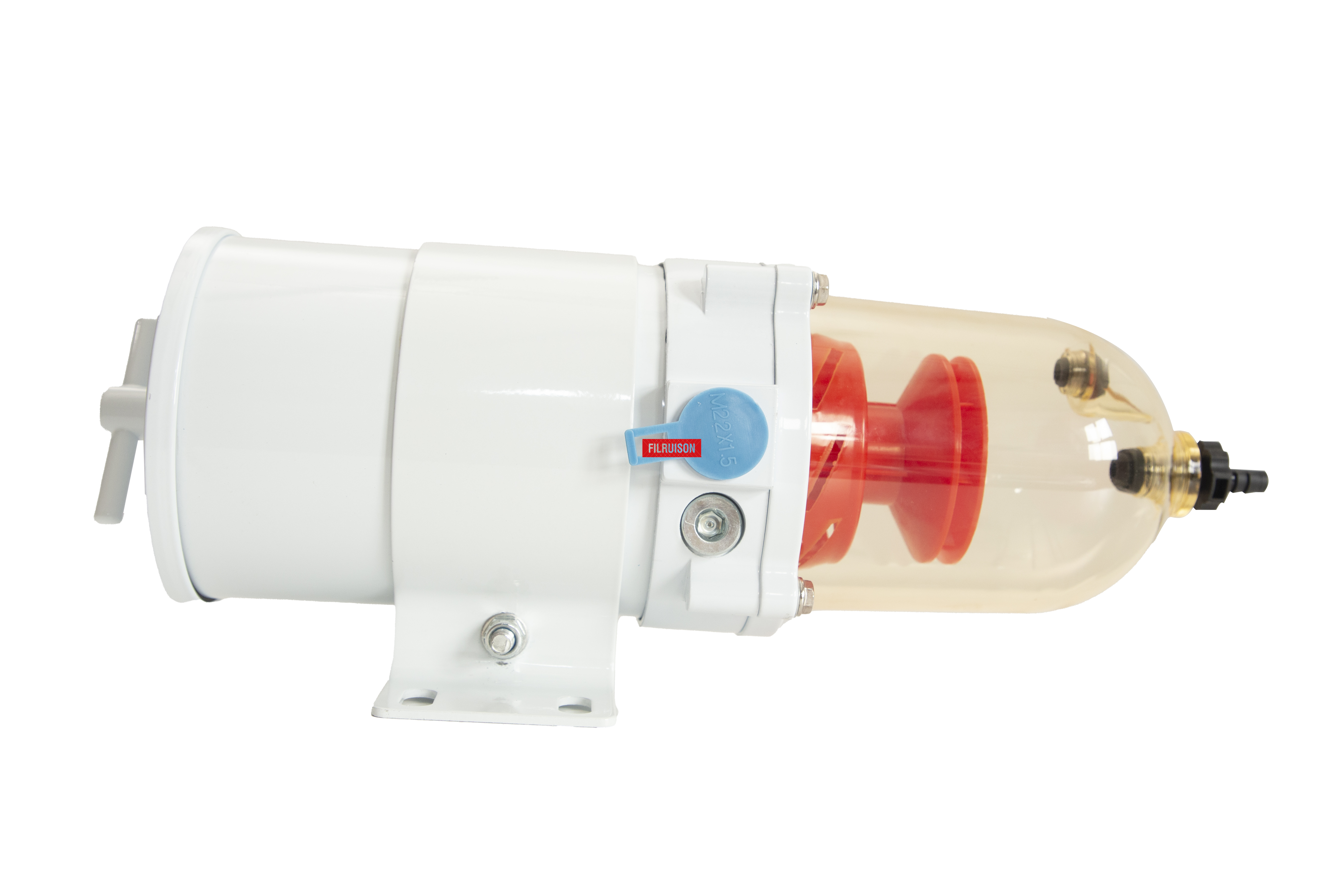
A diesel fuel filter is essential for the health of your engine. It prevents contaminants like dirt, water, and microbes from causing serious damage. Diesel engines rely on precise fuel delivery, and a clean filter ensures smooth operation. In this article, we will explore why the diesel fuel filter is so important. We’ll discuss symptoms of a clogged filter, maintenance tips, and how to choose the right one for your engine. By the end of this guide, you'll understand how to keep your engine running smoothly and avoid costly repairs.
Diesel Fuel Filter’s Function: A diesel fuel filter traps contaminants like dirt, rust, and water, preventing engine damage and improving performance.
Impact on Engine Health: Regular filter changes help maintain fuel injector and pump health, reducing repair costs.
Signs of a Clogged Filter: Symptoms like rough idling, poor acceleration, and difficulty starting indicate the need for filter replacement.
Maintenance and Replacement: Regular inspection and timely replacement, every 10,000–15,000 miles, help ensure optimal engine performance.
SYKING’s Products: SYKING offers high-quality diesel fuel filters that ensure reliable filtration, extending engine life and improving fuel efficiency.
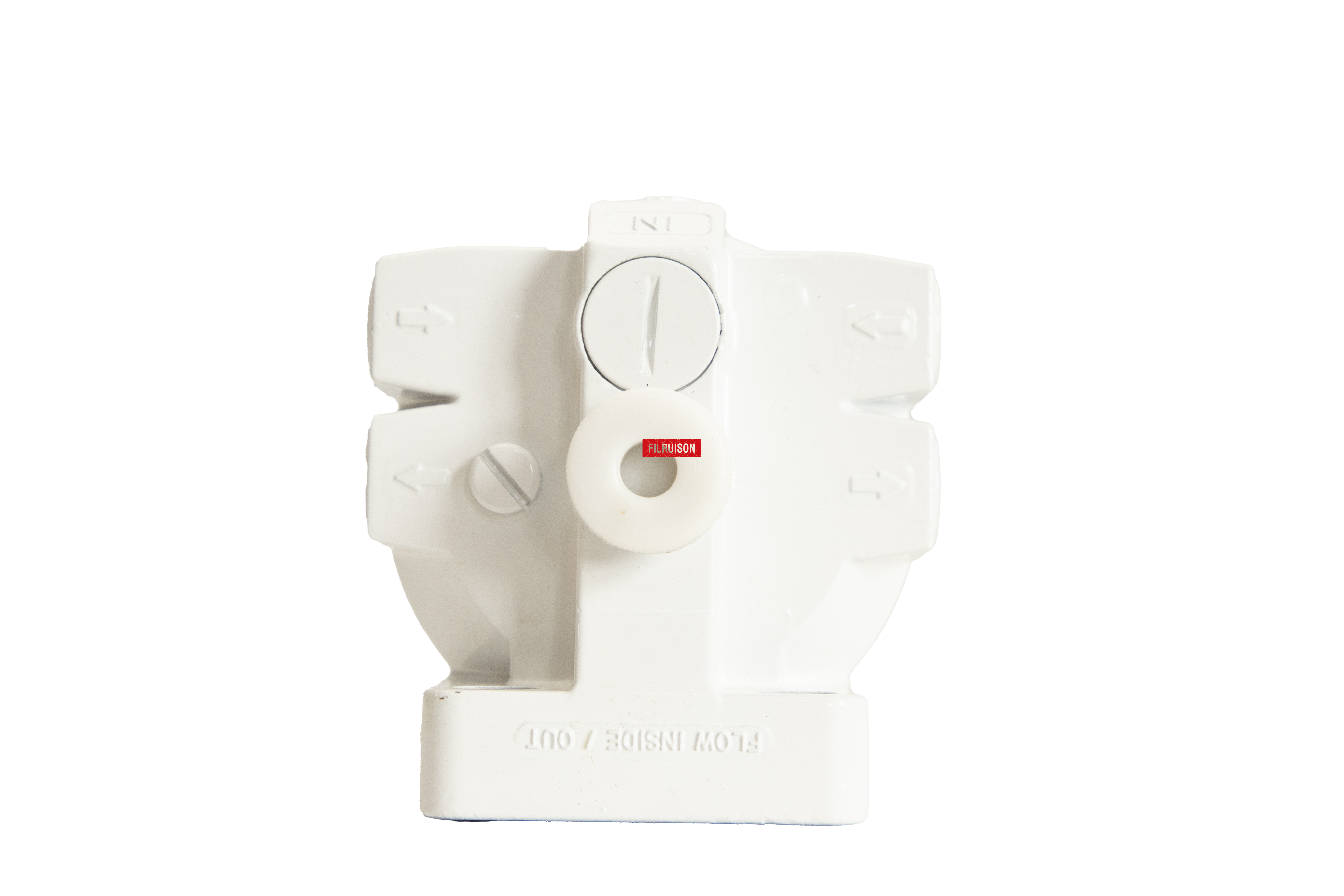
The diesel fuel filter serves as a barrier that traps contaminants such as dirt, rust, water, and microbial growth before they can enter the engine’s fuel system. Diesel fuel is naturally dirtier compared to gasoline, and the impurities it contains can cause significant wear on engine components like fuel injectors and pumps. Modern diesel fuel systems operate with tight tolerances, which means even small contaminants can cause serious damage if they pass through the filter.
| Contaminants in Diesel Fuel | Impact on the Engine |
|---|---|
| Dirt and Rust | Can clog fuel lines and injectors |
| Water | Leads to corrosion and microbial growth |
| Microbial Growth | Forms sludge, which can clog filters and injectors |
Diesel engines are equipped with high-precision fuel injection systems that depend on a steady and clean fuel supply. A diesel fuel filter protects these critical components from damage by preventing particles from reaching the injectors and fuel pumps. Clean fuel ensures smooth engine operation, reduces wear on sensitive parts, and ultimately extends the life of the engine.
Replacing the diesel fuel filter regularly is one of the most cost-effective ways to avoid expensive repairs. If contaminants pass through a clogged filter, they can damage vital engine parts, such as fuel injectors or pumps. Repairing or replacing these components is far more expensive than regularly changing the fuel filter. Thus, timely maintenance of the fuel filter can save vehicle owners significant costs in the long run.
| Part | Repair Cost Range | Fuel Filter Replacement Cost |
|---|---|---|
| Fuel Injectors | $300–$1,000 | $30–$60 |
| Fuel Pumps | $500–$2,500 | $30–$60 |
| Total Engine Damage | $3,000–$10,000 | N/A |
Maintaining a clean fuel system by replacing the fuel filter regularly saves you from the significant cost of repairs and downtime.
When a diesel fuel filter becomes clogged, it restricts the flow of fuel to the engine. This causes various performance issues such as rough idling, stalling, or misfires during acceleration. A clogged filter reduces the amount of fuel reaching the injectors, leading to engine inefficiency and poor fuel delivery.
A clogged fuel filter forces the engine to work harder to draw fuel, resulting in higher fuel consumption. As the filter gets dirtier, it becomes more difficult for the engine to pull fuel through, which strains the engine and reduces its overall efficiency. This can lead to a noticeable decrease in miles per gallon and higher operational costs.
| Clogged Filter Symptoms | Impact on Fuel Efficiency |
|---|---|
| Rough Idling | Increased fuel consumption due to engine strain |
| Engine Stalling | Inconsistent fuel delivery, reducing efficiency |
| Difficulty Starting | Engine doesn’t receive adequate fuel for combustion |
If left unchecked, a clogged diesel fuel filter can lead to severe engine damage. As contaminants bypass the filter, they can damage injectors, fuel pumps, and other critical components. Prolonged use of a clogged filter can result in total engine failure, which is costly and time-consuming to repair. Regular filter maintenance helps prevent these long-term issues and ensures that the engine operates at peak performance. Overlooking fuel filter maintenance may lead to engine breakdowns and costly repairs, potentially causing extended downtime.
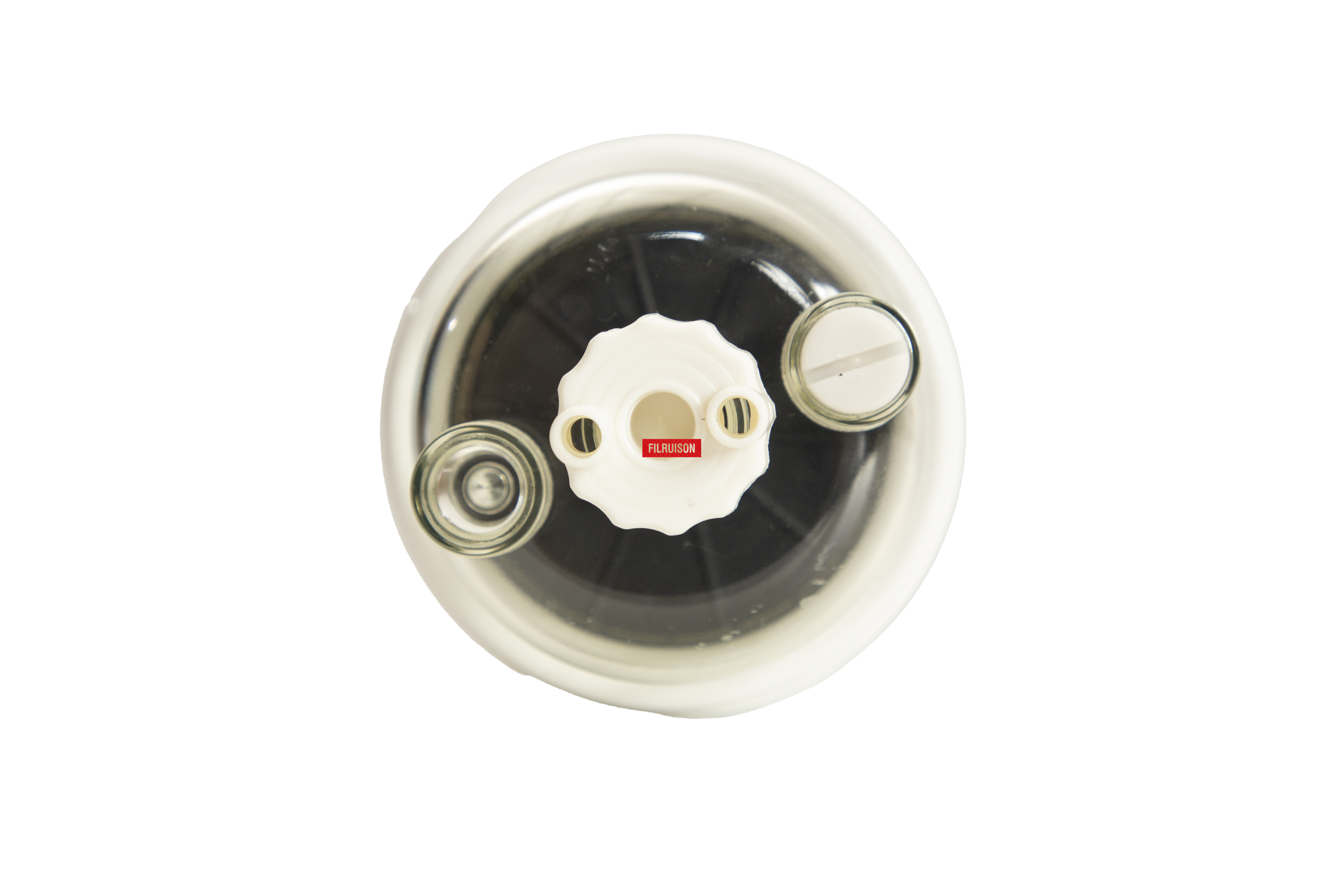
It’s generally recommended to replace the diesel fuel filter every 10,000 to 15,000 miles, or as specified by the vehicle manufacturer. However, the replacement interval can vary based on driving conditions, fuel quality, and the vehicle's age. For example, vehicles used in dusty or high-humidity environments may require more frequent replacements.
Weather conditions and fuel quality can impact how often you need to change the fuel filter. In cold climates, fuel can gel, leading to clogged filters, while in hot, dusty environments, filters tend to clog faster due to more particulate contamination. The type of fuel used also plays a role; poor-quality diesel fuel accelerates filter clogging and may require earlier replacements.
It’s essential to recognize the warning signs of a clogged diesel fuel filter. Common indicators include rough idling, sluggish acceleration, and difficulty starting the engine. If you notice these symptoms, it’s important to check and replace the fuel filter promptly to avoid further damage to the engine.
| Warning Sign | Possible Issue |
|---|---|
| Rough Idling | Clogged fuel filter |
| Sluggish Acceleration | Inadequate fuel delivery |
| Difficulty Starting | Blocked fuel system |
| Reduced Fuel Efficiency | Fuel flow restriction |
Keep an eye out for warning signs such as rough idling and poor acceleration to identify when the fuel filter needs replacing.
Regularly inspecting your diesel fuel filter ensures that it is functioning properly and has not become clogged with debris. It’s recommended to inspect the fuel filter during routine maintenance checks, particularly if the vehicle is used under harsh conditions or in areas with poor fuel quality.
Choosing the correct diesel fuel filter is crucial for maintaining engine performance. Be sure to select a filter that meets the manufacturer’s specifications and is compatible with your engine. There are different types of filters, such as primary and secondary filters, each designed for specific roles within the fuel system. A primary filter removes large particles, while a secondary filter catches finer particles before they reach the injectors.
While some diesel fuel filters can be cleaned, it’s usually more effective to replace them rather than clean them. Cleaning a clogged filter may not restore its full efficiency. Always follow the manufacturer’s instructions for replacing or cleaning the filter to ensure optimal performance. Choose a high-quality filter like those from SYKING to ensure long-lasting protection and optimal engine performance.
Water can enter a diesel fuel system through condensation, poor-quality fuel, or faulty seals. Once in the system, water can cause corrosion, clogging, and microbial growth. Diesel fuel filters play an essential role in removing water before it can damage engine components.
Modern diesel fuel filters are equipped with water separation features that prevent water from reaching the engine. Coalescing filters combine small water droplets into larger ones, making it easier to separate and remove water. Hydrophobic filters repel water, ensuring that only clean fuel enters the engine.
In regions with high humidity or extreme cold, water contamination in diesel fuel is a serious concern. Water can freeze, clogging fuel lines, or cause corrosion. Diesel fuel filters with advanced water separation capabilities are particularly important in these environments to protect the engine from water damage.
Tip:In regions with extreme weather conditions, using high-quality diesel fuel filters that provide efficient water separation is essential for engine protection.
There are primary and secondary diesel fuel filters, each serving a unique purpose. The primary filter is the first line of defense, removing large particles from the fuel, while the secondary filter provides finer filtration to protect the injectors. Both are essential for maintaining a clean fuel supply.
Diesel fuel filters come in various materials, including cellulose, synthetic, and composite. Synthetic filters offer longer service intervals and better dirt-holding capacity, making them ideal for heavy-duty applications. Composite filters combine the benefits of both materials, providing an optimal solution for most vehicles.
For vehicles operating in harsh conditions or requiring advanced filtration, specialized filters with enhanced water separation or higher dirt-holding capacities may be necessary. SYKING offers a variety of filters that are designed to meet the specific needs of different diesel engines, ensuring maximum protection and efficiency. For specialized filtration needs, consider using SYKING’s advanced diesel fuel filters, designed to handle challenging operating conditions and ensure optimal engine performance.
Regularly changing the diesel fuel filter helps keep the engine clean and free from contaminants that can cause premature wear. This leads to extended engine life and fewer repairs, which ultimately saves money.
A clean fuel filter ensures optimal fuel flow to the engine, improving combustion efficiency and reducing fuel consumption. By maintaining a clean fuel system, you can achieve better fuel economy and lower operating costs.
When a diesel engine operates with a clean fuel system, it burns fuel more efficiently, reducing harmful emissions. Regular fuel filter changes help ensure that the engine runs efficiently, keeping emissions within regulatory standards. Regular diesel fuel filter maintenance not only improves engine performance but also helps meet environmental standards by reducing emissions.
The diesel fuel filter is essential for protecting your engine from harmful contaminants. It ensures optimal performance and fuel efficiency by filtering out dirt, water, and microbes. Regular maintenance and timely replacement are necessary for keeping your engine healthy.
By choosing high-quality products from SYKING, you can maintain your engine’s top condition and avoid costly repairs. SYKING’s diesel fuel filters provide excellent filtration, helping to extend engine life, improve fuel economy, and reduce emissions. Investing in reliable filters ultimately saves both time and money.
A: A diesel fuel filter removes contaminants like dirt, water, and microbes from the fuel before it reaches the engine, ensuring optimal performance and preventing engine damage.
A: Diesel fuel filters should typically be replaced every 10,000–15,000 miles, or as recommended by your vehicle's manufacturer, depending on driving conditions.
A: A diesel fuel filter protects the engine from harmful contaminants, improving fuel efficiency, extending engine life, and preventing costly repairs.
A: A clogged diesel fuel filter restricts fuel flow, leading to rough idling, poor acceleration, and engine misfires, and can cause long-term engine damage.
