
Views: 0 Author: Site Editor Publish Time: 2025-11-22 Origin: Site


A diesel fuel filter is essential for your engine's health, yet many drivers overlook its importance. Have you noticed your engine hesitating or stalling? These could be signs of a clogged diesel fuel filter. In this article, we will explore how to recognize when your diesel fuel filter is bad and what you can do to fix it. You’ll learn how to diagnose the issue, prevent further damage, and keep your engine performing at its best.
Symptoms of a bad fuel filter: Difficulty starting the engine, misfires, rough idling, decreased performance, and unusual sounds from the fuel pump.
Why regular maintenance is crucial: Replacing the fuel filter on time helps maintain engine performance and prevent costly repairs.
Tools for diagnosing problems: Use diagnostic tools, visual inspection, and listen for unusual noises to identify fuel filter issues early.
Impact of a clogged filter on your engine: A clogged filter can lead to poor fuel delivery, damaging critical components like injectors and the fuel pump.
SYKING products for fuel system maintenance: SYKING’s high-performance diesel fuel filters and diagnostic tools ensure engine longevity and smooth operation.
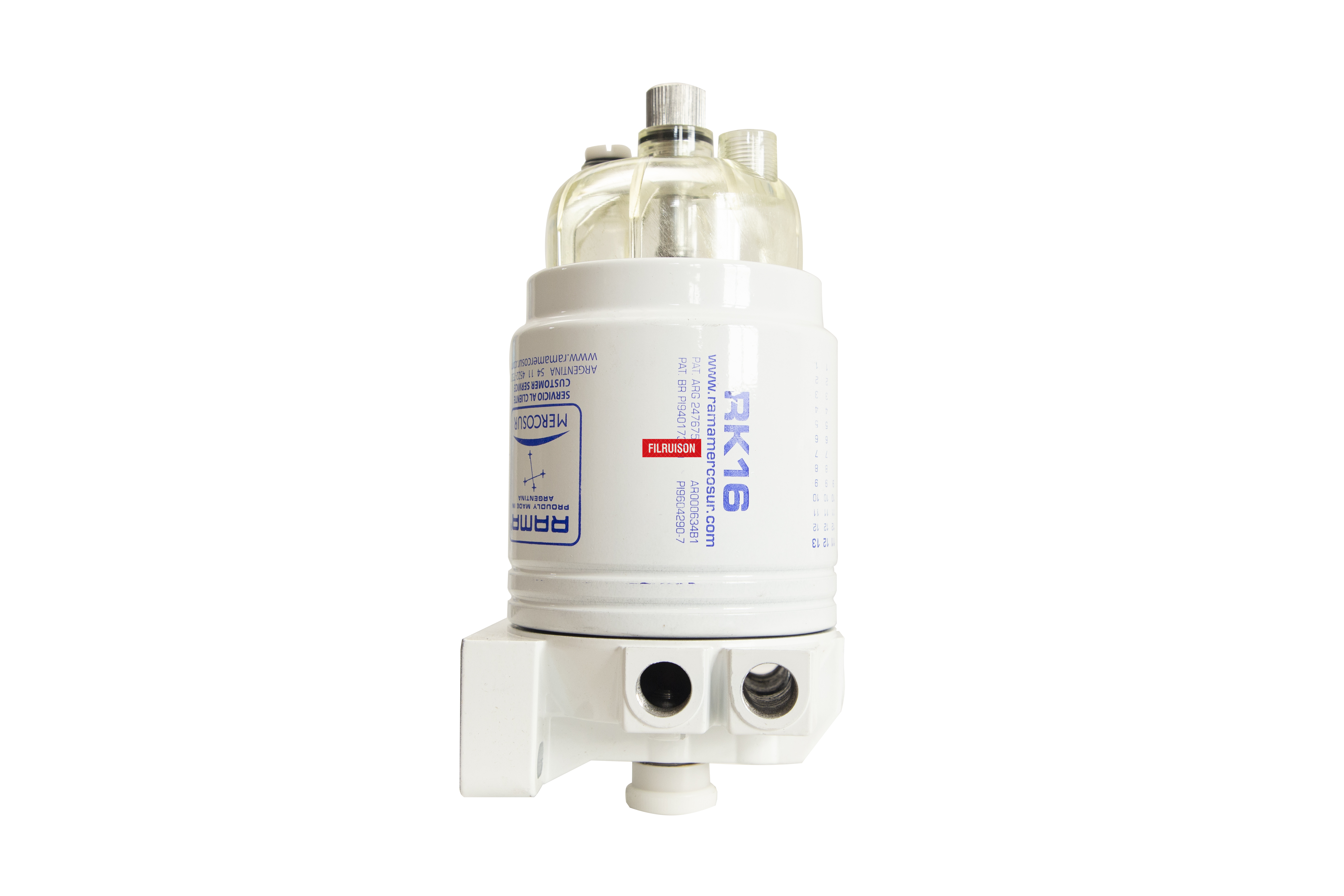
A diesel engine requires an adequate flow of fuel to start properly. When the fuel filter becomes clogged, the flow is restricted, and the engine may struggle to start. In severe cases, the engine might not start at all. This is particularly noticeable during colder weather, as the diesel fuel becomes thicker and more challenging to pump through the filter.
| Symptom | Cause | Impact |
|---|---|---|
| Difficulty starting | Restricted fuel flow | Engine struggles to start, especially in cold weather |
If your engine struggles to start or fails to start altogether, it's worth checking the diesel fuel filter before assuming a more complex issue.
Fuel flow disruptions caused by a clogged filter can lead to engine misfires. Misfires occur when some of the cylinders receive too little fuel to combust properly. This leads to rough idling and uneven engine performance. If your vehicle is idling erratically or has a noticeable drop in smoothness, a bad filter might be the culprit.
If your engine stalls unexpectedly while driving or experiences hesitation when you press the accelerator, it’s a sign that the engine is not receiving enough fuel. A clogged fuel filter can cause this issue by not allowing enough fuel to reach the injectors during acceleration, resulting in hesitation or sudden stalls.
| Symptom | Cause | Impact |
|---|---|---|
| Engine stalling | Insufficient fuel flow | Stalls or hesitates, affecting driving safety |
Stalling in traffic or hesitation during acceleration should be addressed quickly, as it may compromise safety.
When the fuel filter is clogged, the engine might lack power and struggle to perform under heavy load. This is especially noticeable when trying to accelerate quickly or when climbing inclines. Additionally, you may notice sluggish throttle response and reduced overall power. The engine might also have trouble maintaining speed on highways or while pulling heavy loads.
| Symptom | Cause | Impact |
|---|---|---|
| Decreased performance | Clogged fuel filter | Power loss, sluggish acceleration |
If your vehicle feels slower than usual, or you notice difficulty reaching higher speeds, check the fuel filter.
A clogged diesel fuel filter forces the fuel pump to work harder to push fuel through the restricted filter. This extra effort can lead to a whining or buzzing sound coming from the fuel pump area. If you hear unusual noises, it could be a sign that the filter is blocked and the fuel pump is under strain.
A clogged diesel fuel filter not only disrupts fuel flow but can also cause contaminants to reach the fuel injectors. When debris enters the injectors, it can lead to uneven fuel delivery and damage the injectors over time. This is a major issue, as injectors are expensive to replace and critical to engine performance.
| Consequence | Cause | Impact |
|---|---|---|
| Damage to injectors | Contaminants in fuel | Uneven fuel delivery, expensive repairs |
Clean fuel ensures that the injectors function properly and helps avoid unnecessary repairs to the fuel system.
If a diesel fuel filter is left unchecked and continues to allow contaminants into the engine, it can cause long-term damage to the engine components. Over time, this can lead to costly repairs or even a complete engine failure. Regular filter replacement ensures that the engine operates at optimal performance levels, helping to extend its lifespan.
Ignoring the symptoms of a clogged diesel fuel filter can lead to much higher repair costs in the future. A bad filter can cause more than just fuel inefficiency—it can lead to damage in critical engine parts such as the injectors, fuel pump, and even the engine itself. Replacing a filter regularly is much more cost-effective than repairing engine components damaged by a neglected filter.
| Issue | Cause | Impact |
|---|---|---|
| Expensive repairs | Neglected fuel filter | Long-term damage to engine components |
Addressing fuel filter issues early saves you from the high costs of engine repairs.
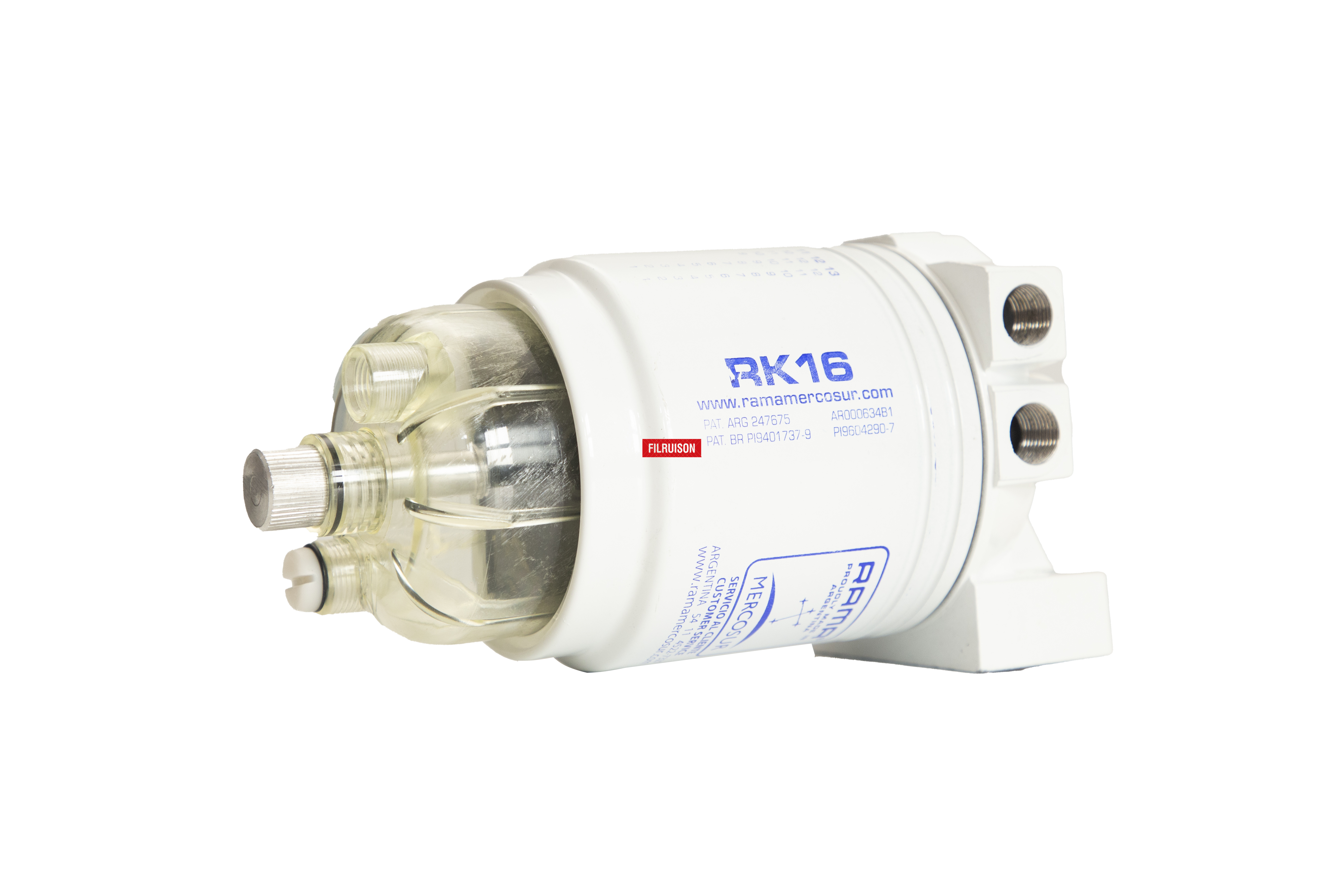
Modern vehicles often come equipped with diagnostic tools that can help pinpoint fuel system problems. One such tool is a fuel pressure sensor, which can monitor the pressure inside the fuel system. If the fuel pressure drops below a certain level, it indicates that the fuel filter is likely clogged. This sensor typically triggers a dashboard warning light to alert the driver.
| Tool | Function | Benefit |
|---|---|---|
| Fuel pressure sensor | Monitors fuel pressure | Identifies clogged filters |
While sensors and diagnostic tools can be helpful, sometimes a manual inspection is necessary. You can check the condition of the fuel filter by looking for physical signs of clogging or by checking the fuel quality. A clean filter is usually transparent or lightly tinted, while a dirty filter will appear darker or even black from trapped contaminants.
Sometimes, simply listening to your engine can help diagnose a bad fuel filter. Unusual sounds, such as whining or sputtering, can indicate that the fuel pump is struggling to push fuel through a blocked filter. If these sounds are present, it's a good idea to check the filter and replace it if necessary.
| Sign | Cause | Impact |
|---|---|---|
| Unusual noises from the pump | Blocked fuel filter | Increased pump strain, risk of damage |
If your vehicle makes unusual noises during operation, don't ignore them—they may signal an issue with the fuel system.
The general recommendation for diesel fuel filter replacement is every 10,000 to 25,000 miles, depending on the vehicle and operating conditions. However, vehicles that are frequently used in dusty or off-road conditions may need more frequent filter changes. Always consult your vehicle’s user manual for the manufacturer’s specific recommendation.
| Condition | Recommended Interval | Reason |
|---|---|---|
| Normal usage | Every 10,000 to 25,000 miles | To maintain fuel efficiency |
| Harsh conditions (dusty roads, etc.) | More frequent | To avoid filter clogging |
Dirty or poor-quality diesel fuel can cause the filter to clog more quickly. Contaminants like water, dirt, and algae can accumulate in the filter and block the fuel flow. Using high-quality diesel fuel can help extend the life of your fuel filter and reduce the frequency of filter changes.
It’s essential to replace the diesel fuel filter before it becomes fully clogged. Symptoms like poor engine performance, difficulty starting, and unusual fuel pump noises are good indicators that it’s time for a replacement. Don’t wait until the filter is completely blocked—replace it early to avoid more severe engine issues.
Tip: Replace your fuel filter as part of regular vehicle maintenance, even if you don’t notice any symptoms, to avoid engine problems later.
Replacing a diesel fuel filter is a relatively simple process, but it requires the right tools and some basic mechanical knowledge. Here’s how you can replace your fuel filter:
Gather the Tools and Supplies: You will need a new filter, wrenches, a fuel container to catch spills, and a fuel line disconnection tool if needed.
Locate the Fuel Filter: Refer to your vehicle’s manual to find the exact location of the fuel filter, usually located along the fuel line between the tank and engine.
Release Fuel System Pressure: Before removing the old filter, relieve the pressure in the fuel system by removing the fuel cap and using the pressure release valve.
Remove the Old Filter: Use wrenches to disconnect the fuel lines and remove the filter. Be prepared for fuel spillage, so have a container ready.
Install the New Filter: Attach the new filter, reconnect the fuel lines, and make sure all connections are tight.
Prime the Fuel System: Follow the manufacturer’s instructions to prime the system and build up fuel pressure.
Check for Leaks: Start the engine and check for leaks. Ensure the engine is running smoothly.
If you’re not confident in your ability to replace the filter, consult a professional mechanic to avoid mistakes.
While changing a diesel fuel filter is a manageable task for many DIYers, some people may prefer professional help. A mechanic can replace the filter for you and also check the entire fuel system for any additional issues. Though it may cost more than doing it yourself, professional replacement ensures the job is done correctly.
Maintaining a clean diesel fuel filter is essential for optimal engine performance. Regular inspection and replacement improve fuel efficiency, prevent costly repairs, and ensure smooth engine operation. By recognizing symptoms of a clogged filter early, you can avoid serious engine issues and keep your vehicle running smoothly for years.
Always consult your vehicle’s manual for specific maintenance recommendations. For a reliable solution, SYKING offers high-quality diesel fuel filters that enhance performance and durability, ensuring your engine stays in top condition.
A: A diesel fuel filter removes contaminants like dirt, water, and debris from the diesel fuel before it reaches the engine. It ensures clean fuel reaches the injectors and engine components, helping maintain optimal engine performance.
A: Symptoms of a clogged diesel fuel filter include difficulty starting the engine, rough idling, stalling, decreased engine performance, and unusual sounds from the fuel pump. If you notice these signs, it's time to check the filter.
A: It's recommended to replace the diesel fuel filter every 10,000 to 25,000 miles, depending on your vehicle’s manual and operating conditions. Regular maintenance helps prevent clogging and ensures optimal engine performance.
A: Yes, a clogged or bad diesel fuel filter restricts fuel flow, leading to poor engine performance and reduced fuel efficiency. Replacing the filter regularly ensures smooth fuel delivery and better fuel economy.
