
Views: 0 Author: Site Editor Publish Time: 2026-05-01 Origin: Site


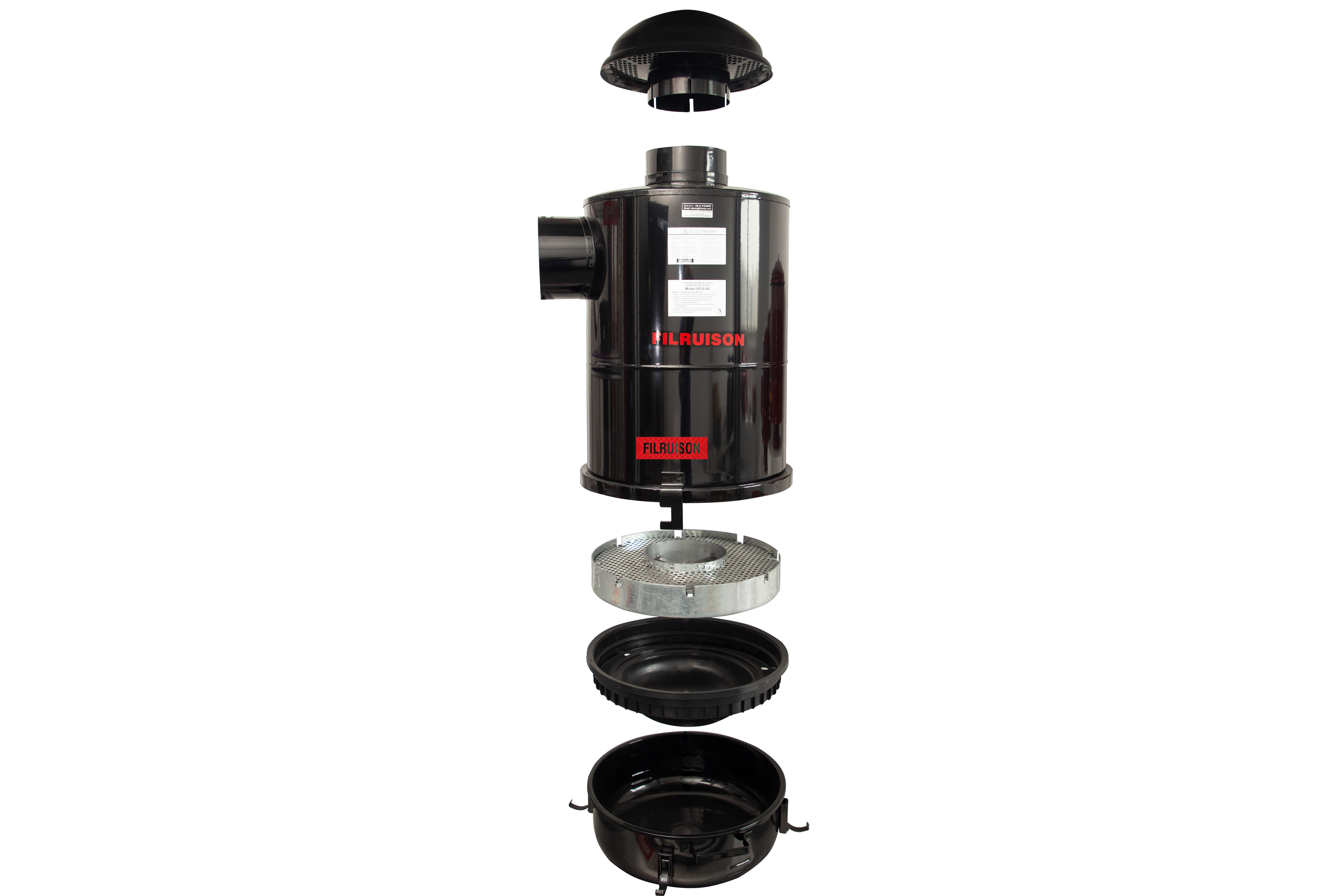
The heavy machinery and classic automotive sectors have largely shifted toward dry paper filters to cut down on rapid labor costs. However, the Oil-bath Air Filter remains an exceptionally superior asset for heavy-dust environments. You will still find them operating tirelessly on vintage tractors, rugged forklifts, classic cars, and industrial diesel generators.
Improper maintenance practices frequently undermine their robust efficiency. Many operators use highly corrosive solvents or accidentally overfill the bottom oil pan. Others completely neglect hidden internal blockages. These minor errors quickly lead to severely restricted airflow, dangerous engine dusting, or messy exhaust oil leaks.
This guide provides a standardized, professional-grade maintenance Standard Operating Procedure (SOP). You will learn exact cleaning intervals, safe chemical compatibility guidelines, and proven hardware restoration protocols. Following these expert steps ensures you maximize engine lifespan and maintain optimal filtration performance in the harshest conditions.
Maintenance Interval: Standard continuous operation requires servicing every 80–150 hours, depending on environmental dust density.
Preparation Rule: Always wait at least 10 minutes after engine shutdown before disassembly to allow suspended oil to drain back into the basin.
Fluid Limits: Never overfill past the scribed line (or a strict maximum of 30mm if no line exists) to prevent oil from being sucked into the intake.
Chemical Safety: Avoid lye, alcohol, or harsh carburetor cleaners that can disintegrate vintage mesh materials (like classic aspen wood pads) or strip interior anti-corrosion coatings.
Many mechanics assume dry paper filters perform better overall. This is a very common mechanical misconception. Let us look at the actual physics behind an Oil-bath Air Filter. It relies on a brilliant combination of fluid inertia and physical adhesion. The system forces incoming ambient air downward directly into the oil surface. Heavy dirt particles cannot change direction fast enough. They crash into the fluid layer and sink to the bottom. The air then reverses direction upward through a densely packed wire mesh. This upper mesh catches any remaining fine secondary particles suspended in microscopic oil droplets.
Why did the automotive industry shift away from this design? Dry paper filters became standard primarily to lower business-to-business labor and maintenance times. A technician can swap a disposable paper element in under two minutes. Paper filters do not inherently offer higher filtration efficiency across all particle sizes. They simply save expensive maintenance time during routine fleet servicing.
You should absolutely justify retaining the oil-bath system in specific scenarios. They excel in multi-stage setups for extreme sandy or dusty environments. Often, you will see a primary oil bath paired alongside a secondary dry filter. This configuration dramatically lowers your long-term consumable replacement costs. You just replace the contaminated oil instead of buying expensive paper cartridges every few days.
Evaluation Metric | Oil-Bath Air Filter | Dry Paper Air Filter |
|---|---|---|
Filtration Principle | Inertia impaction and fluid adhesion | Physical barrier and micron pore interception |
Primary Benefit | Massive dirt-holding capacity before restriction | Fast, labor-saving replacement process |
Ideal Environment | Extreme dust, mining, agriculture, classic restorations | Standard highway driving, clean industrial zones |
Consumable Need | Standard engine oil and basic cleaning solvents | Brand new proprietary paper cartridges |
You must mandate a strict 10-minute idle cooling period post-shutdown. Do not skip this crucial waiting phase. This pause allows suspended oil to drain completely from the upper wire mesh back into the lower reservoir. If you remove the housing too early, you risk spilling oil everywhere. It also gives you an inaccurate reading of the actual sludge buildup in the basin.
Once the system rests, carefully remove the external retaining clamps. Detach the oil cup slowly to avoid splashing. Take this exact moment to inspect the rubber sealing gaskets. Check them thoroughly for premature hardening, brittle edges, or micro-cracks. A compromised gasket allows unfiltered bypass air straight into your engine intake.
Proper cleaning requires sequential mechanical and chemical steps. Follow this numbered protocol to ensure maximum debris removal without damaging internal components:
Manual Extraction: Scrape out the heavy bottom sludge manually using a plastic scraper. Do this before applying any liquid solvents to reduce chemical waste.
Solvent Submersion: Submerge the wire mesh completely in appropriate petroleum solvents. Diesel fuel or kerosene are the safest industry standards for this task.
Active Agitation: Agitate the assembly vigorously in the solvent bath. Swish it up and down to dislodge trapped sand and grit from the inner mesh layers.
Ultrasonic Alternative: Use heated ultrasonic cleaners for extreme baked-on grime. Only select this advanced option if the filter housing material can handle intense cavitation without warping.
Allow all cleaned parts to air dry completely in a well-ventilated area. Never use compressed air on fragile vintage mesh, as high pressure can blow holes through degraded materials. Once thoroughly dry, lightly coat the outer housing's inner wall. Use a thin layer of fresh oil to create an initial dust barrier.
Refill the bottom reservoir using the exact same weight of engine oil used in the machine's crankcase. If your tractor takes 15W-40, use 15W-40 in the filter bowl. Fill the basin strictly to the manufacturer-scribed line. If your vintage unit lacks a visible line, enforce a maximum fill depth of 30mm. Maintaining this exact fluid level guarantees optimal air restriction levels and prevents catastrophic engine aspiration.
Selecting the wrong cleaning chemical will permanently ruin your hardware. We explicitly warn against using lye, alkaline degreasers, straight alcohol, or unmixed gasoline. These highly aggressive chemicals compromise factory spot welds almost immediately. They strip away the original interior anti-corrosion coatings. Furthermore, washing large metal parts in straight gasoline creates a massive, unnecessary fire hazard in your workshop.
Classic car restorers face unique risks when dealing with 1960s or 1970s vehicles. Many early models did not use modern steel wire mesh. Instead, they utilized fragile "aspen wood" cooling pad materials hidden inside the main canister. Applying high-pressure modern carburetor cleaners will instantly destroy this 50-year-old organic material. The harsh solvents melt the binding agents, sending wood fibers directly into your engine cylinders.
Sometimes you open an old canister and find the original steel mesh completely rusted out. Do not panic. You can execute a reliable emergency field repair. We suggest using heavy-duty, soap-free stainless steel pot scourers. Pack these tightly into the empty housing void. This acts as a verifiable, field-tested alternative for older tractor and heavy equipment restorations. Ensure you buy the pure stainless variants. Cheaper steel wool will quickly rust and disintegrate when exposed to incoming moisture.
Even experienced mechanics frequently fall into the "down tube" trap. This is a highly common DIY maintenance failure. People meticulously clean the bottom bowl and upper mesh but completely ignore the central air down tube. Heavy, oil-soaked dust often cakes along the inner walls of this specific pipe. Over time, this thick buildup severely starves the engine of required combustion air. Always run a stiff bristle brush straight through the center tube during every service interval.
Operators occasionally notice blue smoke or strange fluid leaks immediately after servicing their system. Overfilling the oil reservoir directly leads to dangerous oil carryover. The powerful engine vacuum simply aspirates the excess fluid upward. In gasoline engines, this raw oil quickly fouls the spark plugs, causing severe misfires. In large diesel generators, you will see raw engine oil continuously dripping from the hot exhaust manifold. If you spot these symptoms, drain the filter basin down to the proper level immediately.
Some classic mesh canisters are permanently sealed at the factory using deep spot welds. Performing deep maintenance on these enclosed units requires slight structural modification. Professionals often drill out the original factory welds to access and deep-clean the hidden interior mesh. Once the internal cleaning concludes, you can easily reassemble the outer housing. Secure the two halves tightly using blind pop rivets or durable self-tapping screws. This modification makes all future maintenance intervals significantly easier.
Restoring the exterior of a classic housing requires careful material selection. Do not just grab the cheapest spray paint on your shelf. We strongly advise against using standard aerosol "rattle can" paints. These generic enamels look great on day one but lack necessary chemical durability. Your hard work will look terrible after a single season of use.
You must account for the reality of future maintenance. Routine cleaning inherently requires splashing kerosene, diesel, or oily solvents around the housing exterior. Standard acrylic paints will bubble, peel, and dissolve instantly upon contact with these hydrocarbons. We highly recommend using a catalyzed auto paint or high-temperature solvent-resistant engine enamels. These specialized coatings chemically cross-link as they cure. This ensures the shiny new finish survives decades of future solvent cleanings without peeling or fading.
Maintaining an oil-bath air cleaner remains a highly effective, low-cost, and high-precision task. It simply requires attention to chemical details and strict adherence to fluid capacities. While modern dry filters dominate the consumer market, they cannot beat the sheer dirt-holding capacity of an oil-based system.
Remember these final actionable steps for long-term success:
Strictly adhere to proper petroleum-based solvent selection to protect interior mesh integrity.
Verify your exact oil depth never exceeds the scribed line to prevent engine aspiration.
Maintain a strict 80–150 hour maintenance cadence for commercial-grade engine protection.
Equipment managers and classic vehicle restorers must take proactive action today. Check your central down tubes for hidden blockages immediately. Verify your oil fill lines remain clearly visible before your machinery begins its next scheduled heavy-duty operational cycle.
A: Every 80 to 150 operating hours under normal conditions. In severe dust (farming/mining), check the sludge level daily and clean when the oil thickens significantly.
A: Use the exact same weight and grade of engine oil that your specific machine’s engine requires (e.g., standard 30W or 15W-40).
A: While some heavy-duty degreasers (like Purple Power) are used, water introduces rust risks and emulsion issues if not 100% dried. Petroleum-based solvents (diesel/kerosene) are preferred because they clean safely and leave a rust-preventative film.
A: You likely filled the oil past the internal scribed line. The engine vacuum is sucking the excess oil directly into the intake manifold. Drain the oil down to the proper level immediately.
