
Views: 0 Author: Site Editor Publish Time: 2026-04-29 Origin: Site


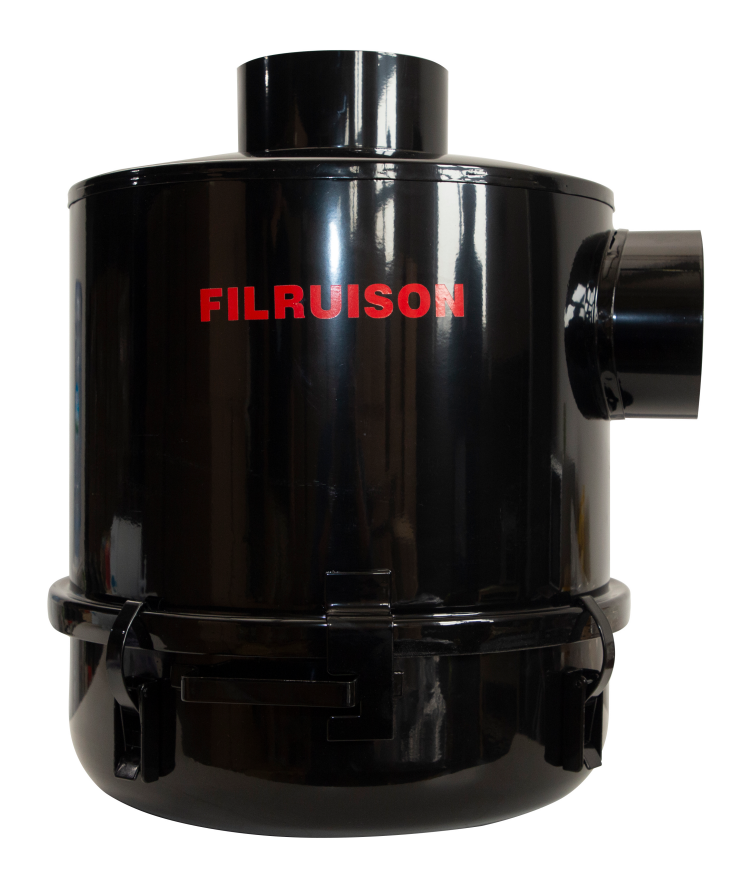
The debate between traditional heavy-duty filtration and modern disposable media still thrives today. Agricultural operators, heavy-duty fleet managers, and vintage restoration communities constantly argue over the best approach. You face a critical choice regarding engine longevity, maintenance overhead, and modern equipment compatibility. An incorrect filtration choice can allow abrasive dust to destroy an engine. Furthermore, incompatible setups severely threaten delicate turbochargers and sensitive electronic sensors.
Every minute your machine spends in the shop is lost productivity. Choosing the right filter directly impacts your operational uptime. We created this guide to provide a clear, engineering-backed evaluation matrix. You will learn the exact differences in micron capture, airflow dynamics, and system compatibility. Our goal is to help you confidently decide whether to maintain an existing filtration setup or retrofit your equipment to a modern alternative.
Filtration Precision: Dry paper/synthetic filters offer superior low-micron interception (up to 99.9%), whereas traditional oil-bath systems max out around 98% and struggle with fine dust.
RPM Dependency: An oil-bath air filter relies on high airflow velocity to function effectively; filtration efficiency drops significantly at idle or low RPMs.
Turbocharger Incompatibility: Oil-bath setups pose a severe risk to turbocharged engines, as high-velocity vacuums can draw oil droplets into the intake, leading to rapid impeller erosion.
Maintenance & ESG: Dry filters drastically reduce labor hours and eliminate the environmental compliance risks associated with disposing of heavily contaminated oil sludge.
To evaluate these systems, you must understand how they handle incoming air. They use entirely different principles of physics to separate particulate from the air stream.
Many people misunderstand how traditional systems operate. They assume an Oil-bath Air Filter simply soaks the incoming air in a pool of fluid. This is physically impossible. Instead, the system relies heavily on centrifugal force and inertia.
Here is how the inertial separation process actually works:
Air enters the housing and travels down a central tube at high speed.
The air hits the fluid reservoir and makes a rapid 180-degree turn.
Because dirt and dust are heavier than air, their inertia prevents them from making this sharp turn.
Heavy particulate flies straight into the oil pool and sinks to the bottom.
The upward-moving air carries a fine mist of oil into a dense metal wire mesh.
This wetted mesh catches any remaining microscopic debris before the air enters the intake.
Dry filters take a much more direct approach. They utilize a physical barrier method. Engineers design multi-layered cellulose or progressive synthetic fibers for these filters. Manufacturers weave these materials tightly to trap low-micron particles physically. You do not need any adhesive fluids or messy oils to make them work. The microscopic pores in the paper simply block the dust while allowing air molecules to pass through. This barrier effectively stops fine silica and airborne abrasives before they reach your engine cylinders.
Airflow behavior differs vastly between the two designs. Oil-bath units generally present a lower initial airflow restriction. They lack a dense physical wall of paper, allowing air to move more freely initially. However, this advantage highly depends on ideal environmental conditions. If the mesh gets clogged, airflow drops sharply.
Dry filters introduce higher initial pressure drops. The dense paper barrier requires the engine to pull harder to draw air in. Despite this, dry filters offer highly predictable airflow degradation over time. You always know how they will perform. As dust accumulates on the surface, the filter actually becomes slightly more efficient at trapping dirt, though restriction slowly increases. This predictability makes maintenance scheduling much easier for fleet managers.
When you compare efficiency, the differences become striking. Modern engineering provides clear data on how well each system protects internal engine components.
Historical data from the Society of Automotive Engineers (SAE) shows a massive evolution in filtration efficiency. Early oil-bath systems averaged 80-85% efficiency. They excelled at catching large stones, heavy dirt, and bugs. However, they routinely let microscopic abrasive dust slip through the mesh.
Over the decades, filtration technology advanced rapidly. Modern dry elements routinely hit 97-99% efficiency or higher. Heavy-duty applications often utilize multi-stage dry filters that achieve 99.9% micron capture. This extreme precision prevents piston ring wear and extends engine life significantly.
You must understand a critical vulnerability of the Oil-bath Air Filter. Its performance is heavily dependent on engine RPM. Because it relies on inertial impaction, it needs high air velocity to work.
When your machine operates at low throttle or idles, air velocity drops dramatically. The air moves too slowly to throw the heavy dust particles into the oil pool. Consequently, fine dust easily navigates the 180-degree turn and bypasses the system entirely. If your equipment idles frequently in dusty environments, an oil-bath system leaves your engine highly vulnerable. Dry filters maintain consistent physical interception. They block dust identically at idle or wide-open throttle.
An oil-bath system demands perfect operational parameters. If the fluid level drops even slightly, performance drops like a rock. Without the correct fluid height, the incoming air cannot interact properly with the reservoir. Furthermore, if the fluid becomes overly saturated with mud, it loses its ability to absorb new dirt. The air simply bounces off the thick sludge and carries dust directly into the intake manifold.
Performance Metric | Oil-Bath Filtration | Dry Paper Filtration |
|---|---|---|
Average Efficiency | 80% - 98% (varies by condition) | 97% - 99.9% (highly consistent) |
RPM Dependency | High (Fails to filter well at idle) | None (Consistent at all RPMs) |
Fluid Sensitivity | Extreme (Fails if level is low) | N/A (Uses physical barrier) |
Micron Capture | Struggles with fine, powdery dust | Excellent sub-micron capture |
Maintenance procedures dictate how much time your equipment spends in the garage. Let us examine the physical realities of servicing these two distinctly different filtration systems.
Servicing an oil-bath reservoir is a messy, time-consuming process. Historically, operators running tractors in heavy dust had to perform this maintenance daily. You must unlatch the heavy housing, carefully drop the lower pan, and avoid spilling the black sludge. Then, you must scrape out the accumulated mud, wash the metal mesh in a solvent basin, let it dry, and meticulously refill the reservoir to the exact indicator line.
This process routinely takes a mechanic a significant amount of time. Compare this to the modern dry cartridge. You unclip the plastic housing, pull out the dirty paper element, slide a fresh one in, and secure the lid. A trained operator can execute this swap in under 10 minutes. This drastically reduces your labor hours and keeps your machinery working in the field.
While dry filters are simple, they invite a very common operational error. Mechanics often try to extend the life of a dry paper element by blowing it out with high-pressure air. They use shop compressors blasting air at over 90psi.
This is a catastrophic mistake. The high-velocity air micro-ruptures the delicate cellulose paper pores. You cannot see these microscopic tears with the naked eye. However, these tiny rips allow much larger abrasive debris to bypass the filter completely. Once you blow out a paper filter, you compromise its structural integrity. Strict replacement schedules are always safer than cleaning dry media. Most manufacturers mandate replacing the element entirely when it reaches its maximum restriction point.
We must also address the environmental, social, and governance (ESG) implications. Washing out an oil-bath housing generates a highly toxic byproduct. You mix heavy engine oil with silica, environmental contaminants, and harsh cleaning solvents.
This creates hazardous liquid waste. You cannot legally dump this sludge. It requires compliant containment, specialized transportation, and strict environmental disposal procedures. Handling this waste introduces compliance risks and administrative headaches. Dry filters offer a much cleaner reality. They produce a predictable, solid waste stream that is far easier to manage within standard shop disposal guidelines.
Despite their robust nature, oil-bath systems almost entirely vanished from modern commercial equipment. Several major engineering shifts forced the industry to adopt dry filtration universally.
Space became a premium commodity under the hood. As the automotive and heavy equipment industries evolved, engineers introduced larger V8 engines, complex air conditioning components, and massive cooling packs. They shifted to incredibly tight engine bays.
This evolution eliminated the vertical space required for bulky oil-bath housings. An Oil-bath Air Filter must sit perfectly upright. It requires significant vertical clearance to facilitate the gravity-based oil pool. Conversely, engineers can mount dry paper filters horizontally, sideways, or remotely via flexible tubing. This packaging flexibility made paper elements the only viable choice for modern vehicle design.
Forced induction ultimately killed the traditional oil-bath filter. Modern diesel and high-performance engines rely heavily on turbochargers to generate power. These devices spin at incredible speeds, often exceeding 100,000 RPMs.
A spooling turbocharger creates an extreme vacuum in the intake tract. This violent suction easily overpowers the gravity holding the oil in the bath. The turbo aspirates the thick oil mist directly out of the reservoir. This rogue fluid coats intercooler fins, degrading thermal efficiency. Worse, the heavy oil droplets strike the delicate aluminum compressor wheels at supersonic speeds. This leads to catastrophic impeller erosion and rapid turbocharger failure. Oil-bath systems simply cannot safely coexist with modern forced induction.
Modern electronic fuel injection relies on precise data. Engines use Mass Airflow (MAF) and Manifold Absolute Pressure (MAP) sensors to measure incoming air. These delicate hot-wire sensors sit directly behind the air filter.
If microscopic oil droplets hit a MAF sensor, they bake onto the heated wire. This insulating crust skews the electrical readings, causing the engine to run lean or rich. Dry filters carry absolutely zero risk of fluid migration. They keep sensitive electronic injection components perfectly clean and functional.
You must evaluate your specific operational environment to make the right choice. Use this strategic framework to determine which filtration system best fits your application.
Vintage Restoration & Marine: We strongly recommend keeping the traditional oil-bath setup for period-correct agricultural or automotive restorations. Authenticity matters in restoration. Furthermore, in highly humid or heavy marine environments, standard paper media can quickly absorb moisture, swell, and choke the engine. An oil-bath system ignores moisture entirely, making it highly reliable on the water.
Modern Agriculture & Construction: We highly recommend converting your fleet to heavy-duty dry filters. The dust loads in modern farming and mining are immense. To maximize protection, pair a high-capacity dry element with a centrifugal pre-cleaner. The pre-cleaner ejects 80% of the heavy dirt before it reaches the paper. This extends the primary filter's life dramatically without requiring any messy fluid maintenance.
High-Performance & Forced Induction: You must strictly utilize dry elements or modern engineered lightly-oiled synthetic panels. Traditional fluid-reservoir systems have absolutely no place in modern turbocharged setups. If you run a turbo, you must eliminate any risk of fluid aspiration to protect your compressor wheels and sensitive sensors.
The traditional oil-bath system remains a fascinating marvel of early inertial engineering. It offered a theoretically infinite lifespan for operators who diligently maintained it. However, the dry paper filter wins decisively in almost every modern metric. It provides superior absolute filtration precision, unmatched engine safety for turbochargers, and massive reductions in labor hours.
If you are currently evaluating your fleet or planning a restoration project, take proactive steps today. Assess your engine's specific vacuum profile and check your available under-hood clearance. Evaluate your shop's maintenance capabilities and waste disposal protocols. By understanding these mechanical and operational constraints, you can source the correct retrofit kits or replacement media to keep your engines running flawlessly for decades.
A: No. The high vacuum pull of a turbocharger will suck oil directly out of the bath, leading to catastrophic impeller erosion and intercooler fouling. You must use dry filters for forced induction applications to ensure turbo safety.
A: Oil-bath systems require high airflow velocity to create the centrifugal force needed to separate dust. At idle, the air moves too slowly, and fine particulates easily bypass the oil trap and enter your engine.
A: It is highly discouraged. Compressed air above 90psi will tear the microscopic fibers in the cellulose, drastically reducing the filter's ability to stop fine dust. Replacement is always safer than blowing it out.
A: Filtration efficiency plummets almost instantly. Without the proper fluid level to catch debris from the directional air turn, heavy particulate flies directly into the intake manifold, causing severe internal engine wear.
