
Views: 0 Author: Site Editor Publish Time: 2025-11-23 Origin: Site


Diesel engines rely on fuel filters to keep running smoothly. Without the right fuel filter, contaminants like dirt and water can damage critical engine components. But with so many options available, how do you choose the best diesel fuel filter?
In this article, we'll explore the importance of diesel fuel filters, the different types available, and how to select the right one for your engine. You'll learn about filter efficiency, maintenance, and what makes a filter truly effective in protecting your engine.
Diesel fuel filters protect your engine from contaminants like dirt, water, and microbes that can cause performance issues and costly repairs.
There are various types of diesel fuel filters, including primary, secondary, in-line, cartridge, spin-on, and water-separating filters.
Choosing the right fuel filter depends on factors such as filtration efficiency (micron rating), engine compatibility, and environmental conditions.
Premium fuel filters from brands like Bosch, ACDelco, and Fleetguard provide superior filtration and long-lasting protection for diesel engines.
Regular maintenance and timely replacement of diesel fuel filters are crucial for optimal engine performance and longevity.
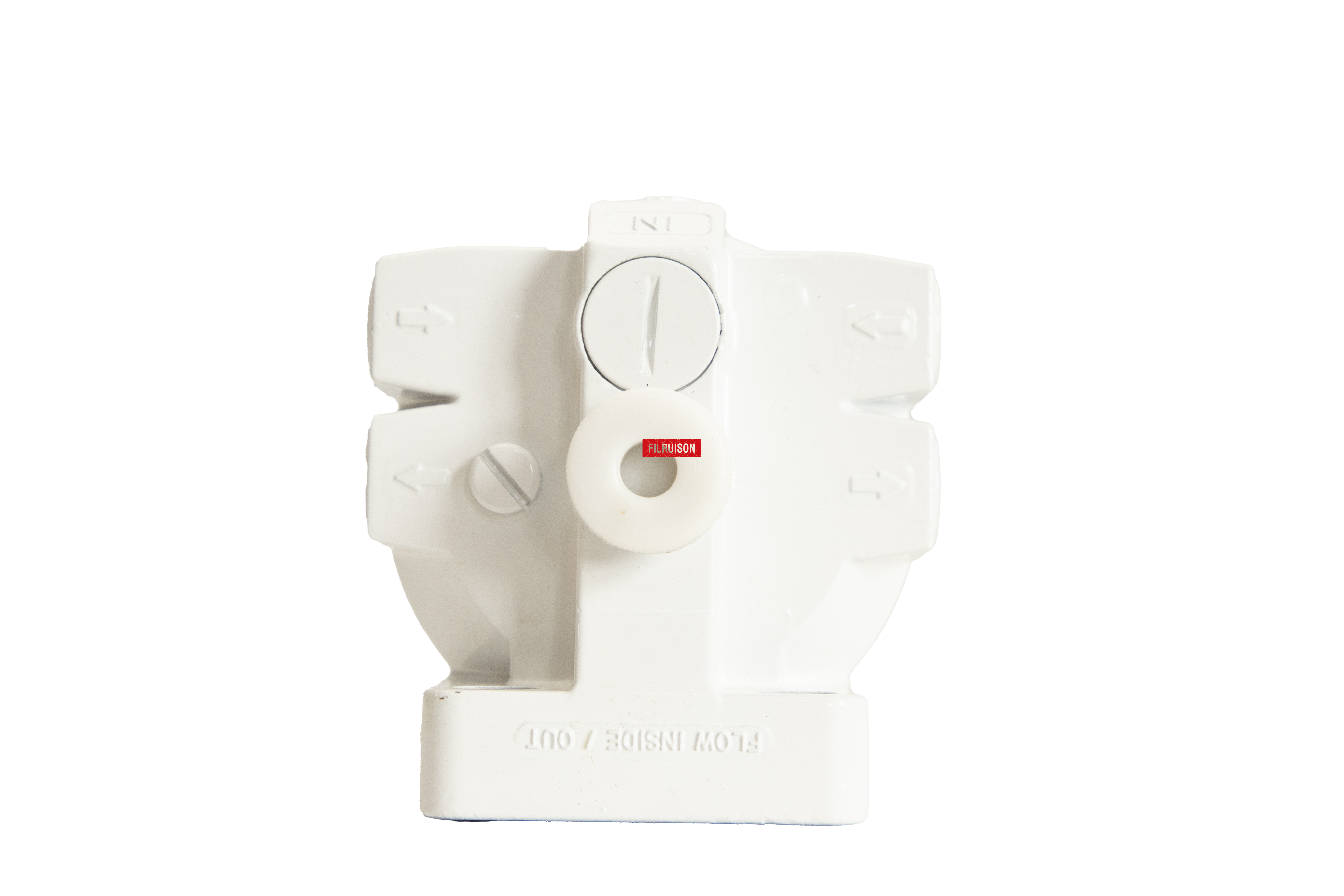
A diesel fuel filter is crucial for protecting the fuel system by preventing debris from entering the engine. The fuel filter ensures that only clean fuel reaches the injectors, which is vital because modern diesel engines rely on precision components. Any contaminant entering the fuel system can cause malfunctions, leading to costly repairs and poor performance.
Fuel filters also maintain fuel efficiency. When a filter becomes clogged, it restricts the flow of fuel to the engine. This can result in rough idling, engine misfires, or even stalling. A clean, well-maintained fuel filter ensures smooth engine performance and optimal fuel consumption.
Contaminants in diesel fuel can include dirt, rust particles, bacteria, and water. These impurities can wreak havoc on your engine if left unchecked. Dirt and rust particles can scratch and damage the delicate surfaces of injectors, leading to performance issues or complete system failure. Water in diesel fuel can cause corrosion, and when mixed with microbial growth, it can lead to fuel system clogging. Therefore, choosing the right fuel filter to remove these contaminants is essential for keeping your engine running efficiently.
Diesel engines often use both primary and secondary fuel filters.
| Filter Type | Location | Function | Particle Size Removed |
|---|---|---|---|
| Primary Filter | Between the fuel tank and the fuel pump | Removes larger particles (10-30 microns) | Dirt, rust, larger debris |
| Secondary Filter | Just before the fuel injectors | Removes finer particles (2-5 microns) | Smaller dirt, microbes |
Primary filters are typically located between the fuel tank and the fuel pump. They capture larger contaminants (10-30 microns), protecting the system from larger particles before the fuel enters the more delicate parts of the engine.
Secondary filters are located just before the injectors and capture finer particles (2-5 microns). These filters provide the last line of defense to ensure only clean fuel reaches the injectors.
In-line fuel filters are commonly used in both modern and older diesel systems. They are installed between the fuel tank and the engine, preventing dirt and rust from entering the system. While they are affordable and easy to install, their filtration capacity is lower than other types, which means they may not provide the best protection for newer diesel engines with high-performance demands.
| Feature | Advantage | Disadvantage |
|---|---|---|
| Cost | Low, affordable | Lower filtration efficiency |
| Installation | Easy to install | Limited protection for modern engines |
Cartridge fuel filters are the most commonly used filters in modern diesel engines. These filters typically consist of a replaceable cartridge inside a metal or plastic housing. They offer better filtration efficiency, typically around 10 microns, making them suitable for preventing damage in newer diesel systems. Cartridge filters are ideal for maintaining high fuel flow and preventing contaminants from reaching the sensitive components of the fuel system.
Spin-on fuel filters are often used in heavy-duty diesel vehicles and trucks. These filters are easy to replace, providing excellent filtration while maintaining good flow rates. The main disadvantage of spin-on filters is their size and cost, making them less ideal for smaller diesel engines or older vehicles. However, they are reliable and commonly used in commercial vehicles.
| Feature | Advantage | Disadvantage |
|---|---|---|
| Ease of Replacement | Quick and simple | Bulkier and more expensive |
| Filtration | Excellent filtration | Larger size, more space required |
These filters are designed specifically to handle the water contamination common in diesel fuel. Water separation is crucial because water can cause rust and corrosion in fuel injectors and pumps. Diesel fuel filters with water separators ensure that any water present in the fuel is removed before it can cause harm to the engine.
| Feature | Benefit | Best for |
|---|---|---|
| Water Separation | Removes water contaminants | Protects injectors and pumps |
| Filtration | Superior filtration | Ideal for diesel engines with high water exposure |
The best diesel fuel filter will have a high filtration efficiency, which is typically measured in micron ratings. The micron rating indicates the size of the particles a filter can trap. For example, a 10-micron filter will capture particles that are 10 microns in size or larger. While larger filters are effective at capturing bigger debris, smaller filters (2-5 microns) are better suited for modern diesel engines, as they capture finer contaminants that can damage sensitive components like injectors.
Micron ratings explained:
2-micron filters: These capture 98% of particles larger than 2 microns, providing the highest level of protection for modern diesel engines with common rail injection systems.
10-micron filters: These are often used as primary filters in diesel engines to capture larger debris. They are suitable for older diesel engines but may not offer sufficient protection for modern engines that require more precise filtration.
Not all diesel fuel filters are the same, and choosing the right filter for your vehicle is crucial for optimal performance. Different engine manufacturers may have specific recommendations for fuel filters based on the engine's design. It’s essential to select a filter that is compatible with your vehicle’s fuel system to ensure proper fuel flow and prevent unnecessary wear on engine components. Always check your vehicle’s manual or consult a professional before selecting a fuel filter.
The lifespan of a diesel fuel filter depends on various factors such as driving conditions, fuel quality, and the filter's design. Typically, filters should be replaced every 10,000 to 15,000 miles or as recommended by the manufacturer. If you notice any symptoms like rough idling, engine misfires, or difficulty starting the engine, it may be time to replace your fuel filter.
Regular maintenance is key to ensuring that your diesel engine runs smoothly. Keep track of your fuel filter’s condition, and replace it before it becomes clogged to avoid engine damage.
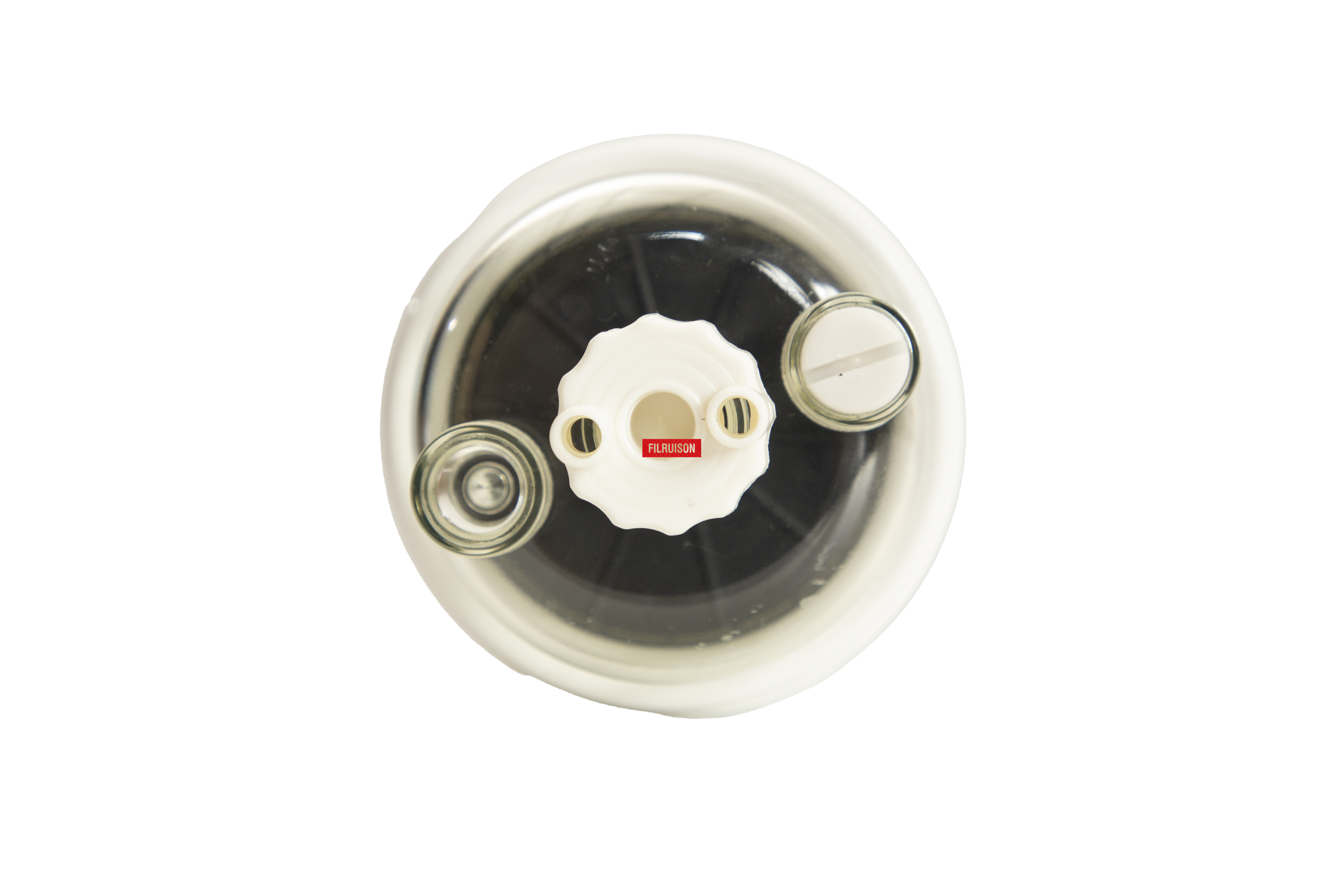
Bosch is a well-known brand in the automotive industry, and its diesel fuel filters are no exception. Known for their high filtration efficiency and durability, Bosch diesel fuel filters are ideal for ensuring smooth engine operation. They are designed to meet the demanding needs of modern diesel engines, offering superior protection against contaminants.
ACDelco’s TP3018 diesel fuel filter is perfect for modern diesel engines that require high-quality water separation. It helps prevent water contamination from damaging the fuel system, ensuring that only clean fuel reaches the engine. Its high-performance design makes it a favorite among diesel vehicle owners looking to enhance engine longevity.
Motorcraft, Ford's original equipment manufacturer (OEM) brand, offers a diesel fuel filter that guarantees a perfect fit for Ford trucks and SUVs. Known for its reliability and efficiency, the Motorcraft fuel filter helps protect diesel engines from contaminants while maintaining optimal performance.
Fleetguard is trusted by high-performance diesel engines worldwide for its superior filtration. The Fleetguard diesel fuel filter is designed to withstand extreme conditions, offering exceptional filtration while reducing maintenance costs. Fleetguard filters provide the best protection for diesel engines in commercial vehicles and heavy-duty equipment.
SYKING’s range of diesel fuel filters is tailored to offer advanced filtration and water separation solutions, making them ideal for high-performance diesel engines. Their filters ensure that only clean fuel reaches the engine, enhancing longevity and efficiency. SYKING products are known for their robust design and extended service intervals, reducing maintenance costs in the long term.
When choosing a fuel filter, consider your engine’s type and performance requirements. Modern common rail diesel engines require finer filtration (down to 2 microns) to ensure the injectors and fuel system remain clean. For older diesel engines, a 10- or 30-micron filter may be sufficient. Always check manufacturer recommendations for the best match.
If your vehicle operates in extreme conditions, such as high temperatures or cold weather, select a fuel filter that can handle these challenges. In colder climates, ensure your filter can prevent fuel gelling, while in hotter climates, a more durable filter may be necessary to handle higher contaminant loads.
Choosing a reputable brand like Bosch, ACDelco, or Fleetguard ensures that you're getting a high-quality fuel filter that meets industry standards. These brands are known for their reliable filtration technology and long-lasting performance, which can ultimately save you money on repairs.
Choosing the best diesel fuel filter is essential for ensuring your engine runs smoothly and efficiently. A high-quality filter can prevent contaminants from damaging your engine, saving you from costly repairs. By selecting a filter that fits your engine’s needs and regularly maintaining it, you can optimize performance. Whether it's a primary or secondary filter, consider the micron rating, compatibility, and brand reputation.
For reliable options, SYKING offers advanced fuel filter and water separation products that provide superior protection for diesel engines. Their products are designed to extend engine life and enhance performance by preventing contaminants from causing harm. Always consult a professional for the best fit for your diesel engine.
A: A diesel fuel filter is essential for removing contaminants such as dirt, water, and microbes from the fuel. It protects the engine's fuel injection system, ensuring smooth performance and preventing costly damage.
A: Diesel fuel filters should typically be replaced every 10,000 to 15,000 miles. However, it’s important to follow the manufacturer's recommendations and replace the filter sooner if performance issues arise.
A: For modern diesel engines, a filter with a micron rating of 2-5 microns is ideal. This ensures finer filtration, protecting sensitive components like injectors and preventing clogging.
A: Yes, a clogged diesel fuel filter restricts fuel flow, which can cause rough idling, engine misfires, and poor acceleration. Regular maintenance helps avoid these issues.
