
Views: 0 Author: Site Editor Publish Time: 2025-12-05 Origin: Site


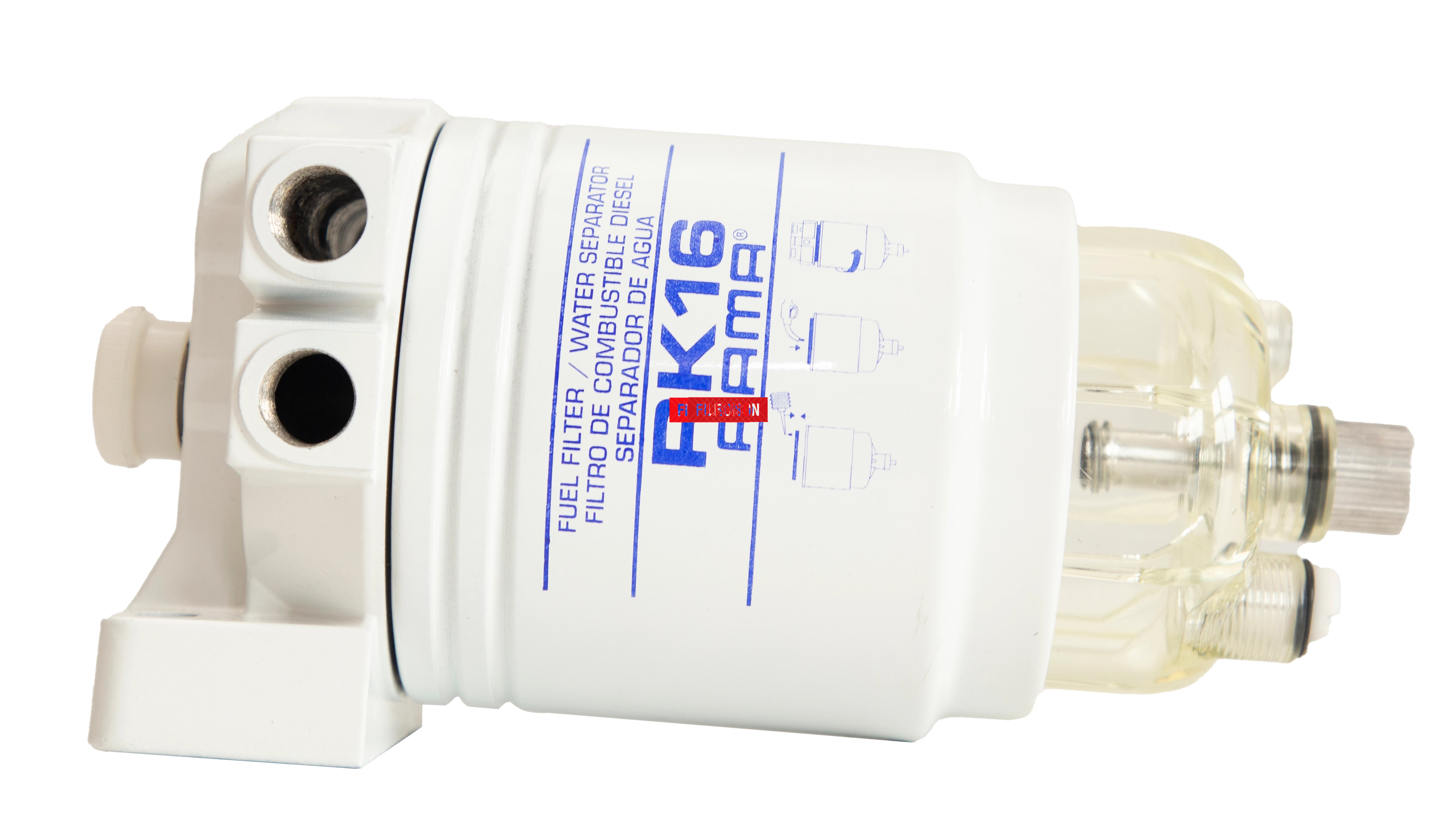
A diesel fuel system's water separator plays a crucial role in ensuring the smooth operation of diesel engines by protecting them from the harmful effects of water contamination in fuel. This article will provide an in-depth analysis of the water separator's function, types, and its importance in maintaining engine efficiency. We will also examine the role of water separator filters, discuss their maintenance, and explain their relationship with common fuel system issues like the water separator warning light.
A water separator is a vital component in a diesel fuel system that removes water and solid contaminants from diesel fuel before it reaches the engine. Diesel fuel, particularly when stored over time, can accumulate water from condensation or poor-quality fuel. The presence of water in diesel fuel can cause serious damage to engine components, including injectors and fuel pumps, leading to costly repairs and decreased engine performance. The water separator ensures the removal of these harmful substances to protect the engine and maintain optimal performance.

The water separator operates in three primary stages to separate water and contaminants from the diesel fuel:
In the first stage, gravity or centrifugal force separates larger water droplets and solid contaminants (up to 30 microns) from the diesel fuel. These particles collect at the bottom of the transparent collector bowl.
In the second stage, smaller water droplets condense on the walls of the bowl and the surface of the filter element. These droplets gain weight and are also directed to the bottom of the collection bowl, where they can be drained away.
In the final stage, a specialized water-repelling filter element traps the remaining water and solid contaminants between 10 to 30 microns. This filtration ensures that the diesel fuel reaching the engine is free from harmful impurities.
The filter element in a water separator is typically made from a combination of super fiber and resin, treated by special methods to repel water. This ensures that water cannot pass through the filter and instead adheres to the media, where it is separated from the diesel fuel.
The collector bowl is a transparent container where the separated water and contaminants are collected. This feature allows for easy monitoring of the water separation process and indicates when the water needs to be drained.
Filter elements are available in different colors to indicate filter grades. For instance, a red end cover signifies a 30-micron filter, while a blue end cover is used for a 10-micron filter. The materials used in the end covers are rust-proof to ensure durability and longevity.
Water separators can be categorized based on their application and design. Some common types include:
-Water Separator Filters for Diesel: These are used specifically in diesel fuel systems to filter out water and solid contaminants before they can damage the engine.
-Water Separator for Air Compressors: These are designed to remove water from the air used in compressors, ensuring that moisture does not interfere with machinery performance.
-Fuel Filter Water Separators: These are specialized filters that combine both fuel filtration and water separation functions, commonly used in diesel engines.
By removing water and contaminants from the fuel, the water separator ensures that only clean fuel enters the engine. This leads to better combustion, improved power output, and reduced engine knock.
Water in diesel fuel can cause rust and corrosion in sensitive engine components, such as fuel injectors and fuel pumps. A water separator prevents this damage, extending the life of these expensive parts.
By filtering out harmful water and contaminants, water separators reduce the likelihood of engine failure and the need for expensive repairs. Proper maintenance of the separator ensures that the engine runs smoothly and efficiently.
One of the most important indicators of a potential issue with the water separator is the water separator warning light. This light typically illuminates on the vehicle's dashboard when the water level in the separator reaches a critical threshold. When this happens, it’s crucial to drain the water from the separator to prevent it from entering the engine. Failing to do so can lead to engine misfires, poor performance, and long-term damage.
Proper maintenance of the water separator is essential for its effective operation. Regularly checking the separator and draining the collected water is vital to keep the system functioning properly. The filter element should be replaced according to the manufacturer’s recommendations to ensure that it continues to remove water and contaminants effectively.
-Water Separator Warning Light On: This indicates that the water separator needs attention.
-Loss of Power or Engine Stalling: If the water separator is not functioning correctly, water may enter the engine, leading to stalling or power loss.
-Visible Water in the Fuel System: Any signs of water in the fuel lines or fuel filter may indicate a problem with the water separator.
A diesel water separator is a critical component in maintaining the health and performance of a diesel engine. By filtering out water and contaminants, it ensures that only clean fuel enters the engine, preventing damage and extending the life of the engine components. Regular maintenance, such as draining the water separator and replacing the filter element, is essential for optimal operation.
Q1: How often should I drain the water separator in my diesel engine?
A1: It is recommended to drain the water separator whenever the warning light comes on or after every fuel fill-up, depending on the environment and fuel quality.
Q2: Can I drive with a faulty water separator?
A2: It’s not advisable to drive with a faulty water separator, as water contamination in the fuel can cause severe engine damage.
Q3: What happens if I don’t replace the water separator filter?
A3: Failing to replace the water separator filter can lead to water and contaminants entering the engine, causing damage to the fuel injectors, pumps, and other critical components.
Q4: Can water separators be used for other vehicles or machinery?
A4: Yes, water separators can be used for various applications, including air compressors, industrial machinery, and even marine engines.
