
Views: 0 Author: Site Editor Publish Time: 2025-09-16 Origin: Site


You need to know the difference between an air compressor filter and regulator, and a lubricator, to keep your compressor system running smoothly. The air compressor filter and regulator remove dirt and control the air pressure before air reaches your tools. A lubricator adds oil to the air, which reduces friction and keeps moving parts working longer. Understanding these parts helps you protect your equipment and get the best performance from your system.
Air compressor filters remove harmful contaminants like water, oil, and solid particles, protecting your tools and ensuring clean air.
Regulators control air pressure, preventing equipment damage and ensuring tools operate efficiently within their optimal pressure range.
Lubricators add a fine mist of oil to reduce friction in pneumatic tools, extending their lifespan and improving performance.
Using an FRL unit combines filtering, regulating, and lubricating functions, simplifying maintenance and enhancing system performance.
Regular maintenance, such as cleaning filters and adjusting lubricators, is crucial for preventing breakdowns and maximizing tool life.
You rely on an air compressor filter and regulator to keep your compressed air system clean and efficient. The filter removes harmful contaminants before they reach your tools or equipment. Common contaminants include water, oil, solid particles, and microorganisms. Each type of contaminant can cause different problems, such as corrosion, reduced product quality, or even equipment failure.
Contaminant Type | Description | Filtration Effectiveness |
|---|---|---|
Water | Liquid or vapor, causes corrosion and microbial growth | Removed by condensation separators and dryers |
Oil | Liquid or aerosol, affects product quality | Coalescing filters remove oil effectively |
Solid Particles | Rust, dirt, debris, can clog systems | Dry filters capture particles; effectiveness varies |
Microorganisms | Bacteria, viruses in moist air | Sterile filters control microbial contamination |
The air compressor filter and regulator system uses different filters to target each contaminant. For example, particulate filters trap dust and rust, while coalescing filters remove oil and water. Activated carbon filters can even remove odors and gases. You need proper filtration to protect your tools and maintain air quality.
The regulator in your air compressor filter and regulator setup controls the air pressure delivered to your tools. This is important because too much pressure can damage equipment, while too little can cause tools to underperform. Most pneumatic tools work best within a pressure range of 0–125 PSI. Precision equipment may need even tighter control.
Tip: Consistent pressure helps your tools last longer and work more efficiently.
A pressure regulator uses a self-regulating mechanism to keep output pressure steady, even if the input pressure changes. This protects your downstream equipment and ensures smooth operation. If you set the pressure correctly, you avoid wasted energy and reduce wear on your compressor.
You can choose from several types of air compressor filter and regulator units. Each type has its own strengths and weaknesses:
Type | Advantages | Disadvantages |
|---|---|---|
Air Filter Regulator | Clean, consistent airflow; combines filtering and regulation | Needs regular maintenance |
Filter Regulators | Ideal for sensitive uses; protects from contamination | More expensive than separate units |
Air-line Filter | Reduces equipment damage and downtime | Filters need periodic replacement |
Particulate filters remove solid matter, with advanced models capturing particles as small as 0.01 microns.
Coalescing filters target oil and water by combining small droplets for easier removal.
Activated carbon filters absorb gases and odors.
You often find filter regulators in industries like food processing, electronics, and labs, where clean air is critical. An airline filter is essential for purifying pressurized air and preventing costly downtime.
Using the right air compressor filter and regulator brings many benefits:
Protects Equipment: Clean air prevents wear and extends the life of pneumatic parts.
Ensures Consistency: Stable pressure and air filtration keep your processes running smoothly.
Saves Energy: Lowering system pressure by just 2 PSI can save about 1% of compressor power.
Reduces Maintenance: Fewer breakdowns mean less downtime and lower repair costs.
Lowers Costs: Energy savings and reduced maintenance often outweigh the cost of quality filter regulator units.
Note: Proper installation and placement matter. If you install filters or regulators incorrectly, you risk increased wear, reduced efficiency, and a shorter lifespan for your equipment. You may also face higher energy bills and more frequent repairs.
Regular maintenance and correct installation of your air compressor filter and regulator can significantly reduce equipment failures and improve system reliability. Always follow manufacturer guidelines for placement and servicing to get the best results from your compressed air system.
You need a lubricator to keep your pneumatic tools and equipment running smoothly. The lubricator introduces a fine mist of oil into the compressed air stream. This oil coats the internal surfaces of your tools, reducing friction and wear. When you use an airline lubricator, the compressed air passes through the device, which adds a calibrated mist of oil to the flow. This mist reaches all moving parts downstream, creating a micro-layer of oil that prevents metal-on-metal contact.
Mechanism | Description |
|---|---|
Oil Mist Delivery | Compressed air flows through the lubricator, picking up a controlled mist of oil. |
Consistent Lubrication | The lubricator maintains a thin layer of oil on tool surfaces, reducing abrasion and wear. |
Adjustable Mist Output | Some airline lubricators allow you to adjust the oil output for different tool requirements. |
Fine Mist Atomization | Advanced models keep the mist fine and even, even when air demand changes. |
Tip: Adjust the mist output on your airline lubricator to match the needs of your tools. Too much oil can cause buildup, while too little leads to increased wear.
You can choose from several types of lubricators for your compressed air system. Each type uses a different method to deliver oil:
Lubrication Method | Description |
|---|---|
Splash Lubrication | A dipper splashes oil onto moving parts as the piston rod moves. |
Pressure Lubrication | An oil pump forces oil through passages to reach all moving parts, often with a filter. |
Differential Pressure | Oil circulates throughout the system, cooled before injection into the air stream. |
Most airline lubricators use oil mist delivery, which works well for general pneumatic tools. Pressure lubrication suits high-speed or heavy-duty equipment. Differential pressure systems handle larger, more complex setups. You should select the type that matches your compressor and tool requirements.
A lubricator plays a vital role in production environments. Regular oiling prevents rust and moisture buildup, which can cause premature wear. The oil coating stops metal surfaces from grinding against each other, reducing friction and extending tool life. When you use an airline lubricator, you help remove deposits and rust, keeping your pneumatic components in top condition.
Effective lubrication lowers friction between moving parts, which reduces power consumption and heat.
Consistent oil delivery helps your tools last longer and perform better.
Both over-lubrication and under-lubrication can harm your equipment, so you need to monitor and adjust your airline lubricator regularly.
A test in an automotive plant showed that mist-type lubricators caused more seal wear than injection-type models. Proper lubrication prevents excessive wear and early failure. Tool manufacturers agree that pneumatic tools work best with steady lubrication.
Note: You should establish a lubrication plan as part of your maintenance routine. Track how often you need to re-lubricate and which lubricant works best for each application. Review storage and handling conditions, and keep records of lubricant types and usage. Involve your maintenance and operations teams to standardize practices and improve your lubrication program. Always follow safety protocols and consider using eco-friendly lubricants to protect the environment.
When you maintain your airline lubricator and follow best practices, you ensure optimal performance and longer service life for your compressor system and pneumatic tools.
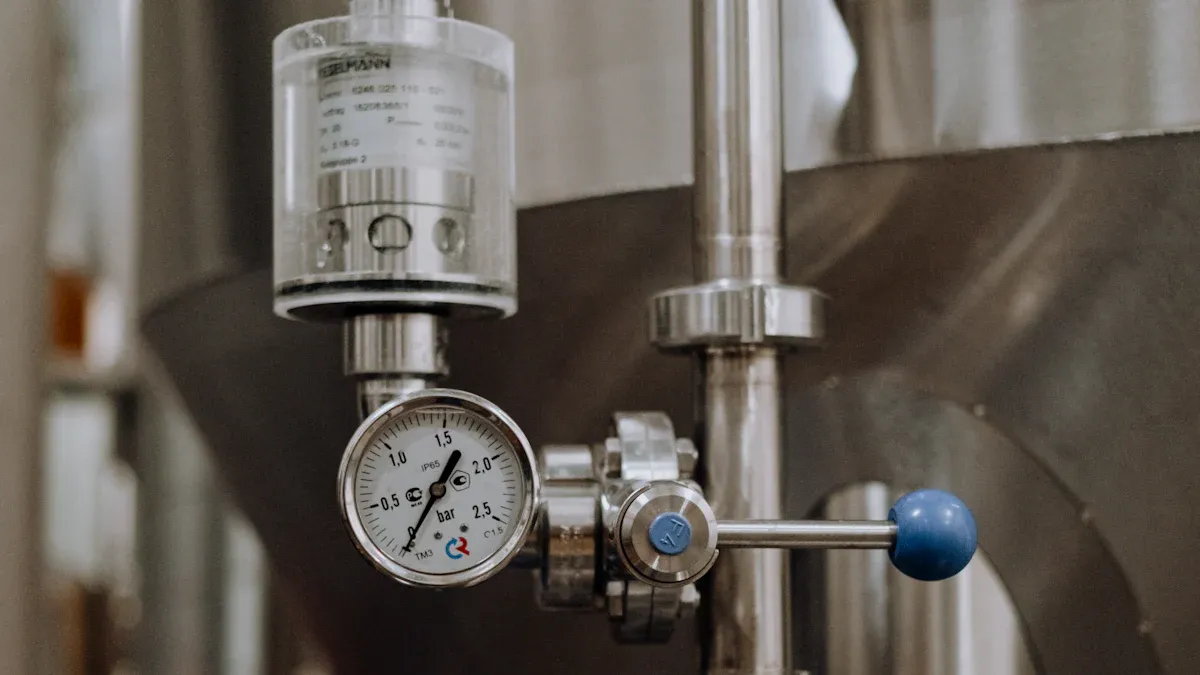
You use an FRL to combine three essential functions in your compressed air system. The FRL system brings together a filter, a regulator, and a lubricator in one assembly. This setup helps you keep your air supply clean, stable, and well-oiled.
The filter traps solid particles and separates liquids, protecting your equipment from damage.
The pressure regulator reduces and controls air pressure, giving you a constant output for reliable operation.
The lubricator adds oil to the airflow, lowering friction and helping your air-powered tools last longer.
When you install an FRL, you simplify maintenance and improve the performance of your compressor. You get all the FRL components in one place, making it easier to monitor and service your system.
You can choose between a 2-stage or 3-stage FRL depending on your needs. The main difference is the presence of a lubricator.
Feature | 2-Stage FRL Unit | 3-Stage FRL Unit |
|---|---|---|
Lubrication | Does not provide lubrication | Includes an additional lubricator |
Application Suitability | Suitable for systems that do not require lubrication | Ideal for systems that need lubrication |
Complexity | Simpler design, easier maintenance | More complex, may require more maintenance |
A 2-stage FRL works well for applications where lubrication is not needed, such as some painting or clean-room tasks. A 3-stage FRL is best for tools that need oil, like impact wrenches or pneumatic drills.
You gain several advantages when you use an FRL system in your workshop or factory.
FRL units help your equipment run efficiently, reliably, and safely.
You prevent common pneumatic failures, reduce maintenance, and improve energy efficiency.
You keep your tools and machines working longer, which increases profits.
FRL units are designed to prevent a series of failures from happening. They handle many typical pneumatic issues which lead to less maintenance, better energy efficiency, safer equipment and higher profits for your business.
You must choose the appropriate frl unit for your application. Consider the environment, airflow capacity, port size, and filtration level. Metal FRLs work best in harsh conditions, while composite materials suit lighter tasks. Always match the FRL capacity with your tool requirements to avoid pressure drops.
FRL components must fit your compressor and the tools you use. Place lubricators downstream for tools that need oil. Filters usually range from 5–40 microns, but you may need finer filtration for sensitive jobs. Automatic drains help in humid settings.
When you select and maintain the right FRL, you ensure clean, pressurized, and lubricated air reaches your equipment. This step is vital for any compressed air system.
When you use an air compressor filter, regulator, and lubricator together, you create a strong foundation for your compressed air system. Each part plays a unique role, but their combined effect is much greater than using them separately. The filter removes water, oil, and solid particles, keeping your air clean and dry. The regulator keeps the air pressure steady, so your tools work at their best. The lubricator adds a fine mist of oil, which helps your tools run smoothly and last longer.
The FRL unit acts as a protective barrier for pneumatic systems, ensuring that only clean, dry, and properly conditioned air reaches sensitive components. This is vital for maintaining air quality and pressure stability, as contaminants and unstable pressure can severely impact performance and reliability.
You get several benefits when you use these components together:
Filters prevent corrosion and wear by removing water and particulates.
Regulators stabilize pressure, ensuring consistent tool operation and reducing energy waste.
Lubricators enhance tool longevity and performance by providing necessary lubrication.
If you skip any part, you risk damaging your tools or losing efficiency. Clean air and steady pressure help you avoid breakdowns and keep your production running smoothly.
Choosing and maintaining the right air compressor filter, regulator, and lubricator is important for your system’s health. You should follow these best practices:
Installation Best Practices: Mount each component vertically and follow the airflow direction. Use vibration isolation and make sure you can reach each part for maintenance.
Commissioning and Adjustment: Set the initial pressure correctly. Adjust the lubricator to match your tool’s needs. Check for leaks after installation.
Routine Maintenance Guidelines: Drain the filter bowl often. Replace filter elements and inspect seals. Maintain the lubricator to prevent oil buildup or dry spots.
Troubleshooting Common Issues: Watch for pressure drops, poor lubrication, or water carryover. Fix these problems quickly to avoid damage.
Safety and Environmental Considerations: Dispose of used materials responsibly. Choose safety features if you work in hazardous environments.
Failing to clean or change air filters will cause energy losses and lower air production. Experts recommend checking your filter after every use. If your filter looks dirty or you have used your compressor for six months without changing it, replace it.
You should also clean your air filters regularly and upgrade them as technology improves. Monitor pressure drops to know when to replace parts. Advanced lubrication techniques include picking the right oil for your tools and using automated systems for steady application.
Maintenance Task | Frequency | Benefit |
|---|---|---|
Clean filter | Weekly/Monthly | Prevents debris buildup |
Replace filter element | Every 6 months | Maintains air quality |
Inspect seals | Monthly | Stops leaks |
Adjust lubricator | As needed | Ensures proper lubrication |
Regular inspections and proper installation help you avoid common mistakes. Keep records of maintenance activities to track performance and spot problems early. When you follow these tips, you maximize tool life and minimize downtime.
You need to understand how each component works to keep your compressed air system reliable. The filter removes contaminants, the regulator controls air pressure, and the lubricator adds oil for smooth operation. Choose components based on your system’s airflow, pressure, and tool requirements. Regular maintenance, such as replacing filter elements and checking oil levels, helps you save money and extend equipment life. Always match your choices to your workplace safety needs and production goals.
You use an air compressor filter and regulator to clean compressed air and control its pressure. The filter removes dirt and moisture. The regulator keeps the air pressure steady for your tools. This combination helps your equipment work better and last longer.
You should check your air compressor filter and regulator every month. Clean or replace the filter when it looks dirty. Inspect the regulator for leaks or pressure drops. Regular maintenance prevents breakdowns and keeps your system running smoothly.
Most pneumatic tools need a lubricator to reduce friction and wear. Some tools, like paint sprayers, work better without oil. Always check your tool’s manual before using a lubricator. Proper lubrication extends tool life and improves performance.
You can install an FRL unit if you follow the manufacturer’s instructions. Make sure you mount each part in the correct order: filter, regulator, then lubricator. Check for leaks after installation. If you feel unsure, ask a professional for help.
Skipping the filter allows dirt, water, and oil to reach your tools. This causes damage, reduces tool life, and lowers air quality. You risk more repairs and higher costs. Always use a filter to protect your equipment.
