
Views: 0 Author: Site Editor Publish Time: 2025-10-15 Origin: Site


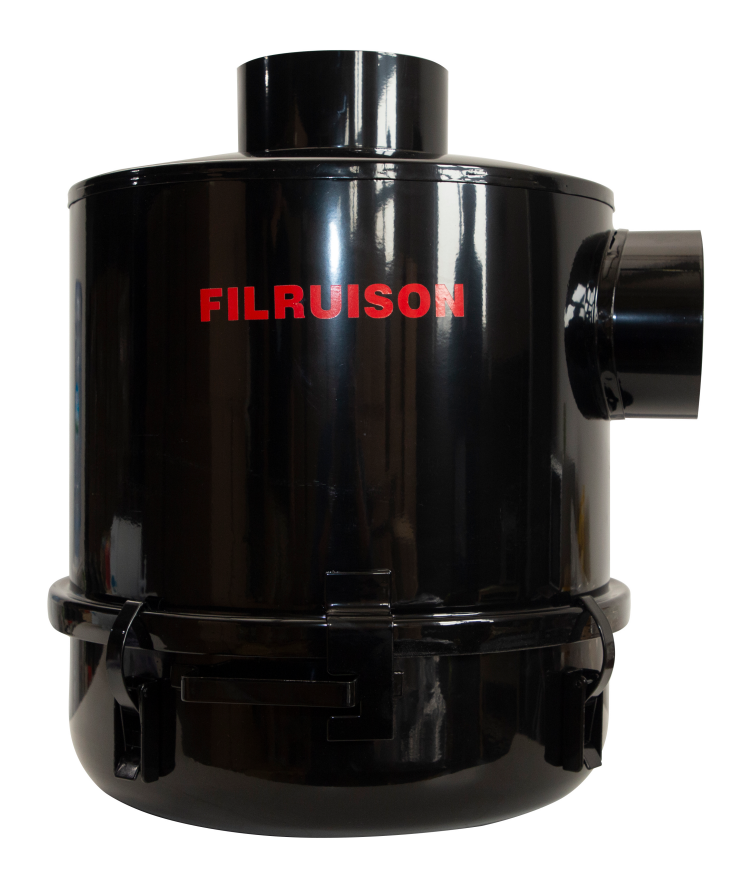
You rely on an air pre-cleaner to keep harmful contaminants away from your engine. This device removes dust and debris before air reaches the main air cleaner. By using an engine air pre-cleaner, you protect your engine and extend the life of your air cleaner. Cleaner air means better performance and fewer repairs.
Air pre-cleaners protect your engine by removing dust and debris before air reaches the main air cleaner.
Using a pre-cleaner can extend the life of your air filter by up to 10 times, reducing maintenance costs.
Pre-cleaners improve engine performance by ensuring cleaner air intake, which helps prevent breakdowns.
These devices are essential in industries like construction and agriculture, where equipment faces harsh, dusty conditions.
Regularly check your pre-cleaner to ensure it functions properly and maintains optimal engine performance.
You use an air pre-cleaner to protect your engine from harmful particles. This device removes a large amount of dirt and debris from the air before it enters the intake system. By doing this, you help your engine air pre-cleaner extend the life of your air cleaner and keep your engine running smoothly.
You prevent contaminants from entering the intake duct.
You reduce the risk of large or heavy particles clogging the air filter too soon.
Many types of pre-cleaners exist for different machines and environments. Some work best in heavy dust, while others suit lighter conditions. You can find pre-cleaners in construction equipment, trucks, and agricultural machinery. Each type of pre-cleaner uses special features to handle specific needs.
Component/Feature | Description |
|---|---|
Strata™ Tubes | Lightweight, self-cleaning, remove up to 99% of contaminants. |
Separator Vane | Separates particles in high dust environments. |
De-Swirl Vane | Straightens airflow to reduce turbulence. |
Serviceable Inlet Vane | Easy to clean and maintain. |
Ejection Port | Removes collected debris from the system. |
Strata Cap | Removes up to 96% of incoming contaminants. |
TopSpin HD | Durable, self-scavenging, extends filter life. |
You benefit from two main scientific principles in most types of pre-cleaners: inertial separation and centrifugal force. When air enters the pre-cleaner, it spins rapidly. Heavier particles cannot follow the tight turns and move outward, away from the airflow. This action uses centrifugal force to push contaminants into a collection chamber. Inertial separation also plays a role. Particles with more mass resist changes in direction, so they leave the airflow and collect in the chamber.
Tip: Cyclone separators use these forces to remove particles larger than 10 micrometers. This process keeps your air cleaner from getting overloaded and helps your engine last longer.
Some pre-cleaners use filtration or wet bath methods, but most rely on spinning air to separate debris. By understanding how these devices work, you can choose the right pre-cleaner for your needs and keep your equipment running at its best.
You find engine air pre-cleaners in many industries where equipment faces tough conditions. Machines often work in places with high levels of dust, dirt, and debris. You see these devices on heavy-duty vehicles and machinery that operate in mining, construction, and agriculture. Logging and waste management also rely on engine air pre-cleaners to keep engines safe from contaminants. Aggregates operations use them to handle dust and protect equipment.
Industry | Description |
|---|---|
Mining | Operates in harsh, dusty environments, making pre-cleaners essential for equipment protection. |
Construction | Equipment is often exposed to debris, necessitating the use of pre-cleaners for engine longevity. |
Agriculture | Protects agricultural machinery from dirt and dust, ensuring optimal performance. |
Logging | Heavy equipment in logging is vulnerable to debris, requiring effective air filtration solutions. |
Waste Management | Ensures uptime and efficiency in waste processing machinery by filtering out harmful particles. |
Aggregates | Similar to other industries, aggregates face dust challenges that pre-cleaners help mitigate. |
Tip: You should install engine air pre-cleaners on equipment that works off-road or in places with mixed debris like mud, snow, leaves, sawdust, and chaff. These devices help your engine handle both wet and dry contaminants.
You need engine air pre-cleaners to protect your engine from damage caused by dust and debris. When you operate equipment in harsh environments, contaminants can clog the air cleaner and reduce engine performance. Pre-cleaners act as a first line of defense, removing most particles before they reach the main filter. This process extends the life of your air cleaner and reduces how often you need to perform maintenance.
Pre-cleaners help your engine run smoothly and reliably. You avoid costly breakdowns and downtime because the engine receives cleaner air. In industries like construction and agriculture, equipment often faces high dust levels. Using an engine air pre-cleaner prevents premature wear and keeps your machinery working longer.
You reduce maintenance costs.
You extend the lifespan of your air cleaner.
You improve engine reliability in tough conditions.
Note: Pre-cleaners serve as an extra layer of protection, making sure your engine gets clean air even in the dustiest environments.
You see inertial separation as the first step in how a pre-cleaner work. When air enters the engine air pre-cleaner, it does not flow straight to the air cleaner. Instead, the design forces the air to change direction quickly. Heavier contaminants, such as large dirt particles and water droplets, cannot follow the sharp turns as easily as clean air. These particles keep moving in their original direction because of their mass. As a result, they separate from the airflow and move toward the outer walls of the pre-cleaner.
Mechanism | Description |
|---|---|
Centrifugal Force | Stationary air spinners rotate the air, pushing dirt particles outward. |
Particle Removal | Dirt moves to an annular tube area, where a purge fan removes it. Clean air flows through the center of the tubes. |
Efficiency | The separator removes 93% of particles 8 micrometers and larger, and 99% of particles 20 micrometers and larger. |
You benefit from this process because it removes most of the larger contaminants before they reach the air cleaner. This step protects your engine from damage and helps the air cleaner last longer.
Note: Inertial separation works best for removing heavy dirt and water droplets. Lighter particles may still pass through, but the main filter will handle those.
Centrifugal force plays a key role in the next step of the pre-cleaning process. After inertial separation, the air continues to spin inside the pre-cleaner. The spinning motion creates a strong outward force. Heavier-than-air particles, such as dust, chaff, snow, and rain, move to the outer edge of the pre-cleaner hood. The design then directs these particles out through a louver or a discharge port.
Air enters the pre-cleaner and spins rapidly.
Centrifugal force pushes heavy dirt and debris outward.
The system expels the dirt through a louver or collects it in a vacuator tube.
Cleaned air moves into the engine intake, leaving only fine particles for the air cleaner to remove.
You can see how this process keeps most contaminants away from your engine. The combination of inertial separation and centrifugal force means that only the smallest particles reach the air cleaner. This method helps your engine run smoothly and reduces the need for frequent maintenance.
Tip: Always check that your pre-cleaner is working properly. Replace the filter to remove any dirt, ensure there are no leaks, and clean the sensors last for the best performance.
You want your equipment to last as long as possible. One of the main benefits of engine air pre-cleaners is their ability to extend air filter life. When you use a pre-cleaner, it removes up to 90% of dirt and contaminants before they reach the air cleaner. This means your main filter does not have to work as hard or get clogged as quickly.
Evidence Description | Quantitative Impact |
|---|---|
Pre-cleaners remove up to 90% of dirt and contaminants before they reach the air filter. | Extends air filter life significantly by reducing the load on the filter. |
You can see the difference in how often you need to replace filters. In commercial vehicles and heavy equipment, pre-cleaners can extend the life of the main filter by up to 10 times. This is especially important in high dust environments, where filters would otherwise need frequent changes.
Benefit | Description |
|---|---|
Reduction in dirt load | Pre-cleaners dramatically reduce the dirt load hitting the main filter. |
Extended filter life | They can extend the life of the main filter by up to 10 times. |
Application in industries | Commonly used in construction, mining, and agricultural machinery. |
Tip: By choosing the right pre-cleaner options, you can keep your air filtration systems running longer and more efficiently.
You rely on your engine to perform every day. Air pre-cleaners help protect the engine by filtering out larger particles and debris before they enter the intake. This proactive step ensures cleaner air reaches the engine, which helps prevent contamination-related issues.
Air pre-cleaners filter out larger particles and debris before they enter the engine, ensuring cleaner air intake.
This proactive filtration helps maintain optimal engine performance, which reduces the likelihood of contamination-related issues.
By preventing contaminants from settling in the engine, air pre-cleaners lower maintenance costs and extend the engine's productive life.
When you use a pre-cleaner, you also help your engine last longer. Some operators report that engines can last up to 12 times longer with pre-cleaners installed. This means fewer breakdowns, less downtime, and a safer work environment.
Benefit | Description |
|---|---|
Increased engine lifespan | Engines can last up to 12 times longer with pre-cleaners. |
Reduced machine downtime | Less frequent maintenance means more operational time. |
Safer work environment | Fewer breakdowns contribute to a safer workplace. |
Note: Customers in industries like construction and machining have noticed improved air quality and better working conditions after installing air pre-cleaners.
You want to spend less time and money on maintenance. Air pre-cleaners help you achieve this by reducing the frequency of filter changes and other maintenance tasks. In high dust environments, pre-cleaners can extend the life of primary filters by a factor of four or five. They remove up to 80% of contaminants, which means you do not need to service your equipment as often.
Evidence Summary | Details |
|---|---|
Impact on Filter Life | Precleaners can extend the life of primary filters by a factor of four or five. |
Contaminant Removal | They remove up to 80% of contaminants, significantly reducing the load on primary filters. |
Maintenance Frequency | This leads to less frequent maintenance interventions, thus optimizing the maintenance schedule. |
Many pre-cleaners are maintenance-free, so you do not need to worry about regular upkeep. Some models have a reservoir for collected contaminants that only needs occasional dumping. Operators have reported annual savings of over $14,000 due to fewer filter changes, improved fuel efficiency, and less downtime.
Benefit | Description |
|---|---|
Decreased filter changes | Operators report fewer filter replacements needed. |
Improved fuel efficiency | Enhanced engine performance leads to better fuel use. |
Annual Savings | $14,272.00 in savings reported annually. |
Tip: By reducing waste from fewer filter replacements and using energy-efficient designs, you also help lower your carbon footprint.
You see how an air pre-cleaner keeps your engine safe by removing most contaminants before they reach the air cleaner. This process extends filter life and protects your equipment. You also benefit from lower maintenance costs and improved engine performance.
Design Type | Cost per CADR ($/CADR) | Initial Cost Comparison |
|---|---|---|
Corsi-Rosenthal Box (CR Box) | 0.18 | Lowest cost per unit clean air |
Wedge Design | 0.21 | Moderate cost per unit clean air |
Single Filter (MERV 13) | 0.29 | Higher cost per unit clean air |
Tip: You can choose an air pre-cleaner for better value and cleaner air. This choice helps your equipment last longer and saves you money.
You use an air pre-cleaner to remove large particles before air reaches the air cleaner. The air cleaner then traps smaller contaminants, protecting your engine from fine dust and debris.
You should inspect your air pre-cleaner regularly, especially in dusty environments. Most models need only occasional cleaning or emptying of the debris reservoir. Always follow your equipment manufacturer’s guidelines.
You can install an air pre-cleaner on most engines, including those in trucks, tractors, and construction equipment. Check compatibility with your engine model and operating environment before choosing a specific type.
You notice better engine performance when you use an air pre-cleaner. Cleaner air means less strain on the engine, fewer breakdowns, and longer equipment life. This helps you save money on repairs and maintenance.
Many air pre-cleaners require little maintenance. Some models have self-cleaning features or easy-to-empty debris reservoirs. You should still check them periodically to ensure optimal performance.
