
Views: 0 Author: Site Editor Publish Time: 2025-09-22 Origin: Site


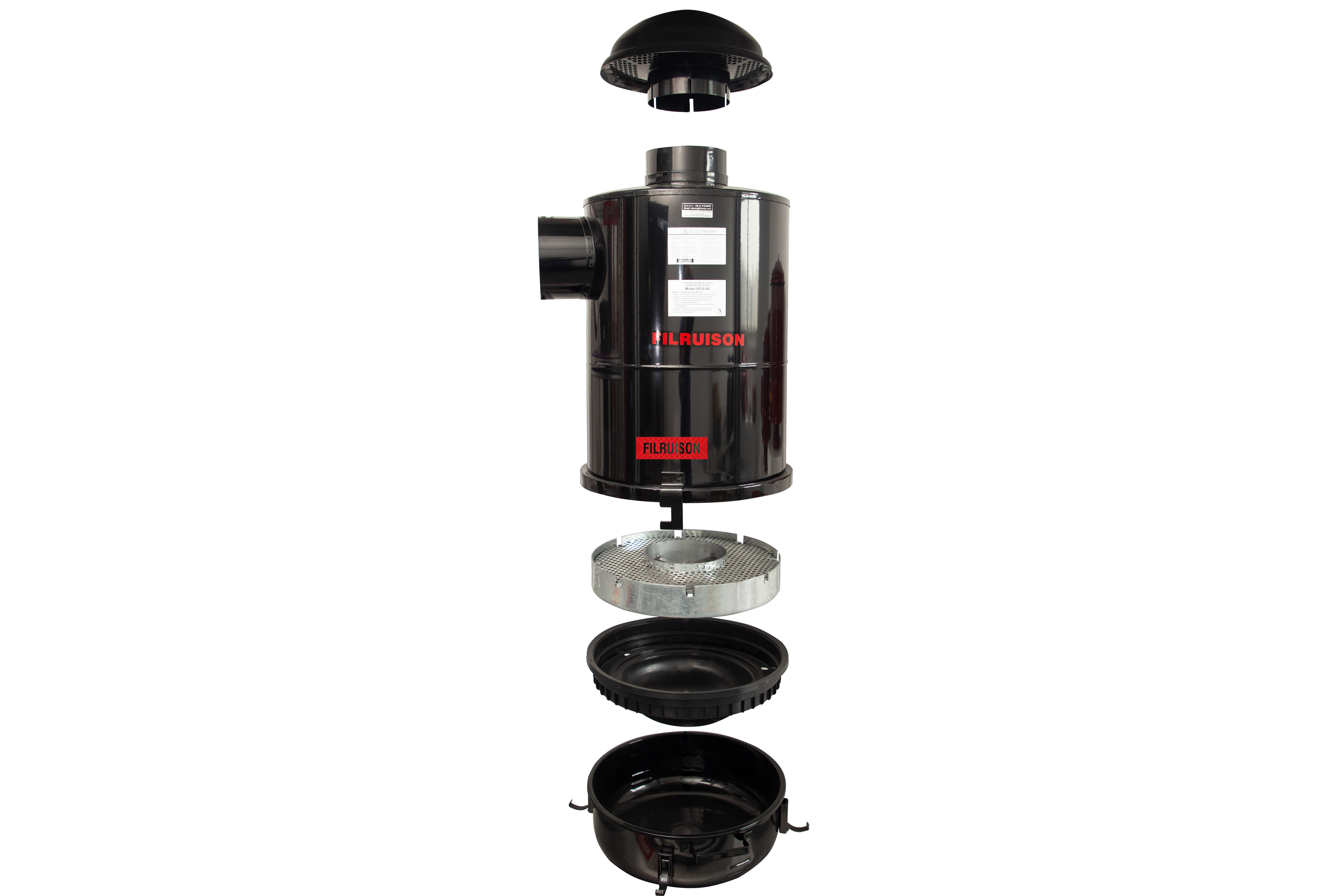
If you want the best results from your oil-bath air filter, reach for SAE 30 non-detergent motor oil. This oil has the right thickness to trap dust and dirt before they reach your engine. It works well because it does not contain additives that could harm the filter or reduce its effectiveness. Using the proper oil keeps your engine safe and running smoothly.
Use SAE 30 non-detergent motor oil for optimal filtration in oil-bath air filters. This oil traps dust effectively and protects your engine.
Regularly check and change the oil in your oil-bath air filter. Look for dark, thick oil or signs of dirt to know when to change it.
Choose the right oil based on your climate and operating conditions. Consider viscosity and whether the oil is synthetic or conventional.
Avoid using detergent oils, used oil, or gear oil in your oil-bath air filter. These can harm filtration and engine performance.
Maintain your oil-bath air filter by cleaning it every 50 hours of use or monthly. This keeps your engine running smoothly and efficiently.
When you use an oil-bath air filter, the type of oil you choose makes a big difference in how well your engine stays protected. Oil in these air filters does more than just sit in a pan. As air enters the filter, it flows downward and sweeps across the oil pool. This movement creates a light mist that helps capture airborne particles. When the air makes a sharp turn, heavier dust and dirt drop into the oil and get trapped. The oil surface forms small waves and foam, which catch even more dust. After this, the air passes through a steel mesh coated with oil, grabbing smaller particles before they reach your engine.
You want your oil-bath air filter to be efficient at filtering air. The right oil helps the filter trap both large and tiny particles. If you use oil that is too thick, the filter may not work as efficiently. Here’s what studies have found about oil viscosity and dust-trapping:
As oil viscosity increases, the dirt holding capacity of air filters usually goes down.
Higher viscosity, especially when oil gets dirty, can cause a bigger pressure drop in the filter.
Solids in the oil make it even thicker, which can slow down air flow and reduce efficiency.
Oil-bath air filters are often more efficient than dry filters. Their design forces air to make several turns, so particles hit oily surfaces and get trapped. About 99% of debris gets caught during the first turn, making these filters very effective for air filtration.
The oil you use in your oil-bath air filter affects more than just filtration. It also impacts your engine’s performance. If you pick the wrong oil, you risk letting dirt slip past the filter. This can lead to more engine wear and lower horsepower. Clean oil is crucial for reducing engine wear, since small particles—especially those under 10 microns—can cause a lot of damage.
Here’s a quick look at how filtration size affects engine wear:
Filtration Size | Wear Reduction |
|---|---|
40 microns | 0% |
30 microns | 50% |
15 microns | 70% |
If you use the wrong oil or let the filter get too dirty, you might notice your engine losing power or using more fuel. Over-oiling can even mess with sensors, causing poor fuel economy. Keeping your oil-bath air filter clean and using the right oil keeps your engine running strong and efficient.
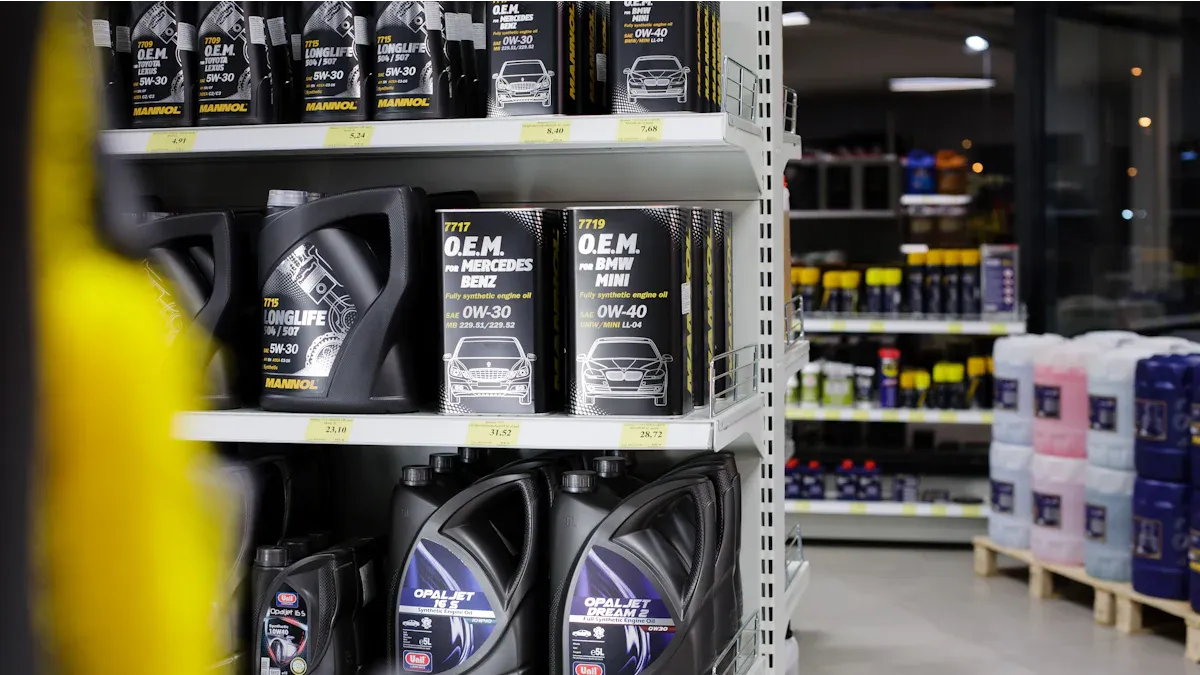
When you look for the best oil for your oil bath filters, you want something that traps dust and keeps your engine safe. Most experts and engine manufacturers suggest using the same oil you put in your engine. This means you can use new engine oil, which is easy to find and works well in most situations. Many people choose SAE 30 non-detergent motor oil because it has the right thickness and does not contain additives that could harm your oil bath air filter.
You can also use synthetic multi-weight oils, like 15W-40. These oils spread evenly across the filter and handle high temperatures without breaking down. Some brands even recommend hydraulic oil as an alternative, especially if you need something that flows well in cold weather.
Here’s a quick list of the most recommended oils for oil bath filters:
SAE 30 non-detergent motor oil
New engine oil (same as your engine uses)
Synthetic multi-weight oils (like 15W-40)
Hydraulic oil (for cold climates)
Tip: Always check your owner’s manual or the filter’s label. Some older engines may have special requirements.
Synthetic oils have become popular for oil bath air filter use. They coat the filter evenly and last longer, even when things get hot. Plant-based oils are another option. They are biodegradable and non-toxic, so they are easier on the environment and make cleaning the filter simpler.
You might wonder if you can use other oils in your oil bath air filter. Some alternatives work in a pinch, but not all oils are safe or effective.
Non-detergent oils: These are best for oil bath filters. They let dust settle at the bottom instead of holding it in the oil.
Synthetic oils: Good for high heat and even coverage.
Plant-based oils: Safe for the environment and easy to clean.
However, you should avoid some oils:
Detergent motor oils: These keep dirt floating in the oil, which can let dust get sucked into your engine. That’s bad news for your oil bath air filter.
Gear oil: This oil gets too thick in cold weather. It can slow down airflow and make your filter less effective.
Used or dirty oil: Never reuse old oil. It already holds dirt and can clog your filter fast.
Regular motor oil in emergencies: You can use it if you have nothing else, but it may not spread evenly and could cause problems over time.
Here’s a table to help you decide:
Oil Type | Good for Oil Bath Filters? | Notes |
|---|---|---|
SAE 30 Non-Detergent | ✔️ | Best choice for most filters |
Synthetic Multi-Weight | ✔️ | Handles heat, spreads evenly |
Hydraulic Oil | ✔️ | Good in cold weather |
Plant-Based Oil | ✔️ | Biodegradable, easy to clean |
Detergent Motor Oil | ❌ | Keeps dirt suspended, not recommended |
Gear Oil | ❌ | Too thick, especially in cold |
Used/Dirty Oil | ❌ | Already contaminated |
Note: Oil bath filters usually clean 90-95% of dust from the air. Using the right oil helps you get the best performance and longest life from your filter.
If you stick with the recommended oils, your oil bath air filter will do its job well. You will keep your engine running strong and avoid costly repairs.
Picking the right oil for your Oil-bath Air Filter can feel tricky, but you can make it simple by focusing on a few key points. First, think about the climate where you use your equipment. If you work in a hot area, oil can get thicker. Thick oil slows down the flow and makes it harder for your Oil-bath Air Filter to trap dust. In cold weather, oil flows better and keeps filtration strong. You want oil that matches your local temperature so your filter works at its best.
Next, look at your operating environment. If you run your engine in dusty fields or near construction sites, you need oil that can handle lots of dirt. The oil’s viscosity matters here too. Thin oil lets air move easily, but it might not catch all the dust. Thick oil grabs more dirt but can block airflow. You need a balance. Always check your equipment’s manual for the recommended oil type for your Oil-bath Air Filter.
Also, pay attention to the filter’s design. Some Oil-bath Air Filters need specific oils to protect their mesh or media. If you use the wrong oil, you risk damaging the filter or letting dirt slip through. The oil’s flow rate and pressure must fit your filter’s needs. When you match the oil to your climate, environment, and filter specs, you keep your engine safe and your Oil-bath Air Filter working hard.
Tip: If you’re unsure, ask your local dealer or mechanic. They know which oil works best for your Oil-bath Air Filter in your area.
Oil labels can look confusing, but you can learn a lot from them. When you shop for oil for your Oil-bath Air Filter, check for these things:
Viscosity rating: Look for numbers like SAE 30. This tells you how thick the oil is.
Detergent or non-detergent: Pick non-detergent oil for your Oil-bath Air Filter. Detergent oils keep dirt floating, which is bad for filtration.
Synthetic or conventional: Synthetic oils last longer and handle heat better. Conventional oils work fine for most Oil-bath Air Filters.
Manufacturer recommendations: Some labels say if the oil is safe for Oil-bath Air Filters. Always follow these notes.
Here’s a quick table to help you read oil labels:
Label Feature | What to Look For | Why It Matters |
|---|---|---|
Viscosity | SAE 30, 15W-40 | Matches climate and filter needs |
Detergent Status | Non-detergent | Keeps dirt out of airflow |
Oil Type | Synthetic or Conventional | Handles heat and dirt |
Filter Compatibility | Oil-bath Air Filter safe | Protects filter and engine |
If you read oil labels carefully, you’ll pick the right oil every time. Your Oil-bath Air Filter will stay clean, and your engine will run strong.
You want your oil bath air cleaner to work its best, so changing the oil regularly is key. Here’s a simple way to do it:
Find the oil bath air cleaner housing on top of your engine.
Remove the cover and set aside any filler tube or breather cap.
Rotate the oil bath air cleaner over a drain pan. Let the old oil pour out slowly.
Hold the housing above the pan for two minutes. This helps all the oil drain, even the stuff stuck to the mesh.
Wipe the rim and outside with a shop towel. This keeps things clean and safe when you handle the unit.
Tip: Always keep the drain pan away from busy areas. You don’t want anyone to slip or spill oil everywhere.
Cleaning your oil bath air cleaner filter keeps your engine breathing easy. Start by gently removing the filter element. Try not to shake it, so you don’t spread dirt. Wipe out the lower bowl to get rid of leftover oil and sludge. Use a degreaser and a stiff brush to scrub all parts. Rinse everything with hot water and let it dry before you put it back together. Some people pour solvent through the filter from top to bottom, changing the solvent until it runs clear.
Note: Never use harsh chemicals or too much water. Stick to manufacturer-recommended cleaners for your oilbath air cleaner.
How often should you service your oil bath air cleaner? Most people check it every 50 hours of engine use or once a month. If you work in dusty places, you might need to clean and change the oil more often. Always look for signs like dirty oil, sludge, or poor engine performance.
Here’s a table of common mistakes and how to avoid them:
Mistake | How to Prevent It |
|---|---|
Overfilling oil | Keep oil below the marking line or under 30mm if no mark |
Improper cleaning/oiling | Use only approved cleaners and oils |
Neglecting seals and housing | Wipe away extra oil before reassembly |
If you follow these steps, your oil bath air cleaner will last longer and protect your engine better.
When you look at oil-bath air filters, you’ll find a mix of strong points and some drawbacks. Let’s break down the pros and cons so you can decide if this filter is right for your engine.
Oil-bath air filters offer several pros that make them a favorite for many engine owners, especially in tough environments. Here’s what you get when you choose this type of filter:
Superior Filtration: Oil-bath air filters can trap over 99% of dirt particles when you keep them clean and use the right oil. This means your engine gets cleaner air, which helps it last longer.
Reliable in Dusty Conditions: If you work in fields, construction, or anywhere with lots of dust, these filters shine. They keep airflow steady, even when loaded with dirt. The oil prevents a hard filter cake from forming, so your engine keeps breathing easy.
Better Airflow and Performance: You might notice more horsepower and quicker throttle response. Oil-bath air filters allow more air to reach your engine compared to some paper filters, especially in modified engines.
Long Service Life: You don’t have to replace these filters as often as paper ones. With regular cleaning and oil changes, they can last for years.
Cost Savings Over Time: While the initial price is higher, you save money in the long run because you don’t need to buy new filters as often.
Here’s a quick table comparing oil-bath air filters to paper filters in dusty environments:
Filter Type | Dust Performance | Maintenance Frequency | Dust Holding Capacity |
|---|---|---|---|
Oil-bath | High, maintains airflow | Low | High |
Paper | Clogs quickly | High | Low |
Note: Many manufacturers, like Honda, use oil-bath air filters in their equipment for a reason. They trust these filters to protect engines in the harshest conditions.
Of course, oil-bath air filters come with their own set of cons. You should know about these before making your choice:
Messy Maintenance: Cleaning and changing the oil can get messy. You need to handle oil, sludge, and sometimes sticky dirt. If you rush or skip steps, you risk letting dirt into your engine.
Higher Upfront Cost: Oil-bath air filters cost more at first than paper filters. You pay more for the filter and sometimes for special oils.
Time and Skill Required: You need to set aside time and use the right supplies. Cleaning and re-oiling takes patience and attention to detail. Using the wrong oil or harsh cleaners can ruin the filter.
Airflow Limitations: While these filters allow good airflow when clean, the oil layer can restrict air if you overfill or let it get too dirty. Paper filters sometimes offer better airflow with advanced designs.
Sensor Issues: If you use too much oil, it can coat sensors like the MAF (Mass Air Flow) sensor. This leads to poor readings and can hurt engine performance.
Not Always Practical in Extreme Dust: In very dusty places, you might need to clean and refill the oil more often. The maintenance can become a hassle compared to just swapping out a paper filter.
Here’s a list of common cons you might face:
More time spent on maintenance
Potential for oil spills and mess
Need for proper cleaning supplies
Risk of damaging the filter with the wrong products
If you want a filter that you can just replace and forget, oil-bath air filters might not be the best fit. But if you value long-term savings and top-notch filtration, the pros and cons are worth weighing.
When you look at the full picture, oil-bath air filters stand out for their reliability and performance, especially in dusty environments. Still, you need to be ready for the extra work and care they require. Think about your needs and how much time you want to spend on maintenance before you decide.
You want your Oil-bath Air Filter to work its best, so knowing when to change the oil is key. Dirty oil can’t trap dust and dirt like fresh oil does. Here are some signs you should look for:
The oil looks dark, thick, or gritty when you check it.
You see sludge or dirt settled at the bottom of the filter bowl.
Your engine starts to lose power or sounds rough.
You notice more smoke from the exhaust.
The oil level drops below the recommended mark.
If you spot any of these, it’s time to change the oil in your Oil-bath Air Filter. Don’t wait for your engine to struggle. Fresh oil keeps your filter working and your engine safe.
Tip: Check your Oil-bath Air Filter every time you change your engine oil. This habit helps you catch problems early.
You can avoid most problems with your Oil-bath Air Filter by following a few smart habits. Here’s what you should do:
Stick to a cleaning schedule. Clean your Oil-bath Air Filter based on how and where you use your engine. Dusty roads mean more frequent checks. Inspect the filter every time you change your engine oil.
Use the right supplies. Always pick cleaning solutions and oils made for Oil-bath Air Filters. Quality products protect your filter and engine.
Let it dry completely. After cleaning, make sure the filter is totally dry before you put it back. Moisture can cause rust or let dirt stick.
Oil evenly, not too much. Pour oil slowly and spread it evenly. Don’t flood the filter—too much oil can block airflow.
Check seals and housing. Look for cracks or worn spots. Clean the housing before you put everything back together.
Don’t over-clean. Only clean your Oil-bath Air Filter when it’s dirty. Too much cleaning can wear out the parts.
Wipe away extra oil. Before you reinstall the filter, wipe off any oil that drips or pools. This step keeps your engine bay clean.
Keeping up with these habits means your Oil-bath Air Filter will last longer and protect your engine better. A little care goes a long way!
You want your oil-bath air filter to protect your engine, so always use SAE 30 non-detergent motor oil. This choice keeps dust out and helps your filter stay self-cleaning. Regular maintenance makes your filter last longer and keeps your engine running strong. Here’s a quick look at the top benefits:
Benefit | Description |
|---|---|
Self-Cleaning Nature | The filter cleans itself while in use, rarely clogging with dust. |
Prevents Engine Damage | Keeps fine dust away from engine parts, reducing wear. |
Easy Maintenance on Long Trips | Lets you clean and reuse the filter during travel. |
Want a simple care routine for your oil-bath air filter?
Check oil level and color often
Clean the bowl and mesh every 6 to 12 months
Watch for black smoke or power loss
Use only recommended oil
Follow your owner’s manual for best results
Stay proactive and stick to these habits. Your oil-bath air filter will keep your engine safe and ready for any adventure.
If you use the wrong oil, your Oil-bath Air Filter may not trap dust well. Dirt can reach your engine and cause damage. Always stick with SAE 30 non-detergent oil for the best protection.
Check your Oil-bath Air Filter every month or after 50 hours of use. If you see dirty oil or lots of dust, change it right away. Dusty conditions mean you should check it more often.
Yes, you can use synthetic oil in your Oil-bath Air Filter. Synthetic oil handles heat well and spreads evenly. Just make sure it is non-detergent and matches your filter’s needs.
You might drive in dusty areas or use your engine often. The Oil-bath Air Filter traps dirt from the air, so it gets dirty quickly. Clean and refill it often to keep your engine safe.
