
Views: 0 Author: Site Editor Publish Time: 2025-09-23 Origin: Site


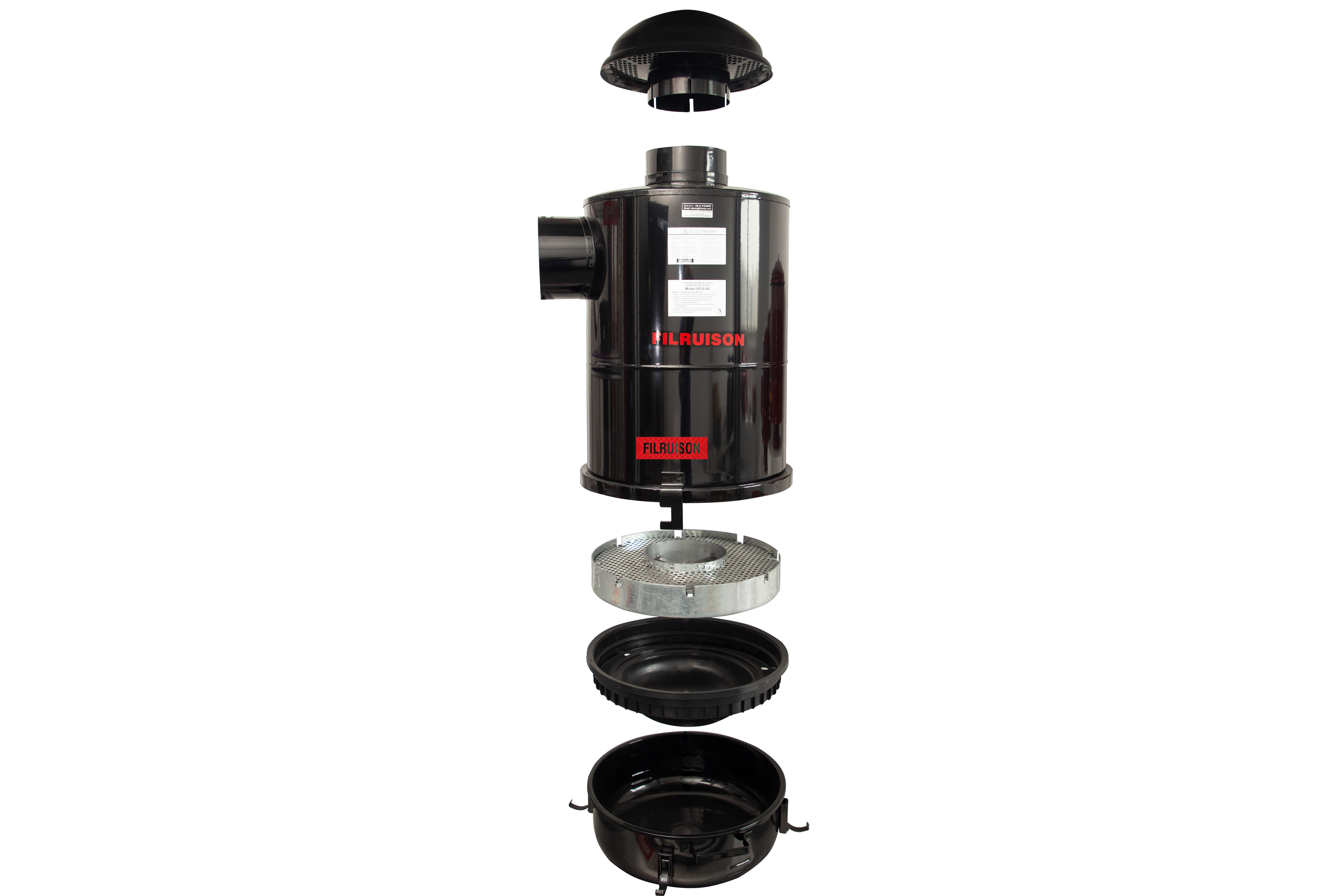
If you’ve ever wondered why you need to soak an air filter in oil, the answer is simple: the oil grabs onto dust and tiny debris before they reach your engine. When you use an oil-bath air filter, the oil creates a sticky barrier that catches even smaller particles. Check out how these filters stack up:
Filter Type | Filtration Efficiency | Particle Size |
|---|---|---|
Dry Filters | >99% for >20 microns | Larger particles |
Oiled Filters | High 90% for larger particles, variable for fine particles | Smaller particles |
You’ll find an oil bath air cleaner works best when you keep up with maintenance and use the right amount of oil.
Soaking an air filter in oil traps dust and debris, protecting your engine from harmful particles.
Oil-bath air filters are reusable and efficient, especially in dusty environments, reducing the need for frequent replacements.
Regular maintenance is crucial; clean your oil-bath filter every 3,000 to 5,000 miles in dusty conditions to ensure optimal performance.
Using the correct oil type and amount is essential; over-oiling can damage your engine and reduce filter efficiency.
Choose the right filter based on your driving conditions; oil-bath filters excel in harsh environments, while paper filters are better for regular driving.

When you use an oil-bath air filter, you start by soaking the filter element in oil. This step is simple but important. The oil coats the filter material, creating a sticky surface. As air enters the filter, it passes through the oil-soaked element. The oil grabs onto dust and dirt, stopping them before they reach your engine. You don’t need fancy tools for this process. You just pour the right amount of oil into the filter housing and make sure the element is fully covered. If you skip this step, the filter won’t work as well.
The magic of an oil bath air cleaner happens when air flows through the filter. As air moves, it carries dust, pollen, and tiny debris. The oil traps these particles, making the filter efficient at filtering air. The sticky oil holds onto even the smallest bits, so your engine gets clean air. The filter relies on air velocity to work best. If air moves too slowly, some particles might slip through. If air moves quickly, the oil catches more dirt. You get better air filtration in dusty environments because oil bath filters don’t clog as fast as dry filters.
Tip: Check your filter often if you drive in dusty areas. A clean, oiled filter keeps your engine safe.
You’ll find several types of air filters in vehicles and equipment. Each type works a little differently:
Filter Type | Description | Mechanism of Operation |
|---|---|---|
Oilbath air cleaner | Uses oil to trap dust and dirt | Air passes through oil-soaked element |
Paper (Cellulose) Filters | Pleated paper, cost-effective | Blocks dust, lasts 1-2 years |
Foam Filters | Oil-wetted polyurethane, great for dust | Traps lots of dust, keeps airflow strong |
Cotton Filters | Oiled cotton gauze, high-performance | Lets in more air, needs cleaning and oiling |
Synthetic Blend Filters | Durable, resists moisture and heat | Captures small particles, lasts longer |
Oil bath air filters stand out because they offer reusable filtration and work well in harsh conditions. Other air filters, like paper or foam, may need more frequent replacement or cleaning. You should pick the filter that matches your engine and environment.
When you look at the pros and cons of an oil-bath air filter, you’ll see why some people swear by them, while others prefer to avoid the mess. Let’s break down what you can expect in terms of performance, maintenance, cost, and how these filters fit different engines.
You want your engine to breathe clean air, and that’s where the oil-bath air filter shines. Here are some of the pros:
Filtration efficiency rates for oil-bath air filters usually range from 95.4% to 98.6% in lab tests. That means you get strong protection against dust and dirt.
The sticky oil grabs even tiny particles, so your engine stays cleaner for longer.
Oil bath air cleaners work especially well in dusty environments. They trap dust using both sticky oil and spinning air, which keeps airflow steady and prevents quick clogging.
Unlike paper filters, which clog up fast and need frequent replacements, oil bath filters keep working longer and don’t need to be swapped out as often.
Note: If you drive on dirt roads or in construction zones, an oilbath air cleaner can be a real lifesaver for your engine.
But there are some cons to consider:
Oil-bath air filters rely on air velocity. If air moves too slowly, some particles might sneak through.
They may not catch every single fine particle, especially if you don’t keep up with maintenance.
Maintenance is where you’ll really notice the pros and cons of oil bath air filters.
Pros:
You can reuse the filter for years, which means less waste and fewer trips to the store.
Cleaning intervals depend on your driving. In dusty or off-road conditions, you should clean the filter every 3,000-5,000 miles. For normal highway driving, you can go 15,000-25,000 miles or more.
You only need to check the filter at oil changes. If the filter looks dark or matted, it’s time for a cleaning.
Cons:
Cleaning can get messy and take time. You’ll need to drain the oil, wash the filter, and refill it with fresh oil.
Over-oiling is a common problem. Too much oil can coat sensors and cause rough idling or poor fuel economy.
If you use the wrong cleaning products or oil, you might damage the filter.
The filter design is bulky, which can make it hard to handle and install.
Here’s a quick look at common maintenance challenges:
Maintenance Challenge | Description |
|---|---|
High Oil Level | Oil can get sucked into the engine, causing smoke and fouled spark plugs. |
Bulky Filter Design | Can retain heat, leading to vapor lock or fuel boiling. |
Over-Oiling | Oil aerosol can coat sensors, hurting performance. |
Improper Cleaning | Harsh chemicals or not drying parts can damage the filter. |
Damaged Components | Check for damaged mesh, cracked bowls, or worn gaskets. |
Reduced Airflow/Contamination | Requires immediate inspection and cleaning. |
Tip: Always use the right oil and follow the manufacturer’s cleaning steps to keep your filter efficient.
Let’s talk about the pros and cons of cost and handling.
Pros:
Oil bath air filters cost more upfront, but you can reuse them for the life of your vehicle. This makes them a smart investment if you plan to keep your car or equipment for a long time.
You save money over time because you don’t have to buy new filters every few months.
Oil bath filters are more sustainable since you’re not throwing away used filters.
Cons:
You’ll need to buy cleaning solutions and oil kits, which adds to the ongoing cost.
Handling used oil can be a hassle. You must drain the oil, pack the filter in a sealed bag, and take it to a recycling center or gas station for proper disposal. Never pour used oil down the drain—it’s bad for the environment.
Here’s a simple step-by-step for handling used oil:
Drain the oil from the filter into a container and let it sit for several hours.
Pack the filter in a leak-proof bag or container and label it as ‘Used Oil Filter’.
Take the filter to a recycling center or gas station for disposal.
Bring used oil to a collection point—never dump it outside.
You want your engine to run smoothly, so airflow matters. Here are the pros and cons for different engines:
Pros:
For regular vehicles and equipment, oil bath air filters provide reliable air filtration and engine protection.
They work best in harsh, dusty environments where other filters clog quickly.
Cons:
Oil-bath air filters can restrict airflow, especially in high-performance or modified engines. This can reduce horsepower and throttle response at higher RPMs.
If you drive a sports car or a vehicle that needs maximum airflow, you might notice a drop in performance.
For most daily drivers, the difference is small, but it’s something to keep in mind if you want every bit of power.
Note: Always match your filter to your engine’s needs. If you need top performance, a less restrictive filter might be better.
When you weigh the pros and cons, you’ll see that an oil bath air filter or oil bath air cleaner is a great choice for tough conditions and long-term use. Just remember, you’ll need to put in a little extra work to keep it running at its best.
You probably see paper filters in most cars and trucks. They’re cheap and easy to replace. You just swap them out every 10,000 to 15,000 miles. Paper filters do a good job blocking dust and dirt, but they clog up fast if you drive in dirty or dusty places. Independent tests show that high-quality paper filters can trap over 99% of dirt particles, especially when new. If you forget to change them, airflow drops and your engine might struggle. Paper filters work best for regular driving and low-dust environments.
Foam and cotton filters offer a different set of benefits. Foam filters trap small particles like sand and dust while letting air flow freely. You can wash and reuse them, which saves money. Cotton filters, like those from K&N, boost airflow and last up to 150,000 miles if you clean and oil them regularly. Here’s a quick look at how these filters stack up:
Filter Type | Advantages | Disadvantages |
|---|---|---|
Foam Filters | Superior dust-trapping, washable, reusable | Needs regular cleaning |
Cotton Filters | High airflow, long lifespan, good filtration | Must be cleaned and oiled often |
Oil-bath Filters | Excellent filtration, reusable, great for older engines | Heavy, messy maintenance, not for modern vehicles |
Foam filters shine in dirty environments and resist moisture, making them popular for dirt bikes and racing. Cotton filters work well for long-term use and high-performance needs, but you need to keep up with cleaning. Some users say foam filters block fine dust better than cotton ones, especially in extreme conditions.
Tip: If you ride off-road or in wet weather, foam filters can protect your engine from dust and water.
Choosing the right filter depends on your vehicle and where you drive. If you use your car for daily commutes, a paper filter is simple and affordable. For high-dust or off-road conditions, foam filters provide strong protection and moisture resistance. Cotton filters are great if you want long-lasting performance and don’t mind cleaning. The oil bath air cleaner stands out in harsh, dusty environments and heavy-duty equipment. You get excellent filtration, but you need to clean and refill the oil often. Oilbath air cleaner works best for older vehicles or farm equipment, not modern cars. Manufacturers design filters to match specific needs, so always check your manual or ask a mechanic.
Note: If you work in agriculture or drive off-road, look for filters that meet safety standards and offer extra protection against dust and chemicals.
Keeping your Oil-bath Air Filter clean helps your engine run smoothly. You should follow these steps for best results:
Remove the air cleaner cover and drain the used oil into a pan. Wipe the upper housing rim clean.
Disconnect any hoses or lines attached to the air cleaner. Cap open engine ports to keep dirt out.
Unfasten the mounting mechanism. Take off the fasteners that hold the air cleaner to the carburetor or manifold.
Lift off the Oil-bath Air Filter assembly. Move slowly to avoid spilling oil.
Separate the upper and lower housing sections. Remove screws to split the air cleaner.
Take out the filter element. Inspect it for damage or wear.
Clean all parts with the recommended solution. Dry everything completely before putting it back together.
You should clean your Oil-bath Air Filter every 3,000 to 5,000 miles if you drive in dusty areas. Look for signs like black smoke from the exhaust, sluggish acceleration, rough idle, or a drop in engine performance. These mean your filter needs attention.
Getting the oil level right in your Oil-bath Air Filter is key. Too much or too little oil can cause problems. Here’s what can happen:
Consequence | Description |
|---|---|
Ineffective Filtration | Air can bypass the filter, letting dirt reach your engine. |
Engine Damage | Dirt may enter the engine, causing wear or damage. |
Maintenance Issues | Not changing oil often enough can lead to filter failure. |
Always use the oil type recommended by your manufacturer. Pour enough oil to cover the filter element, but don’t flood it. Wipe away excess oil from the sealing surface to prevent drips.
Tip: Never over-oil your filter. Too much oil can coat sensors and hurt engine performance.
Avoid these mistakes when caring for your Oil-bath Air Filter:
Over-oiling. This can contaminate sensors. Use even coverage, not too much.
Using the wrong cleaning products. Stick to manufacturer-recommended solutions.
Forgetting to check seals and housing. Inspect rubber edges and housing for damage.
Cleaning too often. Clean only when needed to avoid wearing out the filter.
Not drying parts fully. Make sure everything is dry before reassembly.
Leaving excess oil on sealing surfaces. Wipe it off to prevent drips.
If you notice you’re refueling more often or your engine feels sluggish, check your Oil-bath Air Filter right away. Regular care keeps your engine safe and your filter working its best.
Oil-bath Air Filters give you strong engine protection, especially in dusty places. You get reusable filtration, but you need to handle regular, sometimes messy, cleaning. Think about your vehicle, your driving environment, and how much time you want to spend on maintenance. Always check your manual or talk to a mechanic before choosing a filter.
Reusable filters help cut landfill waste.
Always dispose of used oil and cleaning solutions responsibly.
Follow local rules for automotive chemical disposal.
Oil-bath Air Filters work well, but they can be bulky and messy. Choose what fits your needs best.
You should clean your Oil-bath Air Filter every 3,000 to 5,000 miles if you drive in dusty areas. For normal driving, check it at every oil change. Regular cleaning keeps your engine safe.
Use non-detergent engine oil, usually SAE 30, for your Oil-bath Air Filter. Always check your vehicle manual for the recommended oil type. Using the right oil helps trap dust and protects your engine.
Yes, you can. Overfilling your Oil-bath Air Filter may cause oil to get sucked into the engine. This can lead to smoke, fouled spark plugs, and poor performance. Always fill to the marked level.
An Oil-bath Air Filter protects your engine from dust and dirt. It does not boost horsepower. You get reliable filtration, especially in harsh environments, but it may restrict airflow in high-performance engines.
If you drive in dusty or off-road conditions, an Oil-bath Air Filter works better than a paper filter. You can reuse it and clean it often. Paper filters are easier to replace but clog faster in tough environments.
