
Views: 0 Author: Site Editor Publish Time: 2025-09-22 Origin: Site


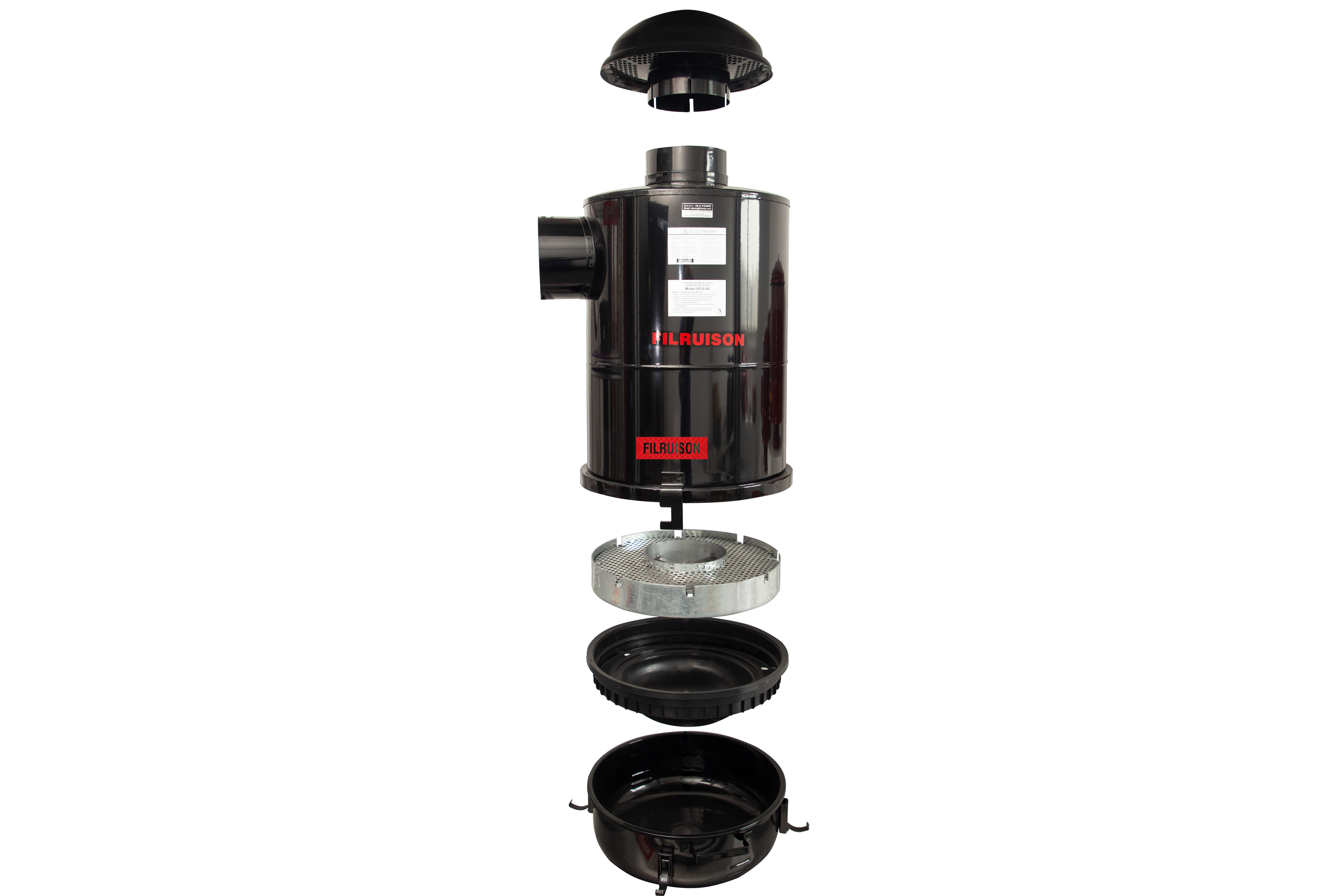
An Oil-bath Air Filter uses a pool of oil to trap dust and dirt before they reach your engine. You’ll see air drawn in, passing through an oil-soaked mesh, which captures particles and keeps your engine healthy. With the push for better engine efficiency and stricter emission rules, you need to weigh the benefits and drawbacks of this filter. Knowing how it works helps you choose the best solution for your needs.
Oil-bath air filters use oil to trap dust and dirt, providing superior filtration for your engine.
These filters are reusable, saving you money over time compared to disposable paper filters.
Regular maintenance is essential; clean the filter every 3,000 to 5,000 miles in dusty conditions.
While effective, oil-bath filters can be messy to clean and may not suit high-performance engines.
Consider your driving environment; oil-bath filters excel in dusty and humid conditions.
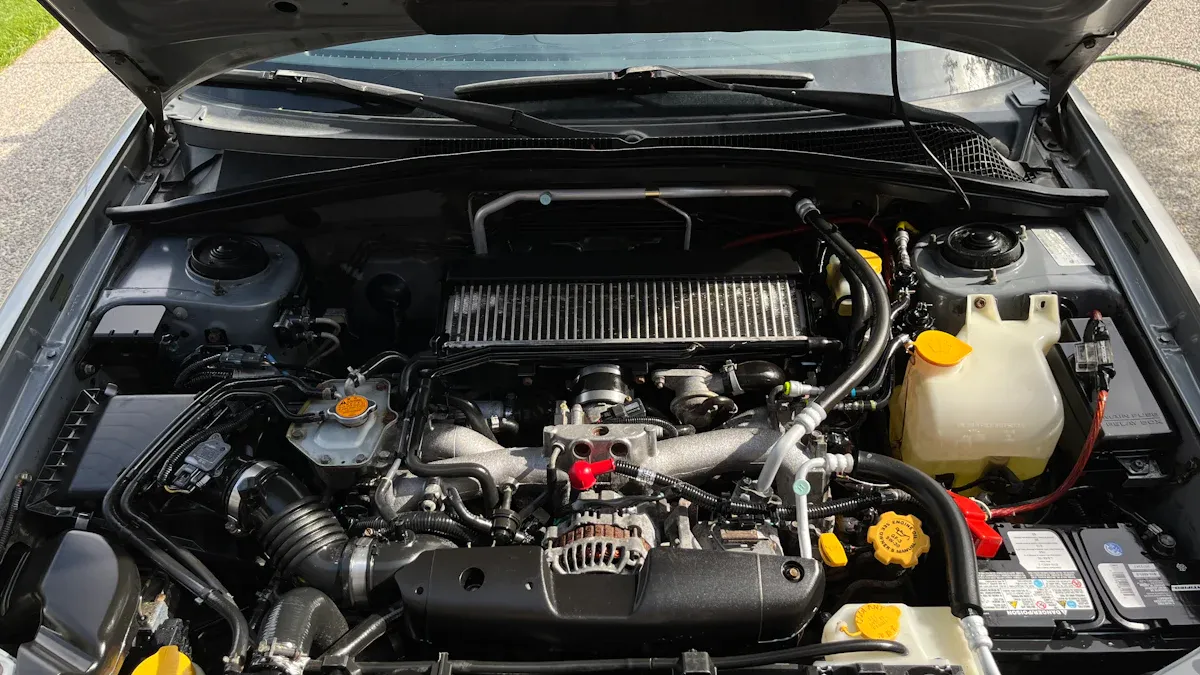
When you look at an oil-bath air filter, you’ll notice it doesn’t work like a regular paper filter. Instead, it uses a clever system that relies on oil and gravity. Here’s what happens: air enters the filter and moves quickly over a pool of oil at the bottom. As the air rushes in, it makes a sharp U-turn. This sudden change in direction causes heavier dust and dirt particles to drop straight into the oil. The cleaner air then travels upward through a mesh or filter element that’s coated with oil. Any smaller particles that didn’t fall into the oil get trapped by the sticky, oil-soaked mesh. This process keeps your engine safe from harmful debris.
Tip: You don’t need to worry about tiny particles sneaking past. The oil-bath air filter’s design makes sure even the smallest bits get stuck before they reach your engine.
Engineering sources explain that this filter works by using a sump filled with oil and a filter media. The air’s path through several U-turns helps separate out the larger particles, while the oil-wetted mesh grabs the rest. You get clean air without needing a disposable filter.
You’ll find a few key parts in every oil-bath air filter:
Oil Sump: This is the reservoir at the bottom that holds the oil. It’s where the first stage of cleaning happens.
Filter Mesh or Element: This part sits above the oil and gets soaked with it. It catches the smaller particles that the oil sump misses.
Housing: The outer shell keeps everything together and directs the airflow.
Air Inlet and Outlet: These guide the dirty air in and the clean air out.
Here’s a quick table to help you remember:
Part | What It Does |
|---|---|
Oil Sump | Traps large particles in oil |
Filter Mesh | Catches fine dust with oil coating |
Housing | Holds all components together |
Air Inlet/Outlet | Directs airflow through the filter |
With these parts working together, the oil bath air filter gives you reliable protection, especially in dusty or tough environments. You’ll see why many people still trust this system for their engines.
You want your engine to breathe clean air, right? That’s where the Oil-bath Air Filter shines. This filter uses a pool of oil and an oil-soaked mesh to trap dust and dirt. Compared to paper filters, it’s up to 70% more efficient at catching tiny particles. You get better protection for your engine, especially if you drive in places with lots of dust or dirt. Many users choose this filter because it keeps engines running smoothly and helps prevent wear.
Note: The Oil-bath Air Filter’s design means even the smallest bits of debris get stuck before they reach your engine. You don’t have to worry about fine dust slipping through.
Field studies show that the Oil-bath Air Filter offers high filtration efficiency. However, in very dusty environments, you may need to clean it more often. Paper filters are easier to swap out, but they don’t always match the Oil-bath Air Filter’s ability to trap fine particles. When you compare the pros and cons, you’ll see that the Oil-bath Air Filter stands out for its superior filtration.
You want your engine to get enough air without working too hard. The Oil-bath Air Filter has a low pressure drop, which means air flows through it easily. Your engine doesn’t have to struggle to pull in air, so you get better performance and fuel efficiency. Some filters can restrict airflow, but the Oil-bath Air Filter keeps things moving smoothly.
Here’s a quick look at how it compares:
Filter Type | Pressure Drop | Airflow Quality |
|---|---|---|
Oil-bath Air Filter | Low | High |
Paper Filter | Medium | Medium |
Foam Filter | Medium | Medium |
You’ll notice the pros and cons of each type, but the Oil-bath Air Filter’s low pressure drop is a big advantage. Your engine gets the air it needs, and you get reliable performance.
If you want a filter that lasts, the Oil-bath Air Filter is a smart choice. You don’t have to replace it every few months. Instead, you clean it and refill the oil when needed. This makes it cost-effective over time. You save money because you reuse the filter instead of buying new ones. The pros of this system include durability and reusability.
You clean the filter instead of tossing it out.
You refill the oil and keep using the same filter.
You spend less on replacements.
The Oil-bath Air Filter works well for people who want a long-term solution. You get reliable filtration and save money. When you look at the pros and cons, you’ll see that the Oil-bath Air Filter offers lasting value.
Tip: If you drive in dusty areas, you may need to clean the filter more often. Still, the Oil-bath Air Filter gives you strong protection and saves you money in the long run.
When you look at the Oil-bath Air Filter, you’ll see some clear cons that might make you think twice before choosing one. Let’s break down the main drawbacks so you can decide if this filter fits your needs.
If you don’t like getting your hands dirty, the Oil-bath Air Filter might not be your favorite. Cleaning it takes time and effort. You have to remove the filter, wash away the old oil and dirt with a special degreaser (never harsh soap), rinse it, let it dry, and then add the right amount of new oil. This process can get messy, especially if you spill oil or don’t have the right tools.
Here’s what users often complain about:
Over-oiling can cause oil to reach the MAF sensor, leading to inaccurate readings and poor engine performance.
High oil levels may cause blue smoke or fouled spark plugs.
The bulky design can trap heat, which sometimes leads to vapor lock or fuel boiling.
In dusty areas, you’ll need to clean and inspect the filter more often, which adds to the workload.
Cleaning an Oil-bath Air Filter is not as simple as swapping out a paper filter. You need to pay attention to every step, or you might end up with engine problems.
Check out how cleaning compares to other filters:
Filter Type | Cleaning Requirements |
|---|---|
Oil-bath | Requires frequent cleaning and re-oiling, which is messy and time-consuming. |
Foam | Easier to clean with longer service intervals. |
Paper | Disposable and requires replacement at intervals without the need for cleaning. |
You also have to think about what happens to the used oil. If you don’t dispose of it properly, it can pollute water and harm wildlife. Just one oil change can contaminate a huge amount of freshwater.
The Oil-bath Air Filter comes with a higher upfront price tag. Manufacturing one costs at least ten times more than making a simple plastic airbox. You’ll notice this when you buy a new filter or replace an old one. The initial investment is higher, but you do get to reuse the filter, which can save money over time.
Here’s a quick look at the cost differences:
Oil-bath filters cost more to make and buy.
Paper filters are cheaper at first but need regular replacement.
Over the long run, you might save money with an Oil-bath Air Filter because you don’t have to keep buying new ones.
Still, the higher starting cost is one of the main cons for many users.
You want your engine to breathe easily, but the Oil-bath Air Filter can sometimes hold it back. This filter works best when air moves at a steady, strong speed. If your engine doesn’t pull in enough air, the filter might not trap dust as well. The bulky design can also take up more space under the hood and may cause heat to build up, which isn’t great for your engine.
Some issues you might face:
The filter needs good air velocity to work at its best.
Bulky filters can make your engine bay hotter, leading to problems like vapor lock.
Over-oiling can block airflow and hurt performance.
These airflow limitations are important cons to consider, especially if you want top performance or have a modern engine.
If you drive a high-performance car or a modern vehicle with sensitive sensors, the Oil-bath Air Filter might not be the right choice. Over-oiling can leave residue on the MAF sensor, causing rough idling and poor fuel economy. In very dusty places, you’ll spend a lot of time cleaning and re-oiling, which can get old fast.
Here’s why experts don’t recommend Oil-bath Air Filters for high-performance engines:
MAF sensor contamination from oil can mess up your engine’s performance.
Maintenance takes time and skill, which not everyone has.
In extreme dust, paper filters are easier to swap out and keep clean.
You need to weigh these cons carefully. If you want a filter that’s easy to maintain and works well with modern engines, you might want to look at other options.
When you compare the oilbath air cleaner to other filter types, you start to see how each option fits different needs. Let’s break down the main differences so you can choose the best filter for your engine.
You probably see paper filters in most modern cars. These filters use a dry, pleated paper element to trap dust and dirt. You get good filtration, but you need to replace them every 12,000 to 15,000 miles. Paper filters cost less up front, but you spend more over time because you keep buying new ones. They work well in dusty conditions and don’t require messy maintenance.
Here’s a quick table to help you compare oil bath air cleaner and paper filters:
Feature | Oilbath Air Cleaner | Paper Filter |
|---|---|---|
Filtration Efficiency | 98% | 99% |
Airflow | Higher airflow | Slightly more restrictive |
Cost | More expensive, reusable | Less expensive, disposable |
Maintenance | Washable, reusable | Replace every 12,000-15,000 miles |
Dusty Conditions | Clogs quicker | Better performance |
You see that paper filters offer great filtration and easy maintenance, but oil bath filters give you better airflow and reusability.
Foam and dry filters give you another choice. Foam filters use layers of porous foam to trap dirt. Dry filters use synthetic or cotton media. You get solid filtration, but airflow can be more restricted than with an oil bath air cleaner.
Oiled filters, like the oil bath filter, capture over 99% of dirt when you maintain them well.
You need to clean and re-oil these filters often.
Dry filters need less maintenance, but you replace them every 10,000 to 15,000 miles.
Oiled filters allow better airflow, which helps engine performance.
Dry filters are easier to use, but they don’t always match the airflow or filtration of oil bath filters.
You notice that oil bath air cleaner and foam filters both need regular care, while dry filters focus on convenience.
When you look at practical differences, you see why some people switch from oil bath air cleaner to modern alternatives.
Oil bath filters can restrict airflow, especially at highway speeds.
Modern dual-stage systems combine a prefilter and a paper filter for better filtration without blocking airflow.
Some high-performance dry filters don’t catch fine dust as well, which can lead to engine wear.
Oilbath air cleaner works best in older engines or in places with lots of dust, but newer filters fit modern engines better.
Tip: If you want easy maintenance and strong filtration, paper or dry filters might suit you. If you drive in dusty areas and want reusable protection, oilbath air cleaner could be your best bet.
You need to think about your driving environment, engine type, and how much time you want to spend on maintenance before you pick a filter.
Keeping your air cleaner in top shape means you get the best air filtration and engine performance. If you want your oil bath air cleaner to last, you need to follow a few simple steps. Let’s break down what you should do.
You should clean your air cleaner based on how and where you drive. Here’s a quick guide:
If you drive on dusty roads, go off-road, or face heavy pollution, clean your air cleaner every 3,000 to 5,000 miles.
For normal highway driving, clean it every 15,000 to 25,000 miles.
In perfect conditions, you might go even longer between cleanings.
Tip: Always check your air cleaner at every oil change. If you see dirt or thick oil, it’s time for a cleaning.
Start by removing the air cleaner from your engine. Pour out the old oil and wash the filter mesh with a filter-safe cleaner. Let everything dry before you put it back together.
Fresh oil keeps your air cleaner working right. Follow these best practices for oil replacement:
Stick to a cleaning schedule that matches your driving conditions.
Use oil and cleaning solutions made for air cleaners.
Make sure the filter is dry before adding new oil.
Pour oil evenly—don’t flood the filter.
Check the seals and housing for cracks or dirt.
Only clean when needed to avoid wearing out the parts.
Wipe away extra oil before reinstalling to protect your engine.
A well-oiled air cleaner means better air filtration and longer engine life.
Watch for these signs that your air cleaner needs attention:
Dirty or thick oil in the sump
Less engine power than usual
Dust building up on the mesh
Leaks or damage to the housing
If you spot any of these, service your air cleaner right away. A clean, well-maintained air cleaner gives you the best air filtration and keeps your engine running strong.
You might wonder if an oil bath air filter is right for you. If you drive in places with a lot of dust, like farms, construction sites, or unpaved roads, this filter can be a great choice. You get strong protection for your engine because the oil traps even the smallest dust particles. People who want to reuse their air filters and save money over time also like this option. If you don’t mind getting your hands a little dirty during maintenance, you’ll find the oil bath air filter easy to manage.
Some users prefer these filters because they work well in older vehicles, tractors, or equipment that faces tough conditions. If you want a filter that lasts and handles dust better than most, you should consider this type.
Tip: If you want a filter that you can clean and reuse, instead of throwing away, the oil bath air filter is a smart pick.
Not all air filters perform the same in every climate. Oil bath air filters shine in places with both dust and moisture. The oil repels water, so you don’t have to worry about humid conditions. Here’s a quick look at how these filters compare to dry filters:
Feature | Oil-Bath Air Filters | Dry Filters |
|---|---|---|
Water Resistance | Oil repels water, suitable for humid conditions | Not suitable for humid conditions |
Particle Capture | Effectively captures finer particles | Less effective in humid environments |
Ideal Conditions | Areas with dust and moisture | Dry and dusty environments |
If you live where it rains a lot or the air feels damp, you’ll get better results with an oil bath air filter. In dry, dusty places, both types work, but oil bath filters still catch more dust.
User preferences also change with the climate. For example, in hot areas with lots of dust, people want filters that hold more dirt and last longer. In humid places, users look for filters that resist mold and moisture. Here’s a table that shows what people want in different climates:
Climate Condition | Key Filter Requirements | User Preferences |
|---|---|---|
High Temperatures | High dust-holding capacity, multi-layered media, heat-resistant materials | Preference for durable, high-capacity filters |
High Humidity | Activated carbon layers, anti-microbial treatment, moisture resistance | Preference for filters that prevent mold and odors |
Cold Weather | Low airflow resistance, materials that withstand sub-zero temperatures | Preference for filters that ensure optimal airflow |
Urban Areas | HEPA-grade or electrostatically charged media, activated carbon for gas removal | Preference for filters that combat urban pollutants |
Seasonal Changes | Regular inspection and seasonal replacement to address varying challenges | Preference for filters that adapt to seasonal needs |
You see that oil bath air filters work best where dust and moisture are both problems. If you want a filter that stands up to tough weather and keeps your engine safe, this type is worth a look.
You’ve seen how the Oil-bath Air Filter stands out for its high filtration efficiency, reusable design, and positive impact on engine performance. Here’s a quick recap:
Pros:
Enhanced airflow
Traps over 99% of dirt
Reusable and eco-friendly
Cons:
Messy maintenance
Higher upfront cost
Needs regular cleaning
If you want strong engine protection and don’t mind extra upkeep, the Oil-bath Air Filter could be a smart choice. Always match your filter to your vehicle and driving environment before you decide.
You should clean your Oil-bath Air Filter every 3,000 to 5,000 miles if you drive in dusty areas. For normal roads, check it at every oil change. Regular cleaning keeps your engine safe and your filter working well.
Most modern vehicles use paper or dry filters. Oil-bath Air Filters work best in older engines, tractors, or equipment. If your car has sensitive sensors, you should stick with the recommended filter type.
You need to use high-quality engine oil in your Oil-bath Air Filter. Always follow your manufacturer’s guidelines. Using the right oil helps trap dust and keeps your filter working at its best.
An Oil-bath Air Filter gives your engine steady airflow and strong protection against dust. You may notice smoother running in tough environments. For high-performance engines, you might not see big gains.
Yes! You can reuse an Oil-bath Air Filter many times. You clean and refill it instead of throwing it away. This makes it a greener choice compared to disposable filters.
