
Views: 0 Author: Site Editor Publish Time: 2025-09-19 Origin: Site


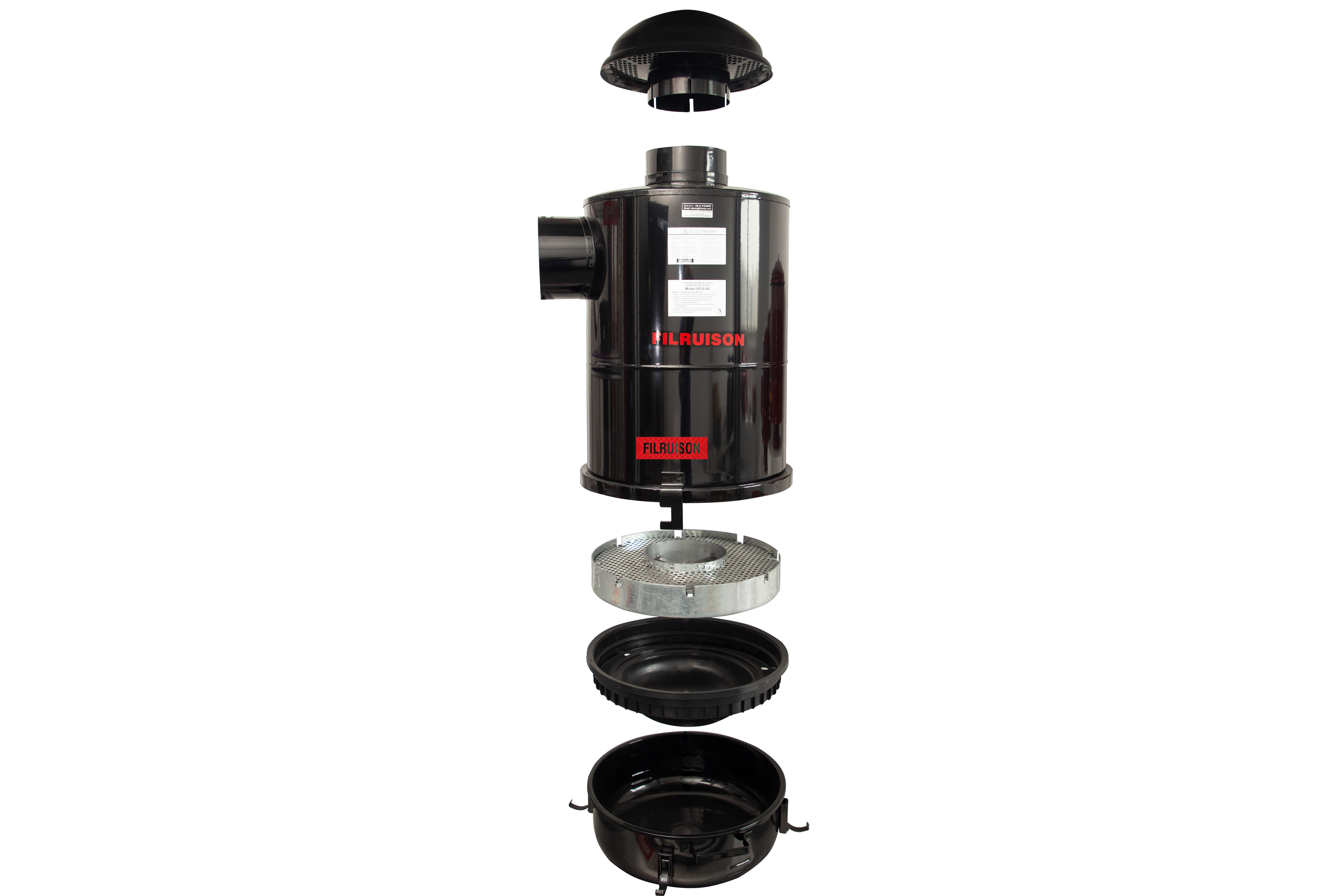
If you want the best air cleaner for your engine, you probably wonder if an Oil-bath Air Filter or a dry filter works better. Here’s a quick look at how these filters stack up:
Feature | Oil-Bath Filters | Dry Air Filters |
|---|---|---|
Filtration Efficiency | 98% for larger particles (> 10 µm) | 99% for smaller particles |
Maintenance Requirements | Easier maintenance in high-dust settings | Minimal maintenance in urban settings |
Performance | Excels in high-dust environments | Consistent performance in low-dust areas |
Cost | Initial higher cost, but reusable | Lower initial cost, but may require kits |
You get strong protection from both air filters, but dry filters edge out oil-bath types in really dusty places. Your choice depends on where you drive and how much time you want to spend on maintenance.
Oil-bath air filters excel in dusty environments, providing strong protection and durability for heavy-duty use.
Dry air filters are easier to maintain and replace, making them ideal for daily driving in urban settings.
Consider your driving conditions when choosing a filter; oil-bath filters suit harsh conditions, while dry filters work well in cleaner air.
Regular maintenance is crucial; oil-bath filters need cleaning every 3,000 to 5,000 miles, while dry filters should be replaced every 10,000 to 15,000 miles.
Think about long-term costs; oil-bath filters may have a higher initial price but save money over time due to their reusability.
When you look at air filters, you notice some big differences between oil-bath air filter and dry filter designs. Oil bath filters use a pool of oil to trap dirt and dust. Dry filters rely on paper or synthetic material to catch particles. You see these differences in how each filter works and how you care for them.
Here’s a quick table to help you compare:
Feature | Dry Air Filters | Oil Bath Filters |
|---|---|---|
Filtration Efficiency | Up to 99% of contaminants | About 98% of contaminants |
Airflow | Less airflow due to restrictive design | Higher airflow with open cotton material |
Maintenance | Replace every 10,000-15,000 miles | Clean and re-oil regularly |
Reusability | Usually not reusable | Washable and reusable |
Typical Use | Drier, dusty climates; performance vehicles | Construction, farm machines, industrial setups |
Risk of Damage | Lower risk to MAF sensor | Can damage MAF sensor if over-oiled |
Oilbath filters stand out because you can wash and reuse them. Dry air filters are easier to swap out, but you toss them when they get dirty. Oil bath filter setups often show up in older tractors, diesel pumps, and heavy equipment. Dry filters are common in cars, trucks, and performance vehicles.
You want the right air cleaner for your needs. If you drive in places with lots of dust or dirt, oil-bath air filter systems give you strong protection and last longer. You see oil bath filters in construction equipment, farm machinery, and industrial generators. These filters handle tough conditions and keep engines safe.
Dry air filters work best for daily driving, especially in cities or suburbs. You find them in factory-style replacements and performance vehicles. If you want less maintenance and quick filter changes, dry filters make life easier. They also suit environments with sandy or silty air.
Tip: If you use your vehicle in harsh, dirty conditions, oil bath filters offer better durability. For regular driving, dry filters save you time and effort.
When you look at how an Oil-bath Air Filter handles air filtration, you see it works by pulling air through a pool of oil. The oil traps dust and dirt before the air reaches your engine. This design makes the filter efficient at filtering air in tough environments. You often find these filters on farm equipment or construction machines where fine dust particles fill the air. The filtering capabilities of an Oil-bath Air Filter keep your engine safe from larger particles. You get about 98% efficiency for particles bigger than 10 microns. If you drive in places with lots of dirt, this filter gives you reliable protection. Cleaning and reusing the filter also helps you save money over time.
Note: Oil-bath Air Filters work best when you need strong defense against heavy dust and dirt. You might spend more time on maintenance, but you get solid filtration for harsh conditions.
Dry filters use layers of paper or synthetic material to catch contaminants. You see these filters in most cars and trucks today. They offer high filtration efficiency, especially for smaller particles. Dry filters can trap particles down to 0.5 microns, which means they block even fine dust particles from reaching your engine. Here’s what makes dry filters stand out:
They capture up to 99.999% of particles as small as 0.5 μm.
You get consistent performance with minimal maintenance.
Dry filters are more efficient at filtering air in urban or suburban settings.
If you want a filter that handles everyday driving and keeps your engine clean, dry filters make a great choice. You don’t need to wash or oil them, so you save time. The filtering capabilities of dry filters help protect your engine from both large and tiny contaminants.
If you use an oil-bath air filter, you know it needs regular attention. This type of air cleaner works well in dusty or dirty environments, but it can get messy. You have to remove the oil bath air cleaner, empty the old oil, and wash out the dirt and sludge. After cleaning, you refill it with fresh oil. This process can take some time, and you might get your hands dirty. You should clean your oilbath air cleaner every 3,000 to 5,000 miles if you drive on dusty roads or off-road. For normal highway driving, you can stretch it to 15,000 to 25,000 miles. Here’s a quick look at cleaning intervals:
Filter Type | Cleaning Frequency (miles) | Driving Conditions |
|---|---|---|
Oil-bath | 3,000 - 5,000 (severe) | Dusty roads, off-road, heavy pollution |
15,000 - 25,000 (normal) | Normal highway driving | |
Dry | 10,000 - 15,000 | General usage |
You need to dispose of the used oil carefully. If you pour it down the drain or on the ground, it can harm the environment. Oil from an oil bath air cleaner can pollute land and water if not handled right. Always use a recycling center or a proper disposal site.
Dry air filters make maintenance easy. You just check the filter every 10,000 to 12,000 miles or about every six months. Most dry filters last up to 15,000 miles before you need a new one. If you drive in harsh conditions, you might need to replace it sooner. Changing a dry filter is simple. You open the air cleaner box, pull out the old filter, and drop in a new one. No mess, no oil, and no special tools. Used dry filters do not contain oil, so you avoid the risk of oil pollution. However, throwing away old filters can still impact the environment, especially if you do not recycle them.
Tip: If you want less mess and faster maintenance, dry air filters are the way to go. If you use your vehicle in tough, dusty places, an oil-bath air filter gives you reusable air filtration but needs more effort.
When you think about airflow, you want your engine to breathe easily. The type of filter you choose makes a big difference. Oil-bath Air Filter designs let air move through more freely because they use open cotton material. You get higher flow rates, which means your engine gets more oxygen. Dry filters, on the other hand, can be very restrictive. They use paper or synthetic layers that block more air, especially when they get dirty.
Here’s how airflow compares between the two:
Oil-bath Air Filter allows for higher airflow, which helps in racing and heavy-duty applications.
Dry filters tend to have lower airflow, especially high-performance models, because their design is more restrictive.
Oiled filters trap dust using sticky oil, while dry filters rely on their micron size to catch particles.
Oil-bath filters need regular cleaning and re-oiling to stay efficient, especially in dusty environments.
If you want maximum airflow, oil-bath filters are less restrictive. You might notice your engine feels more responsive, especially if you drive in tough conditions or need extra power. Dry filters work well for daily driving, but they can become very restrictive as they fill with dirt.
Tip: If you drive in places with lots of dust or need top performance, oil-bath air filters give you better airflow and keep your engine running strong.
Your engine depends on clean air to run efficiently. The filter you pick affects horsepower and fuel efficiency. Oil-bath Air Filter systems have about 80% efficiency. They let more dirt into the engine, which can cause wear and reduce power over time. Dry filters are more efficient, blocking up to 99% of contaminants. This means your engine stays cleaner and performs better.
Dry filters help improve airflow and engine performance because they trap smaller particles.
Oil-bath filters work well in harsh conditions but may allow more dirt into the engine, which can lower horsepower.
Engines with higher horsepower need more airflow (CFM). A larger air cleaner helps boost power.
If you want your engine to last longer and run efficiently, dry filters are a smart choice. Oil-bath Air Filter setups work best for heavy-duty use, but you need to clean them often to keep your engine safe.
Note: Choose a filter that matches your driving style and environment. A clean, efficient filter keeps your engine healthy and saves you money on repairs.
When you look at the price tag, you might notice a big difference between oil-bath and dry air filters. Oil-bath Air Filters usually cost more at the start. You pay extra for the metal housing and the oil system. Dry filters, on the other hand, have a lower upfront price. You can pick one up at almost any auto parts store, and you do not need to buy oil or special tools.
Here’s a quick comparison:
Filter Type | Average Upfront Cost |
|---|---|
Oil-bath Air Filter | $40 - $100+ |
Dry Air Filter | $10 - $40 |
You might feel tempted to go with the cheaper option. If you only care about the first purchase, dry filters win. But there’s more to think about than just the sticker price.
Tip: If you want to save money right away, a dry filter is the way to go. If you plan to keep your vehicle for a long time, keep reading.
Upfront cost is only part of the story. Over time, you will spend more on replacement filters if you choose a dry filter. You need to swap it out every 10,000 to 15,000 miles. That adds up, especially if you drive a lot or use your vehicle in dusty places.
Oil-bath Air Filters cost more at first, but you can clean and reuse them. You just wash out the dirt, refill the oil, and put it back in. This saves you money in the long run. You also help the environment by throwing away fewer filters.
Let’s break it down:
Dry filters: Cheaper to buy, but you replace them often.
Oil-bath Air Filter: Higher initial cost, but you reuse it for years.
If you want to protect your engine and save money over time, oil-bath filters offer better long-term value.
Note: Think about how often you drive and where you go. If you want less hassle and lower long-term costs, oil-bath Air Filters make sense for many drivers.
If you drive in tough places—think construction sites, farms, or off-road trails—you need an air filter that can handle a lot of dirt and dust. Oil-bath Air Filters work well here because you can wash and reuse them. They trap larger particles before they reach your engine, which helps keep your vehicle running strong even when the air is full of debris.
You might also see foam filters in these settings. Foam filters have an oil coating that grabs fine dust and dirt, making them a favorite for off-road vehicles. You can wash and reuse them, so you do not have to buy new filters all the time. Here’s what makes these filters stand out in harsh environments:
Oil-bath Air Filters and foam filters both handle heavy dust and dirt.
You can clean and reuse them, which saves money over time.
They work best when you face frequent dirt exposure.
If you spend a lot of time off-road or in places with poor air quality, you want a filter that can take a beating and still protect your engine.
For most people who drive to work, school, or run errands in the city, a standard dry air filter is the best choice. These filters use paper or synthetic material to catch particles and keep your engine breathing clean air. You will find them in almost every commuter car because they offer a good balance of protection, price, and convenience.
You might also see filters with activated carbon or allergen-reducing layers. These help if you have allergies or drive in areas with a lot of pollution. For daily driving, you want a filter that is easy to replace and does not need much attention. Here are the most common options for city and suburban drivers:
Standard paper or cellulose filters for basic protection and value.
Activated carbon filters for better air quality inside your car.
Dry filters that are easy to swap out and require little maintenance.
You get reliable engine protection and cleaner air in your cabin, which makes your daily drive more comfortable and safe.
When you compare air filters, you want to know the real pros and cons. Let’s break down what you get with each type, so you can pick the best option for your engine and your lifestyle.
You get some strong pros with an oil-bath air filter. Here’s what stands out:
Excellent dust-proof ability. Oil bath filters block dust, sand, and other impurities, which boosts filtration and protects your engine.
Great waterproof performance. These filters work well in humid or wet environments, so you see them on ships, tractors, and heavy machinery.
Easy cleaning and maintenance. You can wash and reuse an oil bath air cleaner, which means lower maintenance costs and a longer service life.
Reusable design. You don’t need to buy new filters often, so you save money and reduce waste.
Handles harsh conditions. Oilbath air cleaner setups keep working even when you drive in extreme dust or dirt.
Here’s a quick table to show the main pros:
Advantage | Description |
|---|---|
Strong dust-proof ability | Blocks dust and sand, improves filtering capabilities and engine protection |
Good waterproof performance | Works well in humid or wet environments |
Easy cleaning | Simple to wash and reuse, lowers maintenance costs |
Tip: If you want a filter that lasts and can handle tough jobs, oil bath air cleaner systems are a solid choice.
You also need to look at the cons before you choose an oil-bath air filter:
Messy maintenance. Cleaning and re-oiling gets messy, especially if you do it often.
Higher maintenance effort. You need to clean the oilbath air cleaner regularly, which takes time and can feel like a chore.
Environmental impact. Used oil and cleaning solutions need careful disposal, or you risk polluting the environment.
Risk of engine damage. If you don’t maintain your oil bath air cleaner properly, oil can get into sensitive parts like the MAF sensor.
Not ideal for everyone. The extra work and mess can be a dealbreaker if you want quick, easy filter changes.
Frequent cleaning and re-oiling can be burdensome, especially in extreme dust conditions.
Improper maintenance may lead to contamination of sensitive engine components, such as the MAF sensor.
Responsible disposal of used cleaning solutions and residual oil is necessary to mitigate environmental impact.
Dry filters come with their own set of pros that make them popular for daily drivers:
Simple replacement. You just pop out the old filter and drop in a new one—no oil, no mess.
Lower upfront cost. Dry filters cost less to buy, so you save money right away.
Better airflow. Dry filters use special fibers that let more air reach your engine, which can help with performance.
Cleaner maintenance. You don’t have to deal with oil or messy cleaning.
Cost-effective over time. Many dry filters, especially synthetic ones, can be cleaned and reused a few times before you need a new one.
“Dry air filters utilize filter fibers to capture contaminants, which allows for better airflow compared to oil-bath filters that depend on oil to trap particles. This design minimizes airflow restriction.”
Dry filters have some cons you should know about:
Lower filtration efficiency. Permanent dry filters usually max out at MERV 8-10, so they don’t catch the smallest particles as well as some other types.
Maintenance matters. If you don’t clean reusable dry filters well, they can lose effectiveness.
Mold and mildew risk. If you don’t let a reusable dry filter dry completely, it can grow mold, which hurts air quality.
Shorter lifespan. Disposable dry filters last 10,000 to 15,000 miles, so you need to replace them more often.
Environmental impact. Throwing away used filters creates more waste compared to reusable oil bath filters.
Here’s a table to show the environmental pros and cons:
Filter Type | Environmental Impact | Maintenance and Longevity |
|---|---|---|
Disposable Dry Filter | Significant due to frequent replacement and material use | Effective for 10,000 to 15,000 miles, not reusable |
Reusable Oil-Bath | Reduces waste and resource consumption over time | Washable and reusable, longer lifespan |
Note: Think about how much time you want to spend on maintenance and how often you want to buy new filters. The pros and cons of each type depend on your driving habits and where you use your vehicle.
When you pick between oil-bath and dry air filters, think about your driving habits and how much time you want to spend on maintenance. Dry filters work best for city or highway driving because they are easy to replace and trap fine dust. Oil-bath filters suit harsh, dusty places but need more care. Always check that your filter fits your vehicle and matches your environment. Your choice should fit your lifestyle and how you use your car.
You should clean your Oil-bath Air Filter every 3,000 to 5,000 miles if you drive in dusty areas. For normal roads, clean it every 15,000 to 25,000 miles. Always check your owner's manual for exact intervals.
Most dry air filters are disposable. Some high-performance dry filters let you clean and reuse them a few times. Always check the filter type before cleaning. If you see damage, replace the filter right away.
An Oil-bath Air Filter helps your engine breathe better in dusty conditions. You get strong airflow and solid protection against dirt. For daily driving, you may not notice a big difference in horsepower or fuel economy.
Yes, Oil-bath Air Filters work great for off-road vehicles. You get reliable filtration in harsh environments. These filters trap dust and sand, keeping your engine safe during tough rides.
If you skip maintenance, dirt builds up and airflow drops. Your engine may lose power or get damaged. Dirty oil can also pollute the environment. Always clean and refill your Oil-bath Air Filter on schedule.
