
Views: 0 Author: Site Editor Publish Time: 2025-10-22 Origin: Site


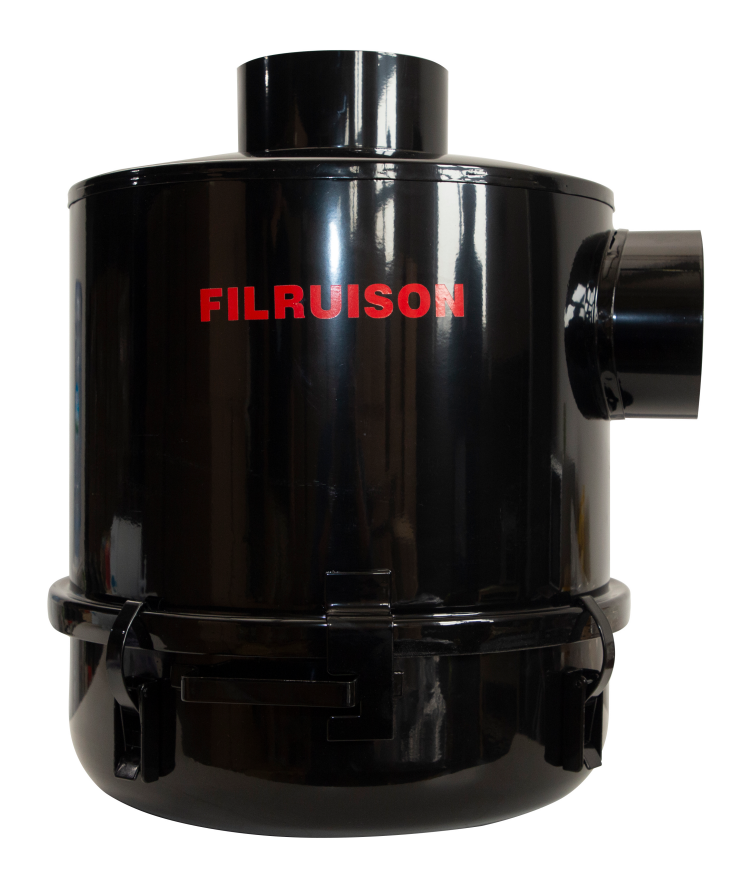
Neglecting air compressor filter replacement puts your equipment and safety at risk. Most experts suggest changing filters every 3–6 months, though some recommend at least once a year depending on usage and air quality. If you ignore this schedule, you may face equipment damage, poor air quality, higher costs, and even safety hazards. Clean filters protect your compressor and help you avoid expensive problems.
Regularly replace air compressor filters every 3–6 months to protect your equipment from damage and ensure efficient operation.
Clean filters improve air quality, which is essential for product integrity and workplace safety, reducing health risks for workers.
Neglecting filter changes can lead to increased energy costs and unexpected breakdowns, resulting in higher repair expenses.
Timely maintenance of filters helps extend the lifespan of your compressor, saving you money on major repairs and replacements.
Keep a maintenance log and set reminders for filter changes to maintain warranty coverage and ensure compliance with industry standards.
You rely on your air compressor to deliver clean, reliable air for your operations. Regular air compressor filter replacement shields your compressor and all downstream equipment from harmful contaminants. These filters trap water, oil, dust, and even micro-organisms before they can enter the system. When you change filters on schedule, you prevent abrasive particles and moisture from causing internal damage.
Here is a quick look at the most common contaminants and how they affect your equipment:
Contaminant Type | Effects on Equipment Performance |
|---|---|
Particulate Contaminants | Causes abrasion, clogging, and wear in downstream equipment. |
Moisture and Water Vapor | Leads to corrosion, equipment damage, and compromised product quality. |
Oil and Oil Vapor | Results in malfunctioning pneumatic equipment and clogged filters. |
Microbiological Contaminants | Poses risks in sterile environments, affecting product safety. |
Chemical Contaminants | Compromises product quality and employee health. |
If you skip air compressor filter replacement, you risk serious equipment damage. Some common problems include:
Overheating, which can damage the compressor.
Dirty filters that cause overheating and add extra wear to moving parts.
Premature wear that reduces compressor performance and shortens its lifespan.
The Air Filter acts as the compressor’s "nose guard." It traps particles as small as 5 microns, preventing scratching of cylinder walls and wear on piston rings.
Dirty filters force your compressor to work harder. This increases energy costs and can lead to expensive repairs. You can avoid these problems by following the recommended replacement interval—every 6 months or 4000 hours of operation. Sticking to this schedule ensures maximum equipment protection and keeps your system running smoothly.
Air compressor filter replacement does more than just protect your equipment—it also extends its lifespan. Clean filters allow smooth airflow into the pump, which reduces friction and energy use. This leads to a longer life for critical pump components.
Here are some key benefits of regular filter changes:
Replacing a clogged filter boosts system efficiency.
It lowers energy costs.
It prevents unnecessary wear on internal components.
You will also see fewer unexpected breakdowns and lower repair bills. The cost of a new filter is small compared to the price of major repairs or a new compressor. Regular maintenance helps you avoid unscheduled downtime and keeps your operations running without interruption.
Evidence | Explanation |
|---|---|
Regular filter changes reduce contaminants | This prevents internal wear and tear, extending equipment lifespan. |
Clogged filters increase energy consumption | Increased workload on the compressor can lead to higher operational costs and potential failures. |
Proactive maintenance reduces unexpected breakdowns | Regular changes help avoid unscheduled downtime, ensuring smooth operations. |
Cost savings from regular maintenance | The cost of filters is minimal compared to potential repair costs from equipment failure. |
Clogged filters can cause energy consumption to increase by up to 20% in compressed air systems.
Regular filter changes ensure compliance with industry standards, which is crucial for sensitive applications.
You should always follow the recommended schedule for air compressor filter replacement. This simple step protects your investment and ensures your compressor delivers reliable performance for years to come.
You depend on a compressed air filter to keep your air supply clean and safe. These filters remove a wide range of contaminants, including water, oil, dust, and micro-organisms. In industrial settings, liquid contaminants pose the greatest risk. As compressed air cools, it forms condensate, which mixes with lubricants from oil-flooded compressors. This mixture not only introduces moisture but also creates a perfect environment for bacteria to grow.
A compressed air filter targets three main types of contaminants:
Dry particulates, such as dirt and dust
Vapors, like water and oil in gas form
Aerosols, which are fine particles suspended in the air
Each type of contaminant requires a specific filtration method. By using the right compressed air filter, you protect your equipment and ensure that only clean air reaches your tools and products.
Tip: Regular filter changes help you avoid the buildup of harmful substances and keep your system running efficiently.
Clean compressed air is essential for maintaining product quality and workplace safety. Poor compressed air quality can lead to serious problems, including product defects and health risks for workers. For example, moisture in the air can cause corrosion on metal surfaces, while oil contamination can damage sensitive electronics or pharmaceuticals.
Issue | Description |
|---|---|
Corrosion of metal surfaces | Small particles can enter the air feed or cause component failure. |
Reduction in system efficiency | Moisture and lubricants can make moving parts stick or behave unpredictably. |
Microbial growth | Air equipment in healthcare settings can become contaminated, posing health risks. |
Industries like pharmaceuticals and electronics require strict air quality standards to prevent contamination. Meeting standards such as ISO 8573-1 helps you protect both your products and your customers. A reliable compressed air filter supports compliance with regulations and shields your workers from harmful compounds.
Note: Investing in proper filtration not only protects your products but also ensures a safer work environment for everyone.
You want your air compressor to run efficiently and avoid wasting energy. Regular filter changes play a key role in keeping your system at peak performance. When you keep filters clean, you reduce the pressure drop across the system. This means your compressor does not have to work as hard to deliver the same amount of air. Even a small increase in pressure drop can lead to higher energy use. For example, a 1-psi pressure drop reduces compressor efficiency by 0.5% of brake horsepower. If you let filters get moderately dirty, your system’s energy use can jump by 5–15%. Over time, this adds up to thousands of dollars in extra utility costs.
The type of filter you use also affects energy consumption. The table below shows how different filters impact energy use and air delivery:
Filter Type | Energy Consumption Change (%) | Clean-Air-Delivery-Rate Improvement | Notes |
|---|---|---|---|
MERV 8 | Baseline | Baseline | |
MERV 13/14 | 2–4% increase during cooling | 2.9–3.8 times increase for PM2.5 | Higher pressure drop can decrease flow in some units. |
MERV 13/14 | 8–13% energy savings in fan-only mode (no fan speed control) | ||
MERV 13/14 | 11–18% increase in fan-only mode (with fan speed control) |
By filtering compressed air with clean filters, you help your compressor deliver more air with less effort. This not only saves energy but also supports a longer equipment life.
Regular filter changes do more than save energy—they also lower your operating costs. If you ignore filter maintenance, you may see a rise in utility bills and repair expenses. For example, a pressure drop of just 3 psi in a 200-HP unit can increase costs by up to $1,460 per year. Not changing a clogged filter can cost about $10 per week, $40 per month, and $520 per year. In large plants, neglecting filter changes can add $2,000 per month to electricity costs. The price of a new filter, usually $150 to $200, is much less than the cost of running your system with dirty filters.
You can spot signs of poor performance caused by clogged filters. Watch for these warning signs:
Operational Sign | Description |
|---|---|
Reduced Engine Performance | The compressor feels sluggish and works harder. |
Increased Fuel Consumption | The system uses more energy, raising costs. |
Visible Dirt or Debris | Dirt on the filter signals it needs changing. |
Discolored Exhaust Smoke | Black or dark smoke may appear. |
Engine Misfires | The compressor may stutter or misfire. |
Warning Lights | Modern systems may alert you to filter issues. |
By filtering compressed air properly and sticking to regular filter changes, you avoid these problems and keep your system running smoothly. You protect your investment and prevent unnecessary expenses.
Tip: Set a reminder for regular filter changes to keep your compressor efficient and avoid costly surprises.
You want your compressed air system to run smoothly every day. Skipping filter changes can put your entire operation at risk. When you let filters get dirty or clogged, your compressor has to work much harder. This extra strain can cause overheating, reduced airflow, and even sudden shutdowns. These problems often lead to expensive repairs and unexpected downtime.
Here are some common issues that happen when you neglect filter maintenance:
Your compressed air system uses more energy because the compressor works harder.
You need more frequent maintenance visits.
The compressor can overheat or shut down, which leads to costly repairs.
A neglected compressed air system can break down at the worst possible time. If you run your equipment during busy seasons or critical projects, a sudden failure can stop production and hurt your bottom line. Regular filter changes help you avoid these risks and keep your operation on track.
Tip: Preventing breakdowns is always easier and cheaper than fixing them after they happen.
You can spot trouble before it leads to a breakdown. Watch for these early warning signs in your compressed air system:
Warning Sign | What It Means |
|---|---|
Reduced airflow | Filters may be clogged or damaged. |
Compressor overheating | The system is working too hard. |
Unusual noises | Parts may be under stress or failing. |
Increased energy bills | The compressor is less efficient. |
More frequent repairs | Filters are not doing their job. |
If you notice any of these signs, check your filters right away. Damaged filters can cause even more problems if left unchecked. Regular inspections and timely filter changes keep your compressed air system reliable and efficient.
Note: Early action saves money and prevents bigger issues down the road. Set a schedule for filter checks to stay ahead of problems.
You need to keep your workplace safe and healthy. Compressed air filters play a major role in meeting air quality standards and protecting everyone on site. Clean compressed air filters remove harmful particles, moisture, and micro-organisms from the air. This helps you avoid health risks and keeps your team safe from airborne hazards.
Many industries must follow strict rules for air purity. You should test air purity for compressors every six months to meet these standards:
Requirement | Frequency |
|---|---|
Testing air purity for compressors | Every six months |
Using compressed air filters gives you several important benefits:
Enhanced workplace health and safety. You filter out dangerous particles and airborne diseases, which supports worker health.
Ensures regulatory compliance. Many workplaces must use proper filtration systems to meet government and industry rules.
Reduced costs. Clean air means less downtime, fewer repairs, and lower employee turnover.
If you skip filter changes, you risk more than just dirty air. You could face safety hazards, higher operating costs, and even fines. Here are some possible consequences:
Consequence | Description |
|---|---|
Safety Hazards | Unregulated compressors can cause equipment failures or accidents that put employees in danger. |
Increased Operating Costs | Poor filtration leads to higher energy use and more repairs. |
Fines and Penalties | Regulatory bodies can fine you for non-compliance. |
Reputation Damage | Failing to meet standards can harm your company’s reputation. |
Many industries require a written scheme of examination for pressure systems. Not following these rules can void your insurance and expose you to legal risks.
You want to protect your investment in compressed air filters and equipment. Most manufacturers require regular filter maintenance to keep your warranty valid. If you skip filter changes or use non-original parts, you may lose your warranty coverage.
Common reasons for denied warranty claims include:
Lack of maintenance, such as dirty or clogged filters.
Missing maintenance documentation.
Use of non-original or unapproved parts.
Improper installation or unregistered systems.
A user once reported a denied warranty claim because they could not prove regular maintenance, even though they kept a log book. Manufacturers often check for proper filter changes before approving any warranty work.
Tip: Always follow the recommended maintenance schedule for compressed air filters. Keep records of every filter change to protect your warranty and avoid costly repairs.
By using compressed air filters and maintaining them properly, you keep your workplace safe, meet legal requirements, and protect your equipment investment.
You gain many advantages when you make regular maintenance and periodic replacement of your air compressor filters a priority. These actions help you achieve optimal system performance, protect your equipment, and create a cleaner work environment.
Cleaner air supports product quality and worker safety.
Lower costs result from fewer breakdowns and less downtime.
Higher efficiency boosts productivity and profitability.
Set reminders or use a maintenance plan to stay on schedule and watch for filter issues. Consistent care keeps your system running strong.
You should perform filter replacements every 3–6 months or after 4000 hours of use. This schedule keeps your air compressor running efficiently and protects your equipment from damage.
If you skip timely filter replacements, your compressor may overheat, lose efficiency, or break down. You also risk poor air quality, which can harm products and workers.
Most air compressor filters are not designed for reuse. You should always replace them with new ones to ensure proper filtration and system performance.
Watch for reduced airflow, higher energy bills, or visible dirt on the filter. Unusual noises or warning lights can also signal that you need a new filter.
No, different compressors use different filters. Always check your manual to find the correct filter for your specific model.
