
Views: 0 Author: Site Editor Publish Time: 2025-11-24 Origin: Site


A diesel fuel filter is vital to your vehicle's engine. It ensures clean fuel flows, protecting it from contaminants. But when it gets clogged, can you clean it, or should it be replaced? In this guide, we’ll explore the importance of maintaining a clean diesel fuel filter, the cleaning process, and when it's time to replace it. You’ll learn how to keep your engine running smoothly and enhance fuel efficiency by properly caring for your fuel filter.
Diesel fuel filters protect your engine by removing contaminants like dirt, water, and rust before they can damage sensitive components like injectors and pumps.
Cleaning a fuel filter is possible, but it depends on the condition of the filter. If clogged or damaged beyond cleaning, replacement is the best option.
Regular cleaning and replacement of the fuel filter helps improve fuel efficiency, reduce engine wear, and extend the lifespan of your vehicle’s engine.
When cleaning, safety precautions are crucial. Always use protective gear, ensure good ventilation, and follow the correct procedure for cleaning.
Using high-quality filters and additives, like those offered by SYKING, can reduce contaminants and extend filter lifespan, ensuring better engine performance.
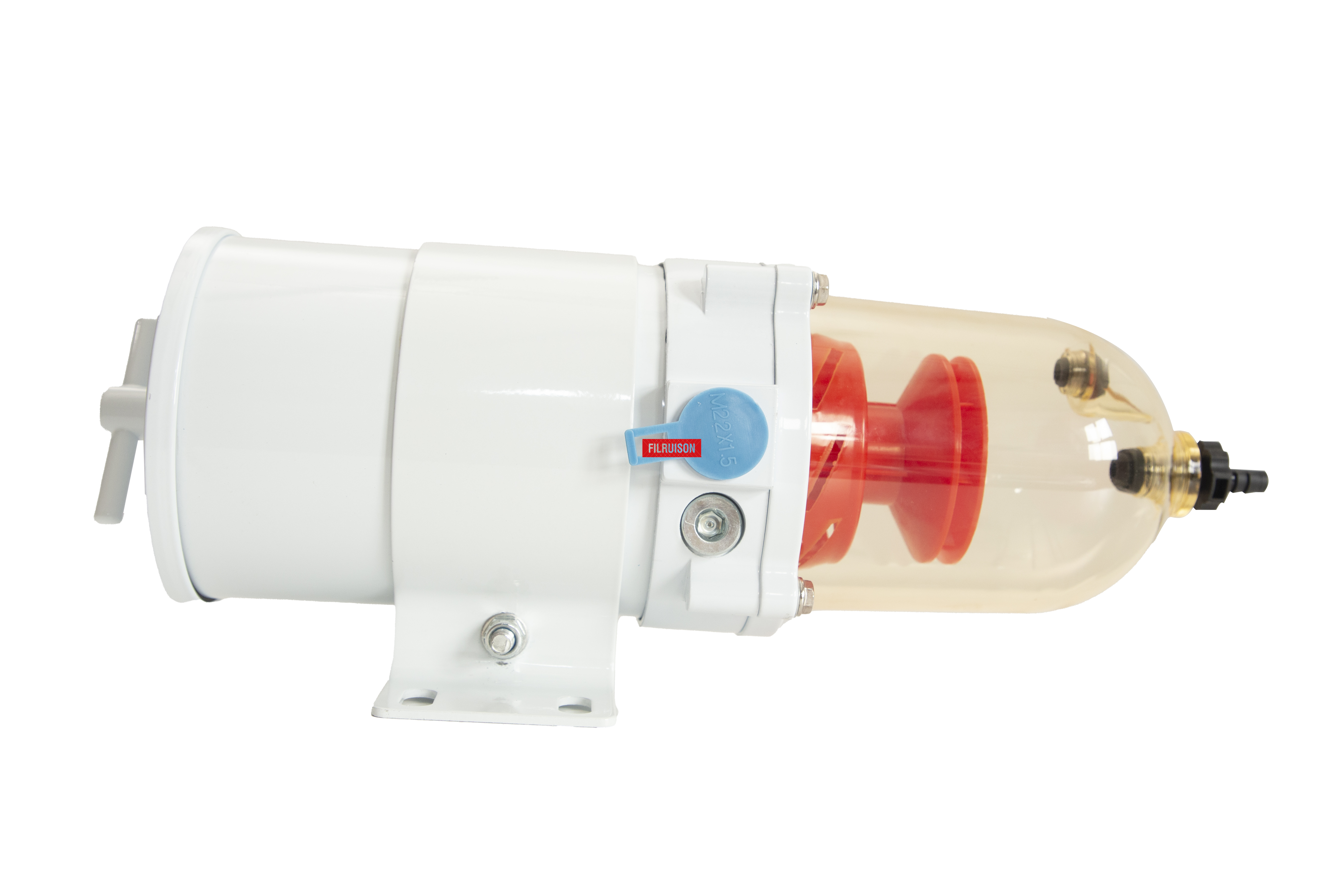
A diesel fuel filter removes contaminants from the diesel fuel before it reaches the engine. These impurities—dirt, rust, water, and even microbial growth—can clog fuel injectors and cause serious engine damage. The primary purpose of a diesel fuel filter is to safeguard the fuel system by preventing harmful particles from damaging sensitive components such as injectors and pumps.
Without a functioning fuel filter, contaminants can cause reduced engine performance, poor fuel economy, and increased wear on the engine. Essentially, the filter acts as a protective barrier between your engine and the contaminants in the fuel.
Diesel fuel can contain several contaminants, including:
| Contaminant | Effect on Fuel System | Impact on Engine |
|---|---|---|
| Dirt and debris | Blocks fuel injectors and fuel lines | Reduces engine performance and efficiency |
| Water | Causes rust, microbial growth, and corrosion | Damages fuel system components |
| Microbial growth | Creates sludge in the fuel system | Leads to clogged filters and damaged injectors |
| Rust and corrosion | Contaminates the fuel with metal particles | Accelerates wear on engine components |
These contaminants, if left unchecked, can severely affect engine performance. The diesel fuel filter's job is to trap these particles before they can do harm.
For optimal engine function, it’s essential that only clean fuel reaches the combustion chamber. Contaminated fuel can affect fuel combustion, causing incomplete combustion and lowering engine efficiency. Clean fuel helps the engine run smoothly, enhancing fuel economy and reducing emissions.
Maintaining a clean diesel fuel filter ensures that your vehicle or equipment operates at its best, promoting longevity and reducing the risk of costly repairs.
Cleaning a diesel fuel filter can extend its life, improve fuel flow, and restore engine performance. Here’s a step-by-step guide on how to clean it properly.
Before starting the cleaning process, ensure your safety by wearing the necessary protective gear:
Gloves: Protect your hands from chemicals and contaminants.
Safety glasses: Keep your eyes safe from splashes and debris.
Proper ventilation: Work in a well-ventilated area to avoid inhaling harmful fumes from fuel.
The first step in cleaning the filter is to find it. Diesel fuel filters are typically located in the engine compartment, but the location can vary depending on your vehicle or equipment. Consult the user manual for precise instructions on locating the filter.
Tip: Some vehicles have multiple filters, so it’s important to confirm which one needs cleaning or replacement.
To clean the diesel fuel filter, you must first remove it. Here's how:
Turn off the engine and ensure it is cool.
Disconnect the fuel lines: Use the necessary tools to disconnect the fuel lines attached to the filter. Be cautious of any residual fuel pressure.
Place a container beneath the filter: This will catch any fuel that leaks during removal.
Once the fuel filter is detached, inspect it for visible contaminants and damage. If the filter is extremely clogged or damaged, consider replacing it.
Now that the filter is removed, you can begin the cleaning process:
Spray fuel system cleaner: Use a dedicated fuel system cleaner like B-12 Chemtool. Spray the cleaner inside the filter to remove dirt and debris.
Tap the filter: Gently tap the filter to dislodge stubborn contaminants.
Repeat the process: If necessary, repeat the spraying and tapping to ensure all debris is removed.
Once the filter is clean, it’s crucial to let it dry completely:
Air dry: Allow the filter to air dry for at least an hour, ensuring no residual moisture remains.
Reinstall the filter: After the filter is dry, reinstall it according to the manufacturer’s instructions. Ensure it is securely fastened to avoid leaks.
Once the filter is back in place, start the engine and observe its performance:
Check for leaks around the filter.
Monitor engine performance: If the filter is properly cleaned, the engine should run smoother with improved fuel efficiency.
While cleaning your diesel fuel filter can help extend its lifespan, there are instances when replacement is the better option.
If the fuel filter is clogged beyond cleaning, you’ll notice the following signs:
Poor acceleration: Difficulty accelerating or sluggish performance.
Engine stalling: The engine may stall unexpectedly, especially under load.
Difficulty starting: If the vehicle struggles to start, it may be due to a clogged filter.
Reduced fuel efficiency: A clogged filter restricts fuel flow, causing the engine to consume more fuel.
If the filter is:
Heavily clogged,
Corroded,
Damaged (cracks, splits, etc.),
Then cleaning is not sufficient, and you should replace it with a new one. A damaged filter may cause more harm than good, even if it’s cleaned.
It’s crucial to follow the manufacturer’s recommended service intervals for fuel filter replacement. While some filters can be cleaned multiple times, others are designed for one-time use. Refer to the user manual for guidance on when to replace the filter based on your vehicle’s age, fuel quality, and operating conditions.
Cleaning a diesel fuel filter is a practical solution for maintaining engine health and performance. Here are some of the key benefits:
| Benefit | Description |
|---|---|
| Cost-Effective Maintenance | Cleaning the filter is cheaper than replacing it. |
| Improved Fuel Efficiency | Clean filters help maintain smooth fuel flow, boosting engine efficiency. |
| Prolonged Engine Life | Prevents engine damage, extending the life of components. |
Cleaning the diesel fuel filter is a cheaper option than replacing it, especially if the filter is still in good condition. Regular cleaning can delay the need for a replacement, saving you money in the long run.
A clean fuel filter helps maintain optimal fuel flow, improving combustion efficiency. This results in better fuel economy and smoother engine performance, which can also reduce long-term operating costs.
By preventing contaminants from entering the engine, a clean fuel filter helps protect critical components like fuel injectors and pumps. This reduces wear and tear and extends the life of your engine.
Make it a habit to check your fuel filter every 10,000 to 15,000 miles (or as recommended by the manufacturer). Regular inspections allow you to spot early signs of contamination or damage.
Using high-quality diesel fuel and fuel system additives can help reduce the buildup of contaminants in the fuel filter. High-quality fuel reduces the chances of dirt, water, and other impurities entering the engine.
If your fuel filter is hard to reach or you’re unsure about cleaning or replacement, consult a professional mechanic. They have the tools and expertise to ensure your fuel system is maintained correctly.
A clean diesel fuel filter is essential for maintaining optimal engine performance and fuel efficiency. Regular cleaning and timely replacement prevent costly repairs and ensure smooth engine operation. By following the manufacturer's recommendations and using quality fuel and additives, you can extend the life of your diesel fuel filter and keep your vehicle in peak condition. Regular fuel filter maintenance, whether cleaning or replacement, is a cost-effective way to avoid larger, expensive issues.
If you're looking for high-quality diesel fuel filters, SYKING offers an excellent range of products designed to ensure efficient engine performance. Their SYKING Diesel Fuel Filters are known for durability and superior filtration, effectively removing contaminants and enhancing engine operation. Choose SYKING for reliable, long-lasting protection for your fuel system.
A: Yes, you can clean a diesel fuel filter, but it depends on the filter’s condition. If it’s heavily clogged or damaged, replacement is the best option. Regular cleaning can extend the life of a filter and maintain engine performance.
A: It’s recommended to clean or replace the diesel fuel filter every 10,000 to 15,000 miles or as per the manufacturer’s guidelines. Regular maintenance ensures optimal fuel flow and engine efficiency.
A: Cleaning a diesel fuel filter is essential to remove contaminants like dirt and water, which can damage the fuel system and reduce engine performance. It helps maintain fuel efficiency and prevents costly repairs.
A: If the diesel fuel filter isn’t cleaned or replaced regularly, contaminants may clog the filter, leading to poor engine performance, stalling, and potential damage to injectors and fuel pumps.
