
Views: 0 Author: Site Editor Publish Time: 2026-08-11 Origin: Site


Heavy machinery operating in extreme-dust environments like quarries, surface mines, and bulk earthworks faces a constant threat from airborne contaminants. The ingestion of silica, dirt, and debris severely impacts engine performance and longevity. Site-level pressures and strict regulatory requirements, such as OSHA respirable crystalline silica standards, demand robust dust management strategies. Relying solely on OEM primary and secondary air filters often leads to rapid filter clogging. This restriction chokes airflow, increases fuel consumption, and accelerates premature engine wear across off-road fleets. Implementing a specialized air pre-cleaner for earthmoving equipment serves as a critical first line of defense. By intercepting the bulk of airborne particulates before they reach the intake housing, fleet maintenance shifts from reactive filter replacements to proactive engine protection. This strategy ensures predictable uptime, maintains optimal combustion ratios, and protects vital internal engine components from catastrophic abrasion.
Clean engine combustion requires a massive volume of unrestricted, particle-free air. Standard filtration systems on heavy machinery often fail when subjected to the continuous particulate bombardment typical of high-dust sites. When primary filters become overloaded, the engine starves for air, leading to a cascade of mechanical failures. You see this constantly on sites moving dry topsoil or crushing aggregate. The standard paper media simply cannot handle the sheer volume of mass entering the intake stack.
Standard cellulose or synthetic primary filters capture dirt effectively but blind over quickly in severe conditions. Respirable crystalline silica, categorized as PM4, presents a unique micro-abrasion risk compared to larger PM10 particulate matter. These microscopic, jagged particles can bypass compromised filter media, entering the combustion chamber. Once inside, silica scores cylinder walls, degrades piston rings, and contaminates engine oil. Mechanics pulling oil samples from machines in these environments often see silicon spikes long before a catastrophic failure occurs.
As the primary filter clogs, a snowball effect occurs. Restricted airflow alters the fuel-to-air ratio in modern diesel engines, causing them to run rich. This unburned fuel washes lubricating oil from the cylinder walls and dramatically increases exhaust gas temperatures (EGTs). Elevated EGTs strain the turbocharger and cooling system, compounding the mechanical stress on the machine. You end up with a machine that runs hot, burns excessive fuel, and lacks the power to push a full blade of dirt.
An earthmoving machinery precleaner alters the trajectory of incoming air using fundamental physics. These devices utilize centrifugal force, inertia, and stratification to separate heavy mass from the air stream. As dirty air enters the unit, stationary vanes or spinning rotors force the air into a rapid vortex. The heavier dust, water, and snow particles are pushed to the outer walls of the housing by centrifugal force, while the clean, lighter air remains in the center and proceeds down the intake pipe.
Separating this mass prevents primary filter blinding. Systems generally fall into two categories for handling the separated debris. Self-scavenging systems automatically eject the dirt back into the environment through a discharge port or exhaust connection. Manual-dump systems collect the debris in a clear bowl that operators must empty during routine daily inspections. We prefer self-scavenging units for high-production machines because operators rarely remember to empty the bowls until they are completely packed with mud.
Selecting the right technology depends heavily on the specific machine application, engine operating speeds, and environmental severity. The market offers several distinct approaches to pre-cleaning, each with specific mechanisms and ideal use cases. You cannot just slap a generic unit on a 50-ton excavator and expect it to perform the same as it would on a stationary generator.
Static centrifugal units use stationary vanes to spin the incoming air. The resulting vortex throws dust against the outer wall, ejecting it through a louver or continuous discharge port at the base of the unit. These pre-cleaners feature low maintenance requirements and contain no moving parts. However, their efficiency relies entirely on the velocity of the incoming air. They require the engine to operate at higher RPMs to generate sufficient centrifugal force, making them less effective during prolonged idling. If you have a dozer that runs wide open all day, these work great. If you have a loader that idles waiting for trucks, they fall short.
Exhaust-aspirated or scavenged pre-cleaners connect directly to the machine's exhaust system. A scavenge hose runs from the pre-cleaner housing to a check valve welded into the exhaust stack. The flow of exhaust gases creates a venturi effect, generating a vacuum that actively pulls separated dust out of the pre-cleaner and expels it out the tailpipe. These systems offer extremely high efficiency and are entirely self-cleaning. The downside involves complex installation, requiring exhaust pipe modification and precise plumbing to ensure the check valve operates correctly without allowing exhaust gas to backflow into the intake.
A motorized off-road engine dust separator utilizes an integrated electric fan to maintain a constant centrifugal vortex. Because the fan spins independently of the engine's air demand, it provides maximum separation efficiency regardless of engine RPM. This makes powered units ideal for variable-speed operations like wheel loaders and excavators that frequently cycle between high idle and low idle. While they provide continuous, optimal protection, they do introduce electrical components and wiring harnesses that require protection from site damage.
It is important to distinguish between engine protection and operator protection. Engine pre-cleaners safeguard the combustion cycle, while cabin air pre-cleaners protect the operator's HVAC system. Cabin units are critical for meeting site safety regulations and OSHA clean-air mandates regarding respirable dust exposure. While the centrifugal separation principles are similar, cabin pre-cleaners operate at much lower airflow volumes and often integrate with HEPA filtration media.
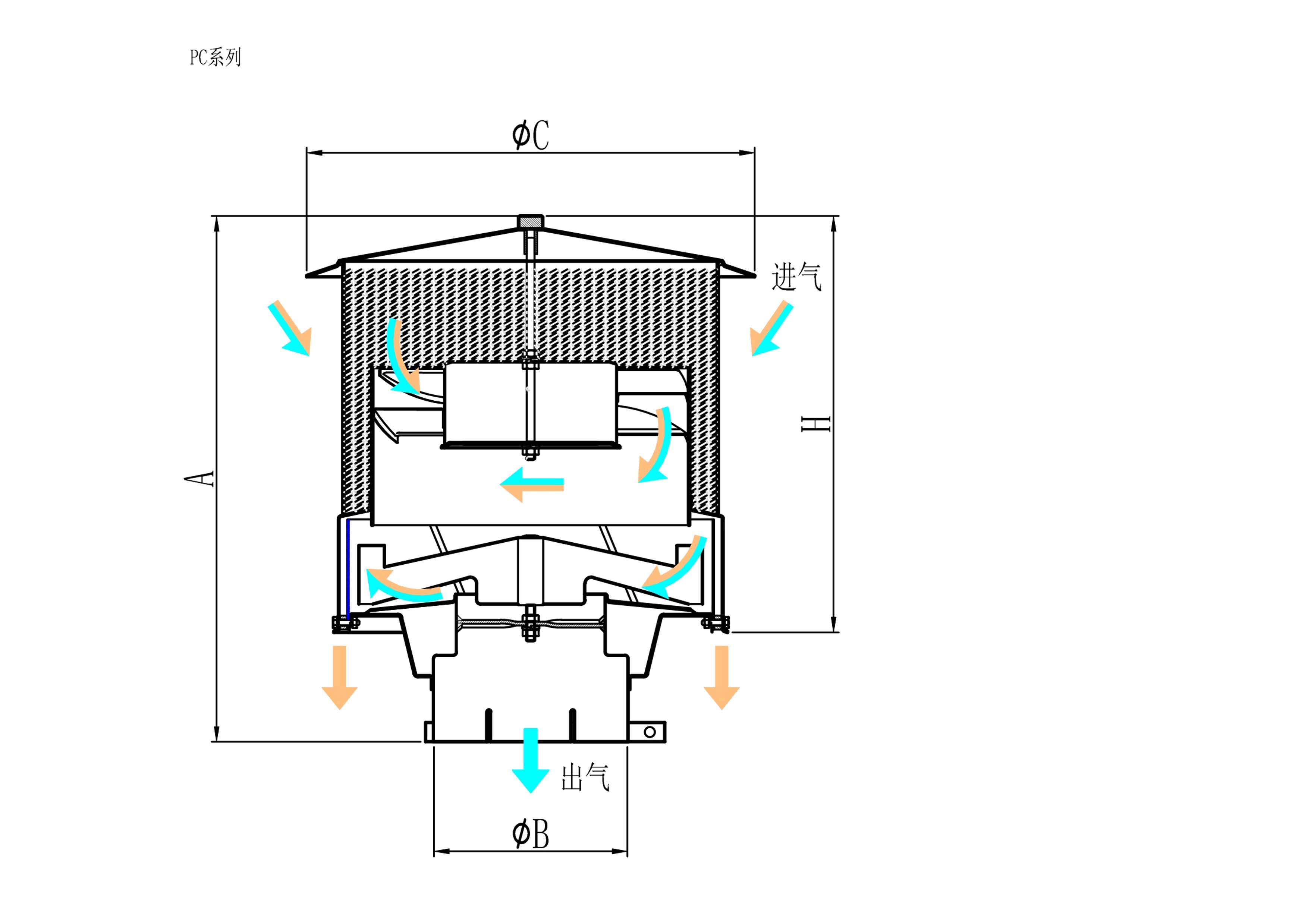
Comparing different models requires looking past marketing claims and focusing on industry-standard metrics. Fleet managers must evaluate pre-cleaners based on verifiable performance data to ensure the selected unit matches the operational environment. We look at hard data from field tests, not just bench tests in a clean lab.
Efficiency should be evaluated using ISO 5011 testing standards, which dictate specific protocols for measuring air cleaner performance. It is crucial to examine efficiency across different micron sizes. A pre-cleaner might boast 98% efficiency against heavy, coarse sand but drop to 70% when facing fine, powdery silica dust. Understanding the specific dust profile of your site ensures you select a unit capable of intercepting the most damaging particulates. For example, coal ash behaves very differently than crushed limestone.
Every component added to the intake tract creates resistance. Initial restriction is typically measured in inches of water gauge (H2O). Evaluating a pre-cleaner requires analyzing the trade-off between separation efficiency and restriction. Higher efficiency designs often force the air through tighter vortexes, yielding higher restriction. You must ensure the chosen pre-cleaner does not exceed the engine manufacturer's maximum allowable intake restriction, which would starve the turbocharger and negate any operational benefits.
| Technology Type | Primary Mechanism | Efficiency at Low RPM | Installation Complexity | Maintenance Needs |
|---|---|---|---|---|
| Static Centrifugal | Stationary vanes create vortex | Low | Simple (Clamp-on) | Minimal (Visual checks) |
| Exhaust-Aspirated | Exhaust vacuum pulls debris | Moderate to High | High (Exhaust modification) | Moderate (Check valve inspection) |
| Motorized / Powered | Electric fan maintains vortex | Very High | Moderate (Electrical wiring) | Moderate (Motor longevity) |
The physical construction of the pre-cleaner determines its survival on a rugged site. High-impact, glass-filled polymers offer excellent corrosion resistance, remain lightweight, and reduce vibration stress on the intake piping. Conversely, steel and aluminum housings provide superior high-heat tolerance and ruggedness against physical impacts, though they add significant weight to the air cleaner assembly. We generally prefer polymer units for excavators to reduce stack fatigue, while steel units hold up better on forestry equipment pushing through heavy brush.
High-tier systems must adapt to varying weather conditions. Evaluate how different models handle freezing moisture, wet clay, or heavy snow packing. Poorly designed louvers can ice over in winter conditions, completely choking the engine. Quality pre-cleaners feature wide discharge ports or active scavenging to eject moisture and snow before it can freeze within the housing or saturate the primary paper filter.
Translating technical specifications into operational outcomes helps justify the installation of these systems. The primary goal is keeping the machine running and out of the shop. When you eliminate the constant need to blow out or replace air filters, your mechanics can focus on preventative maintenance rather than reactive firefighting.
Extending primary filter life from weeks to months drastically changes maintenance schedules. In severe dust, a standard filter might plug in 50 hours. A properly sized pre-cleaner can push that to 500 hours or more. This reduction in filter changes directly impacts machine availability. You spend less time with the hood open and more time moving material.
Reducing dust bypass improves engine oil analysis results. Lower silicon levels in the oil mean less abrasive wear on bearings, journals, and piston rings. This extends oil-change intervals and prevents premature engine degradation. Preventing catastrophic dusting events keeps machines in the dirt rather than sitting in the rebuild bay waiting for parts.
Maintaining optimal, unrestricted airflow prevents the engine from running rich and over-fueling. A choked engine burns more diesel to produce the same horsepower. Over a 10,000-hour machine lifecycle, the fuel savings from maintaining clean airflow are substantial. You also reduce the load on the diesel particulate filter (DPF) by minimizing excess soot production from rich combustion.
Eliminating mid-shift downtime caused by air filter restriction alarms keeps critical path machinery moving. When a primary loader goes down for a filter change, the entire haul truck fleet stops. Pre-cleaners provide predictable maintenance intervals, allowing you to schedule filter changes during off-shift hours rather than interrupting production.
Retrofitting an air pre-cleaner onto existing heavy equipment fleets involves specific mechanical risks. Proper sizing and installation are paramount to achieving the desired engine protection without causing secondary mechanical issues. We see many botched installations where the wrong unit was ordered simply because it fit the pipe.
Sizing a pre-cleaner based solely on the physical diameter of the intake pipe is the most common installation error. If a unit is too large for the engine's airflow, the air velocity inside the pre-cleaner drops, resulting in low centrifugal force and poor dust separation. If the unit is too small, it creates high restriction, choking engine performance. You must size the unit based on the engine's Cubic Feet per Minute (CFM) requirement.
Calculate the required engine CFM using this standard formula:
CFM = (Engine Displacement in CID × Maximum RPM × Volumetric Efficiency) ÷ 1728
Volumetric Efficiency (VE) multipliers vary by engine aspiration:
Physical installation realities dictate the success of the retrofit. Adding a heavy metal pre-cleaner to the top of a tall intake stack increases leverage and vibration fatigue on the lower air cleaner housing and mounting brackets. Reinforcement may be necessary. Additionally, consider hood clearance and operator visibility constraints. Large bowl-style pre-cleaners mounted directly in the operator's line of sight can create safety hazards on busy earthmoving sites.
Fleet managers often worry about aftermarket installations voiding OEM engine warranties from manufacturers like Cummins, CAT, or Komatsu. To maintain warranty compliance, the installation must not exceed the manufacturer's maximum allowable air restriction limits. Document the initial restriction readings immediately after installation using a water manometer or digital restriction gauge to prove compliance with OEM specifications.
Integrate an air pre-cleaner to preserve engine integrity and maintain optimal combustion efficiency in high-dust environments.
A: Pre-cleaners remove heavy, bulk debris like sand and dirt droplets using centrifugal force before the air enters the intake tract. Primary filters use specialized porous media to capture the remaining microscopic particulates that the pre-cleaner cannot separate.
A: You calculate CFM by multiplying the engine's displacement in cubic inches by its maximum RPM and its Volumetric Efficiency factor, then dividing that total by 1728. Turbocharged engines require higher Volumetric Efficiency multipliers than naturally aspirated ones.
A: Properly sized units that do not exceed the engine manufacturer's maximum allowable air intake restriction typically do not void warranties. Always verify compliance with regional regulations and document your post-installation restriction readings.
A: While largely maintenance-free, they do require routine visual inspections. Operators must ensure that ejection ports, scavenge hoses, or discharge louvers are not packed with wet mud, coal dust, or debris, which would halt the ejection process.
A: Yes. High-quality centrifugal pre-cleaners effectively separate heavier mass, including moisture droplets and snow, from the intake air stream. This prevents the primary paper filters from becoming soggy and collapsing under vacuum pressure.
A: A correctly sized pre-cleaner typically adds between 1 to 3 inches of water gauge restriction. This minor increase falls well within the safe operating limits of modern diesel engines and does not negatively impact turbocharger performance.
A: Silica dust is highly crystalline and extremely hard. Unlike softer organic dirt, microscopic silica particles act like liquid sandpaper inside the engine, rapidly scoring cylinder walls, destroying piston rings, and severely degrading the lubricating properties of engine oil.
