
Views: 0 Author: Site Editor Publish Time: 2026-08-05 Origin: Site


Heavy-duty equipment operating in mining, agriculture, and construction environments faces a harsh reality. Engine lifespan is directly dictated by the efficiency of the primary intake filtration system. High-debris environments choke engines. This leads to catastrophic failures if the intake air is not properly managed before it reaches the main filter. Standard, off-the-shelf pre-cleaners frequently fail to align with the strict spatial constraints, specific airflow requirements, and aesthetic integration demands of modern, tightly packaged equipment designs. To solve this, equipment manufacturers must move beyond transactional vendor relationships. Partnering with a dedicated filtration specialist provides the co-engineering, testing, and supply chain integration required to mitigate warranty claims and ensure field reliability.
A specialized filtration partner offers significantly more value than a generic parts distributor. The baseline expectation for an OEM air pre-cleaner supplier involves deep integration into the manufacturer's design process. You need the final product to meet specific operational demands rather than forcing a generic part into a complex machine. Equipment manufacturers frequently face engineering roadblocks with standard parts. Hood clearance issues, inadequate CFM ratings, and vibration failures are common when off-the-shelf components are applied to heavy machinery. A dedicated supplier addresses these limitations by designing components that fit the exact physical and aerodynamic profile of the equipment.
Direct access to senior application engineers changes the trajectory of a machine build. Working with suppliers whose engineers offer deep technical expertise in engine intake physics streamlines component selection. You avoid design-loop delays. These experts understand how to optimize airflow while maintaining structural integrity under stress. Success in these partnerships is measured by specific metrics. Engineering responsiveness, transparency in material sourcing, and strict alignment with the manufacturer's production schedules define a capable partner. The goal is seamless integration from the initial CAD drawing to the final assembly line.
| Filtration Approach | Design Integration | Airflow Optimization | Field Reliability |
|---|---|---|---|
| Standard Off-the-Shelf | Requires chassis modifications to fit generic footprints. | Generic CFM ratings often lead to high restriction. | Prone to vibration fatigue and mounting bracket failure. |
| Specialized OEM Partner | Custom molded to fit exact spatial constraints. | CFD-tested to match specific engine intake demands. | Engineered with reinforced materials for high-vibration environments. |
When you operate a fleet of articulated dump trucks in a silica dust environment, standard filtration fails rapidly. The dust overwhelms the primary filter, causing the engine to pull a vacuum. This leads to dusted engines and massive repair bills. A specialized partner analyzes the specific micron size of the debris in your target environment. They adjust the vane geometry of the pre-cleaner to eject that specific particulate mass before it ever reaches the filter media. This level of granular engineering separates a true partner from a simple parts vendor.
Furthermore, aesthetic integration matters in modern equipment design. End-users expect a cohesive look. Bolting a generic, mismatched plastic dome onto a half-million-dollar combine harvester degrades the perceived quality of the machine. A specialized supplier matches the industrial design language of your equipment. They incorporate specific textures, color-matched resins, and low-profile designs that complement the overall machine aesthetic while delivering superior filtration performance.
A specialized custom air precleaner factory adapts its manufacturing processes to meet bespoke requirements. This involves a structured approach to solving complex intake challenges through advanced engineering tools and collaborative design. Co-engineering relies heavily on CAD integration. The process involves sharing 3D models, conducting interference checks, and designing custom mounting brackets or integrated hood plenums. This ensures the pre-cleaner fits perfectly within the designated space claim without requiring modifications to the chassis or body panels.
Airflow and restriction modeling are essential steps. Suppliers utilize Computational Fluid Dynamics to predict pressure drops, optimize vane geometry, and ensure the engine receives adequate, clean air under maximum load. This virtual testing prevents airflow bottlenecks that could starve the engine. Prototyping and iteration validate the digital designs. Methodologies such as 3D printed prototypes and rapid tooling are used to confirm physical fitment before committing to mass production. This phase allows for minor adjustments to mounting points or housing dimensions, ensuring flawless integration.
Detailed vendor configuration guides and installation best-practice manuals are necessary. These blueprints ensure the factory-assembled product operates exactly under optimized design parameters. You reduce installation errors on the assembly line. When line workers have clear, engineered mounting points and standardized hardware, assembly time drops. This efficiency translates directly to higher production throughput for the equipment manufacturer.
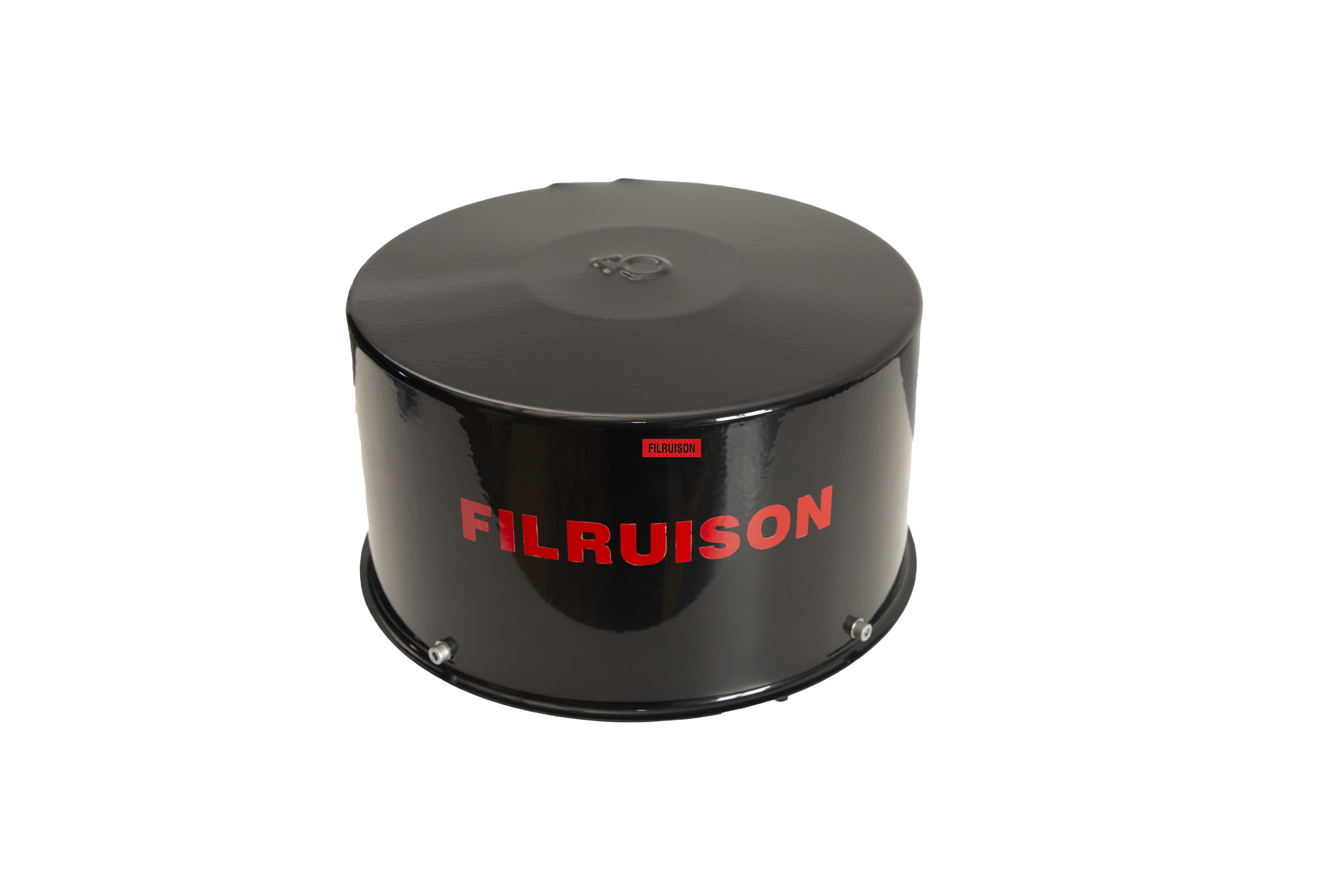
Evaluating an intake solution requires analyzing the physical realities of pre-cleaning. The supplier must balance aggressive debris removal with the need to maintain low intake restriction. High separation efficiency is useless if it creates a pressure drop that suffocates the engine. You must look at the restriction curve provided by the supplier. If the pre-cleaner adds more than a few inches of water restriction at maximum RPM, the engine will run rich, lose power, and burn excess fuel.
Material durability in high-vibration environments is another critical dimension. The materials used must withstand extreme temperatures, impacts, and harmonic vibrations on heavy machinery. Failure of the pre-cleaner housing can lead to immediate engine damage. A cracked housing allows unfiltered air to bypass the pre-cleaner entirely, dumping raw dust directly into the primary filter housing. This defeats the entire purpose of the system.
Compliance with industry standards validates performance claims. The supplier must provide documentation of performance under ISO 5011 testing conditions. This standardized testing proves the unit's efficiency and restriction levels under controlled, repeatable conditions. Sustainability and circular material sourcing are increasingly important. Assessing the supplier's commitment to using recyclable materials, reducing waste during molding or stamping, and aligning with global corporate ESG mandates ensures the partnership meets modern environmental standards.
The production capacity of an engine precleaner OEM determines their ability to support large-scale manufacturing. The supplier must scale production from initial low-volume pilot runs to full-scale mass production without compromising quality or delivery timelines. When your assembly line is running at full capacity, a delayed shipment of pre-cleaners halts production. You need a partner with proven manufacturing bandwidth and redundant production capabilities.
Quality control and batch consistency ensure reliability. Robust QA/QC frameworks, including ISO 9001 certification and automated inspection protocols, are necessary to guarantee that the 10,000th unit performs exactly like the approved prototype. Variations in manufacturing can lead to unpredictable field failures. If the injection molding process fluctuates, the internal vanes of the pre-cleaner may warp. Warped vanes disrupt the centrifugal airflow, drastically reducing separation efficiency.
Supply chain integrity and IP protection mitigate risks. Strategies must be in place to protect proprietary CAD files and design assets while preventing counterfeit components from entering secondary market supply chains. This protects the manufacturer's brand and the end-user's equipment. Lead times and inventory management require proactive planning. Mitigating supply chain disruptions involves safety stock agreements, localized warehousing, and transparent communication regarding raw material sourcing. Reliable delivery is as important as the engineering itself.
Managing tooling costs and MOQs requires realistic negotiation. Upfront injection molding or stamping tooling costs must be aligned with production forecasts. Clear agreements on Minimum Order Quantities help balance initial investment with long-term unit availability. You must establish a clear amortization schedule for custom tooling. This ensures that the upfront engineering costs do not cripple the initial production budget for the new equipment line.
Integration bottlenecks in the assembly line can disrupt production. Complex installation procedures or missing hardware cause delays. The supplier must design for manufacturability to streamline installation, ensuring the pre-cleaner can be mounted quickly and correctly by assembly line workers. If a pre-cleaner requires specialized tools or awkward maneuvering to install, it will slow down the entire line. The design must facilitate drop-in installation with standard pneumatic tools.
Warranty and liability alignment must be clearly defined. Contractual agreements regarding component failure, warranty coverage, and liability in the event of field failures attributed to the pre-cleaner protect both the manufacturer and the supplier. Clear terms prevent disputes if issues arise in the field. You need a supplier who stands behind their engineering data and takes responsibility if the component fails to meet the agreed-upon ISO 5011 performance metrics during actual field operation.
A: The timeline from initial CAD design to prototype, tooling, and the first production run typically ranges from 12 to 24 weeks. This depends heavily on the complexity of the design, the required tooling processes, and the speed of engineering approvals between both engineering teams.
A: Reputable suppliers validate performance through standardized laboratory testing, specifically ISO 5011. This standard measures separation efficiency and airflow restriction under highly controlled conditions. They supplement this laboratory data with real-world field testing on actual equipment.
A: Yes. Specialized factories match specific equipment colors and branding using custom UV-stable resins, specific powder coating options, and molded-in logos. This ensures complete aesthetic integration with the machinery's industrial design language.
A: Suppliers require the engine's maximum CFM rating, maximum allowable restriction limits, details about the operating environment, and 3D space claim models. This data allows them to begin designing an optimized pre-cleaner solution that fits the physical and aerodynamic constraints.
A: Tooling costs vary based on customization. Modified standard parts may use shared tooling with lower upfront costs. Fully custom injection molds require higher initial investment. These costs can often be amortized over the production volume depending on the supplier agreement.
A: Static pre-cleaners use fixed internal vanes to create centrifugal force, separating debris without moving parts. Dynamic pre-cleaners use a rotating spinner driven by intake airflow to actively eject debris. Selection depends on maintenance preferences, vibration levels, and specific efficiency requirements.
