
Views: 0 Author: Site Editor Publish Time: 2026-10-17 Origin: Site


Have you recently noticed your facility's energy bills inexplicably creeping up? Or perhaps your industrial HVAC system is experiencing frequent, frustrating breakdowns? People usually blame mechanical failure or aging equipment. However, field data frequently points to a much simpler oversight: utilizing the incorrect filtration material.
In the complex realm of indoor air quality and industrial ventilation, an air filter's media is the specific porous barrier engineered to intercept dust, pollen, and microscopic debris. The physical and chemical properties of this underlying material dictate the component's overall performance. It determines longevity and compatibility with varying atmospheric conditions. Understanding exactly how various Air Filter Types differ by their construction is the final critical step in making a calculated purchasing decision.
Whether you are tasked with optimizing commercial building ventilation or protecting heavy-duty industrial air compressors, the media you select directly impacts operational efficiency. This comprehensive guide will objectively break down the structural nuances between paper-based, synthetic, liquid-free, and carbon-infused options. We will empower you to confidently choose the most appropriate safeguard for your specific mechanical systems.
The global filtration landscape is shifting rapidly. With rising energy costs, facility managers can no longer afford restrictive filters that overwork blower motors. Market data shows a massive migration away from basic fiberglass and untreated paper. Instead, the industry is aggressively embracing advanced polymeric and nanofiber materials.
Stricter occupational health standards require better capture of sub-micron particles. Doing this without spiking energy consumption is the real engineering challenge. Consequently, the demand for surface-loading media with minimal pressure drop is at an all-time high. This trend heavily influences how modern plants approach preventative maintenance, prioritizing long-term energy savings over cheap upfront filter costs.
At its core, filter media is the permeable membrane through which ambient air is forced by a mechanical fan or heavy-duty compressor. Its primary function is to act as both a physical and electrostatic sieve. It captures suspended particulates while permitting clean air to pass through with the least amount of aerodynamic resistance possible. Ultimately, the chemical composition and physical architecture of this material serve as the defining characteristics of any purification setup.
The physical geometry of the media determines its dust-holding capacity and overall structural integrity under stress. It matters whether the material is tightly woven, randomly spun, or intricately pleated. Filtration does not merely work like a kitchen colander. It relies on multiple physical mechanisms. These include straining large debris, intercepting particles on fibers, and utilizing erratic microscopic movement to force fiber collisions.
Engineers must constantly balance purification efficiency against pressure drop. Imagine a blower motor struggling to pull air through a solid brick wall. That is essentially what happens when you install an overly dense material into a standard system. If the barrier is too restrictive, the blower works exponentially harder. This leads to spiked energy consumption and inevitable mechanical failure.
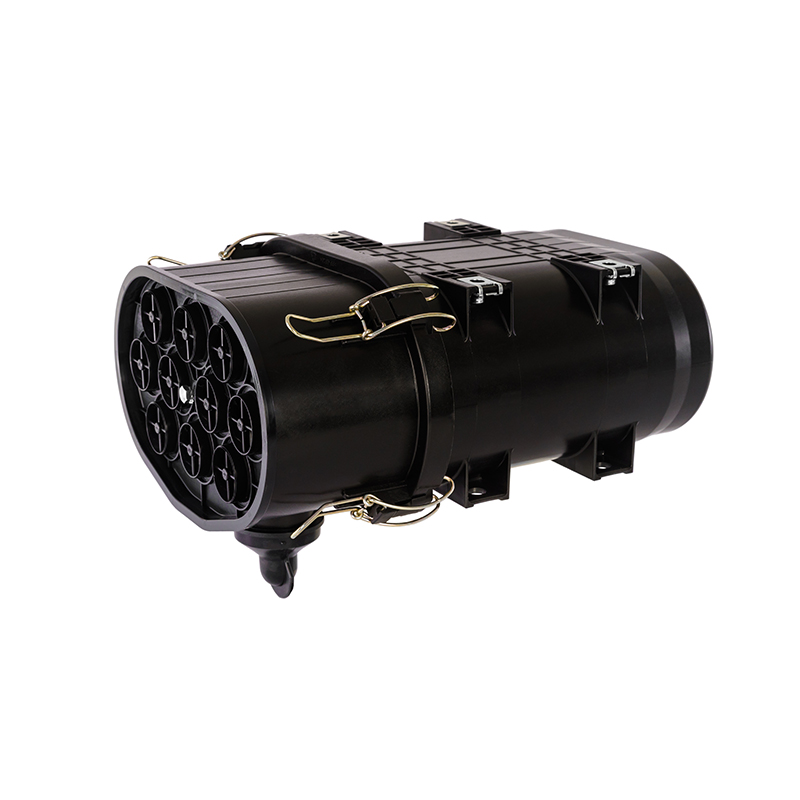
Serving as one of the oldest and most widely utilized materials in the industry, Cellulose Media is primarily manufactured from natural wood pulp or heavy paper-based fibers. To improve durability and prevent tearing under intense atmospheric pressure, manufacturers frequently blend the raw natural pulp with trace amounts of synthetic resins. This process forms rigid pleated sheets.
From an economic standpoint, cellulose remains highly cost-effective to produce. It is an affordable option for everyday consumers and basic industrial setups. It performs exceptionally well when tasked with capturing large heavy particulates like visible dust and macroscopic lint.
Despite these benefits, the primary vulnerability of cellulose lies in its natural susceptibility to moisture. Because it is inherently paper-based, it acts like a sponge. It eagerly absorbs ambient humidity. In excessively damp environments, these fibers swell and degrade, drastically restricting airflow. Furthermore, a damp paper filter quickly transforms into a breeding ground for mold. Consequently, they demand a much more frequent replacement schedule due to rapid clogging.
Representing a significant technological leap forward, Synthetic Media is a completely man-made material. It is typically composed of continuous spun-glass, polyester, or polypropylene polymers. Rather than relying on natural pulp, these micro-fibers are arranged in a non-woven randomized web. This design maximizes particle interception without sacrificing breathability.
Unlike natural wood pulp, synthetic polymers are inherently hydrophobic. They actively repel water. This crucial feature ensures that structural integrity and airflow dynamics remain perfectly intact even in regions plagued by high relative humidity. Building on this concept, many engineered filters are imbued with a permanent electrostatic charge during the manufacturing process. This charge acts like a powerful magnet, pulling microscopic threats out of the airstream without requiring a denser weave.
Let us look at real-world industrial applications. Premium dust collector cartridges, such as those found in the DCF Series configurations, utilize advanced spunbond polyester. Manufacturers often enhance these with a specialized PTFE membrane coating. This specific combination achieves up to 99.99 percent efficiency for 0.3-micron particles. The surface-loading design ensures dust falls off easily during pulse-jet cleaning cycles. This keeps the pressure drop incredibly low and significantly extends the service life of the cartridge.
In the high-stakes arenas of automotive performance and heavy industrial machinery, the debate between oiled and liquid-free filtration is persistent. A modern Dry Filter is engineered to rely purely on the physical density and strategic layering of its media to trap dirt. It operates entirely without the application of sticky chemical tackifiers or oils.
From a practical standpoint, liquid-free designs offer a highly streamlined maintenance protocol. Depending on the specific industrial design, operators can clean them swiftly using low-pressure compressed air. Conversely, oiled alternatives demand a meticulous and time-consuming process involving chemical washing, thorough air-drying, and precise re-oiling. Applying a fraction too much oil chokes the system.
More importantly, modern machinery relies on highly sensitive mass airflow sensors to monitor intake telemetry. Oiled variants carry the inherent risk of oil blow-off. Microscopic droplets of the tacky liquid are violently pulled into the intake tract, coating and destroying these delicate electronic sensors. A dry synthetic alternative eliminates this risk entirely while maintaining excellent sensor-safe airflow metrics.
When standard particulate capture is simply insufficient for the environment, specialty engineering is required. The Honeycomb Filter is defined by its highly unique geometric structure. It consists of a rigid grid-like frame closely resembling a natural beehive. Inside these individual cells, manufacturers meticulously pack highly porous activated carbon.
Standard paper and polymer materials are designed exclusively to trap solid physical matter. They are completely useless against invisible gases. The activated carbon housed within a honeycomb structure operates through a complex chemical process known as adsorption. The carbon is treated with oxygen to force open millions of microscopic pores.
When gaseous pollutants pass through the grid, they become chemically trapped within these microscopic pores. The honeycomb design itself is an engineering marvel. It maximizes the exposed surface area of the carbon pellets while simultaneously preventing the heavy media from sagging. This maintains a consistent healthy flow of air through the ductwork.
Walk into any local hardware store, and you predominantly find standard 1-inch thick fiberglass or basic pleated screens. While they are undeniably affordable, they possess severe physical limitations. They offer a very minimal surface area to trap incoming dust. Consequently, they reach their maximum dirt-holding capacity incredibly fast.
| Media Type & Depth | Primary Material | Efficiency Target | Typical Lifespan |
|---|---|---|---|
| Standard 1-Inch Pleat | Cellulose Blend | Large Dust & Lint | 30 to 90 Days |
| Deep 4-Inch Cabinet | Synthetic Polymer | Fine Allergens & Dander | 6 to 12 Months |
| Industrial Cartridge DCF Style | Spunbond Polyester with PTFE | 99.99% at 0.3 Microns | 12 to 24 Months |
A transformative upgrade involves transitioning to a deep-pleated media cabinet or industrial cartridge. By drastically extending the depth of the pleats, manufacturers fold up to ten times more filtration material into the exact same cross-sectional footprint. This massive expansion drops the air velocity passing through any single square inch of the material. It drastically reduces aerodynamic drag and extends the operational lifespan significantly.
Selecting the correct purification strategy requires a systematic objective evaluation of your specific environmental conditions and mechanical specifications. Making a calculated decision ensures optimal system performance and superior air quality.
Step 1: Evaluate the Contaminant Load
Begin by identifying the primary contaminants plaguing your space. If you are dealing with dry macroscopic dust, standard cellulose works well. If you operate in a region with high ambient humidity or need to capture sub-micron welding fumes, a PTFE-coated synthetic material is the evidence-based choice. For chemical off-gassing or persistent odors, you must integrate a carbon-packed grid.
Step 2: Match Aerodynamic Capacity
Filtration efficiency must always perfectly align with your equipment's aerodynamic capacity. High-efficiency materials inherently create a higher pressure drop. You must verify your blower can push through this resistance without overheating. For heavy-duty applications, ensuring the cartridge matches the static pressure limits and pulse-cleaning system specifications is non-negotiable.
Step 3: Calculate Total Cost of Ownership
While traditional 1-inch cellulose is cheap at the cash register, replacing it twelve times a year adds up quickly in labor and material costs. Investing in premium synthetic polymers requires a higher upfront capital expenditure. However, empirical evidence shows these advanced solutions offer vastly extended operational lifespans and drastically lower energy consumption.
The secret to maintaining pristine air quality and ensuring the absolute longevity of your expensive ventilation equipment lies entirely in choosing the correct underlying material. There is no universal solution. The right choice depends heavily on your specific atmospheric challenges and mechanical constraints. You might rely on the budget-friendly accessibility of traditional cellulose for standard dust control. Alternatively, you may need the moisture-resistant high-efficiency performance of engineered synthetics for industrial machinery.
Investing the time to truly understand how these materials differ ensures you are making a calculated engineering decision. The right selection pays for itself exponentially over time through reduced monthly energy consumption and fewer catastrophic mechanical breakdowns. Evaluate your current system specifications, assess your true air quality needs, and take action. Ready to upgrade your industrial ventilation? Explore high-efficiency solutions and find the exact specifications for your machinery at Sykingtech today.
Yes, provided the physical dimensions perfectly match your equipment housing. Synthetic options generally offer far superior airflow dynamics and excellent moisture resistance. This makes them a highly effective and safe upgrade for most systems seeking better air quality without placing undue stress on the blower motor.
Replacement frequency depends heavily on the physical depth of the unit and its specific efficiency rating. A standard 1-inch dry setup typically reaches its maximum dirt-holding capacity within one to three months. In stark contrast, a deep pleated media cabinet or industrial cartridge boasts vastly more surface area, allowing it to effectively capture debris for six to twenty-four months before requiring a swap.
Generally, no. A honeycomb carbon grid is engineered specifically to adsorb invisible gases, chemicals, and odors via activated charcoal. It lacks the dense fibrous matrix required to efficiently trap physical dust and dirt. It should always be deployed in conjunction with a dedicated particulate pre-filter to prevent the microscopic carbon pores from becoming prematurely clogged.
While washable reusable screens appeal to eco-conscious consumers, they typically feature incredibly low filtration efficiency. Furthermore, if they are not dried perfectly before reinstallation, they can quickly harbor dangerous mold. For superior air quality and the effective capture of fine microscopic particles, disposable synthetic or deep-pleated media is strongly recommended by industry professionals.
Industrial applications often bypass standard residential ratings and look directly at micron capture efficiency. For general coarse dust, a basic polyester media capturing particles at 10 microns is sufficient. However, for hazardous environments involving fine powders, welding fumes, or pharmaceutical dust, you need advanced synthetic media. A PTFE-coated cartridge offering 99.99 percent efficiency at 0.3 microns is the industry standard for these demanding applications.
Humidity is a critical factor in media selection. Traditional paper-based cellulose absorbs moisture from the air. This causes the fibers to swell, which chokes off airflow and spikes the pressure drop across the system. It also creates a breeding ground for microbial growth. In high-humidity environments, transitioning to hydrophobic synthetic polymers is essential because they repel water and maintain their structural integrity and breathability regardless of moisture levels.
