
Views: 0 Author: Site Editor Publish Time: 2026-08-15 Origin: Site


Incorrect diesel fuel filter installation acts as a primary catalyst for premature injector failure and severe flow restriction. It also causes catastrophic high-pressure pump damage over time. Modern common-rail diesel engines demand extreme precision and clean fluid. They operate under intense internal pressures. Even minor flow disruptions cause massive mechanical failures. Reversing the diesel fuel filter flow direction directly compromises the internal filtration media. It also ruins bypass valve functionality. This critical mistake allows dangerous unfiltered contaminants to reach sensitive engine components.
Why does this happen so frequently during routine maintenance? Many operators overlook subtle housing indicators. Others completely misunderstand complex fuel system routing. We designed this article to provide a definitive, mechanical evidence-based framework for identifying correct flow paths. You will learn how to read housing marks accurately and mitigate serious installation risks. We also explain how to select reliable replacement parts to keep your engine running smoothly and safely.
When you install a filter backward, the consequences hit the engine immediately. Diesel fuel systems do not tolerate fluid running in the wrong direction. The internal architecture of these components serves a highly specific purpose.
Fuel flowing backward through the filter media creates immense structural stress. Manufacturers design pleated paper or synthetic glass media to support pressure from one specific side. Reverse pressure can physically collapse these delicate pleats. When the media tears, it dislodges previously trapped debris. The system then forces a concentrated slug of dirt and metal shavings straight into the high-pressure fuel pump (HPFP). Modern HPFPs operate with incredibly tight tolerances measured in microns. Sending concentrated contaminants into this pump destroys it rapidly.
Directional filters feature specialized anti-drain back and bypass valves. Engineers calibrate these valves specifically for one-way pressure. During cold starts or heavy clogs, a bypass valve opens to ensure the engine still receives fuel. Reversed flow effectively traps fuel behind these closed valves. The fluid pushes against the wrong side of the valve mechanism. This causes extreme pressure spikes upstream toward the tank. Simultaneously, it creates rapid system starvation downstream toward the engine.
You can easily spot the performance symptoms of incorrect orientation if you know what to look for. Watch out for these immediate warning signs after a filter change:
Accurately pinpointing the flow path requires a methodical approach. Do not guess or rely on memory. We recommend using these four distinct techniques to confirm orientation before you connect any fuel lines.
Inspect the top manifold or inline housing carefully under a bright light. Look specifically for cast or molded arrows indicating fluid movement. You will often see "IN" designating flow from the fuel tank. You will see "OUT" pointing toward the engine. Rely solely on these physical metal or plastic stamps. Do not trust printed stickers or cheap decals. Assembly workers or distributors might apply stickers backward during manufacturing.
Asymmetric inline designs sometimes utilize a larger inlet port. This larger opening accommodates lower-pressure, higher-volume suction from the tank. The outlet port might restrict slightly to help maintain overall system pressure before it reaches the lift pump. While port sizing offers a good clue, you should never rely on it alone. Always cross-reference unequal port sizes against official OEM diagrams.
Threaded spin-on canisters follow strict industry standards for fluid dynamics. Fuel always enters through the small outer perimeter holes. Mechanics call this the "dirty side" of the filter. The fluid then pushes through the pleated media toward the center. Finally, it exits cleanly through the large central threaded hole. We call this the "clean side." Understanding this basic geometry makes visual verification very simple. The center post on your filter housing is always the outlet to the engine.
Harsh engine bay environments degrade physical housing marks over time. When age and wear obscure the stamps, consult your engine-specific plumbing schematic. Tracing the lines manually ensures perfect accuracy. Follow these steps:
Table: Filter Identification Methods Overview
| Identification Method | Primary Indicator | Reliability Level | Best Application |
|---|---|---|---|
| Cast Housing Marks | "IN", "OUT", or Arrows | High | Standard OEM and premium aftermarket setups. |
| Port Sizing | Inlet larger than outlet | Medium | Inline strainers and asymmetrical housings. |
| Spin-On Dynamics | Perimeter IN / Center OUT | Very High | All threaded spin-on canister filters. |
| OEM Diagrams | Factory schematic routing | Absolute | Obscured markings or custom-modified fuel systems. |
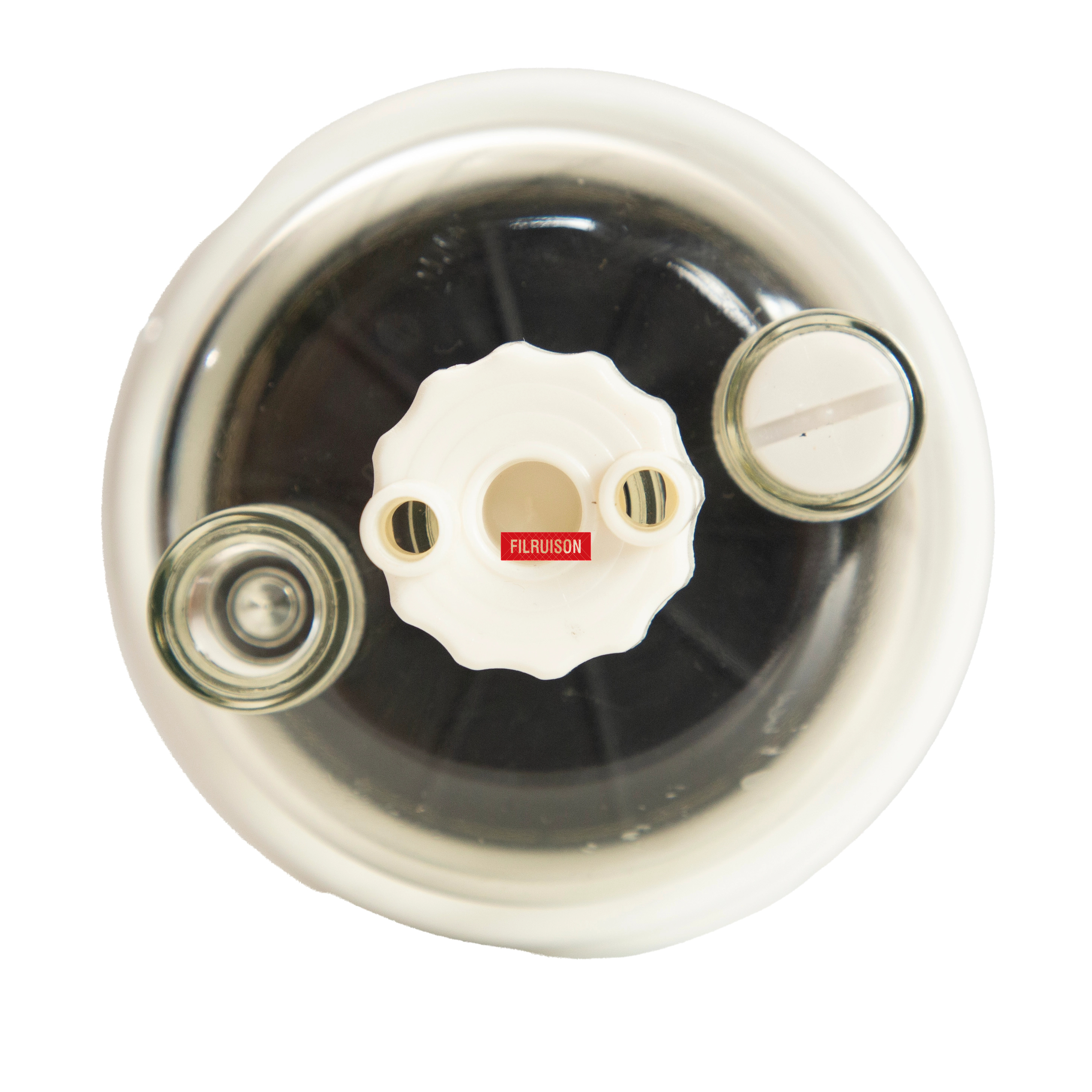
Modern diesel systems rely heavily on complex, multi-stage filtration. The Diesel Fuel Filter Water Separator typically functions as the crucial primary filter. You will usually find it positioned strategically on the suction side, just before the lift pump.
Staging matters greatly in diesel filtration. The primary separator handles the heavy lifting. It removes large particulate matter and strips away bulk water. The secondary filter sits closer to the engine. It catches microscopic debris that slips through the primary stage. Mixing up the plumbing between these two stages causes immediate flow restriction. The finer secondary filter cannot handle the high volume of coarse debris and water meant for the primary stage.
Flow direction remains absolutely critical for proper water separation. Water separators need the fuel velocity to slow down significantly. They require fluid to flow downward over a coalescing cone. This process merges tiny water particles into heavy droplets. Gravity then pulls these heavy drops down into the clear collection bowl. Reversing this flow completely negates the coalescing effect. The system pushes emulsified water directly through the media. This passes dangerous moisture straight to the sensitive fuel injectors, causing tip blowouts and severe internal corrosion.
You can visually identify correct orientation on separators easily if you know the internal layout. Look closely for the drain valve, often called a petcock. The fuel flow must enter the housing high above the internal coalescing cone. It travels downward, allowing water to separate. The clean fuel then travels back up and exits from the center core after water safely settles at the bottom. If the inlet line connects near the bottom of the housing, the installation is backward.
Even experienced fleet technicians sometimes fall into common installation traps. A lapse in concentration leads to expensive repairs. You must actively avoid these frequent pitfalls when servicing diesel fuel systems.
Assuming all aftermarket filters share identical port layouts to the OEM unit causes massive headaches. Manufacturers sometimes shift port locations to avoid patent infringements. You must verify the physical internal flow path yourself. Never simply mimic the physical position of the old filter blindly. The old filter might have different internal routing despite looking identical on the outside.
Installing a filter backward almost always triggers frustrating air locks. This mistake prevents the manual primer pump from drawing fuel effectively from the tank. The internal bypass valves block the suction. You will experience prolonged cranking times. This puts unnecessary strain on the starter motor and depletes the battery rapidly. If the primer button feels completely rigid or endlessly spongy, check your flow direction immediately.
Working at awkward angles under the hood increases physical damage risks. If you misidentify the ports, the factory hard lines will not align properly. Forcing misaligned fuel lines onto the wrong ports easily cross-threads the delicate aluminum connections. It also pinches the rubber O-rings. A pinched O-ring on the suction side introduces severe air leaks into the fuel stream. The engine will stumble, idle roughly, and eventually stall.
Reliable decision-making for replacement parts demands strict evaluation criteria. You need filters built to exact engineering standards. Cheap replacements often lack clear markings and robust internal components.
First, assess marking clarity and manufacturing tolerances. Shortlist brands using deeply cast or molded flow indicators. Cheap adhesive decals peel off or degrade under harsh under-hood temperatures. If a manufacturer cuts corners on external markings, they likely cut corners on internal filtration media. Look for precision-machined threads and clean port surfaces.
Next, verify the internal media specifications rigorously. Ensure your selected filter perfectly matches the exact OEM micron rating for its specific stage. A primary water separator typically needs a coarser 10-30 micron rating to handle high volumes of fluid and debris without clogging. A secondary directional filter usually requires a much finer 2-5 micron barrier to protect the injectors. Installing a 2-micron filter in the primary position causes rapid starvation.
Finally, prioritize warranty and operational compliance factors. Opt for components explicitly meeting ISO 16332 standards for water separation efficiency. This international standard guarantees the filter performs as advertised under heavy loads. High-quality filters actively protect your expensive engine warranty. They also keep your commercial fleet compliant with strict emissions and maintenance regulations.
Before you begin your next maintenance routine, secure an exact-match OEM or premium aftermarket filter. Consult your engine’s detailed routing diagram closely. Verify all housing stamps and arrows before turning a single wrench. Taking these extra minutes ensures your engine receives clean, water-free fuel at the correct pressure.
A: Yes. While some rudimentary inline strainers are bidirectional, nearly all modern diesel fuel filters are strictly directional to support bypass valves and multi-layered media.
A: Fuel flows from the outside in. It enters through the smaller perimeter holes, passes through the pleated media, and exits cleanly through the large central threaded hole.
A: The coalescing media will fail to strip water from the fuel. Water will be forced through the filter and into the high-pressure system, immediately risking injector tip blowouts and corrosion.
A: Not always. Many quick-connect fuel systems use identical line diameters for both IN and OUT ports, making visual identification via housing arrows or OEM diagrams absolutely necessary.
