
Views: 0 Author: Site Editor Publish Time: 2026-08-02 Origin: Site


A minor maintenance oversight can completely destroy your engine. A routine diesel fuel filter change costs very little compared to massive repair bills. Skipping this step often causes catastrophic high-pressure fuel injection system failures. Replacing a destroyed CP4 pump or ruined injectors is incredibly expensive.
Modern common-rail diesel engines operate under extreme pressures. They demand highly purified fuel to function properly. The system needs precise filtration down to 2–5 microns to survive. Even microscopic particles will cause massive internal damage over time.
We will provide an evidence-based diagnostic framework. It helps owners and fleet managers determine exactly when they require a replacement. You will learn to evaluate mileage limits, mechanical symptoms, and harsh environmental factors accurately. Our goal is to protect your engine and eliminate costly, unexpected downtime.
Manufacturer guidelines provide a helpful starting point. We call this the baseline approach. Standard OEM recommendations usually suggest a replacement every 10,000 to 15,000 miles. Some brands recommend an annual replacement if you drive less frequently.
Light-duty passenger diesels differ greatly from heavy-duty commercial trucks. Passenger vehicles usually encounter cleaner fuel stations. They drive on paved roads. Heavy-duty trucks operate in harsh environments. They process massive volumes of fuel daily. These commercial engines demand stricter, more frequent maintenance schedules.
Implementation realities often destroy OEM baselines. Several factors will drastically shorten the lifespan of your filter.
You cannot rely solely on the odometer. It represents a risky strategy. Real-world conditions demand transitioning to symptom-based and seasonal evaluations. We recommend inspecting the system closely anytime you change your driving environment or fuel source.
Engines communicate their struggles clearly. You just need to recognize the symptoms. A restricted element will choke the high-pressure system. Look for these six critical indicators.
Modern diesel systems utilize a sophisticated dual-filtration setup. It combines particulate filtration alongside water separation. Water is the absolute primary enemy of diesel injectors. It lacks lubricity. It causes rapid rust formation on highly polished internal valves.
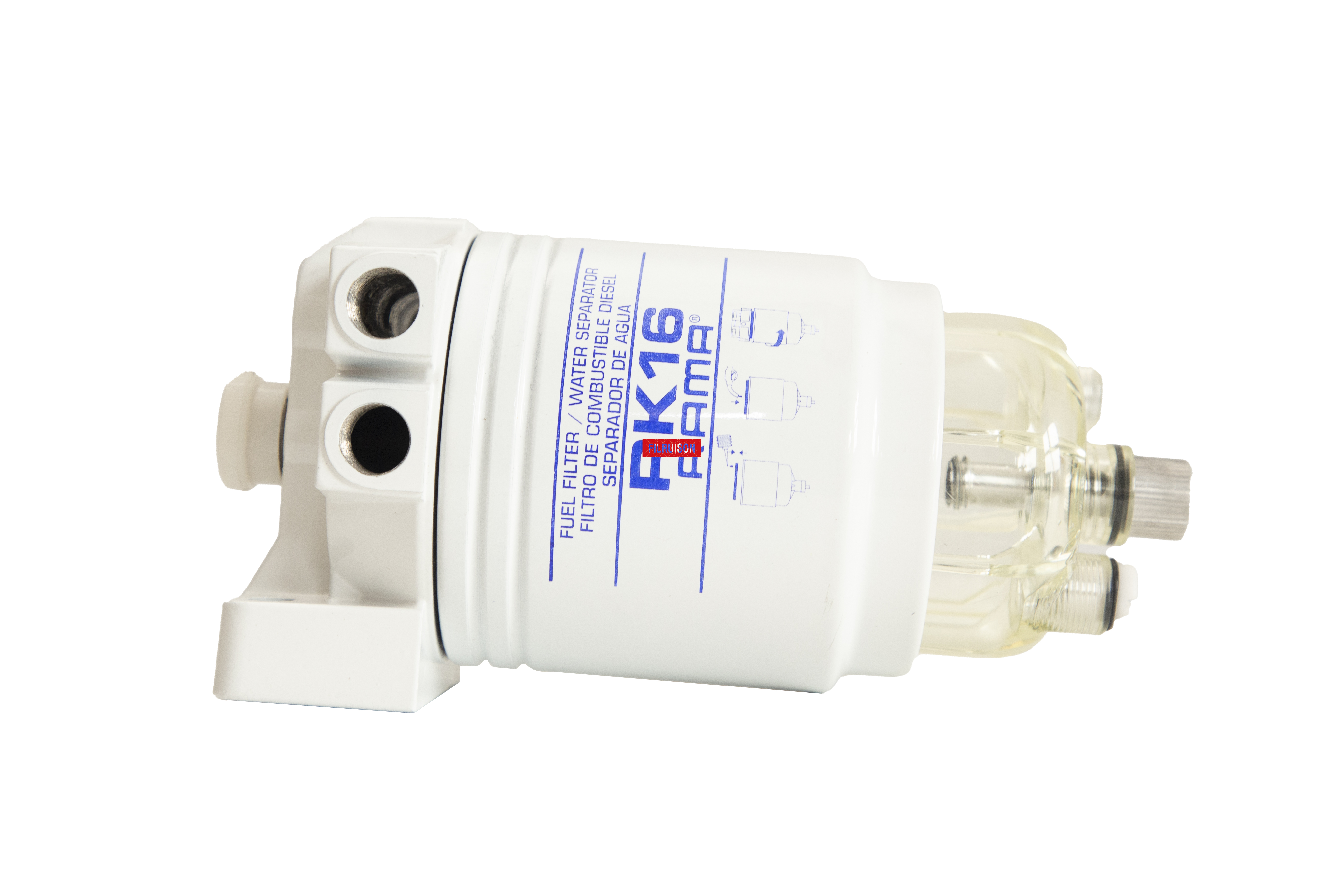
The Diesel Fuel Filter Water Separator addresses this exact threat. It uses a specialized media to strip water droplets away from the diesel. The heavier water then collects safely in a bottom bowl.
You must monitor the "Water in Fuel" (WIF) sensor carefully. This dashboard warning light requires immediate interpretation. When it illuminates, the collection bowl has reached its maximum safe capacity. You cannot ignore this light.
You must drain the separator via the petcock valve immediately. Place a clear container under the housing. Open the valve and let the fluid drain until you see pure, clean diesel. Close the valve tightly.
A simple drain differs from a complete replacement. However, you must perform a strict risk assessment. If the separator fills too rapidly after draining, you have a major problem. It indicates severely contaminated fuel in your main tank. You will need a complete tank drain and a brand new filter swap. A routine purge will not save the engine in this scenario.
External temperatures directly impact filtration efficiency. The winter factor introduces unique challenges for diesel operators. Dropping temperatures alter the chemical state of your fuel.
Diesel contains natural paraffin wax. Cold weather causes this wax to solidify. It drops out of the liquid state and forms a cloudy gel. This gel instantly blinds the filter media. Fuel flow stops completely.
You must distinguish between a genuinely dirty filter and a cold-weather gelled filter. A gelled unit often looks perfectly clean once brought inside a warm shop. A genuinely clogged unit will look black and carry heavy particulate loads. Using winterized fuel blends prevents gelling.
Restricted fuel flow disrupts the precise air-to-fuel ratio. The engine struggles to maintain balance. This often leads to incomplete combustion. You will typically see thick black smoke exiting the exhaust pipe.
This smoke creates a terrible cascading effect on modern emissions systems. The heavy soot rapidly clogs the Diesel Particulate Filter (DPF). The engine will attempt frequent, forced regeneration cycles. Ultimately, compromised filtration greatly increases the risk of failing your MOT or local emissions inspections.
Proper diagnosis prevents wasted money on unnecessary parts. You must evaluate the system logically. Decide early if you want a DIY approach or professional evaluation.
Visual and physical checks offer immediate clues. Inspect the housing carefully for any weeping leaks. Check the incoming supply pressure using a mechanical fuel pressure gauge. You should also examine the drained fuel for visible debris, rust flakes, or sludge.
Prime and purge testing reveals hidden problems. If you see air bubbles in clear return lines, you have an air intrusion issue. The system is likely sucking air past a degraded housing seal.
You must evaluate your replacement options carefully. OEM units usually guarantee correct micron ratings. Aftermarket brands range from excellent to terrible. You must verify the specific micron rating matches your engine requirements.
| Media Material | Micron Rating | Water Separation | Best Application |
|---|---|---|---|
| Standard Cellulose | 10 - 15 Microns | Low to Moderate | Older, mechanical injection engines |
| Advanced Synthetic | 2 - 5 Microns | High Efficiency | Modern Common-Rail engines (CP4) |
| Micro-Glass Blend | 4 - 8 Microns | Moderate | Heavy-duty commercial fleets |
A DIY replacement requires specific tools. You will need dedicated strap wrenches, catch pans, and OBD2 priming tools. Modern trucks often require an electronic prime command to bleed the air. If you lack these tools, booking a professional service is safer.
Your actionable next step is clear. Choose replacement parts based strictly on micron-rating compliance. Establish a strict preventative maintenance schedule tailored to your specific driving habits.
A clean fuel delivery system acts as a strict preventative safeguard. It is absolutely not a "run-to-failure" component. Pushing the limits guarantees expensive mechanical destruction down the road.
Timely replacement delivers incredible returns. You easily preserve sensitive injector life. You optimize fuel economy across all driving conditions. Most importantly, you eliminate unpredictable, stressful downtime.
Protect your investment today. Purchase a high-quality OEM-spec replacement kit right now. Schedule a comprehensive maintenance check with your trusted technician. Alternatively, subscribe to a seasonal replacement plan to ensure you never miss an interval.
A: Costs vary based on the approach. Doing it yourself typically costs between $30 and $70 for the OEM parts alone. Hiring a professional shop includes labor charges. A professional service generally ranges from $100 to $200, depending on vehicle accessibility and local labor rates.
A: No. You cannot clean them. The media captures microscopic contamination deep inside the synthetic or cellulose fibers. Attempting to wash or blow it out damages the delicate media. This allows lethal particles to bypass the barrier and destroy your high-pressure fuel injectors.
A: Ignoring this warning is disastrous. Water will bypass the separator and enter the high-pressure system. It strips away crucial lubrication. This causes immediate internal rust, high-pressure pump failure, and complete injector blowout. The resulting repair bill frequently exceeds thousands of dollars.
A: Yes. You must prime the system fully. Changing the unit introduces air into the fuel lines. If you skip priming, the injection system will air-lock. The high-pressure pump will run dry, causing severe internal friction and immediate, permanent damage.
