
Views: 0 Author: Site Editor Publish Time: 2026-08-08 Origin: Site


In high-dust earthmoving, quarrying, and demolition environments, an excavator's engine can ingest hundreds of cubic feet of air per minute. Without an effective first line of defense, this leads to accelerated component wear, rapid filter loading, and catastrophic engine dusting. Relying solely on standard primary air filters in severe applications results in exponential filter replacement costs, unacceptable maintenance downtime, and increased risk of premature engine failure due to restricted airflow. Selecting an optimized air intake pre-cleaner for excavator operations requires moving beyond generic aftermarket parts. Buyers must evaluate specific operational variables, including airflow requirements (CFM), debris type, moisture levels, and OEM restriction limits. You need a system that matches the exact breathing profile of your machine to prevent suffocation or bypass. Proper filtration starts before the air even reaches the primary housing.
Understanding the multi-stage intake architecture is essential for heavy equipment longevity. The pre-cleaner serves as the critical first stage of defense. It protects the primary dry air filter from premature loading. When you define successful implementation, you look for specific metrics. A highly effective excavator dust separator should achieve an 80-90% reduction in dust and heavy contaminants reaching the main filter element. This initial separation prevents the primary paper media from blinding over during the first few hours of a heavy earthmoving shift.
The cost of inaction is severe. Frequent primary and secondary filter changes drain operational budgets. Labor costs multiply rapidly when machines require constant servicing in the field. Mechanics spend hours traveling to remote quarry sites just to swap plugged filters. Investing in a dedicated pre-cleaner mitigates these ongoing expenses. You stop throwing away lightly used filters and keep the machine digging. The return on investment becomes obvious after just a few weeks in high-silica environments.
Moisture and mud present another significant challenge. Humidity and rain combine with dry dust to form mud directly on filter media. This causes instant plugging. An effective pre-cleaner must separate both water and dry particulate simultaneously. When a machine operates in a heavy downpour, the intake pulls in suspended water droplets. If these droplets hit a dust-loaded paper filter, they create an impermeable layer of mud. The engine immediately chokes, throwing restriction codes and forcing a shutdown.
Mitigating silica dust ingestion directly preserves critical engine components. Piston rings, cylinder liners, and turbocharger compressor wheels suffer extreme wear when exposed to abrasive particles. Silica acts like liquid sandpaper inside the combustion chamber. It scores the cylinder walls, leading to blow-by and massive oil consumption. Extending engine lifespan requires stopping these contaminants before they enter the intake tract. A robust pre-cleaning stage ensures that only the finest, most manageable particles ever reach the primary filter, which is designed to handle them.
Heavy equipment operators often underestimate the sheer volume of air an engine consumes. A standard 35-ton excavator working at full load pulls in massive amounts of ambient air. Every cubic foot of that air in a demolition environment carries pulverized concrete, drywall dust, and fiberglass. Without a pre-cleaner, the primary filter takes the full brunt of this debris storm. The filter media loads up rapidly, increasing the pressure differential across the intake system. This forces the turbocharger to work harder, increasing exhaust gas temperatures and stressing the entire powertrain.
Implementing a pre-cleaner changes the maintenance dynamic entirely. Instead of reacting to restriction indicators and warning lights, maintenance teams can schedule filter changes based on predictable intervals. The pre-cleaner handles the bulk of the heavy lifting, ejecting the large particulate back into the environment. This leaves the primary filter to do its actual job: capturing the microscopic particles that cause internal engine wear. The result is a more reliable machine, lower maintenance overhead, and a significant reduction in catastrophic engine failures.
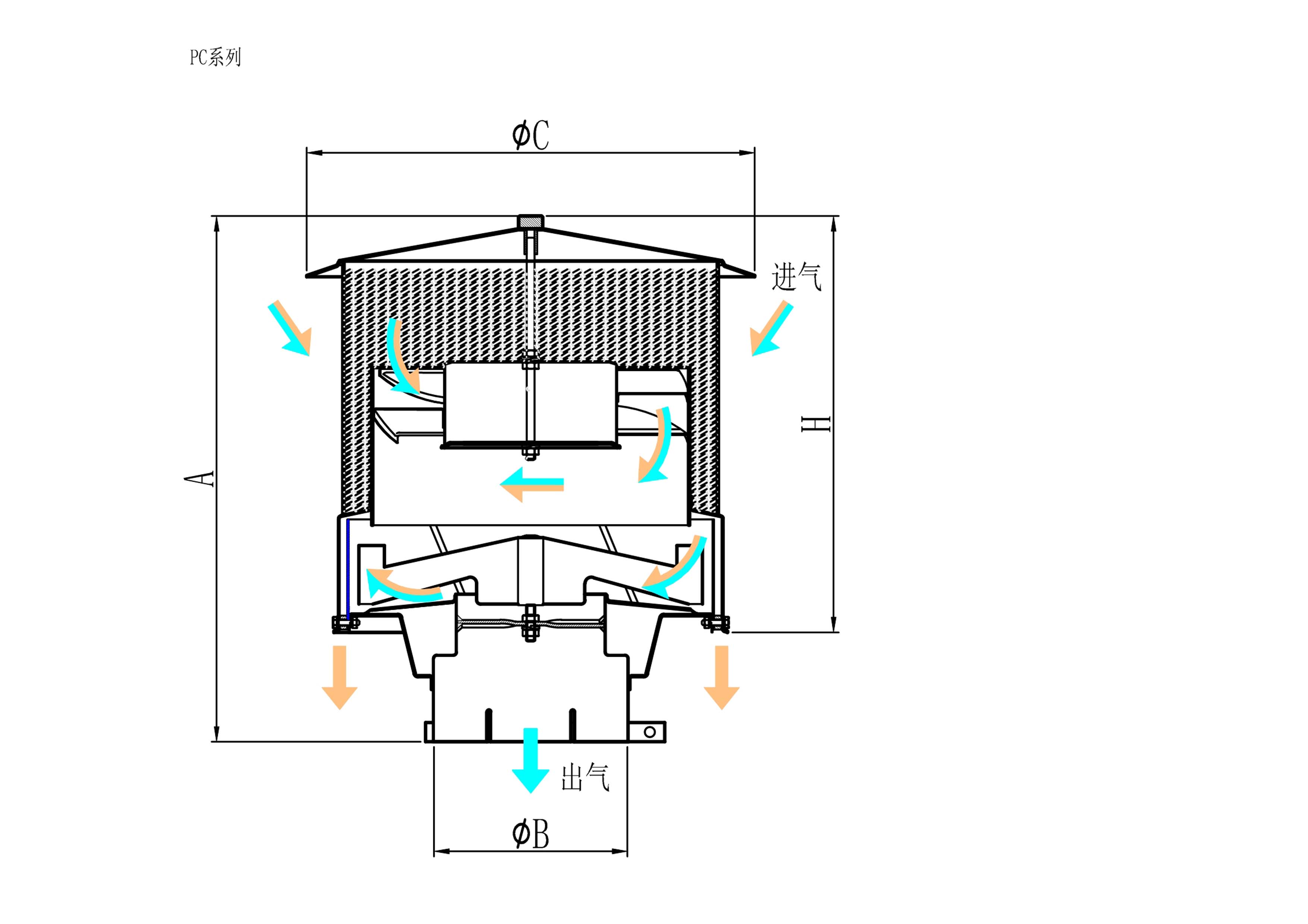
Turbine pre-cleaners utilize incoming air to spin an internal impeller. This creates centrifugal force that throws dust and moisture outward. The system then ejects these contaminants through discharge ports. This technology represents a highly efficient excavator engine precleaner solution. The spinning rotor acts as a dynamic barrier, physically knocking heavy particles out of the airstream before they can travel down the intake pipe.
These units are best used in continuous, high-idle operations. They excel in sand, gravel, and high-moisture environments. They are highly effective at handling both heavy dust and rain. The continuous ejection means they are largely self-cleaning, requiring minimal operator intervention during a shift. You install them, ensure they are spinning, and let them work. They handle the heavy particulate load of a rock crusher feeding operation without breaking a sweat.
However, they have limitations. Separation efficiency drops at low engine idle speeds. The intake velocity becomes insufficient to spin the turbine effectively. If an operator spends hours idling or performing very light precision work, the pre-cleaner won't generate enough centrifugal force to eject the dust. The debris simply passes through the static rotor and into the primary filter. You must match the turbine design to the machine's actual working duty cycle.
Scavenged pre-cleaners connect directly to the excavator's exhaust system. They use exhaust gas velocity to create a vacuum draw. This vacuum pulls separated dust from the pre-cleaner and ejects it directly through the exhaust stack. The system relies on the venturi effect created by the exhaust gases rushing past a specifically designed aspiration tube.
This design is ideal for extreme, continuous dust environments. Surface mining and quarrying operations benefit greatly because manual maintenance is minimized. The system actively pulls dust away from the intake, regardless of the engine's intake velocity. As long as the engine is running and producing exhaust flow, the pre-cleaner is actively ejecting dust. This makes it incredibly reliable in the harshest conditions on earth.
The primary limitation is installation complexity. The setup requires specific exhaust plumbing, check valves, and strict OEM compatibility checks. You cannot simply clamp a scavenged system onto any machine. You must route steel tubing from the intake housing to the exhaust muffler. You must install a one-way check valve to prevent hot exhaust gases from backing up into the intake during engine shutdown. The engineering required for a proper retrofit is significant and often requires custom fabrication.
Static pre-cleaners use stationary internal cyclonic tubes or vanes. These components force incoming air into a rapid spiral. Heavy debris drops down into a physical collection bowl or chamber. There are no moving parts. The geometry of the housing creates the necessary centrifugal force as the air rushes through the curved pathways.
These systems work best in environments with mixed debris. Forestry, wood-chipping, and waste handling often involve larger fibrous materials that static units handle well. A spinning turbine might jam on a large piece of bark or a plastic bag. A static tube system simply forces that debris into the collection bowl. They are rugged, simple, and highly effective for specific applications where moving parts are a liability.
The main drawback is the maintenance requirement. Operators must manually monitor and periodically empty the dust collection bowl. If the bowl fills up, the pre-cleaner stops working entirely. The incoming air simply sweeps the accumulated dust right out of the bowl and into the primary filter. This requires strict discipline from the operator to check and empty the bowl multiple times a day in heavy dust conditions.
| Pre-Cleaner Type | Primary Mechanism | Best Use Case | Main Limitation |
|---|---|---|---|
| Centrifugal / Turbine | Internal spinning impeller | Sand, gravel, high moisture | Low efficiency at low idle |
| Scavenged | Exhaust-aspirated vacuum | Extreme dust, mining | High installation complexity |
| Static / Tube | Stationary cyclonic vanes | Mixed debris, forestry | Requires manual emptying |
Proper sizing requires calculating the specific Cubic Feet per Minute (CFM) requirement. You base this on engine displacement, maximum rated RPM, and volumetric efficiency. Turbocharged engines have different volumetric efficiencies compared to naturally aspirated ones. You cannot guess this number. You must pull the engine specification sheet and run the math. A 9-liter engine running at 2200 RPM requires a vastly different pre-cleaner than a 15-liter engine running at 1800 RPM.
Avoid the sizing trap. Buying an oversized pre-cleaner is detrimental. Low air velocity fails to generate the centrifugal force needed to spin out dust. The air simply meanders through the oversized housing, carrying the dust with it. Conversely, undersizing causes immediate, severe engine restriction. The engine struggles to pull enough air through the small intake opening, leading to high exhaust temperatures and power loss. Always match the unit to the engine's exact airflow profile.
When calculating CFM, you must account for the engine's maximum possible demand. This occurs at high idle under full load. If you size the pre-cleaner for average operating RPM, you will starve the engine when the operator demands full power to break out a stubborn stump or lift a heavy trench box. The pre-cleaner must handle the peak airflow without exceeding the manufacturer's restriction limits.
Evaluate the initial restriction added by the pre-cleaner. This is typically measured in inches of water (H2O). Ensure it falls well below the engine manufacturer's maximum allowable limit. Modern electronic engines are highly sensitive to intake restriction. They use mass airflow sensors and manifold absolute pressure sensors to monitor the intake tract constantly. If the restriction exceeds the programmed parameters, the engine control module will intervene.
Tier 4 Final and Stage V systems react poorly to restricted airflow. Excessive restriction triggers fault codes. It can force power derating and cause incomplete DPF regeneration. When an engine lacks sufficient air, it runs rich, producing excessive soot. This soot rapidly loads the diesel particulate filter, forcing frequent and often unsuccessful regeneration cycles. Maintaining warranty compliance requires strict adherence to OEM restriction budgets.
You must measure the restriction of the entire intake system, not just the pre-cleaner. The piping, elbows, primary filter housing, and the pre-cleaner all contribute to the total restriction. If the OEM allows a maximum of 25 inches of H2O, and your clean primary filter already pulls 15 inches, you only have 10 inches of budget left for the pre-cleaner and associated plumbing. Choose a low-restriction model to ensure you stay within safe operating parameters.
Assess the material build against the high-vibration environment of excavator booms and engine hoods. Glass-reinforced polymer and heavy-gauge steel offer different structural advantages. The unit must withstand constant mechanical shock. An excavator tracking across blasted rock generates severe high-frequency vibrations. A cheap plastic housing will shatter within weeks. You need industrial-grade materials designed for heavy equipment applications.
Consider clearance and visibility during installation. Ensure the physical dimensions do not obstruct the operator’s line of sight. The installed unit must also remain within the excavator's transport height profile. If you mount a massive pre-cleaner on top of the engine hood, it might get ripped off by a low bridge during transport on a lowboy trailer. You must measure the total height of the machine with the pre-cleaner installed and compare it to your local transport regulations.
Mounting hardware is just as critical as the pre-cleaner itself. Use heavy-duty T-bolt clamps and reinforced silicone hoses. Standard worm-gear clamps will loosen under vibration, creating a bypass leak. The mounting bracket must be fabricated from thick steel and bolted securely to the machine's frame or engine block. Do not rely on the intake piping alone to support the weight of a heavy metal pre-cleaner.
Genuine OEM filtration systems offer integrated, factory-engineered solutions. They provide guaranteed fitment and validated restriction metrics. Using genuine parts helps preserve warranty status without question. When you buy a pre-cleaner directly from the equipment manufacturer, you know it has been tested on that specific engine model. The mounting brackets will line up perfectly, and the restriction levels will be within spec.
Specialist aftermarket manufacturers often offer advanced proprietary technologies. They provide flexible universal mounting kits. These options are excellent for retrofitting older machinery fleets. An aftermarket specialist might offer a turbine design that is significantly more efficient than the older static bowl design that came from the factory. You can upgrade the filtration performance of a ten-year-old machine using modern aftermarket components.
You must balance the higher upfront cost of self-ejecting models against the continuous labor costs of manually emptying static dust bowls. A premium turbine pre-cleaner might cost three times as much as a basic static bowl. However, if the static bowl requires an operator to stop working for ten minutes every day to empty it, the turbine unit will pay for itself in saved labor and increased productivity within a few months. Always evaluate the total operational impact, not just the purchase price.
When selecting aftermarket parts, demand documentation. Reputable manufacturers will provide flow charts, restriction curves, and efficiency test results based on ISO standards. If a supplier cannot provide hard data proving their pre-cleaner meets your engine's CFM and restriction requirements, walk away. Guessing on intake filtration is a guaranteed path to engine failure.
Establish a routine daily visual inspection. Check for cracked housings, loose connection clamps, and clogged ejection slots. For turbine-style units, verify that the internal impeller spins freely. It should not catch or grind on dust buildup. A seized rotor turns a turbine pre-cleaner into a restriction device. The operator must physically look at the unit before starting the machine every morning.
Implement a strict "no-tool" cleaning protocol. Safely remove blockages by gently shaking the component. You can also use low-pressure compressed air. Train field crews to never strike the housing with hammers or wrenches. Physical impacts warp internal geometry and crack rotors permanently. Mechanics often get frustrated with packed mud and hit the housing to dislodge it. This destroys the precise balance of the turbine and ruins the unit.
Record all maintenance activities in the machine's logbook. Track how often the primary filter needs replacement after installing the pre-cleaner. This data proves the effectiveness of the unit and helps establish new, optimized maintenance intervals. If you are still changing the primary filter just as often, you either have a bypass leak or the pre-cleaner is incorrectly sized for the application.
Intake system leaks present a major risk. Microscopic leaks in the ducting allow dirty air to bypass the separator completely. Mitigate this by using heavy-duty T-bolt clamps. Install high-quality silicone or rubber step-down adapters. Perform regular pressure-testing of the intake tract. A leak the size of a pinhole can allow enough silica dust into the engine to destroy the piston rings within a few hundred hours. You must ensure the entire system is hermetically sealed from the pre-cleaner down to the turbocharger inlet.
Water ingestion during heavy rain or washdowns is another hazard. Poorly designed intake caps can channel water directly into the intake tract. Specify pre-cleaners with built-in moisture-drainage slots. Implement protective covers during high-pressure machine washing. When the wash crew hits the machine with a 4000 PSI pressure washer, they can easily force water past the pre-cleaner's defenses. Train the crew to bag the intake before washing the engine compartment.
Extreme temperature cracking affects plastic housings. They become brittle under sub-zero winter temperatures or excessive engine compartment heat. Select ruggedized, UV-resistant glass-filled nylon or metal-housed units rated for extreme temperature ranges. A standard plastic housing might survive a mild summer, but it will shatter when hit by a stray branch during a -20 degree winter logging operation. Match the material to the operating environment.
Vibration-induced fatigue is a silent killer of intake systems. The long lever arm of a heavy pre-cleaner mounted on a tall intake pipe creates massive stress on the lower mounting points. Use rubber vibration isolators on the mounting brackets to absorb the shock. Inspect the welds on the intake piping regularly for hairline cracks. If the pipe snaps, the engine will ingest unfiltered air immediately.
An air intake pre-cleaner is a highly engineered protection system. It must be tailored to the machine's specific airflow profile and operational environment. Base your procurement decision on a strict hierarchy of criteria. Prioritize CFM match, debris compatibility, OEM restriction compliance, and durability. Do not treat this component as a generic accessory; it is vital to the survival of your heavy equipment.
A: Use the standard formula: (Engine Displacement in Cubic Inches × RPM × Volumetric Efficiency) / 3456. Always check the engine specification sheet to verify the exact maximum CFM requirements at peak high idle.
A: No, provided the unit is correctly sized and does not exceed the OEM's maximum allowable restriction limits. Using certified parts that match OEM specifications ensures full warranty compliance.
A: High-speed turbine pre-cleaners use centrifugal force to throw both solid dust particles and liquid moisture droplets outward against the housing walls. They route these contaminants out through discharge slots before they can saturate the primary filter.
A: A scavenged pre-cleaner uses a connection to the exhaust system to create a vacuum, pulling dust out automatically. A non-scavenged unit relies on gravity, centrifugal force, or manual emptying to remove separated debris.
A: You should perform a visual inspection daily before operation. Check for physical damage, ensure discharge ports are clear, and verify that turbine models spin freely without grinding.
A: An oversized unit will not generate enough air velocity to create the necessary centrifugal force. This causes the pre-cleaner to fail at separating dust, allowing debris to pass directly into the primary filter.
