
Views: 0 Author: Site Editor Publish Time: 2026-08-15 Origin: Site


Modern common-rail diesel engines operate under extreme pressures. These advanced fuel systems often push liquid well past 30,000 PSI during normal operation. At these intense pressures, even microscopic contamination causes catastrophic injector failure. You cannot afford to ignore basic fuel system maintenance. Replacing a filter acts as a low-cost risk mitigation strategy for your engine. However, relying solely on your owner's manual remains a dangerous gamble. Factory intervals usually ignore variable fuel quality and harsh real-world driving conditions.
You need a proactive approach to protect your engine from premature wear. This article provides an evidence-based framework for everyday drivers and fleet managers alike. We will help you determine your actual diesel fuel filter lifespan based on your unique environment. You will also learn exactly how to evaluate replacement options effectively. By understanding these environmental and mechanical variables, you keep your truck running stronger for a much longer period.
Manufacturers usually provide a strict baseline window for maintenance. They typically suggest swapping filters every 10,000 to 25,000 miles. Some automotive brands recommend replacement every one to two years regardless of mileage. We call this the standard OEM interval. It looks great on paper. But reality often dictates a very different maintenance schedule. You cannot just watch the odometer and assume your fuel system remains safe.
Time plays a massive role in filter degradation. Diesel fuel naturally breaks down over several months. This breakdown forms dark asphaltenes. Furthermore, microbes and algae can actually grow inside your fuel tank. These biological organisms multiply rapidly in stagnant, moisture-rich fuel environments. They eventually create a thick, black slime. This acidic slime prematurely clogs filter media long before you hit the factory mileage limit. If you park your diesel truck for long periods, time-based degradation becomes your primary enemy.
We also must evaluate the severe duty caveat. Most drivers operate under severe duty conditions without even realizing it. What actually constitutes a severe duty cycle? Frequent towing, heavy idling, and driving in dusty agricultural environments all qualify. Stop-and-go city traffic also pushes engines into this category. These conditions force your engine to circulate more fuel through the system to maintain power. They dramatically slash your expected diesel fuel filter lifespan by up to 50 percent.
Estimated Diesel Filter Lifespan by Duty Cycle
| Driving Condition | Primary Characteristics | Expected Replacement Window |
|---|---|---|
| Standard Highway | Long trips, consistent speeds, clean air | 15,000 - 25,000 miles |
| Moderate City | Stop-and-go traffic, moderate idling | 10,000 - 15,000 miles |
| Severe Duty (Towing) | Heavy loads, mountain grades, high heat | 7,500 - 10,000 miles |
| Agricultural / Off-Road | High dust, extreme idling, dirty fuel sources | 5,000 - 7,500 miles |
Gasoline engines and diesel engines handle fuel filtration very differently. Diesel fuel systems operate under incredibly tight physical tolerances. They require specialized protection mechanisms. A typical gasoline filter might trap debris around 10 to 40 microns in size. This rating proves entirely inadequate for diesel applications. Modern common-rail diesel injectors feature microscopic spray holes. They demand extreme filtration down to 2 or 4 microns. For visual context, a standard human hair measures roughly 70 microns across. A red blood cell measures about 8 microns. Diesel filters must trap particles much smaller than a single blood cell.
These incredibly tight tolerances explain why water causes such massive devastation. Diesel fuel naturally acts as a vital lubricant. It heavily coats the internal moving parts of your high-pressure fuel pump. Water provides absolutely zero lubricity. When water enters a high-pressure pump, metal violently grinds against metal. This friction instantly creates metallic shavings. The pump effectively machines itself to death in seconds. It then sends these sharp metal shards directly into your expensive injectors.
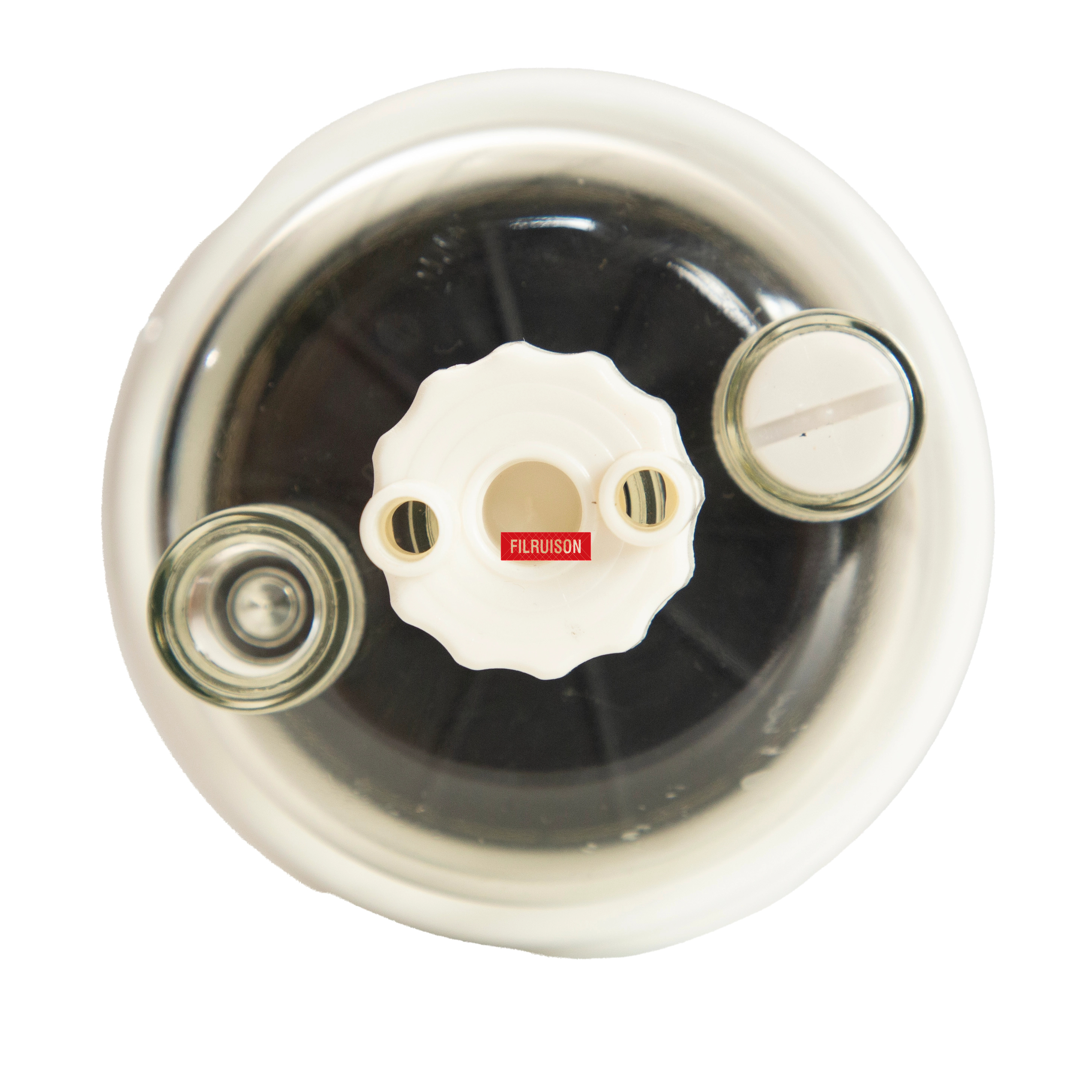
To prevent this specific catastrophe, engineers rely on a dual-stage setup. You need a dedicated Diesel Fuel Filter Water Separator installed in the line. Modern separators handle two distinct types of moisture. They manage free water and emulsified water. Free water pools heavily at the bottom of your tank. It separates fairly easily. Emulsified water poses a much tougher challenge for the system. It remains tightly suspended within the diesel fuel itself. The droplets appear microscopic.
A high-quality separator uses specialized synthetic media to catch this moisture. This media strips those tiny droplets out before they ever reach delicate engine components. You must remember one critical detail regarding this process. Once your water separator reaches its maximum holding capacity, the entire unit fails functionally. The trapped water simply bypasses the saturated media. It travels straight into the engine block. This catastrophic failure occurs even if the paper media looks perfectly clean. The filter can no longer protect your injectors from moisture ingress.
Fuel quality fluctuates wildly from station to station. A single bad batch of fuel ruins timelines instantly. You might fill up at a rural station utilizing dirty underground tanks. This bottom-of-the-tank sludge enters your fuel system immediately. It will aggressively clog a brand-new filter in just a few miles. You cannot predict when you might encounter contaminated pump fuel. Therefore, you must remain vigilant about sudden performance changes after refueling.
Winter weather creates its own unique set of maintenance nightmares. Cold temperatures cause paraffin wax inside diesel to crystallize rapidly. This crystallization process creates a thick, cloudy gel. The resulting gel aggressively blinds the filter media. It blocks fuel flow entirely. You must treat your tank early to prevent this issue. Anti-gel additives lower the cold filter plugging point (CFPP). However, if a filter heavily gels and starves the engine, you often must replace it. Severe gelling damages the delicate cellulose fibers permanently.
Biodiesel blends like B20 introduce another significant maintenance challenge. Biodiesel acts as a powerful industrial solvent. It aggressively cleans out old sludge from your tank walls. It then pushes this accumulated gunk directly into the fuel lines. First-time biodiesel users usually experience rapid filter clogging. Older trucks transitioning to bio-blends face the highest risks.
Here are three actionable steps to protect your system against these variables:
You must recognize physical warning signs early. Your engine control unit (ECU) constantly monitors fuel rail pressure. When a filter clogs, fluid pressure drops fast. The ECU notices this dangerous drop instantly. It triggers a protective "limp mode" to save internal components. Your vehicle will suddenly lose acceleration power. You will also see a Check Engine Light illuminate on the dashboard.
Many trucks feature a specific "Water in Fuel" (WIF) indicator on the dash. When this warning light illuminates, you must act quickly. Stop the vehicle and drain the separator immediately. Most separators feature a small petcock valve at the bottom for this purpose. If the WIF light returns shortly after draining, your filter media is likely saturated. A full replacement becomes completely necessary at this stage.
Pay close attention to daily drivability issues. Fuel starvation creates very obvious physical symptoms. Do not ignore these critical red flags:
Choosing the right replacement component matters immensely. OEM filters offer proven reliability and precise fitment. Premium aftermarket options can also perform exceptionally well. However, you must avoid ultra-cheap, white-box filters found on massive online marketplaces. These bargain units often lack proper micron ratings. They usually use cheap paper instead of advanced synthetic media. Saving money here frequently results in engine destruction.
Check key specifications carefully before purchasing any replacement part. Let's examine absolute versus nominal micron ratings. "Absolute" means the filter stops 98.6% of all particles at that specific size. "Nominal" means it stops only about 50% of them. You must demand absolute ratings to guarantee safety. A nominal 2-micron filter allows massive amounts of dangerous debris to pass through to the injectors.
Verify water separation efficiency percentages next. Look for premium products boasting over 95% emulsified water separation. Examine the underlying media type closely. Synthetic multi-layer media outperforms standard single-layer cellulose paper every time. Synthetic glass microfibers trap significantly more dirt. They also handle higher fuel pressures without collapsing under stress.
Filter Quality Comparison Metrics
| Feature | Cheap Aftermarket Filter | Premium / OEM Filter |
|---|---|---|
| Micron Rating Standard | Nominal (Stops ~50% of debris) | Absolute (Stops >98% of debris) |
| Water Separation | Below 80% efficiency | Above 95% efficiency |
| Media Construction | Single-layer cellulose (Paper) | Multi-layer synthetic microglass |
| Structural Integrity | Weak plastic or thin metal housing | Reinforced housing, high burst strength |
Understand your specific truck's implementation reality. Fuel system architectures vary wildly between manufacturers. Some trucks utilize a single under-hood filter. Others rely exclusively on a rear frame-rail unit located near the tank. Many modern heavy-duty diesels require a dual-filter replacement kit. You must replace all designated filters simultaneously in a dual system. This comprehensive approach ensures complete system protection. Failing to replace the secondary filter completely negates the benefits of replacing the primary one.
You must treat the 15,000-mile mark as a maximum limit, never a target. Adjust this baseline downward aggressively for winter conditions or heavy towing operations. Proactive maintenance remains your best defense against catastrophic mechanical failures. We highly recommend swapping filters every 10,000 miles if you frequently haul heavy loads.
Reiterate the basic decision-stage logic before buying parts. The cost of a premium synthetic filter represents a tiny fraction of the cost of a ruined high-pressure fuel pump. A destroyed CP4 pump or a ruined set of modern piezo injectors will easily drain your bank account. You protect these critical investments by choosing high-efficiency filtration.
Do not wait for your truck to enter limp mode on the highway. Input your specific vehicle make, model, and engine year to find the exact OEM-equivalent or premium upgraded fuel filter kit. Secure your diesel's reliability today by prioritizing clean, water-free fuel delivery.
A: No. You cannot clean or reuse them. Diesel filter media contains microscopic pores designed to trap particles as small as 2 microns. You cannot successfully back-flush this embedded debris. Attempting to clean the filter often tears the delicate synthetic fibers. This allows massive contamination to bypass the media and destroy your injectors.
A: You should typically drain the separator every 5,000 miles. However, checking it once a month offers better protection. If you live in a humid climate or frequently buy fuel from unverified stations, drain it more often. Always drain it immediately if your dash warning light illuminates.
A: Yes. A severely clogged filter restricts flow and drops fuel rail pressure. The engine control unit detects this pressure loss and usually triggers a diagnostic trouble code. You will frequently see low fuel rail pressure codes, such as P0087, alongside a Check Engine Light.
A: Cold weather causes the paraffin wax in diesel to crystallize and gel. Temporary gelling often resolves once you apply anti-gel additives and warm the system. However, severe gelling can permanently blind the microscopic filter pores. If the engine starves for fuel despite using additives, you must replace the filter.
