
Views: 0 Author: Site Editor Publish Time: 2026-10-21 Origin: Site


Picture this scenario. You are pushing a combine through a bone-dry soybean field at the absolute peak of harvest season. The midday sun is relentless. The wind kicks up blinding clouds of topsoil. Suddenly, you notice a distinct drop in engine performance. The machine feels sluggish under load, and the exhaust begins to run dark. As a fluid and filtration engineer, I see this constantly. In the uniquely unforgiving environment of modern farming, massive volumes of dirt, airborne debris, and crop chaff make the agricultural machinery air filter one of the hardest-working components under your hood.
Understanding exactly how often these critical components choke can save your operation thousands of dollars. Recognizing the early warning signs of restricted airflow is just the beginning. You also need to know when to upgrade to heavy-duty filtration options. Preventing catastrophic engine repairs and avoiding costly downtime requires a proactive, evidence-based approach to maintenance. Specifically, this comprehensive guide will cover everything you need to know about your equipment's filtration lifespan. We will explore the environmental variables that accelerate wear and show you how to establish a highly effective, dynamic maintenance schedule.
Varying Lifespans: An engine breathing apparatus does not have a one-size-fits-all expiration date. Clogging frequency depends heavily on localized environmental conditions and soil types during peak operational seasons.
The Dust Factor: Heavy harvest debris can drastically reduce expected longevity from several months down to a matter of weeks or even days.
Watch for Symptoms: Increased fuel consumption, dark exhaust smoke, and sluggish engine performance remain the primary mechanical indicators of a severely restricted intake.
Upgrade for Durability: Switching to a heavy-duty radial seal design provides a more secure fit. This superior particulate capture significantly reduces the risk of bypass leaks in high-vibration settings.
Never Ignore the Indicator: Relying on vacuum-based restriction gauges rather than mere visual inspections is the most accurate way to determine your true maintenance timeline.
When determining the exact lifespan of your filtration system, operators must first establish a baseline. Under normal, relatively clean conditions, a standard element might last anywhere from 250 to 500 operating hours. These ideal scenarios include transporting equipment on paved roads or working in damp soil with minimal wind. The airborne particulate count is low enough to allow the media to capture debris slowly without choking airflow.
However, in real-world farming, standard conditions are practically a myth. During dry, dusty field operations like plowing or tilling, the concentration of airborne particulates increases exponentially. In these extreme environments, an intake system can reach maximum restriction and clog completely in as little as 50 to 100 hours. The disparity between paved-road transport and dry-field tilling is immense. It requires constant vigilance from the operator.
Original Equipment Manufacturers provide a recommended service interval in every equipment manual. While these guidelines are based on extensive engineering tests, they are ultimately baseline averages. They assume a mix of light, moderate, and heavy-duty usage. Strictly adhering to a 300-hour replacement schedule while working through a severe dust storm will almost certainly result in equipment failure.
Furthermore, recent industry trend analyses reveal a significant shift in how agricultural operations manage maintenance. With prolonged dry seasons becoming more frequent globally due to climate shifts, heavy equipment faces unprecedented particulate loads. Consequently, fleet managers are moving away from static, calendar-based replacements. There is a growing reliance on dynamic, predictive monitoring. The industry is rapidly adopting advanced IoT vacuum sensors and real-time telematics to anticipate clogs before they cause performance drops. Until these smart sensors become standard on all tractors, operators must treat the factory interval as a flexible guideline. You must adjust it dynamically based on daily visual inspections and mechanical restriction checks.
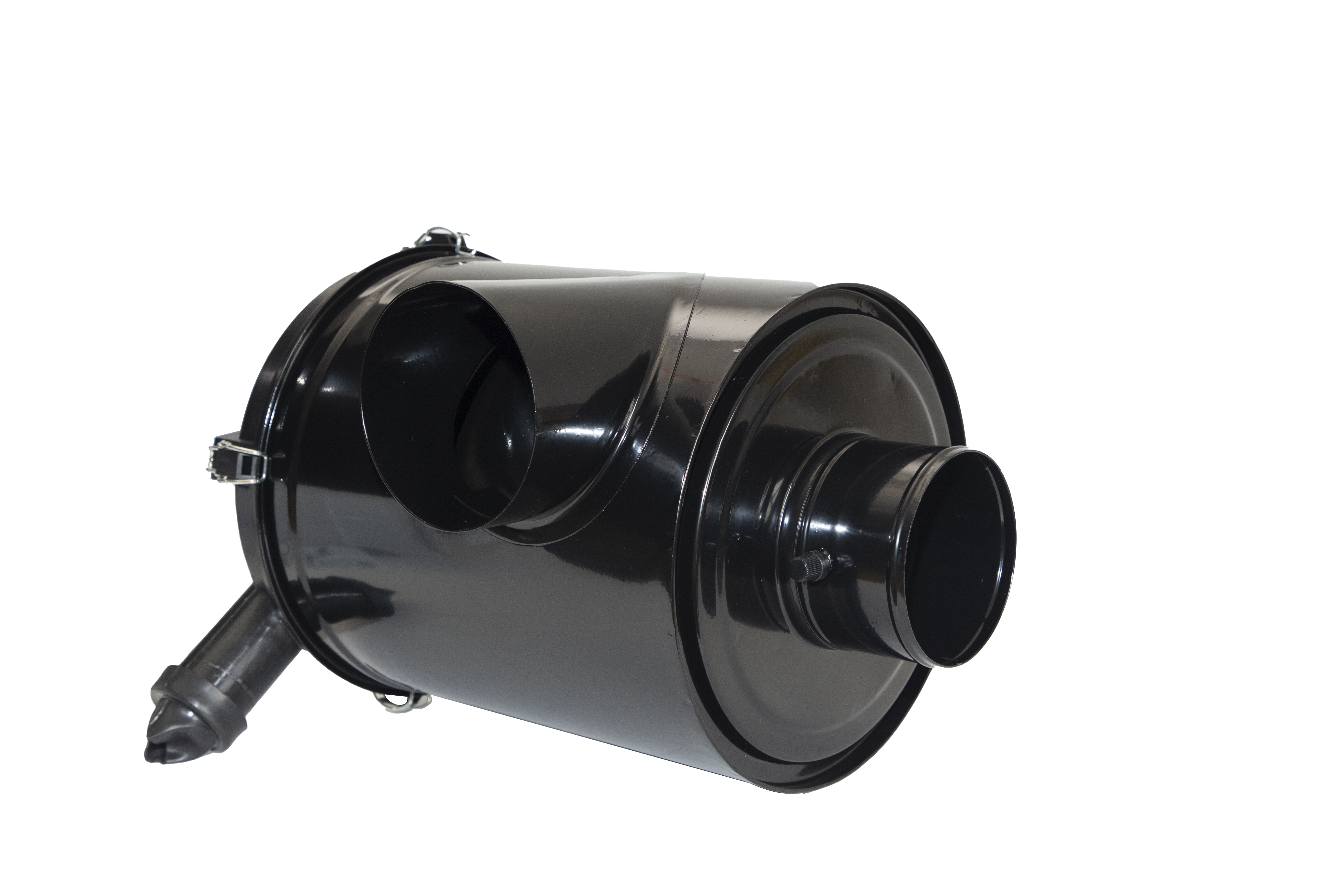
Not all dirt is created equal. The specific composition of harvest dust makes it uniquely damaging to internal combustion engines. Unlike standard road grit, which is relatively uniform, agricultural dust is a complex and abrasive mixture. It contains fine soil particles, dried plant matter, pulverized chaff, and microscopic silica. These micro-particles are jagged and highly irregular.
When drawn into the intake at high velocities, these particles rapidly embed themselves deep within the microscopic pores of the media. Organic harvest matter sometimes carries residual plant oils or morning dew moisture. This allows it to form a dense, cake-like layer over the cellulose. This bridging effect restricts engine airflow at a much faster rate than typical dry dirt. It drastically shortens the effective lifespan of the component.
Beyond microscopic particulates, agricultural work involves massive volumes of macro-debris. Stalks, husks, leaves, and large chaff are constantly kicked up by headers and tires. This larger agricultural debris presents a severe physical blockage hazard.
Often, this material is sucked against the primary intake screens or pre-cleaner housings before the air even reaches the main element. When the intake housing is physically obstructed, the engine experiences an immediate vacuum spike. This starves the engine of oxygen. It also forces the primary media to handle concentrated, high-velocity dust streams through whatever small intake gaps remain. This significantly accelerates the choking process.
Internal combustion engines require a precise ratio of air to fuel to generate power. A compromised intake acts like a chokehold on the equipment respiratory system. As the media fills with dirt, the volume of oxygen reaching the combustion chamber drops significantly.
This lack of oxygen effectively starves the engine. Operators will typically notice a distinct loss of horsepower, particularly when the machine is under heavy load. Whether you are pulling a heavy ripper or operating high-capacity hydraulic systems, the engine may feel sluggish. It might become unresponsive or entirely incapable of reaching its standard operating RPM.
When an engine struggles to breathe through a restricted tractor air filter, it attempts to compensate to maintain power output. The engine management system or the mechanical governor will inject more fuel into the cylinders to keep the equipment moving.
Because there is insufficient oxygen to burn this excess fuel efficiently, the combustion process becomes highly inefficient. This leads to a measurable spike in diesel consumption. For large-scale farming operations, even a minor decrease in fuel efficiency across a fleet translates into thousands of dollars in wasted operational costs over a single season.
One of the most visible and undeniable indicators of a severely blocked intake is the presence of thick, dark exhaust smoke. This phenomenon is directly tied to the altered air-to-fuel ratio.
When the engine runs rich, there is far too much fuel and not nearly enough oxygen. The fuel cannot ignite and burn completely. The unburned diesel is expelled through the exhaust manifold and out the stack as dense black soot. If a tractor that normally runs clean suddenly begins emitting dark smoke under load, the air intake system is your very first diagnostic checkpoint.
Modern agricultural machinery relies on objective data rather than operator guesswork. Most contemporary tractors and combines are equipped with vacuum-based restriction indicators. These devices measure the negative pressure inside the air intake pipe between the housing and the engine.
As the media clogs, the engine must pull harder to draw air. This increases the vacuum pressure. Once this pressure reaches a critical threshold, the indicator will trigger. It might lock a physical yellow or red gauge under the hood, or illuminate a warning light on the dashboard. This is the definitive, empirical proof that maintenance is required immediately.
Procrastinating on routine maintenance is a high-risk gamble. The most severe consequence of ignoring a plugged intake is the dust bypass effect. An engine is essentially a massive air pump. If the primary intake is blocked, the engine suction does not simply stop. The vacuum pressure continues to climb relentlessly.
Under extreme vacuum conditions, the structural integrity of a neglected element will fail. The delicate paper or synthetic media can tear. The rubber seals can warp. Once a breach occurs, unfiltered air carrying highly abrasive silica is sucked directly into the engine cylinders. Silica acts like liquid sandpaper inside the combustion chamber. It scores cylinder walls, destroys piston rings, and contaminates the engine oil. This rapid wear can destroy a powertrain in a matter of hours.
From a financial perspective, ignoring this aspect of machinery care is an exercise in false economy. A routine replacement part typically costs a fraction of major engine components and takes mere minutes to install.
In contrast, if an operator neglects this minor expense during a peak harvest window, the resulting dust ingestion leads to catastrophic engine rebuilds costing tens of thousands of dollars. Furthermore, unplanned downtime leaves expensive crops unharvested in the field. They become vulnerable to weather degradation and yield loss. The return on investment for timely, proactive replacement is undeniably high.
As agricultural equipment has grown more powerful, filtration technology has evolved to meet intense demands. Standard older-generation designs often rely on axial seals. These feature metal end caps with rubber gaskets that must be compressed tightly by a housing nut to create a seal. If that nut loosens even slightly from field vibration, the seal breaks.
Conversely, a radial seal filter utilizes advanced polyurethane or flexible urethane end caps. This pliable material is designed to slide over the intake tube. It compresses radially inward and outward against the housing to create a leak-free, self-aligning friction fit. It ensures the system remains airtight without relying on mechanical fasteners that are prone to failure.
Feature | Standard Axial Seal | Heavy-Duty Radial Seal |
|---|---|---|
Seal Mechanism | Metal end cap with compressed rubber gasket | Flexible polyurethane self-aligning friction fit |
Vibration Resistance | Poor. Nuts loosen over rough terrain. | Excellent. Absorbs shock and maintains contact. |
Bypass Leak Risk | High risk under heavy load and vibration | Near zero risk of dust bypass |
Installation Speed | Slower, requires tightening hardware | Fast, simple push-to-fit installation |
When selecting a replacement, you need specifications that match the brutality of your environment. For instance, high-performance options like the PL3595570 model are engineered specifically for high-dust grain and seed cleaning environments. These units are built to handle massive airflow rates of 8 to 12 cubic meters per minute. By utilizing high-density polyurethane end caps and reinforced structural mesh, these designs prevent the media collapse that plagues cheaper alternatives under high vacuum loads. Choosing this heavy-duty upgrade is a proven strategy for maintaining seal integrity right up to the very end of the component lifespan.
A very common yet highly discouraged practice on many farms is removing a dirty element and using an air compressor to blow out the accumulated dust. While this may temporarily make the pleats look cleaner and cause the restriction gauge to drop, it is incredibly risky behavior.
Standard shop air compressors operate at 90 to 120 PSI. The cellulose media inside an engine intake is fragile. It is engineered to trap particles measured in microscopic microns. Blasting this media with high-pressure air easily creates micro-tears that are completely invisible to the naked eye. Once reinstalled, these micro-tears act as open doors. They allow silica and grit to flow straight into the engine. The temporary cost savings of blowing out media are entirely negated by the immense risk of engine destruction.
If an operator must clean an element in an emergency field situation, strict engineering guidelines apply. The only approved method is to gently tap the solid rubber end cap against the palm of the hand or a soft rubber tire to dislodge loose, caked dirt. It should never be struck against hard metal.
If the restriction indicator remains in the red zone after tapping out loose dirt, the media is permanently blinded and must be discarded. Likewise, if the maximum recommended operating hours have been reached, it must be replaced. Secondary safety elements should never be cleaned. They must be replaced entirely every third time the primary unit is changed. Finally, washing heavy-duty paper media with water or solvents is strictly prohibited because it destroys the structural integrity.
One of the most effective ways to prolong longevity is to stop dirt before it ever reaches the primary housing. Installing a centrifugal pre-cleaner on the intake stack is a highly recommended mechanical upgrade for severe environments.
These devices use angled vanes to create a cyclone effect inside the intake chamber. The centrifugal force spins heavy particles like chaff, dirt, and large granules outward. They are then expelled through a one-way dust ejector valve. Empirical field data shows that a high-quality pre-cleaner can remove up to eighty percent of airborne debris before the air enters the main housing. This dramatically extends operational life.
Proactive maintenance requires daily diligence. During heavy tillage or harvesting, operators should implement a strict morning inspection routine before ever turning the ignition key.
This routine takes only minutes. Check the pre-cleaner bowl to ensure it is not packed with debris. Inspect the exterior intake screens and grilles for large chaff blockages, clearing them by hand. Verify the restriction gauge or electronic dashboard indicator to ensure it has not tripped. Finally, check the integrity of the rubber intake hoses for cracks or loose clamps. Adopting these rigorous habits ensures peak machinery efficiency, regardless of how hostile the environment becomes.
The exact time it takes for an intake system to clog varies wildly based on your soil, crop, and climate. The harsh reality of agricultural fieldwork means farmers must remain endlessly proactive. The sheer volume of airborne debris generated during a dry harvest forces operators to act fast and monitor their equipment closely.
Treating your maintenance schedule as a dynamic, flexible timeline rather than a fixed calendar date is the absolute key to heavy equipment longevity. Rely on your restriction gauges. Perform daily visual checks. Never underestimate the destructive power of silica dust entering your combustion chamber.
Protect your expensive machinery by upgrading to high-quality filtration solutions today. If you are experiencing rapid clogging or seal failures, it is time to rethink your setup. Explore reliable, heavy-duty options like the radial seal designs available at Sykingtech. By matching the right product parameters to your specific machinery, you ensure maximum engine protection, prevent costly downtime, and keep your operation running smoothly through the toughest seasons.
Generally, no. Most heavy-duty engine filtration systems are manufactured using specialized cellulose or synthetic media blends. These materials break down when exposed to water or chemical solvents. Washing them destroys their precise micron-rating and structural integrity. This renders them completely useless at stopping fine dust.
The larger primary unit does the heavy lifting. It catches the vast majority of environmental debris. The secondary, smaller inner unit is a critical safety backup. It is designed exclusively to protect the engine if the primary media fails, tears, or is temporarily removed for servicing. The safety unit should never be cleaned. It should be replaced entirely every third time the primary unit is changed.
If your intake housing is visibly caked in a thick layer of dirt and your engine is exhibiting a noticeable loss of power, but the restriction gauge has not moved, the indicator is likely faulty. The vacuum line connecting it might also be cracked. Always replace the element if engine performance drops, regardless of what the gauge reads.
Yes, and often faster, depending on the prevailing wind and dust direction during field operations. While a clogged cabin unit does not negatively affect engine performance, it drastically reduces operator comfort. It limits HVAC efficiency and allows harmful agricultural particulates into the breathing zone of the cab.
For extreme agricultural environments, primary intake media is typically engineered to capture particles in the 5 to 10 micron range at efficiencies exceeding 99.9 percent. Microscopic silica dust, which causes the most severe engine wear, often falls within this size bracket. Relying on lower-tier media with poorer micron ratings guarantees rapid engine degradation.
High humidity or morning dew combined with heavy dust creates a worst-case scenario. The moisture mixes with the dry soil and organic chaff entering the intake. This forms a thick, mud-like cake on the cellulose media. This bridging effect blinds the pleats much faster than dry dust alone, causing the restriction gauge to spike rapidly.
