
Views: 0 Author: Site Editor Publish Time: 2026-08-07 Origin: Site


Maintaining a diesel fuel system carries incredibly high stakes. Modern High-Pressure Common Rail (HPCR) injection systems operate at extreme pressures. At these tight tolerances, even microscopic contaminants or tiny water droplets can trigger catastrophic, multi-thousand-dollar engine failures. Relying solely on a static mileage number puts your equipment at serious risk. A precise maintenance schedule requires evaluating OEM baselines against real-world operating conditions, fuel quality, and daily duty cycles. You need a dynamic approach rather than a rigid calendar. This guide provides a clear, evidence-based framework for determining exact replacement intervals and evaluating filter hardware. We will help you move away from reactive repairs and toward proactive asset protection. You will learn exactly when to service your fuel system for maximum reliability.
Engine manufacturers provide specific guidelines for maintenance. Industry consensus suggests replacing filters every 10,000 to 15,000 miles. Some manufacturers recommend swapping them every 12 to 24 months. You should treat the owner’s manual as your definitive starting point. It offers the baseline requirement for warranty compliance. However, this manual does not provide an absolute final answer. Operating conditions vary drastically across different climates and use cases. You must determine how often to change diesel fuel filter media based on your specific daily tasks.
Fleets and heavy-duty operators rarely rely on odometer readings alone. They track engine hours instead. Idling hours degrade fuel just as much as highway driving. The filtration media constantly processes fuel while the engine runs. A delivery truck might only drive 50 miles in a day. Yet, it could idle for six hours. Measuring by mileage creates a false sense of security. Tracking engine operating hours gives you a much more accurate picture of filter degradation. Experts widely consider 500 operating hours equivalent to a standard mileage interval.
Deferred maintenance carries massive financial risks. A scheduled filter replacement requires a minimal financial outlay. Compare this minor expense against the compounding costs of fuel system failure. A clogged filter starves the injection pump. Components like the infamous CP4 pump rely entirely on diesel fuel for lubrication. Fuel starvation causes immediate metal-on-metal friction. This friction sends metal shavings straight into your expensive fuel injectors. A simple maintenance oversight can quickly escalate into a catastrophic failure requiring complete fuel system replacement.
Many owners unknowingly operate their vehicles under severe duty conditions. Manufacturers classify specific driving habits as severe. These conditions accelerate wear on engine components and filtration media. You must adjust your maintenance schedule if you meet these criteria.
Fuel quality heavily impacts your replacement schedule. Station fuel quality varies by region. Poorly maintained underground tanks often pump water and sediment directly into your vehicle. Furthermore, running higher biodiesel blends requires special attention. Blends like B20 increase the particulate load. Biodiesel acts as a solvent. It scours old deposits from your fuel tank walls and pushes them into your filter. It also absorbs more moisture from the air. This moisture promotes microbial growth, commonly known as diesel algae. This thick sludge can blind a brand-new filter in just a few hundred miles.
You must recalculate your maintenance timeline for severe duty. A common industry rule dictates dropping the interval by 30% to 50%. If your manual suggests 15,000 miles, severe duty drops this requirement to 10,000 miles or less.
| Operating Condition | Mileage Interval | Operating Hours Interval |
|---|---|---|
| Standard Highway Driving | 15,000 miles | 500 hours |
| Heavy Towing / Hauling | 10,000 miles | 350 hours |
| High Idle Delivery Fleets | 8,000 miles | 250 hours |
| B20 Biodiesel Usage | 7,500 miles | 250 hours |
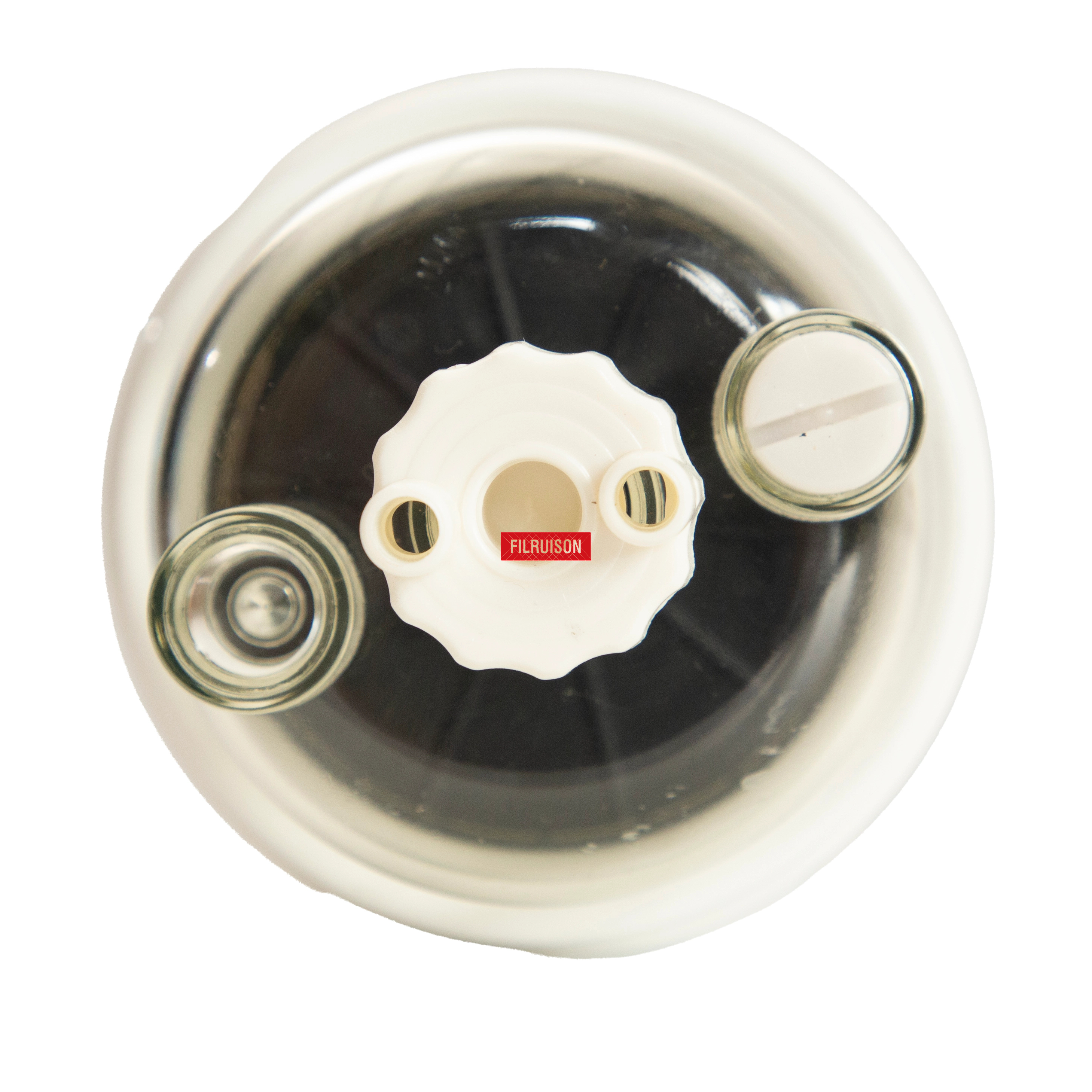
Diesel fuel requires entirely distinct filtration technology. It is naturally hygroscopic. This means it actively attracts and holds water molecules. Standard particulate filtration cannot stop water. Standard paper media simply blocks solid dirt. You need specialized coalescing media to strip moisture from the fuel stream. The Diesel Fuel Filter Water Separator performs this exact mechanical function. It forces microscopic water droplets to merge into larger drops. These heavy drops fall into a collection bowl at the bottom of the housing.
You face an ongoing maintenance requirement between actual filter changes. You must routinely drain the water separator valve. Most experts recommend draining this valve every 3,000 to 5,000 miles. You should also drain it immediately if the Water-in-Fuel (WIF) light illuminates on your dashboard. Draining takes only a few minutes.
You must remember an important distinction. Draining the separator does not extend the physical lifespan of the filter media. The internal cellulose or synthetic fibers still degrade over time. Draining only empties the collected moisture bowl.
Neglecting this component carries severe risks. If the collection bowl overflows, water pushes past the separator media. This water travels directly into the high-pressure injection system. When water reaches an injector tip, immense heat and pressure cause it to flash instantly into steam. This localized steam explosion causes immediate metal erosion. The injector tip blows off, leading to engine hydro-lock or complete failure. Water also strips away diesel fuel's natural lubricating properties. This causes rapid, devastating wear inside the injection pump.
You should never wait for a strict mileage milestone if you notice performance issues. Early indicators of fuel restriction often manifest under heavy engine loads. You might experience a noticeable loss of power when accelerating onto a highway. Pulling a heavy trailer might suddenly feel sluggish. This happens because a dirty filter restricts fuel flow, starving the engine of necessary volume. You may also notice engine hesitation. Surging RPMs or a rough, uneven idle clearly indicate disrupted fuel delivery.
Hard starting is another major warning sign. Extended cranking times point directly to fuel pressure problems. This issue becomes extremely prominent in colder weather. Cold temperatures change fuel viscosity. Diesel thickens and can even gel if un-treated. Pushing thick, cold fuel through a partially blocked filter requires immense effort from the lift pump. If your truck takes longer than usual to fire up on a cold morning, inspect the fuel system immediately.
Modern diagnostic systems provide clear markers for these issues. A restricted filter will trigger Check Engine Light (CEL) codes. These diagnostic trouble codes typically relate to low fuel rail pressure. The engine computer senses inadequate pressure and triggers a warning to prevent pump damage. Furthermore, you can find visible diagnostic evidence during routine maintenance. Look closely at the fluid when draining your water separator. Rust-colored water indicates severe internal tank corrosion. Black, slimy sludge confirms microbial contamination. Finding either of these markers means you need immediate replacement, regardless of recent mileage.
The aftermarket parts industry offers thousands of cheap alternatives. You must avoid heavily discounted "white box" filters. These unbranded filters use inferior paper media. They cannot withstand the suction pressures of modern HPCR diesel engines. Poorly glued seams can rupture, sending unfiltered fuel straight into your injectors. We highly recommend retaining OEM specifications. Using OEM parts ensures strict warranty compliance. They feature much tighter manufacturing tolerances designed specifically for your fuel system.
Understanding micron ratings is critical for evaluating hardware. Filter manufacturers use two different rating systems: Nominal and Absolute. A nominal rating means the filter stops around 50% of particles at a specific size. This offers terrible protection. An absolute rating guarantees the filter stops 98.7% or more of particles at that specified size. Modern diesels require incredibly fine filtration. Your chosen replacement must meet the exact absolute micron rating specified by the engine manufacturer. High-pressure systems often require absolute filtration down to 2 or 4 microns.
Counterfeit filters plague the online marketplace. They replicate OEM packaging perfectly. However, inside the canister, they lack proper water-separating coalescing layers. Implementing strict sourcing logic protects your engine. Spending slightly more at an authorized dealer guarantees authentic, reliable protection.
Diesel fuel filters act as a highly critical, consumable insurance policy for your engine. Paying for preventative maintenance costs a fraction of replacing an entire high-pressure fuel system. You cannot afford to guess when assessing filter health. A proactive approach protects your investment and ensures maximum reliability on the road.
Take immediate action by checking your owner's manual for the official baseline interval. Honestly assess your driving habits to determine if you meet severe duty criteria. If you tow frequently or idle often, reduce your interval accordingly. Finally, establish a recurring calendar or mileage alert for your maintenance tasks. Set a frequent reminder for draining the separator and a scheduled alert for replacing the filter media entirely.
A: No. The microscopic pores in the cellulose or synthetic media permanently trap dirt and contaminants. Attempting to clean the filter with compressed air or solvents forces debris deeper into the media. It can also easily tear the delicate internal fibers. Once removed, you must replace the filter with a brand-new unit.
A: The collection bowl will eventually fill completely. Water will then bypass the filtration media and travel directly to the high-pressure injection pump and injectors. Water strips away diesel’s lubricating properties, causing catastrophic internal metal-on-metal wear. It also flashes to steam inside the injector, destroying the tip instantly.
A: Yes. A partially clogged filter severely restricts flow. This restriction forces the fuel pump to work much harder, draining engine efficiency. It also reduces rail pressure and disrupts the optimal spray pattern at the injector nozzle. This causes incomplete combustion, higher emissions, and noticeably lower miles per gallon.
