
Views: 0 Author: Site Editor Publish Time: 2026-08-12 Origin: Site


Modern High-Pressure Common Rail (HPCR) diesel engines demand pristine fuel. This strict requirement makes ultra-fine filtration a critical topic for maximizing equipment longevity. Operating under extreme pressure, these advanced engines show zero tolerance for microscopic debris. While a 2 micron diesel fuel filter offers superior injector protection, utilizing one improperly carries significant risks. Poor installation setups can lead to severe fuel starvation, rapid lift pump cavitation, and premature clogging issues. We must recognize a crucial reality regarding this technology. The suitability of such precise filtration is not about whether it works. Instead, it revolves heavily around where you place it within the overall fuel system architecture. In this comprehensive guide, you will learn how to properly integrate ultra-fine filters into your engine setup. We will cover the risks of flow restriction, the vital importance of multi-stage architectures, and practical tips for selecting the right components.
We must first frame the core business problem facing modern heavy-duty operators. Today's HPCR injectors operate at incredibly extreme pressures. The fuel rail frequently exceeds 30,000 PSI during normal operation. At these punishing tolerances, the engine becomes highly sensitive to contamination. Even particulate matter as small as 4 microns causes massive mechanical trouble. To put this in perspective, a single human hair measures roughly 70 microns across. These tiny particles easily score injector needles. Over time, they provoke catastrophic fuel system failure, leaving equipment stranded on the highway or the job site.
A high-quality 2 micron diesel fuel filter steps in as your ultimate defense mechanism. It captures abrasive microscopic particulates aggressively. It traps them safely long before they reach any critical engine components. We consider this the final polishing phase. By intercepting these invisible threats, the engine maintains its factory spray patterns and optimal combustion efficiency.
However, you must evaluate these components carefully. Always understand the massive difference between nominal and absolute ratings. Many buyers make critical mistakes here. A nominal rating simply implies an average filtration capability. It might only catch 50 percent of the tiny particles. Conversely, a true absolute filter provides verifiable, scientifically tested protection. Industry standards dictate that an absolute filter achieves a beta ratio of 75 or higher. This translates to an impressive 98.6 percent efficiency rate at exactly 2 microns. Always verify the manufacturer's beta ratio. Only absolute ratings guarantee the surgical cleanliness modern HPCR injectors strictly require.
Engine protection never comes without a physical cost. Finer filtration inherently creates greater fuel flow restriction across the media. Engineers refer to this phenomenon as a pressure drop. When you force a viscous liquid through microscopic pores, resistance naturally increases. We must balance this precision against the engine's constant appetite for high-volume fuel delivery.
Fuel starvation remains a massive risk if you ignore system design. Imagine forcing a highly restrictive element to process heavily contaminated fuel. If it pulls dirty diesel straight from the main tank, it blinds rapidly. Blinding means the media clogs entirely. This scenario forces your lift pump to work dangerously hard. When the pump struggles to pull fluid under high vacuum, it risks cavitation. Cavitation creates destructive vapor bubbles within the fluid. These bubbles collapse forcefully against internal pump components, causing premature mechanical failure. We see this common error frequently among operators who attempt shortcut upgrades.
Cold weather variables also complicate matters significantly. Low temperatures alter diesel chemistry fundamentally. Diesel fuel paraffins begin to crystallize into solid wax as temperatures plummet. An ultra-fine element proves highly susceptible to this winter gelling effect. The waxy buildup can quickly choke the engine completely, leaving you without power. You must utilize specialized fuel heaters to combat this. Alternatively, heavily winterized fuel blends and anti-gel additives become mandatory. We strongly advise treating your bulk fuel early in the season. Never wait until the first hard freeze to address potential gelling vulnerabilities.
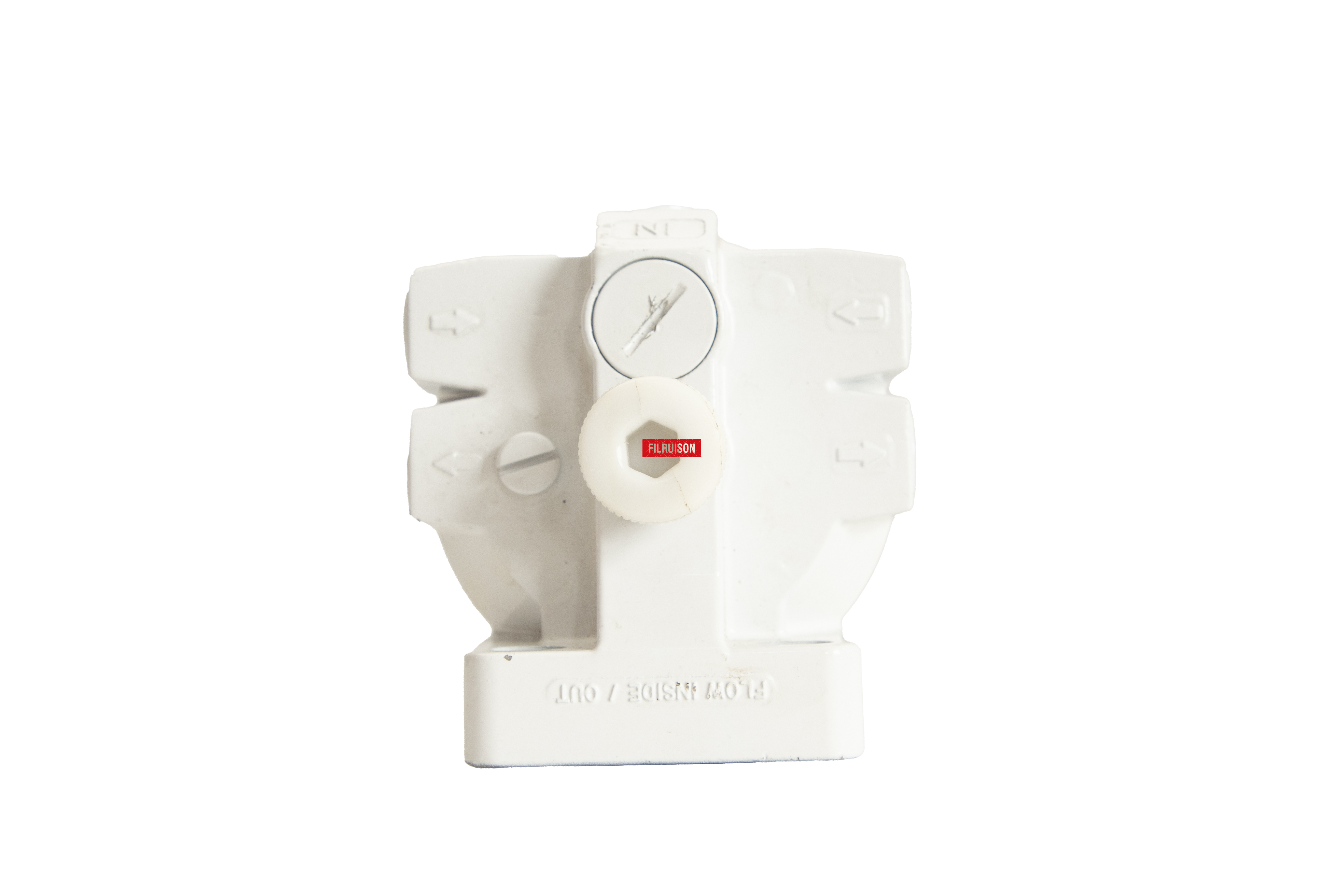
Upgrading your truck or industrial machinery requires a solid decision framework. We highly recommend adopting a tiered filtration approach. You must mechanically separate bulk contaminants away from the microscopic debris. Throwing everything at a single tight element guarantees immediate flow restriction and eventual failure.
You place the primary stage directly between the fuel tank and the primary lift pump. This location is non-negotiable for proper fluid dynamics. For optimal flow rates, the specification should sit comfortably around 10 to 30 microns. Its core function handles the heavy lifting. This unit strips out emulsified and free water through advanced coalescing technology. It seamlessly captures large particulates like heavy asphaltenes, tank rust, and biological sludge. By capturing the bulk garbage early, you massively extend the operational lifespan of your secondary unit. A high-quality Diesel Fuel Filter Water Separator forms the unshakeable foundation of any robust diesel architecture.
We install the secondary stage precisely between the lift pump and the HPCR injection pump. Specifications here require a stringent 2-micron absolute rating. It operates effectively under pressure on already pre-cleaned fuel. This critical stage targets only the invisible microscopic abrasives that slip through the primary net. It leaves the heavy sludge and water droplets entirely to the primary unit, allowing the polishing media to work without overwhelming restriction.
System Stage Comparison Chart
| Filtration Stage | Placement Location | Micron Rating | Primary Function |
|---|---|---|---|
| Primary Filter | Between fuel tank and lift pump (Suction side) | 10 to 30 Microns | Water separation, bulk debris removal, sludge capture |
| Secondary Filter | Between lift pump and injection pump (Pressure side) | 2 Microns (Absolute) | Microscopic abrasive polishing, HPCR injector protection |
Choosing the right component involves analyzing precise engineering specifications. Not all products deliver equal performance in the real world. We recommend systematically evaluating four critical areas before making a final purchasing decision.
Before turning a wrench, perform a detailed current state assessment of your machinery. Check the specific micron rating of your current OEM setup. You might be quite surprised by the findings. Many factory secondary filters are surprisingly coarse to prioritize flow over protection. They often run between 4 and 7 microns from the dealership. Upgrading to higher precision requires careful planning and realistic expectations.
Space and mounting present immediate physical challenges during retrofits. Multi-stage architectures naturally require additional frame rails or engine bay space. You must plan the physical layout thoughtfully. Ensure all mounting locations remain highly accessible. Routine maintenance should never require dismantling your entire engine bay just to reach a drain valve. If you cannot reach the primary water drain easily, operators will likely neglect the daily draining procedures.
Finally, adjust your maintenance cadence appropriately. Expect to change primary units much more frequently than before. This sacrificial maintenance approach directly protects your expensive secondary polishing investment. We highly recommend installing a visual vacuum gauge on the primary housing. A vacuum gauge measures actual flow restriction mechanically. Do not guess replacement intervals based purely on arbitrary mileage or operating hours. Data-driven maintenance practices prevent unexpected highway breakdowns and maximize component utility.
A well-planned filtration upgrade fundamentally transforms engine reliability. Deploying these units correctly prevents catastrophic injector breakdowns and keeps equipment running smoothly. Review these concise takeaways and action-oriented next steps to protect your engine:
A: It will only cause flow restriction if you use it incorrectly. If you install it as a primary filter without a pre-filter, it will clog rapidly. Restriction also happens if the chosen filter housing is undersized for your engine's specific Gallons Per Hour (GPH) requirement. Proper sizing prevents this entirely.
A: Yes, it is highly beneficial. However, marine fuel tanks are notorious for harboring algae and heavy sludge. A robust multi-stage system is absolutely mandatory. Using a single ultra-fine filter alone on older marine vessels will result in almost instant blinding and severe fuel starvation.
A: A 10-micron filter captures larger bulk debris and water. We generally use it as a primary stage to protect the lift pump. Conversely, the 2-micron filter captures microscopic particles. We strictly use it as a final polishing stage to protect highly sensitive HPCR fuel injectors from internal scoring.
A: While some niche combination units do exist, most final polishing filters focus strictly on particulate removal. Water separation should strictly occur at the primary 10- or 30-micron stage. You must utilize a dedicated coalescing separator to strip water efficiently before the final polishing phase.
