
Views: 0 Author: Site Editor Publish Time: 2026-10-21 Origin: Site


Imagine firing up a vintage Massey Ferguson on a bone-dry July afternoon. Swirling harvest dirt chokes the surrounding air. For decades, the liquid filtration system stood as the undisputed gold standard for protecting heavy machinery and classic tractors from abrasive environments. Modern industrial equipment has largely shifted toward disposable dry paper elements. Nevertheless, countless classic and heavy-duty diesel engines still rely entirely on these incredibly durable liquid traps to breathe safely.
Restoring a vintage tractor or resurrecting a rugged off-grid generator requires precise mechanical knowledge. Dirty and neglected systems destroy vintage engine performance with alarming speed. This comprehensive technical guide walks you through the exact steps to restore optimal airflow. You will learn how to execute a meticulous fluid drain and deeply scrub the internal matrix. Let us dive into making informed empirical maintenance decisions for your classic iron.
Grasping the mechanical principles behind this legacy cleaner is the foundational first step before attempting any restoration work. The system relies heavily on inertial impaction and viscous trapping. A running diesel engine creates a powerful vacuum that draws outside air down through a central intake tube. This high-velocity column of air directs straight toward a stationary reservoir filled with engine oil.
As the air reaches the fluid surface, it is forced to make a sudden 180-degree reversal in direction. Dust, sand, and chaff are heavier than air molecules. Their physical momentum prevents them from making this sharp turn. Consequently, the heavier particles crash directly into the oil pool and sink to the bottom. The air then flows upward through a densely packed cylindrical wire matrix. This upper section catches microscopic fine dust and condenses suspended oil droplets. It creates a self-cleaning loop that ensures only highly purified air enters the combustion chamber.
Recent industry analysis reveals a fascinating shift in the heavy equipment market. Major original equipment manufacturers continue pushing toward highly restricted synthetic media to meet strict emission targets. However, search trends and field data show a massive resurgence in demand for self-sustaining legacy systems. Off-grid agricultural communities and vintage restoration purists are actively driving this revival.
These operators prioritize mechanical resilience over the sheer micron-efficiency of modern paper elements. In remote high-dust environments, a self-cleaning fluid trap often outperforms a rapidly blinding paper cartridge. A tractor operating in a dry wheat field runs continuously from dawn to dusk with a liquid system. An early paper filter would choke the engine within just a few hours under identical conditions.
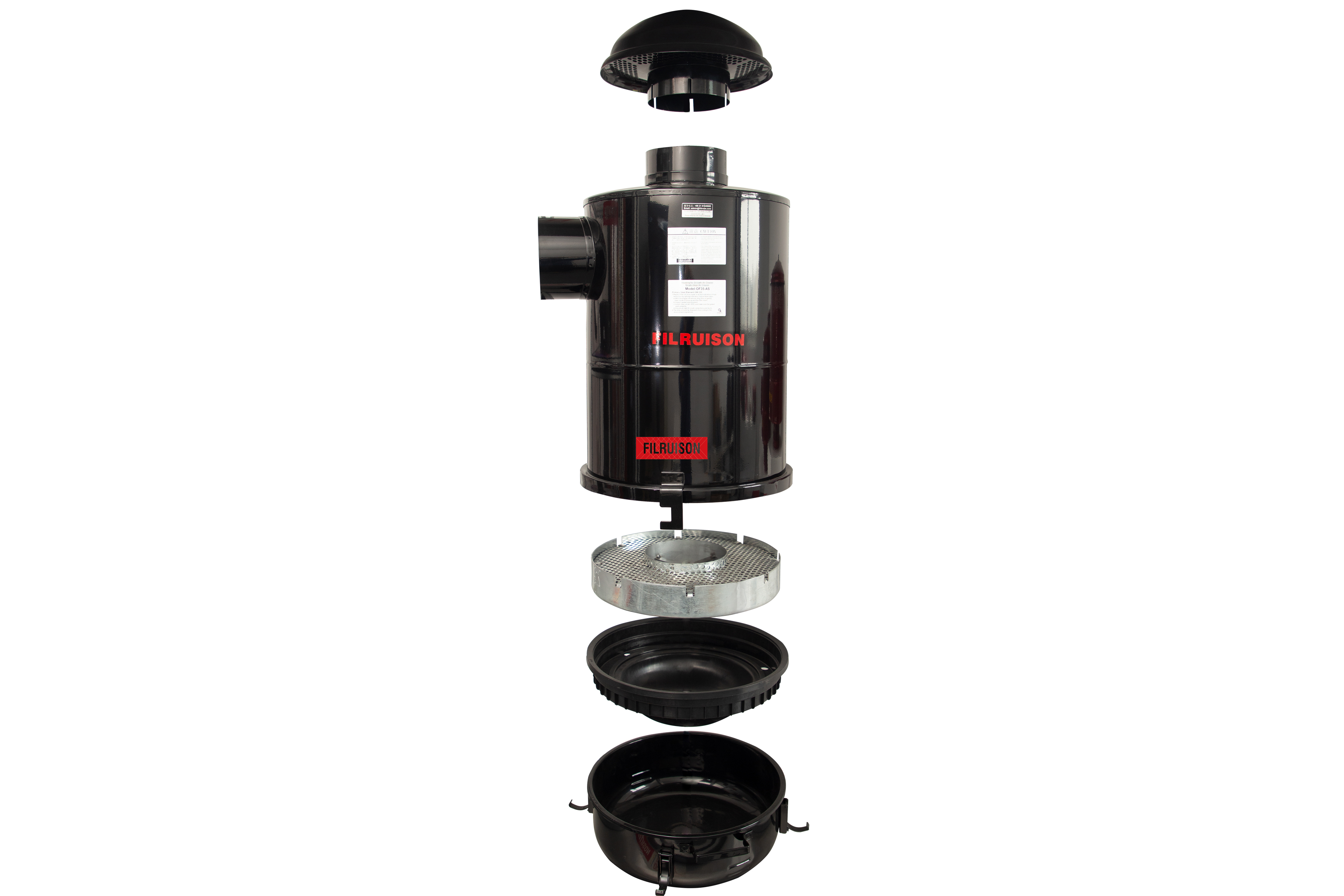
The most empirical indicator that a filtration system requires immediate intervention is the physical state of the lower fluid reservoir. Particulate matter trapped in the fluid settles to the bottom of the bowl over continuous operation. Unclip the lower housing. You will often find a thick tar-like substance rather than fluid oil.
Standard mechanical guidelines suggest checking the sediment layer at the bottom of the sump. If it exceeds one-quarter of an inch, the system is operating outside of its optimal parameters. Allowing this abrasive sludge to accumulate reduces the total fluid volume available for trapping new dust. When this occurs, a comprehensive Sump Flush is no longer optional. It becomes mechanically necessary to prevent accelerated piston ring and cylinder wall wear.
Diesel engines operate on a principle of excess air. They require massive unrestricted volumes of oxygen to achieve complete combustion of the injected fuel. A saturated upper wire section severely restricts the intake airflow. Neglected sludge and compacted dirt are usually the primary culprits.
This restriction alters the air-to-fuel ratio and creates an overly rich combustion environment. Operators will typically observe distinct mechanical symptoms. You might notice a drop in horsepower, sluggish throttle response, and elevated exhaust gas temperatures. The emission of thick black exhaust smoke follows shortly after. Black smoke is essentially unburned carbon particulate. It serves as a direct visual diagnostic that your classic engine is quite literally suffocating.
Executing a precise and enduring restoration requires more than just pouring in fresh oil. It demands replacing degraded sealing components and matching engine airflow requirements. For heavy-duty excavators and large agricultural equipment, ensuring your housing can handle high cubic feet per minute ratings is critical. A prime example in the field is the 21 cubic meters per minute capacity filter designed specifically for large displacement engines.
When sourcing parts for this procedure, securing a comprehensive Rebuild Kit is vital. An ideal package must contain high-temperature nitrile rubber or dense cork gaskets. These are designed to hermetically seal the upper housing to the lower cup. A vacuum leak anywhere in the housing allows unfiltered abrasive air to bypass the liquid trap entirely. Additionally, inspect the replacement tension clamps and retaining bolts for proper fitment.
The efficacy of the filtration process depends heavily on the viscosity of the fluid used in the reservoir. As a general engineering rule, fill the assembly with the exact same weight and grade of engine oil currently utilized in the diesel engine crankcase. Standard SAE 30 or 15W-40 are common choices for heavy machinery.
Ambient operating temperature ultimately dictates specific viscosity requirements. Thick fluid during a freezing winter morning prevents the engine vacuum from pulling the oil mist up into the upper matrix. This drastically reduces secondary filtration. In contrast, extremely thin fluid during peak summer heat risks being entirely aspirated into the intake manifold.
Ensure the engine is completely cooled and the ignition system is disabled before commencing work. Begin by loosening the retaining clamps or the central wing nut that secures the lower cup to the upper housing. Lower the reservoir carefully while keeping it perfectly level. The liquid inside is heavily contaminated with abrasive silicates. Spilling this mixture onto the engine block causes a massive cleanup headache. Once the lower bowl is removed, unbolt the upper housing from the engine intake. Immediately cover the exposed port with a clean shop towel to prevent accidental debris ingress.
Proper disposal of the contaminated fluid is your first priority. Drain the liquid completely. Use a non-marring plastic scraper or a wooden dowel to physically dislodge the hardened compacted dirt at the base. Avoid using hardened steel scrapers. Gouging the metal bowl compromises the structural integrity of the housing.
Wash the bowl thoroughly once the bulk of the sediment is removed. Use a dedicated parts washer or a safe high-flashpoint solvent such as kerosene. Wipe the interior completely dry with a clean microfiber cloth. Ensure absolutely no abrasive residue remains hidden along the fill-level bead.
The upper wire matrix serves as the secondary defense line and requires meticulous attention. Proper Mesh Cleaning must be performed with patience to avoid damaging the delicate wire layers. Submerge the entire assembly in a large bucket filled with a safe solvent. Allow it to soak for a minimum of two hours to dissolve varnished deposits. Heavily neglected units may require an overnight soak.
Agitate the assembly vigorously in the solvent after soaking to dislodge trapped particulate matter. Never use high-pressure compressed air to dry the element. The sheer pneumatic force can permanently separate and distort the wire layers, rendering the cleaner useless. Allow the component to air-dry completely in a well-ventilated area.
Begin the reassembly phase by installing fresh gaskets once all components are cleaned and dried. Ensure the mating surfaces on both the intake manifold and the housing are perfectly clean and free of old petrified gasket material. Reattach the upper housing to the engine and torque the bolts to the manufacturer specified limits.
Fill the lower cup with fresh correctly specified engine oil. Pour the fluid exactly up to the indented bead or the painted line marked for the oil level. Precision is paramount here. Underfilling the bowl prevents the sudden airflow reversal from effectively utilizing the liquid trap. Overfilling is highly dangerous. Excess fluid can be drawn directly into the intake manifold, providing an unregulated fuel source to the diesel engine. This potentially results in a destructive runaway condition.
Given their exceptional durability and capacity to hold massive amounts of dirt, one might question why the heavy equipment industry transitioned away from these liquid-based systems. The shift was primarily driven by a combination of maintenance economics and evolving environmental emissions standards.
Servicing a legacy system is inherently labor-intensive and messy. A technician in a modern commercial fleet operation can swap a dry paper cartridge in less than three minutes. A proper flush and scrub requires significant downtime, solvent management, and hazardous waste disposal. Furthermore, as engine tolerances became tighter, the slight risk of fluid vapor carry-over into the exhaust stream became an unacceptable variable for modern emissions control devices.
| Feature | Legacy Liquid Bath System | Modern Dry Paper Element |
|---|---|---|
| Dust Holding Capacity | Exceptionally high. Can hold pounds of dirt before clogging. | Moderate to low. Blinds quickly in heavy dust. |
| Maintenance Cost | Near zero. Only requires standard engine oil and solvent. | High recurring costs for replacement cartridges. |
| Service Time | 30 to 60 minutes for a full teardown and scrub. | Under 5 minutes for a quick swap. |
| Filtration Efficiency | Up to 98 percent. Excellent for large abrasive particles. | Up to 99.9 percent. Superior for microscopic micron-level dust. |
| Best Application | Stationary off-grid generators and high-dust agriculture. | Modern highway trucks and commercial construction fleets. |
Maintaining the legacy system is highly recommended for stationary off-grid generators and classic tractor restorations. It preserves factory authenticity and incurs near-zero ongoing maintenance costs. Converting to a dry paper setup is advised for equipment operating on steep grades where sharp tilts could spill fluid into the intake.
Proactive monitoring is the absolute cornerstone of mechanical longevity. Waiting for engine performance to visibly degrade before initiating maintenance is a critical operational error. This holds especially true for a Heavy Duty Filter operating in a liquid-trap configuration.
Observational data suggests inspecting the lower cup every 50 to 100 operating hours under standard agricultural conditions. Remove the housing and check the viscosity of the fluid. Execute a clean-out immediately if the liquid has thickened to a sludge-like consistency. Historical service manuals strongly recommend daily visual inspections in severe environments such as dry earthmoving or harvesting.
The fluid reservoir can reach its maximum dirt-holding capacity rapidly when operating in environments saturated with heavy chaff, silica, or construction debris. Operators can retrofit a cyclonic pre-cleaner bowl to the top of the intake stack to mitigate this issue and extend service intervals.
A pre-cleaner utilizes internal vanes to create a centrifugal vortex as air enters the stack. This spinning action forces up to 80 percent of the heaviest debris outward. It ejects the dirt into a transparent collection bowl before it ever travels down the tube. Integrating this simple mechanical addition drastically reduces the frequency of required maintenance. It ensures the primary system remains highly effective even in the most unforgiving conditions.
Performing a comprehensive restoration on your vintage filtration system is a highly rewarding process that breathes new life into classic machinery. Mastering the art of the fluid flush, utilizing patient scrubbing techniques, and investing in quality replacement seals ensures your engine receives the clean unrestricted airflow it desperately needs. Consistent and precise filter care remains the ultimate secret to diesel engine longevity. If you are looking to upgrade your setup or replace heavily corroded components, we highly recommend exploring the professional-grade filtration solutions at Sykingtech to find the exact airflow capacity and dimensions your heavy machinery demands.
Generally, you should utilize the exact same type and viscosity weight of engine oil that is currently running in your diesel engine crankcase. Standard SAE 30 or 15W-40 works perfectly for most applications. In very cold freezing weather, a lighter winter-weight oil is strictly required to prevent the fluid from thickening excessively and choking off the required airflow.
Absolutely not. Mechanical safety standards strictly advise against using gasoline due to its extreme flammability and low flash point. There is a severe risk of explosive gasoline vapors being drawn into the diesel engine intake upon startup. This can cause severe engine damage or fire. Always use kerosene, diesel fuel, or a dedicated non-flammable parts washing solvent instead.
The frequency depends entirely on the operational environment and airborne dust concentration. Performing a flush once a year or every 100 to 200 operating hours may comfortably suffice in clean stationary environments. Extremely dusty agricultural or construction conditions often require you to flush the reservoir and replace the dirty fluid on a daily basis.
The term better depends specifically on the mechanical application. Liquid-based traps are vastly superior in their ability to handle massive continuous amounts of heavy dust without completely choking the engine. They also never require purchasing replacement paper elements. Modern paper filters are much more efficient at trapping microscopic micron-level particles and are vastly easier and cleaner to service.
Yes. Synthetic oil works exceptionally well and often provides better cold-weather flow characteristics than conventional mineral oil. Just ensure the viscosity matches your engine manufacturer original specifications. The synthetic base will not harm the metal mesh or the nitrile rubber gaskets.
An overfilled reservoir will cause the engine vacuum to draw liquid directly into the intake manifold. You will typically notice a sudden spike in engine RPMs or heavy blue smoke billowing from the exhaust stack. Always fill strictly to the designated indicator bead or painted line on the lower bowl to prevent this dangerous condition.
