
Views: 0 Author: Site Editor Publish Time: 2026-08-09 Origin: Site


Operating in high-dust environments—such as mining, earthmoving, and demolition—exposes heavy machinery engines to severe particulate threats that standard air filtration systems cannot handle alone. When equipment operates in constant dust plumes, primary filters clog rapidly. This restricts airflow, forcing the engine to work harder while burning more fuel and running at higher exhaust temperatures. Relying solely on primary engine air filters in severe conditions leads to premature filter loading and costly unplanned downtime. Frequent filter changes in the field also introduce the risk of dirt dropping into the intake tract during servicing. To protect engine assets, fleet managers must look beyond standard filtration and implement dedicated pre-cleaning solutions. Selecting the right pre-cleaner requires evaluating specific mechanical features, airflow dynamics, and maintenance requirements. This guide breaks down the technical criteria necessary to specify a pre-cleaner that protects critical engine components, extends filter life, and keeps heavy machinery running efficiently.
Dust ingestion destroys diesel engines rapidly. When abrasive particles bypass or overwhelm the filtration system, they act like liquid sandpaper inside the combustion chamber. This causes severe cylinder scoring, accelerates piston ring wear, and leads to heavy oil contamination. Every gram of dust removed before it reaches the primary filter directly correlates to extended component wear cycles and reduced overhaul frequency. Silica dust, common in quarry and earthmoving operations, is particularly aggressive. If it passes the air filter, it immediately attacks the turbocharger compressor wheel before moving into the engine cylinders.
Implementing a quality construction machinery precleaner alters the mathematical relationship of filter longevity. By removing up to 90% of airborne impurities before they reach the main media, these systems achieve a minimum of three to five times longer primary filter life. This massive reduction in particulate load prevents the rapid restriction spikes that cause engines to run rich, overheat, and lose power during heavy pushing or digging cycles.
Beyond parts savings, pre-cleaners drastically reduce downtime and labor. Field-servicing air filters in active construction zones requires pulling machines offline and paying technicians for manual labor. Mobile earthmoving machinery generates its own dust clouds, while stationary site assets like generators, rock crushers, and air compressors often operate continuously inside constant stationary dust plumes. In both scenarios, reducing filter service intervals keeps assets productive and prevents accidental dirt ingress during filter swaps.
| Operating Environment | Standard Filter Life (Estimated) | Filter Life with Pre-Cleaner (Estimated) | Primary Contaminant Threat |
|---|---|---|---|
| Quarry / Rock Crushing | 50 - 100 Hours | 250 - 500 Hours | Fine Silica Dust |
| Forestry / Logging | 100 - 150 Hours | 400 - 600 Hours | Wood Chips, Sawdust, Leaves |
| Heavy Earthmoving | 150 - 200 Hours | 600 - 1000 Hours | Coarse Dirt, Sand, Mud |
| Demolition Sites | 75 - 125 Hours | 300 - 600 Hours | Concrete Dust, Fiberglass, Ash |
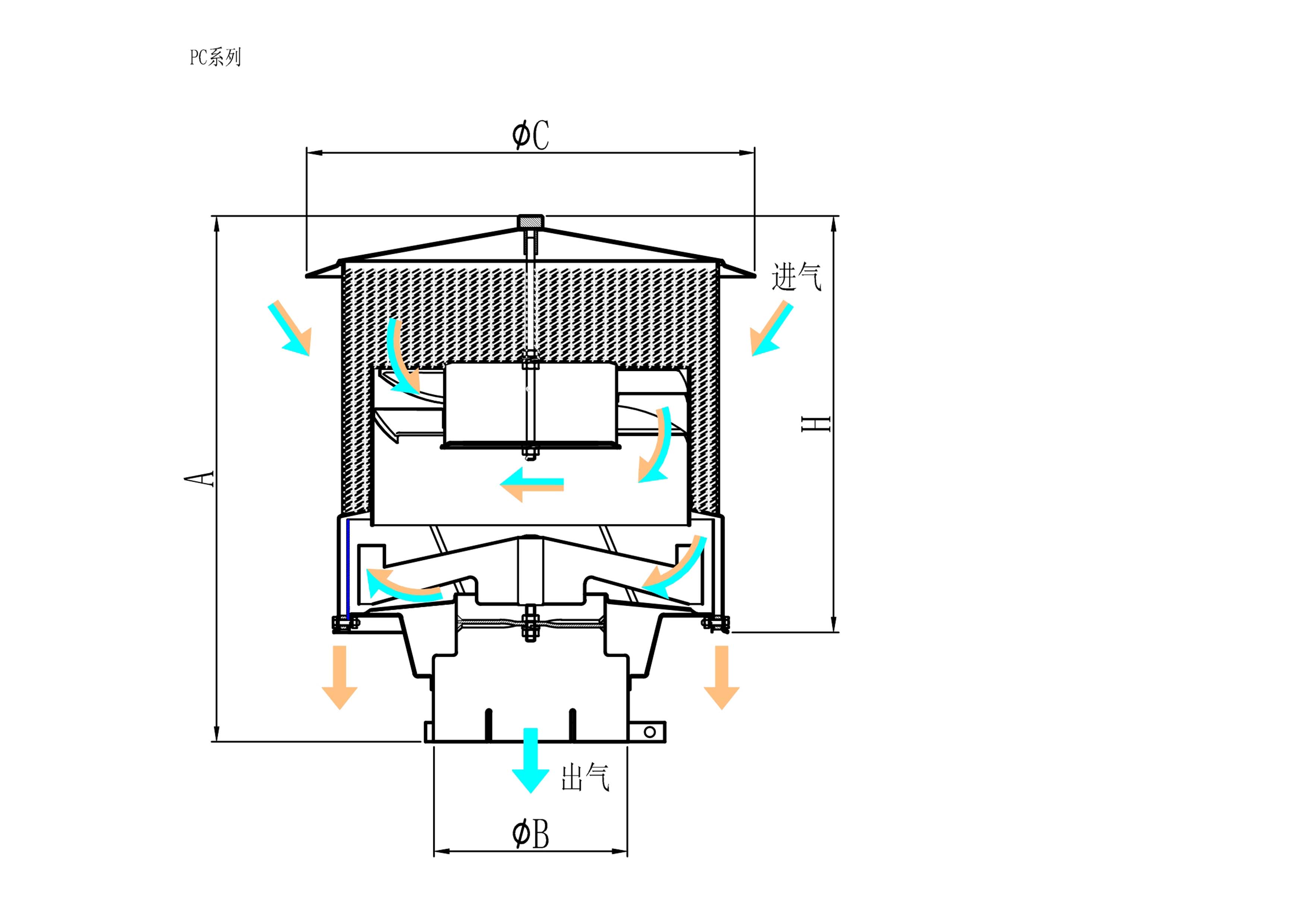
Most pre-cleaners rely on centrifugal or cyclonic separation. They use angled vanes or rotors to spin incoming air at high speeds. This spinning action forces heavier-than-air particles—like dirt, sand, and water—to the outside walls of the housing via centrifugal force, separating them from the clean air stream that continues down the center tube into the engine intake.
Understanding the ejection method is critical for specifying the right unit for your fleet. The two primary categories handle separated dust very differently.
Powered or dynamic pre-cleaners utilize a 12V or 24V motor-driven rotor to spin the air. Because the rotor speed is independent of the engine, these units maintain high separation efficiency even at low engine idle. This is highly beneficial for machines that spend long hours idling in dusty conditions. Static pre-cleaners use fixed vanes and rely entirely on the engine's intake suction to draw air through. Their efficiency varies based on engine RPM, performing best at higher throttle settings where intake velocity is highest.
The operating speed of the equipment impacts pre-cleaner performance. Static operations, such as stationary site pumps or generators, pull air from a relatively still environment. Machines operating at higher transit speeds, like articulated dump trucks or wheel loaders tramming across a site, experience a dynamic ram-air effect. High-speed ambient air movement can alter restriction levels and separation efficiency, requiring specific pre-cleaner designs that manage high-velocity intake without creating excessive drag or allowing dust to bypass the vanes.
When evaluating separation efficiency, look for data referencing ISO 5011 testing standards. Different designs handle debris differently. Some excel at blocking coarse debris like leaves, wood chips, and large dirt clods, while others are engineered specifically to separate fine silica dust. Matching the design to your specific site contaminants ensures the air pre-cleaner for construction equipment performs as expected.
Airflow restriction is a critical metric, usually measured in inches of water (inH2O). There is always a trade-off between aggressive pre-cleaning and intake restriction. If a pre-cleaner creates excessive restriction, it negates any potential fuel savings and reduces engine horsepower. The turbocharger has to work harder to pull air through a restrictive pre-cleaner, which increases exhaust gas temperatures (EGTs). The goal is maximum separation with minimal drag on the intake system.
Moisture separation is another vital feature. Specialized pre-cleaners are designed to prevent water ingress during heavy rain, snowpack, or high-humidity operations. Keeping water out of the intake prevents the primary paper filter media from swelling, degrading, and premature blinding. A wet paper filter will choke a diesel engine just as quickly as a dust-packed one.
The physical construction of the pre-cleaner dictates its survival on a job site. Equipment vibrates heavily, and operators frequently hit tree branches or structural overhangs. The housing material must withstand these impacts.
| Material Type | Advantages | Disadvantages | Best Application |
|---|---|---|---|
| Glass-Reinforced Polymer | Lightweight, corrosion-proof, dampens vibration, no painting required. | Can crack under extreme, direct blunt force impacts. | Earthmoving, mining, general construction, coastal environments. |
| Heavy-Duty Steel | Maximum impact resistance, easily welded or repaired if bent. | Heavy (stresses intake pipes), prone to rust, requires paint maintenance. | Forestry, logging, heavy demolition, scrap recycling yards. |
| Aluminum Alloy | Lighter than steel, good impact resistance, rust-resistant. | More expensive, can dent easily compared to polymer. | On-highway vocational trucks, agriculture. |
Always look for OEM-level validation testing. Manufacturers subject quality units to physical impact tests, extreme thermal cycling, and military-grade vibration profiles. This ensures the unit will survive the relentless pounding of severe-duty environments without the internal vanes breaking loose and getting sucked into the turbocharger.
Sizing a heavy equipment dust pre-cleaner requires matching the engine's exact CFM (Cubic Feet per Minute) requirements. You cannot simply buy a pre-cleaner based on the diameter of the intake pipe. You must calculate the engine's airflow demand. Matching the pre-cleaner’s operational sweet spot to the engine’s typical operating RPM is non-negotiable for proper function.
Mounting heavy units on intake pipes introduces structural realities. The added weight acts as a lever during machine operation, amplifying engine vibrations. Proper integration requires reinforced brackets, heavy-duty rubber isolators, and careful evaluation of hood clearance. Modern, compact equipment designs often have limited space under the hood, requiring low-profile pre-cleaner models or custom intake stack extensions.
Retrofitting older machinery often requires custom fabrication and careful routing of scavenge lines to avoid hot exhaust components. Conversely, specifying high-performance pre-cleaners on new fleet purchases allows for seamless OEM integration. This ensures the installation maintains factory warranty parameters, utilizes factory mounting points, and avoids structural stress on the intake tract.
The type of pre-cleaner dictates the maintenance schedule. Self-cleaning mechanisms with ejector slots or exhaust scavengers are largely maintenance-free, keeping operators in the cab and machines moving dirt. In contrast, units with clear plastic dust bowls require daily visual inspection and manual dumping to prevent the separated dust from being sucked back into the filter once the bowl overfills.
Establishing a strict maintenance protocol prevents pre-cleaner failure and ensures continuous engine protection. Field technicians and operators should follow these steps:
Incorrect sizing is the most common implementation failure. An oversized pre-cleaner lacks the necessary air velocity to spin out dust effectively. The air moves too slowly through the large vanes, failing to create enough centrifugal force, and the unit acts as little more than an expensive rain cap. To mitigate this, strictly adhere to engine manufacturer CFM charts and factor in environmental density when selecting a unit.
Adding weight to the intake stack can stress rubber boots and clamps lower down in the intake system, creating bypass leaks. If a seal fails between the pre-cleaner and the primary filter, unfiltered air bypasses the system entirely, entering the engine directly. Mitigate this risk by upgrading to heavy-duty silicone hoses and constant-tension T-bolt clamps during installation. Always support the pre-cleaner weight with dedicated steel brackets bolted to the machine frame or engine block, rather than letting the plastic intake piping bear the load.
In scavenged systems, exhaust check-valve failures present a significant risk. The check valve prevents exhaust gases from flowing backward up the scavenge line. If the valve fails or sticks open, exhaust gas can recirculate back into the intake, introducing heavy soot and extreme heat to the air filter and engine. Establish regular inspection schedules for all scavenge valves and replace them at the manufacturer's recommended intervals to ensure one-way flow is maintained.
A: A properly sized pre-cleaner can extend primary engine air filter life by three to five times. By removing up to 90% of airborne dust and debris before it reaches the main filter media, the system drastically reduces the particulate load and prevents rapid restriction spikes.
A: Scavenged pre-cleaners connect to the exhaust system, using exhaust flow to pull a vacuum and actively eject dust out the tailpipe. Non-scavenged (atmospheric) systems rely on gravity or positive air pressure to drop dust through a louver or collect it in a manual dump bowl.
A: Yes, if sized incorrectly. An undersized pre-cleaner creates excessive airflow restriction, choking the engine, reducing horsepower, and increasing fuel consumption. Properly matched units provide high separation efficiency with minimal restriction, maintaining optimal engine performance.
A: Calculate engine CFM using the formula: (Engine Displacement in cubic inches x Maximum RPM) / 3456. Multiply the result by the engine's volumetric efficiency (typically 0.85 for naturally aspirated or up to 2.0 for turbocharged engines) to find the required airflow.
A: Yes, quality centrifugal pre-cleaners effectively separate heavier-than-air particles, including rain droplets and snow. This prevents moisture from entering the intake tract, which stops the primary paper filter media from swelling, degrading, or blinding over.
A: Maintenance depends on the design. Scavenged and self-ejecting models are largely maintenance-free. Models with clear collection bowls require daily visual inspections and must be manually emptied when the dust reaches the indicated fill line to prevent re-ingestion.
