
Views: 0 Author: Site Editor Publish Time: 2026-08-14 Origin: Site


High-Pressure Common Rail (HPCR) diesel engines operate under extreme tolerances today. Even microscopic contamination can easily cause catastrophic injector failure. Dirt and water destroy precision components quickly. Selecting the proper filtration system goes far beyond a routine maintenance checkbox. It serves as a critical risk mitigation strategy. You need reliable filters to ensure fleet longevity and protect vehicle uptime. This comprehensive guide breaks down the core architecture of diesel filtration systems. We categorize the different diesel fuel filter types available on the market today. You will receive an evidence-based framework for evaluating filter upgrades and handling replacements safely. We will explore how micron ratings, flow dynamics, and media construction directly impact engine health. You can use this knowledge to safeguard your diesel engine against unpredictable fuel quality and costly breakdowns. Let us dive into the mechanics of effective fuel purification.
Modern HPCR injectors operate at astonishing pressures exceeding 30,000 PSI. The internal clearances of these precision injectors measure a mere 1 to 2 microns. For context, a single human hair measures roughly 70 microns thick. You can quickly understand why microscopic debris causes severe problems. Tiny abrasive particles enter the fuel stream and act like liquid sandpaper. They score injector needles and damage internal seats.
We must examine the severe financial impact of poor filtration practices. Scored injectors demand immediate and expensive replacements. Blown high-pressure injection pumps, such as the notorious CP4 failures, cause even worse damage. A failed pump sends metallic shrapnel throughout the entire fuel rail and return lines. You end up replacing the complete fuel system. Unexpected downtime also destroys fleet profitability and scheduling. Compare these massive repair bills against the relatively low price of premium filtration. High-quality filters offer cheap insurance against catastrophic engine failure.
A successful filtration setup must meet strict performance criteria. It achieves over 99% water separation efficiently. It effectively traps abrasive particulates down to 2 or 4 microns. Crucially, the system accomplishes all this without restricting vital fuel flow to the lift pump. Proper flow prevents starvation and maintains peak engine performance.
Single-filter setups are completely obsolete for modern diesel applications. Older mechanical engines tolerated dirty fuel reasonably well. Today's HPCR systems demand perfectly clean fuel for basic operation. Engineers utilize a staged approach to meet these strict cleanliness standards. They deploy multiple filters in series to progressively strip out hazards. This prevents any single filter from clogging prematurely under heavy loads.
Manufacturers install primary filters between the main fuel tank and the low-pressure fuel transfer pump. These units act as your first line of defense. They typically feature ratings ranging from 10 to 30 microns. Primary filters are designed to catch large debris efficiently. They also strip out large volumes of bulk water before it reaches the transfer pump. They protect the lift pump from rocks, rust flakes, and algae blooms.
You will find secondary filters positioned between the transfer pump and the high-pressure fuel injectors. These components handle the microscopic details. They typically carry ratings of 2 to 5 microns. A secondary filter acts as the final and most critical line of defense. It catches microscopic abrasives just milliseconds before combustion. It ensures only pure diesel enters the delicate HPCR injectors.
Engineers design different filtration housings based on application needs. Understanding these variations helps you optimize your maintenance routine.
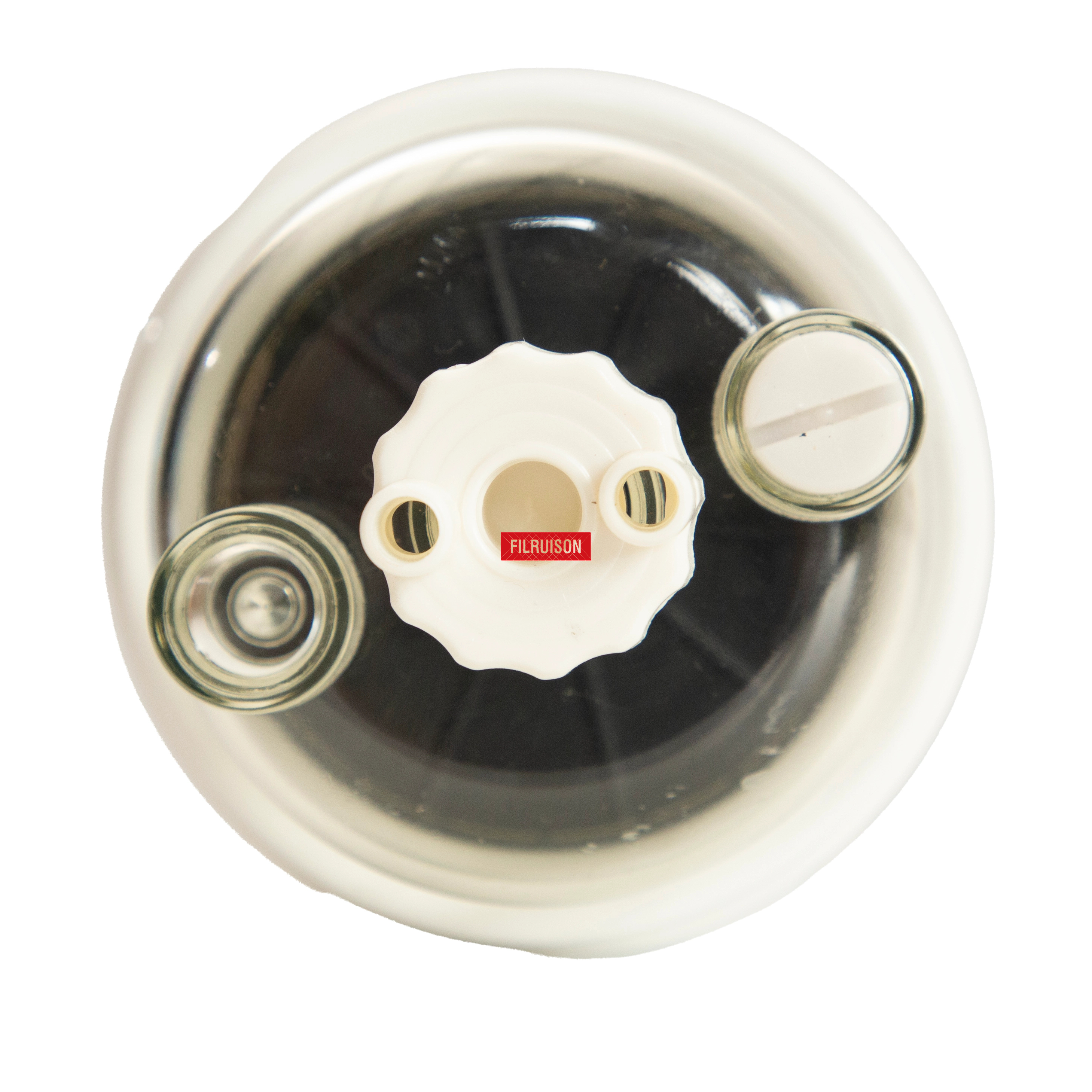
This specialized component coalesces and strips both free and emulsified water from diesel fuel. It utilizes advanced internal media, often treated cellulose or synthetic micro-glass. Emulsified water remains suspended in the fuel. The media forces these tiny water droplets to collide and merge. They grow heavy and fall safely to the bottom collection bowl.
A Diesel Fuel Filter Water Separator is essential for all diesel applications today. Modern ultra-low sulfur diesel (ULSD) and biodiesel blends are highly hygroscopic. They attract and absorb moisture straight from the atmosphere. You must remove this moisture to prevent internal rust and microbial growth. These units include a drain valve, commonly called a petcock, for manual maintenance and water purging.
A spin-on filter features a self-contained metal canister. The factory seals the internal filter media securely inside this shell. Mechanics appreciate spin-on designs for their simplicity.
Cartridge filters use a replaceable paper or synthetic media element. This element drops directly into a permanent, reusable plastic or metal housing mounted on the engine block.
Sometimes factory setups fall short of demanding operational requirements. High-performance aftermarket lift pump and filtration combos fill this specific gap. Brands like AirDog and FASS dominate this solution category. They offer robust alternatives to standard OEM equipment.
These advanced systems do more than filter dirt and water. They actively remove entrained air and fuel vapor from the fuel line. Air enters the system through fuel sloshing, vacuum leaks, or pump cavitation. These aftermarket units separate the air and send it back to the tank. They perform this task alongside heavy-duty particulate and water separation. Removing air bubbles prevents injector tip wear and drastically improves engine timing.
Who actually needs these expensive systems? We must address the industry hype objectively. Not every daily-driven truck requires an aftermarket lift pump. However, they remain highly justifiable for heavily modified engines pushing extra horsepower. High-mileage commercial fleets also benefit greatly from the added reliability. Vehicles operating in extreme off-road environments see huge lifespan gains. You should definitely consider them if your factory lift pumps are known failure points.
Evaluating replacement filters requires strict attention to engineering details. You cannot rely on colorful marketing claims alone. We recommend a structured approach to shortlist the right products.
We strongly warn against deceptive marketing tactics regarding micron ratings. A "10-micron nominal" filter sounds impressive initially. However, "nominal" means it might only catch 50% of 10-micron particles. The rest pass right through to your injectors. You must insist on "absolute" ratings instead. An absolute rating guarantees the filter catches virtually all specified particles. Look for a Beta ratio of 75 or higher. A Beta 75 rating means the filter captures 98.6% of particles at that specific micron size.
Filter media directly dictates operational performance and longevity. Choose your material wisely based on your environment.
Table: Comparison of Filter Media Materials
| Feature | Cellulose Media | Synthetic Micro-Glass Media |
|---|---|---|
| Cost Profile | Low to moderate | Premium / Higher initial cost |
| Water Interaction | Absorbs water and swells | Repels water, prevents swelling |
| Dirt Holding Capacity | Standard capacity | High capacity (longer intervals) |
| Best Application | Light duty, frequent changes | Heavy duty, extreme environments |
Always verify the filter's GPH (Gallons Per Hour) rating before purchasing. Ensure this specific number comfortably exceeds the engine's maximum fuel demand under heavy load. A restrictive filter causes severe fuel starvation. It forces the lift pump to work harder. This restriction can induce destructive pump cavitation and lead to premature failure.
We strongly advise leaning toward OEM or established Tier 1 suppliers. Brands like Fleetguard, Racor, and Donaldson spend millions on research and development. Avoid unbranded, white-label alternatives found on cheap auction sites. Your high-pressure fuel system remains far too valuable for unverified experiments.
Proper installation matters just as much as filter quality. We see many avoidable failures in the field due to poor shop practices. Adhering to strict procedures prevents immediate breakdowns.
The danger of "pre-filling" filters is severe and widely misunderstood. Many mechanics pour unfiltered fuel directly from a jug into the center of a new filter. This bypasses the filtration media entirely. It sends raw dirt and dust straight into your sensitive injectors upon startup. You must always install fuel filters completely dry. Follow these safe installation steps:
Water separators face massive challenges during winter months. They are highly prone to freezing if trapped water isn't drained regularly. Ice instantly blocks fuel flow and strands the vehicle. Diesel fuel also suffers from wax drop-out in freezing temperatures. This wax quickly plugs standard filter media. We strongly recommend installing 12V heating elements around the filters for fleets operating in sub-zero climates.
You should completely avoid any "lifetime" filter marketing claims. Lifetime fuel filters simply do not exist in the real world. We outline realistic, data-backed replacement intervals instead. Schedule your changes based on actual fuel quality and operating conditions, not just a static mileage number. Monitor your engine's performance closely for early warning signs of restriction.
Matching the right diesel fuel filter types to your engine's specific tolerance and operational environment is entirely non-negotiable. Quality filtration serves as the ultimate shield for your expensive high-pressure injection components. It guarantees reliable performance and prevents devastating repair bills.
We advise you to audit your current fuel system setup today. Verify the absolute micron rating of your secondary filter immediately. Ensure your system meets HPCR standards. Finally, ensure your Diesel Fuel Filter Water Separator is functioning correctly. Drain the petcock regularly to eliminate water before it reaches the injection pump. Take proactive control of your fuel quality now.
A: Bypassing the separator introduces immediate catastrophic risks to your HPCR system. Water will quickly reach sensitive components. This causes rapid internal rust and a severe loss of lubricity. Without lubrication, moving parts grind together violently. You will likely experience instantaneous injector blowout and complete injection pump failure. Never bypass this critical protective component.
A: No, you cannot swap their specific roles. Secondary filters feature extremely tight micron ratings. If exposed to raw fuel straight from the tank, they suffer massive flow restriction instantly. They will clog rapidly with large debris. You must maintain the necessary stepped micron approach to ensure proper fuel flow and adequate protection.
A: Replacement intervals typically fall between 10,000 to 15,000 miles. However, this is highly dependent on your fuel source quality and local biodiesel percentages. Poor quality fuel clogs filters much faster. Biodiesel blends act as solvents, pulling old dirt from fuel tanks into the filters. Always monitor performance and adjust your intervals accordingly.
A: Objective symptoms appear quickly when flow restricts. You will notice sluggish acceleration and hard starting during cold mornings. Your dashboard may trigger trouble codes indicating low fuel rail pressure. In severe cases, you will experience engine stalling under heavy load. Address these warning signs immediately to prevent injection pump damage.
