
Views: 0 Author: Site Editor Publish Time: 2026-08-05 Origin: Site


Modern High-Pressure Common Rail (HPCR) diesel engines operate at extreme pressures. This demanding environment makes them highly sensitive to fuel contamination. Microscopic debris and hidden moisture can quickly compromise engine performance. Sub-par filtration often leads to catastrophic injector failure. Fleet managers frequently face unplanned downtime and expensive out-of-pocket repairs when filtration fails. Contaminated fuel silently destroys precision engine parts before operators ever notice a drop in power.
Understanding the architecture of a commercial-grade diesel fuel filter system is your first step in evaluating necessary upgrades. We will explore how to standardize fleet maintenance effectively across varied operating conditions. You will also learn how to select the exact aftermarket replacements needed to protect your valuable engine assets.
HPCR systems feature microscopic tolerances. Clearances often rest between one and three microns. To put this into perspective, a single human hair measures roughly 70 microns. Even trace amounts of dirt act like abrasive sand under high pressure. These particulates score fuel injectors rapidly. Water or microbial growth easily damages high-pressure pumps. These contaminants bypass inadequate filters and create severe internal wear. Once an injector scores, it leaks fuel into the combustion chamber. This creates excessive heat and destroys pistons.
A high-performing system extends service intervals reliably. It prevents unexpected power loss or sudden engine derating during critical hauls. You also safeguard expensive engine warranties by meeting strict manufacturer fuel cleanliness standards. Modern engine sensors monitor rail pressure constantly. If a clogged filter starves the system, the computer derates engine power instantly. Maintaining pristine fuel ensures drivers reach their destinations safely. It also keeps your equipment running smoothly between scheduled shop visits.
Compare the relatively low cost of premium filtration systems against massive repair bills. Injector replacement kits cost thousands of dollars per engine. High-pressure pump failures add even more expense. Fleet downtime multiplies these losses through missed deliveries and idle driver wages. Investing in proper filtration acts as an active shield against catastrophic mechanical failures. You spend a fraction of the cost upfront to prevent massive backend liabilities.
A commercial-grade setup utilizes multiple stages to ensure total fluid purity. Each component plays a specific role in defending your engine. They work together sequentially to remove bulk debris, separate moisture, and trap microscopic particles.
Engineers locate the primary filter between the fuel tank and the transfer pump. It acts as the first line of defense. This unit filters larger particulates, typically ranging from 10 to 30 microns. Catching large debris early protects the lift pump from mechanical jamming. It also prevents premature clogging of the finer secondary filters downstream. You will often see these housed in robust, spin-on canisters for easy replacement.
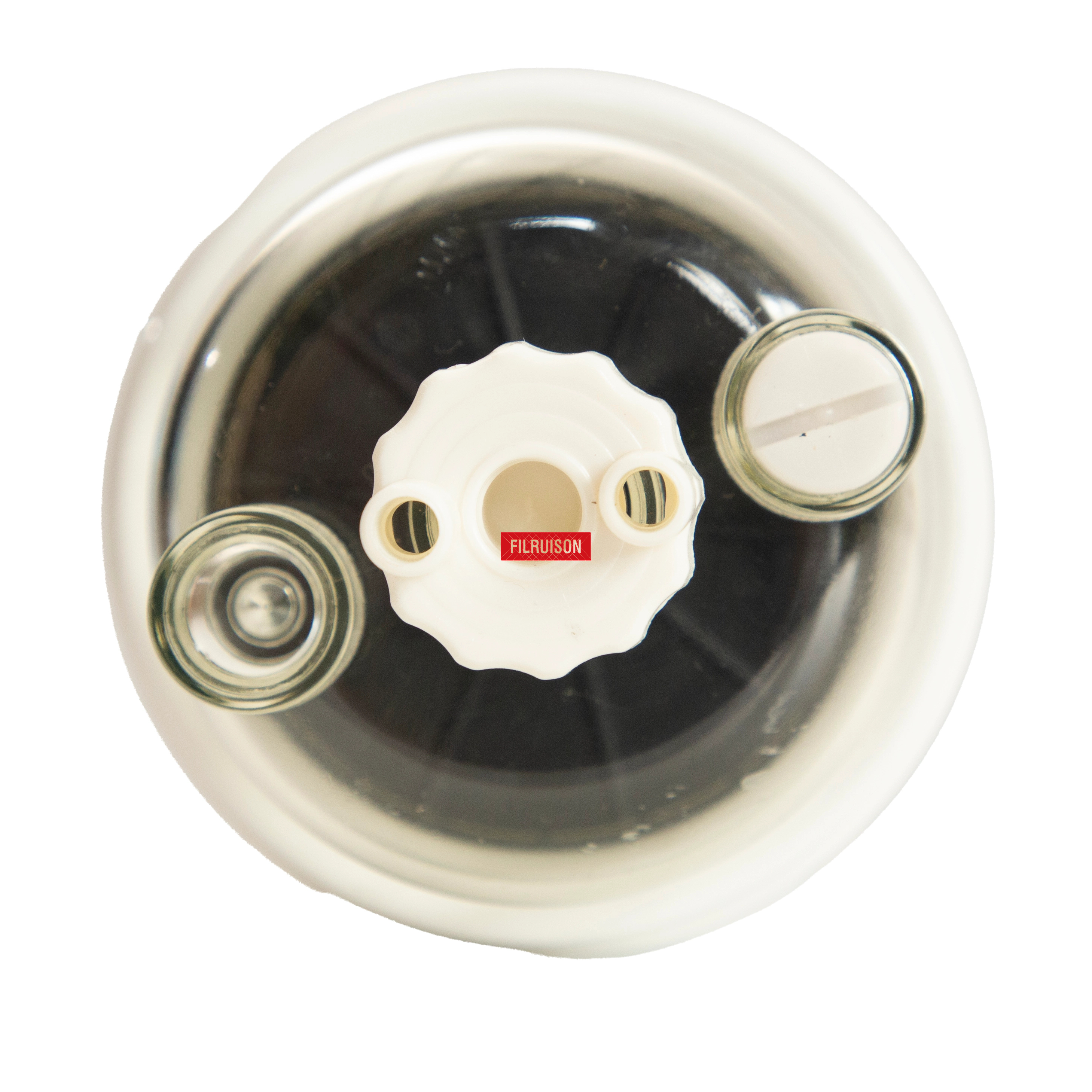
The Diesel Fuel Filter Water Separator stands as your critical defense against moisture. Manufacturers often integrate it directly alongside the primary filter. It uses specialized coalescing media to strip both free and emulsified water from the diesel fuel. Free water settles easily at the bottom of the tank. Emulsified water binds tightly to the fuel molecules. You need advanced synthetic layers to force these microscopic droplets to merge. They eventually become heavy enough to fall into a collection bowl. Most units include a drain valve, or petcock, for routine daily maintenance.
Mechanics position the secondary filter between the transfer pump and the high-pressure injection pump. This filter faces a difficult job. It captures ultra-fine contaminants, usually targeting 2 to 5 microns. Because it sits on the pressure side of the transfer pump, it endures higher flow pressures. It requires rigorous structural integrity to prevent media collapse. A collapsed secondary filter sends an unfiltered surge of debris directly into the delicate injectors.
Cold weather creates severe challenges for diesel fuel. Below freezing, paraffin wax precipitates out of the fluid. This creates a thick gel. A fuel heater prevents this gelling effect entirely. It ensures consistent fuel flow during winter operations. You avoid premature filter plugging on freezing mornings. Many premium systems integrate PTC (Positive Temperature Coefficient) electrical heaters directly into the filter head.
A WIF sensor provides electronic oversight. It alerts the operator when the water separator reaches its maximum holding capacity. The sensor relies on the electrical conductivity difference between water and diesel. When water touches the sensor probes, it triggers a dashboard warning light. This prevents accumulated water from bypassing the filter media and entering the engine block.
Table 1: Filtration Staging Overview
| Component Stage | Location Path | Micron Target | Primary Objective |
|---|---|---|---|
| Primary Filter | Tank to Transfer Pump | 10 - 30 Microns | Capture large debris; protect lift pump |
| Water Separator | Integrated or Pre-Lift | N/A (Coalescing) | Remove free/emulsified water; prevent rust |
| Secondary Filter | Transfer to Injection Pump | 2 - 5 Microns | Trap microscopic dirt; protect injectors |
Selecting the right replacement part requires looking past marketing claims. You must evaluate the underlying technology. Many cheap filters look identical to premium units on the outside. The true difference lies hidden inside the canister.
Traditional filters use cheap cellulose paper. Cellulose absorbs water and swells. This swelling severely restricts fluid flow over time. Synthetic multi-layer media offers a vastly superior alternative. Manufacturers use micro-glass fibers to weave these advanced layers. They provide excellent water separation and fine particulate capture. More importantly, synthetic media does not swell. It maintains consistent flow rates throughout its entire service life.
Do not rely on nominal micron ratings. A "10-micron nominal" filter might only catch 50% of debris at that size. It only indicates average performance under perfect laboratory conditions. You must evaluate systems based on absolute micron ratings instead. Industry-standard Beta ratios provide real-world testing data. Engineers use the ISO 16889 testing standard to calculate these numbers. For example, a Beta 1000 rating means the filter demonstrates 99.9% efficiency at a specific micron size. Always demand Beta ratio data before purchasing bulk fleet filters.
Your filter system must match or exceed the engine’s maximum fuel flow demand. Manufacturers measure this in Gallons Per Hour (GPH). High-horsepower engines require massive fuel volumes under heavy load. Undersized systems cause severe fuel starvation. They overwork the lift pump. This excessive suction creates vapor bubbles in the fuel line, a condition known as cavitation. Cavitation physically pits internal pump gears and destroys them.
Commercial applications demand extreme durability. Heavy-duty trucks experience continuous chassis vibration. Equipment operating off-road faces severe shock loads. Look for robust housings built to withstand these forces. Spin-on or thick plastic cartridge designs must endure intense pressure spikes during sudden acceleration. Flimsy metal canisters can crack at the seams, spraying highly flammable diesel over hot engine components.
Purchasing a premium system only solves half the problem. You must install and maintain it correctly. Poor implementation introduces new risks into the engine bay.
Adding aftermarket multi-stage systems requires careful planning. You must route fuel lines safely. Avoid routing hoses near intense heat sources like exhaust manifolds or turbochargers. Technicians should secure fuel lines tightly. Unsecured lines chafe against frame rails. Over time, vibrations wear through the rubber, causing massive air leaks or fuel spills.
Replacing components always introduces air into the fuel system. Diesel engines despise air in their fuel lines. A single air bubble can lock an injector closed. Buyers should look for systems featuring integrated manual or electronic primer pumps. These built-in plungers simplify filter changes significantly. You simply pump the button until fuel flows cleanly. This prevents frustrating hard-start conditions and saves starter motor life.
Implementing a uniform filtration system across your entire fleet makes financial sense. It reduces parts inventory complexity in your shop. Your mechanics only need to stock a few specific filter numbers. Standardized service intervals eliminate guesswork for maintenance teams. You can schedule filter changes seamlessly alongside routine oil changes.
If you upgrade to heated components, verify your electrical system capacity first. High-wattage heaters draw significant power. Your alternators must handle the continuous amp draw required by 12V or 24V cold-weather heating elements. Ensure technicians install proper relays and heavy-gauge wiring. Undersized wires melt under continuous load, creating severe fire hazards.
No single filter system fits every operational profile. You must tailor your selection to your specific environmental challenges and engine architecture. A logging truck in Canada requires vastly different equipment than a delivery van in Florida.
Evaluate your daily operating conditions. Fleets operating in extreme northern climates absolutely require integrated 12V or 24V heaters. Without them, you risk stranded drivers during deep freezes. Conversely, consider where you source your fuel. Vehicles pulling bulk fuel from varied rural agricultural sites face high moisture contamination risks. They need maximum water separation capacity and extra-large collection bowls.
Compare OEM replacements against premium aftermarket systems carefully. Baseline OEM filters maintain basic compliance. They meet the bare minimum standards required for general operation. Premium aftermarket systems, such as FASS, AirDog, or Davco, offer distinct advantages. Engineers design these advanced systems to remove entrained air actively from the fuel. Entrained air delays injection timing and causes a sluggish throttle response. Premium systems deliver superior micron ratings tailored specifically for severe duty cycles.
Begin by auditing your current fleet failure rates. Track how many injectors you replaced over the past twelve months. Determine your baseline fuel quality through independent lab testing. Take samples directly from your yard's bulk storage tanks. Finally, consult directly with a heavy-duty filtration specialist. They will analyze your lab results and match a robust architecture to your specific engine platforms.
A: Primary filters sit closer to the fuel tank. They capture larger particulates, typically 10 to 30 microns, to protect the lift pump from damage. Secondary filters operate past the transfer pump. They feature much tighter media to trap ultra-fine 2 to 5-micron debris before the fuel reaches the highly sensitive, high-pressure injectors.
A: You should drain it immediately whenever the dashboard Water-in-Fuel (WIF) sensor illuminates. If your system lacks a sensor, fleet mechanics strongly recommend performing a quick visual inspection daily. Drain the petcock before morning start-ups to prevent accumulated overnight moisture from bypassing the filter media under pressure.
A: A restricted system starves the engine of needed fuel volume. You will experience a noticeable loss of RPMs, frequent hard starting, and sudden engine derating under heavy loads. Prolonged restriction forces the lift pump to work too hard, ultimately causing vapor cavitation and severe mechanical pump failure.
A: No. Under the Magnuson-Moss Warranty Act, installing aftermarket parts does not automatically void warranties. However, the aftermarket filter media must strictly meet or exceed all original OEM specifications. You must also document that you maintained the system according to the manufacturer's recommended service intervals.
