
Views: 0 Author: Site Editor Publish Time: 2026-08-09 Origin: Site


Modern High-Pressure Common Rail (HPCR) diesel engines rely on absolute fuel purity. Even microscopic contaminants can disrupt performance significantly. A clogged or compromised fuel filter isn't just a maintenance nuisance. It operates as a leading indicator of potential fuel system failure. You must take this early warning seriously. Before replacing expensive injectors or high-pressure fuel pumps, you should evaluate your vehicle. Check the engine against the primary bad diesel fuel filter symptoms. Doing so saves money and prevents unnecessary repairs. It also helps you understand the correct replacement protocol moving forward. By recognizing warning signs early, you protect vital engine components. Let us explore exactly what to look for and how to keep your diesel engine running flawlessly.
Performance Drops: The earliest sign of a restricted filter is fuel starvation under heavy engine load (e.g., towing or accelerating).
Starting & Idling Issues: Extended cranking times and rough, erratic idling often point to limited fuel flow or air entering the system.
Warning Indicators: A triggered Check Engine Light (CEL) or an illuminated Water in Fuel (WIF) sensor requires immediate diagnostic attention.
Financial Risk: Delaying a simple filter change can result in catastrophic damage to the CP4/high-pressure pump and fuel injectors due to lack of lubrication.
Fuel starvation acts as the earliest warning sign. Your engine might run perfectly fine at idle. However, the system demands higher fuel volume during acceleration. Climbing steep grades or towing heavy loads amplifies this demand. A restricted filter cannot pass enough volume to meet the engine requirements. The vehicle subsequently enters "limp mode" to protect vital components. You will notice a sudden loss of RPMs and sluggish throttle response. Drivers often mistake this for transmission slipping. We recommend checking the filter first before assuming catastrophic powertrain failure.
Diesel engines require massive initial fuel pressure to fire up. A clogged filter restricts flow to the injector pump. The system struggles to build adequate rail pressure during startup. This restriction causes extended cranking times. You will hear the starter grinding much longer than usual. Cold starts make this issue even worse. Diesel fuel naturally thickens in low temperatures. Thicker fuel struggles to push through blocked filter media. Prolonged cranking drains your batteries and overheats the starter motor unnecessarily.
Inconsistent fuel delivery creates a dangerous lean condition. The engine starves for combustible material. This starvation results in a sputtering, shaking, or stalling engine at idle. The Electronic Control Module (ECM) attempts to compensate for erratic flow. The RPM gauge will bounce unpredictably. Misfires occur when an injector fires without adequate fuel volume. You will feel heavy vibrations through the steering wheel and floorboards. Ignoring rough idling often leads to permanent injector tip damage.
Modern trucks feature highly sensitive electronic monitoring systems. A restricted filter triggers specific diagnostic trouble codes. You will frequently see low fuel rail pressure codes like P0087. The ECM detects pressure variations and illuminates the Check Engine Light. Another critical warning is the Water in Fuel (WIF) light. This indicator requires immediate diagnostic attention. Emulsified water destroys high-pressure pumps quickly. You should never clear these codes without physically inspecting the filtration system.
A routine filter replacement costs very little. Most owners spend between $30 and $80 for high-quality parts. Contrast this minor expense against the massive cost of a comprehensive failure. Contaminated fuel systems routinely cost $5,000 to $10,000 to rebuild. You are risking thousands of dollars over a simple maintenance item. A compromised filter allows microscopic debris to bypass the barrier. This debris acts like liquid sandpaper inside precision components.
Financial Impact Comparison Chart
Maintenance Action | Initial Expense | Delay Consequence | Potential Repair Bill |
|---|---|---|---|
Routine Filter Change | $30 - $80 | Optimal performance | $0 |
Delayed Replacement | $0 | Clogged media, limp mode | $150 - $300 (Tow) |
Severe Neglect | $0 | HPFP failure, metal in lines | $5,000 - $10,000+ |
Diesel fuel serves a dual purpose in modern engines. It provides combustion energy and lubricates the high-pressure fuel pump (HPFP). Fuel restriction causes the pump to run dry rapidly. The HPFP generates immense internal friction without liquid lubrication. This friction destroys the pump internals within minutes. The dying pump sheds microscopic metal shavings directly into the fuel lines. These sharp metal flakes travel straight into the delicate injectors. The entire system requires a complete teardown and replacement once metal contamination occurs.
Unplanned breakdowns devastate commercial operations. Filter neglect leads directly to stranded vehicles. You will face expensive towing fees and disrupted schedules. Missed loads destroy customer relationships and erode business profitability. Even private owners suffer massive inconveniences. Stranded families ruin vacations over preventable maintenance failures. Regular filter changes guarantee operational reliability and keep trucks on the road.
Dirt and debris infiltrate your fuel system constantly. Old storage tanks hold massive amounts of sediment and rust. You pump these particles directly into your vehicle during refueling. Poorly maintained transfer pumps also introduce environmental dust. The filter media traps these solid particles effectively. However, heavy particulate loads blind the microscopic pores quickly. The paper elements swell and restrict flow entirely.
Common sources of particulate contamination include:
Degraded underground storage tanks at older gas stations.
Dust infiltration through faulty fuel caps or loose vents.
Rust flakes originating from internal steel tank corrosion.
Water intrusion creates the perfect environment for biological growth. Microbes breed rapidly at the fuel-water interface inside your tank. Mechanics often refer to this growth as "diesel algae." These organisms excrete a black, slime-like substance. This acidic slime degrades fuel quality and attacks metal surfaces. The thick biomass rapidly blinds filter media. You cannot dissolve this slime easily. It requires specialized biocides to kill the colony completely.
Modern HPCR engines run extremely hot. They return unused, super-heated fuel back to the main tank. This thermal cycling degrades diesel fuel constantly. Thermal degradation causes asphaltenes to drop out of the liquid suspension. Asphaltenes are hard, carbon-like clusters. They group together and form black, tarry deposits. These deposits plug modern filters rapidly. You might mistake them for microbial growth during a visual inspection.
Winter conditions introduce unique filtration challenges. Diesel fuel contains naturally occurring paraffin wax. This wax crystallizes when temperatures drop below the cloud point. The wax crystals interlock and form a thick gel. Cold weather gelling blocks the filter entirely. You must differentiate between a physically dirty filter and a gelled filter. A dirty unit requires replacement immediately. A gelled unit often recovers once warmed and treated properly.
Most modern diesel trucks utilize a robust two-stage filtration system. Engineers design this architecture to maximize protection. The primary filter mounts securely along the frame rail. It handles bulk water separation and large debris removal. The secondary filter mounts directly on the engine block. It provides ultra-fine particulate filtration down to 2 or 4 microns. This dual-layered approach ensures absolute fuel purity before injection.
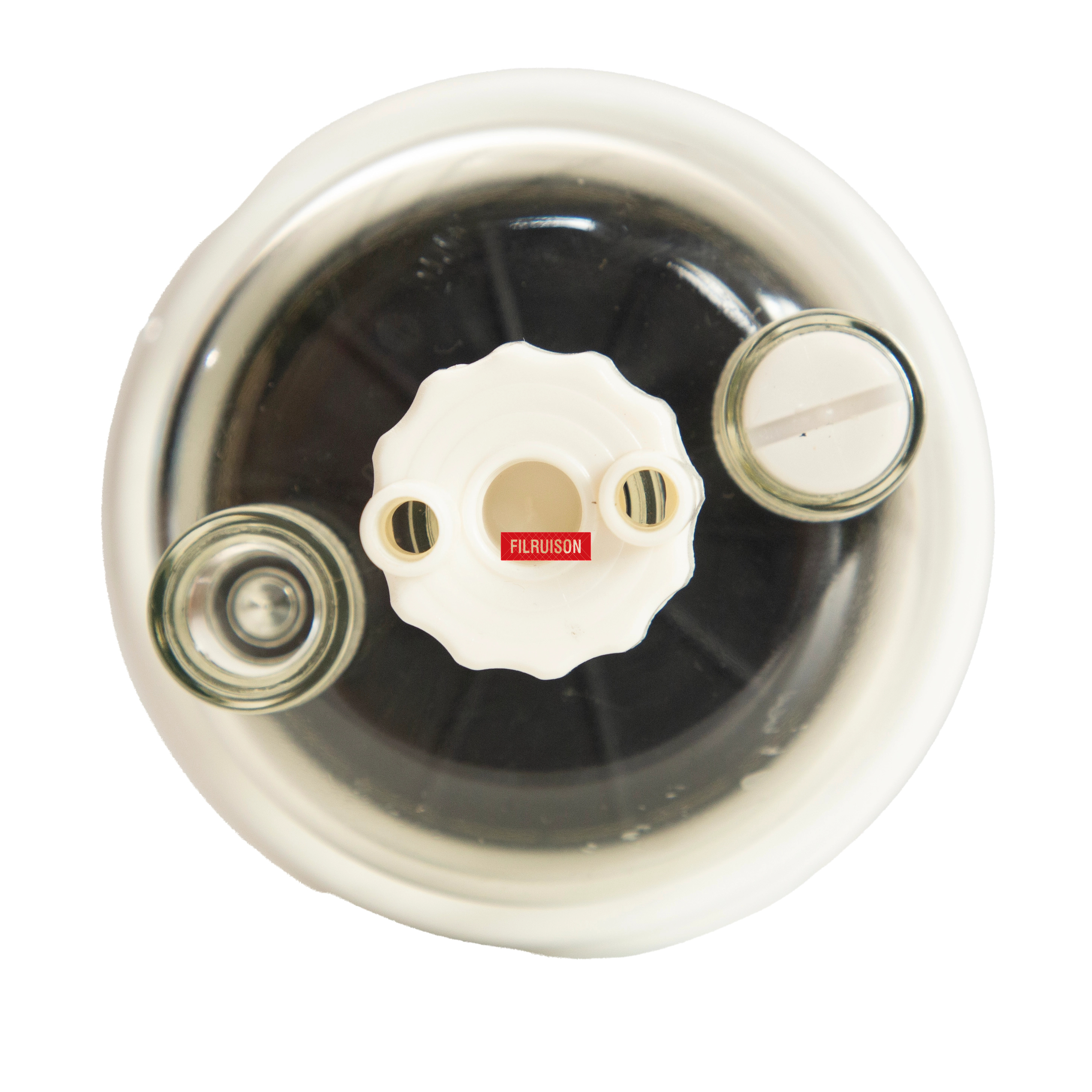
Water poses a severe threat to precision components. A Diesel Fuel Filter Water Separator targets emulsified and free water actively. This unit uses specialized hydrophobic media layers. The media strips tiny water droplets from the passing fuel. These tiny droplets coalesce into larger drops on the filter surface. The heavy water drops fall safely into a lower collection bowl. The system holds the water securely away from the injection pump.
Water passing the separator causes catastrophic engine failure. Water lacks the lubricity of diesel fuel entirely. It destroys tight pump tolerances almost instantly. Furthermore, water flashes to steam when it reaches the super-heated injector tips. This rapid steam expansion blows the delicate tips completely off the injectors. Uncontrolled fuel then dumps directly into the cylinders. Water also causes rapid corrosion and rust inside the steel fuel lines.
Regular maintenance ensures optimal separator performance. You must manually drain the water separator during routine service intervals. Locate the small petcock valve underneath the primary filter housing. Open the valve and let the trapped water drain into a clear container. Close the valve firmly once pure diesel begins flowing. Failure to drain the bowl allows water to reach the upper filter media. This oversight guarantees eventual water passage into the engine.
Original Equipment Manufacturers (OEM) provide baseline replacement intervals. Standard guidelines suggest changing filters every 10,000 to 15,000 miles. We strongly advocate for stricter 10,000-mile intervals. Vehicles subjected to heavy towing require proactive maintenance. Excessive idle time degrades fuel quality faster than highway driving. Inconsistent fuel quality from rural stations also shortens filter life. You should adopt severe-duty schedules to protect expensive fuel system components.
Many owners prefer a DIY filter change. You must understand the specific implementation risks involved. You cannot simply swap the filters and turn the key. The absolute necessity of properly priming the fuel system remains paramount. You must bleed all trapped air from the lines carefully. Failing to prime the system air-locks the engine. An air-locked HPFP runs dry during startup. This dry run causes the exact damage you sought to prevent.
Best practices for DIY replacements:
Always lubricate new O-rings utilizing clean diesel fuel before installation.
Cycle the ignition key multiple times to engage the low-pressure lift pump.
Never fill the new filter using unfiltered diesel from a dirty jug.
Chronic filtration issues plague some vehicle platforms. Tuned trucks demanding higher fuel flow need robust solutions. We recommend evaluating aftermarket multi-stage filtration systems. Reputable brands like FASS or AirDog offer superior micron ratings. These systems provide active air separation technology. They remove entrained air bubbles before the fuel reaches the engine. Upgraded lift pumps extend injector life and improve overall throttle response significantly.
You must take definitive action to protect your truck. Identify your specific engine platform and locate the correct filter part numbers. Purchase high-quality OEM parts or premium aftermarket replacements exclusively. Avoid dangerously cheap counterfeit filters sold on massive online marketplaces. Counterfeit media degrades quickly and collapses under pressure. Establish a strict maintenance log and stick to the 10,000-mile rule.
Bad diesel fuel filter symptoms function as your engine's early warning system. They alert you to dangerous fuel starvation and creeping contamination. Loss of power, hard starting, and rough idling require your immediate attention. You should never ignore dashboard warning lights or extended cranking times. We advise immediate filter replacement if any of these symptoms become present. You must also stress the importance of regular water separator maintenance. Direct your attention to purchasing verified replacement filters today. Use proven diesel fuel additives to manage water and prevent gelling. Book a professional diagnostic appointment if symptoms persist after a filter change. Your proactive efforts will ensure lasting engine reliability.
A: Yes. Black smoke is usually associated with dirty air filters or faulty injectors. However, a severely clogged fuel filter disrupts the internal fuel pressure. Low pressure ruins the delicate fuel spray patterns. This improper atomization causes incomplete combustion, resulting in noticeable black smoke from the exhaust.
A: Start with a physical inspection of the filter media and the water separator bowl. Mechanics often use a vacuum gauge to check for flow restriction on the supply line. You should also scan the engine computer for low fuel rail pressure codes.
A: Yes. The filter itself lacks an electronic sensor. However, the engine computer monitors fuel rail pressure constantly. A restricted filter drops fuel volume and triggers pressure variance codes. You will typically see diagnostic codes such as P0087 or P0148.
A: Absolutely not. Diesel filters utilize microscopic paper or synthetic media. You cannot wash or blow out the deeply embedded debris. Attempting to clean the filter damages the delicate media. This action risks pushing concentrated contaminants directly into your expensive high-pressure fuel injectors.
