
Views: 0 Author: Site Editor Publish Time: 2026-08-10 Origin: Site


Winter weather is incredibly unforgiving to heavy-duty trucks. When temperatures suddenly plummet, engine starvation can quickly leave drivers stranded on the highway. Cold-weather fuel gelling represents a direct threat to fleet uptime, owner-operator revenue, and overall engine reliability. The root culprit is a microscopic chemical reaction happening inside your fuel system. Natural paraffin wax molecules in diesel fuel solidify in freezing temperatures. They specifically target and block the microscopic pores of your fuel filter.
You need a clear, evidence-based framework to address this recurring winter hazard. This guide will help you accurately diagnose fuel system failures in the field. You will learn how to evaluate preventative solutions by comparing hardware upgrades against chemical treatments. Finally, we will cover how to safely recover a stranded vehicle without causing catastrophic damage to the sensitive injection system.
To prevent winter breakdowns, you must understand the chemical reality of No. 2 diesel fuel. Refineries formulate standard diesel with paraffin wax because it provides high energy density. It offers excellent lubrication for the injection pump. However, this wax becomes a massive liability when the ambient temperature drops.
As cold air chills the fuel tank, these dissolved wax molecules begin to change state. They crystallize into microscopic solid particles. Initially, they are small enough to float harmlessly. As temperatures continue dropping, these crystals agglomerate. They stick together and form large, sticky plates. The fuel pump pulls this waxy slush forward. The mixture then hits the fuel filter media. Because filter pores are microscopic, they easily trap these wax plates. The wax rapidly coats the filter paper. This creates an impenetrable barrier, cutting off fuel flow to the engine entirely.
Fleet managers and drivers cannot rely on guesswork. You must monitor specific temperature metrics to know when fuel behavior changes. Industry standards define three critical phases of cold-weather fuel degradation.
| Metric | Definition | Operational Impact |
|---|---|---|
| Cloud Point | The temperature where wax crystals first become visible. | Fuel looks hazy. It still flows, but wax formation has officially started. |
| Cold Filter Plugging Point (CFPP) | The exact lowest temperature fuel can pass through a standard filter. | The most vital metric. Dropping below this point guarantees immediate filter starvation. |
| Pour Point | The temperature where fuel solidifies entirely into a thick gel. | Fuel cannot flow at all. Marketed heavily by additive companies, but vehicles fail well before this point. |
You must differentiate between ice crystals and wax dropout. Moisture naturally accumulates in fuel tanks through condensation. When temperatures drop below freezing, this water turns into ice. Ice shards will quickly plug a fuel filter. Drivers often misdiagnose this as wax gelling. Ice requires a water demulsifier or alcohol-based de-icer. Wax requires an anti-gel solvent. Understanding this difference establishes the baseline for choosing the correct diagnostic path.
Proper field diagnosis saves hours of unnecessary labor. When a truck fails in freezing temperatures, you must quickly identify the root cause. You need specific success criteria for an accurate evaluation.
A starved engine exhibits very predictable behaviors. If you notice the following symptoms during cold weather, suspect fuel delivery issues immediately.
You should never guess based on symptoms alone. Guide your diagnostic process by physically inspecting the fuel filter housing. Put on protective gloves and carefully remove the primary fuel filter. Look closely at the pleated paper media. If the filter is coated in a thick, white, waxy substance, it is definitively a gelled diesel fuel filter. If the media is relatively clean but coated in ice crystals, you are dealing with water contamination.
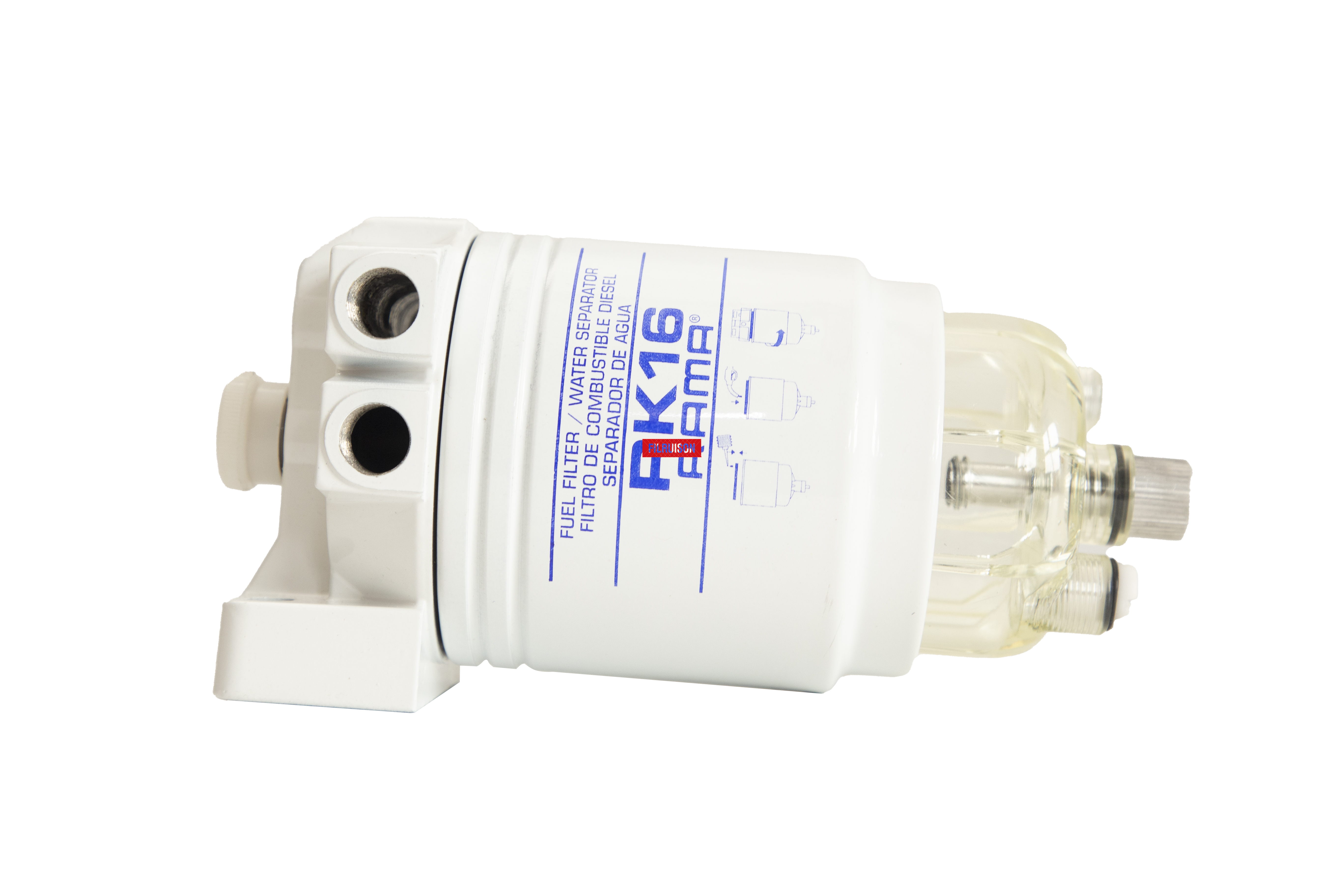
Preventing winter fuel issues requires a multi-layered approach. You must evaluate the operational realities of chemical treatments and hardware upgrades. Every fleet operates differently, so choosing the right defense mechanism is crucial.
Many fuel stations offer winterized diesel blends. This involves blending standard No. 2 diesel with No. 1 diesel, which is essentially kerosene. Kerosene contains very little paraffin wax. Blending it aggressively lowers the CFPP. However, you face notable trade-offs. No. 1 diesel has lower energy density. You will experience noticeably reduced fuel economy. Kerosene also offers lower lubricity. This can accelerate wear on expensive high-pressure injection pumps over time.
Standard cold-flow improvers are the most common defense. You must understand how they actually work. These chemicals do not eliminate the wax. Instead, they modify the wax crystal shapes. They prevent the crystals from bonding into large plates. The microscopic wax particles remain small enough to pass safely through the filter media. You must dose the fuel tank above the fuel's Cloud Point. Pouring preventative anti-gel into cold, already-cloudy fuel is completely ineffective.
Commercial operations often find hardware upgrades more reliable than driver-administered additives. Hardware provides continuous, automated protection.
When prevention fails, you face a high-risk, immediate-action scenario. Stranded trucks represent lost revenue and severe safety risks for drivers in freezing weather. You must implement recovery protocols carefully. Incorrect methods can cause catastrophic engine damage. Never use ether or starting fluid on a modern diesel engine. The glow plugs can ignite the ether prematurely, shattering pistons. Never use open flames or blowtorches near fuel lines.
Reacting to emergencies is expensive. You need to shift to a B2B fleet management perspective. Stop reacting to gelling and start preventing it systematically. Scalability and risk mitigation are the ultimate goals for winter operations.
You cannot control the weather, but you can control your fuel supply. Establish strict contracts with your bulk fuel suppliers. Guarantee that their delivered CFPP ratings are suitable for your fleet's specific geographic routes. Require documentation of their winter blending ratios before November.
Update your preventative maintenance schedules. Mandate late-fall filter replacements across the entire fleet. A partially restricted filter will gel much faster than a clean one. Ensure you service every separator on the vehicle. Draining the water bowl ensures maximum flow capacity before the first freeze hits your region.
Empower your operators. Standardize the onboarding process for chemical additives. Ensure every driver knows exact dosage ratios per gallon. Teach them to perform simple visual inspections of fuel clarity during pre-trip walk-arounds. If they see cloudy fuel in the separator bowl, they must report it before leaving the terminal.
A blocked fuel system is a predictable and preventable failure. By understanding the chemical thresholds of diesel wax dropout, you can stay ahead of plunging temperatures. Accurate diagnosis prevents wasted time chasing electrical issues when the true culprit is restricted fuel flow.
To summarize your decision matrix: use preventative additives proactively before the cold hits. Upgrade to heated hardware and heavy-duty separators for permanent, automated reliability. Finally, always keep emergency solvents and spare filters in the cab. Implementing these strategies ensures your engine stays running, your freight keeps moving, and your drivers remain safe during the worst winter storms.
A: It varies by blend. However, untreated No. 2 diesel typically reaches its Cloud Point around 10°F to 15°F. At this stage, wax crystals form. Actual filter plugging (CFPP) usually follows shortly after, often between 0°F and 10°F. Winterized blends can lower this threshold significantly.
A: Yes, but there is a massive time delay. It can reliquefy naturally as the wax melts back into the fuel. However, this relies entirely on ambient temperatures rising significantly above the Cloud Point. Waiting for the sun incurs unacceptable operational downtime.
A: Never add gasoline to a diesel engine. It poses severe explosive risks and destroys injection pump lubrication, causing catastrophic damage. Kerosene (No. 1 diesel) acts as a preventative blending agent to lower the freezing point, but it is not a fast-acting emergency un-geller.
A: No, it does not. Block heaters keep engine oil and coolant warm, ensuring easier cold-cranking. They do absolutely nothing to protect cold fuel sitting in the main tank or exposed frame-mounted fuel filters. You still need additives or heated fuel systems.
