
Views: 0 Author: Site Editor Publish Time: 2026-08-04 Origin: Site


Most operators rarely think about their engine components until a sudden breakdown occurs. You usually only research the diesel fuel filter housing when facing hard starts, fuel leaks, or a low fuel pressure code. This component operates far beyond a simple static container. It serves as a highly critical pressurized hub managing fuel filtration, water separation, and vital temperature regulation. When it fails, you risk sending unfiltered fuel or trapped air directly into your sensitive high-pressure injection system. In this comprehensive guide, we will break down exactly how this housing functions under intense pressure. You will discover the most common failure modes and learn how to diagnose air intrusion properly. We also provide a clear framework to help you choose confidently between standard OEM replacements and highly durable aftermarket upgrades.
Modern diesel engines rely on highly specific fuel pressures to run correctly. The housing acts as a secure bridge between the low-pressure lift pump and the high-pressure injection pump. It must hold fuel at a constant PSI. If the structural integrity weakens, the system loses its prime. You will notice immediate hesitation during acceleration. A compromised diesel fuel filter housing simply cannot maintain the pressure required for optimal combustion.
Cold weather presents a massive challenge for diesel operators. Diesel fuel naturally contains paraffin wax. This wax crystallizes and gels in sub-zero temperatures. Manufacturers integrate specialized heating elements directly into the housing assembly. These thermal regulators warm the fluid before it hits the filter media. You avoid clogged filters and winter breakdown scenarios. The heater ensures consistent viscosity across extreme climate variations.
You cannot manage what you cannot measure. The housing serves as the central mounting point for critical diagnostic sensors. It holds the Water-in-Fuel (WIF) sensor securely. It also houses fuel pressure regulators and temperature nodes. These sensors constantly communicate data back to the engine control module. Proper sensor seating prevents false diagnostic trouble codes. Accurate readings keep your engine operating within safe parameters.
Internal geometry matters significantly for fluid dynamics. The internal channels direct raw diesel evenly across the pleated filter media. They create a deliberate path to maximize contaminant capture. Un-filtered fuel cannot bypass the media even under heavy engine loads. Precision engineering ensures debris stays trapped inside the bowl. Clean fuel then exits the assembly to feed your sensitive injectors safely.
Air intrusion causes massive headaches for mechanics. You might notice raw fuel pooling deep in the engine valley. Sometimes, you experience a crank-no-start condition after the truck sits overnight. This happens because air enters the lines and the system loses prime. Physical leaks are visible, but air leaks are insidious. A microscopic crack pulls air in under vacuum pressure. Your injectors then misfire from fuel starvation.
Many mechanics immediately swap out O-rings when they spot a leak. They assume degraded rubber is the only culprit. This often fails to solve the root problem. Continuous engine heat cycles warp the actual plastic bowl. Thermal fatigue creates distortion around the sealing surfaces. New rubber cannot seal against a warped mating surface. You waste time and labor chasing a structural defect with a simple seal replacement.
Knowing when to repair or replace saves considerable downtime. Follow these basic guidelines when inspecting your system:
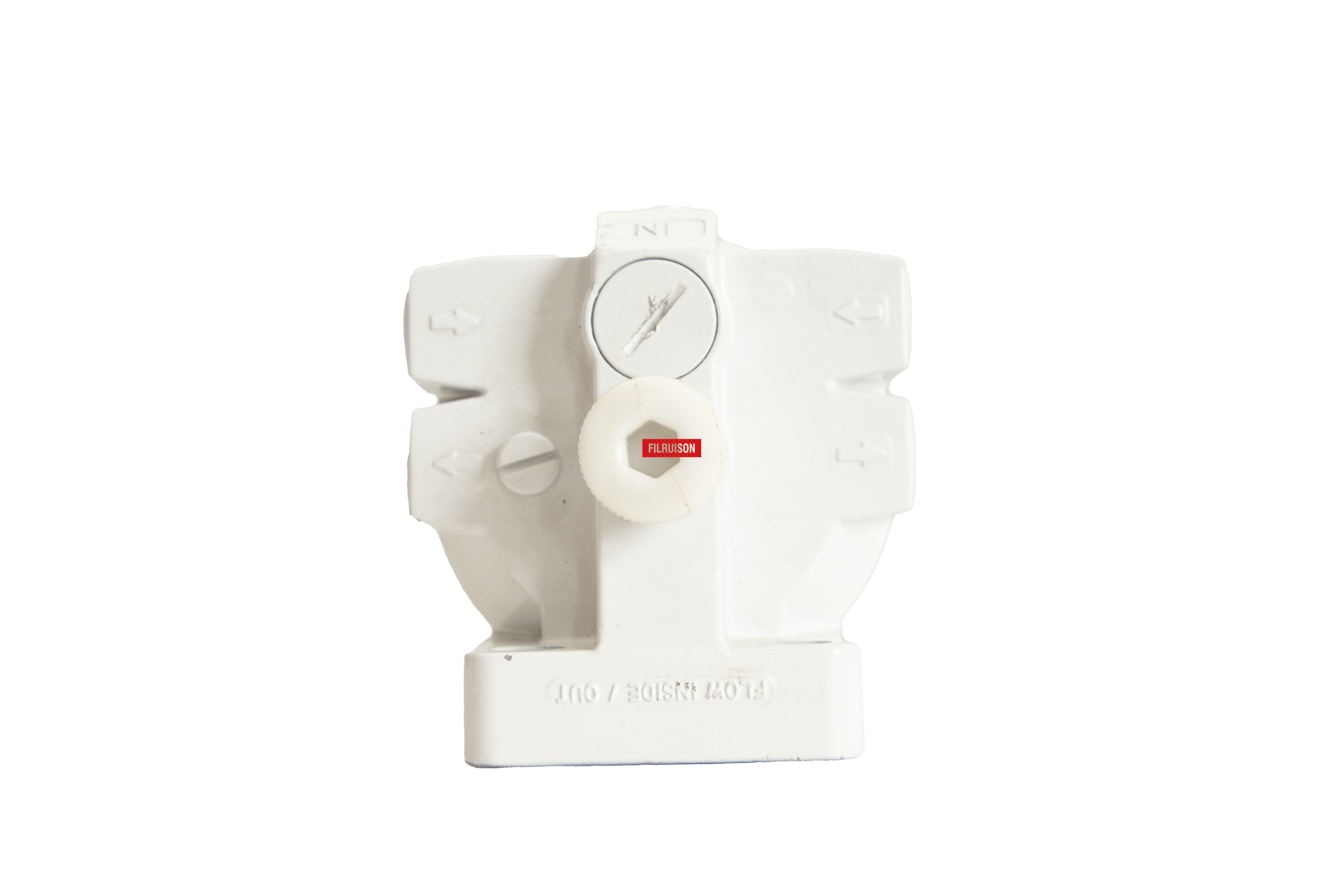
Factory housings mostly utilize engineered plastics. These polymers reduce manufacturing costs and save weight. However, they endure brutal conditions under the hood. Continuous heat cycles cause the factory plastic to warp slowly. The material becomes extremely brittle over several years. Engine vibration accelerates this degradation process. Eventually, the housing cracks under standard operational stress. You then face sudden roadside failures.
Aftermarket manufacturers often use billet aluminum for replacement units. Metal housings eliminate the micro-fracture issues entirely. They resist warping under intense thermal loads. Aluminum threads do not strip easily when you torque a new filter cap. This rigidity prevents overtightening damage during routine maintenance. Upgrading provides immense peace of mind for heavy-duty fleet operators.
You must evaluate the true financial impact of your parts. An OEM plastic unit costs less upfront. However, you might replace it three times over the lifespan of the vehicle. You pay for labor and suffer downtime with each failure. An aluminum replacement demands a higher initial investment. Yet, it typically lasts the entire life of the truck. You eliminate recurring labor fees and prevent sudden breakdown expenses.
| Feature | OEM Polymer Housing | Aftermarket Aluminum Housing |
|---|---|---|
| Material Resilience | Prone to thermal warping and brittleness | Highly resistant to heat and vibration |
| Thread Durability | Easily stripped or cross-threaded | Strong, reusable threads for maintenance |
| Upfront Investment | Lower initial purchase price | Higher initial purchase price |
| Expected Lifespan | Requires periodic replacement | Typically lasts the lifetime of the vehicle |
Filtration operates as a multi-stage process. The primary bowl directs specific fluid flow into the Diesel Fuel Filter Water Separator. It utilizes precise flow rates to manipulate the fluid dynamically. Slower velocity allows heavier water droplets to drop out of suspension. The water settles harmlessly at the bottom of the chamber. This system synergy keeps moisture entirely away from the engine block.
Water collection requires regular draining. The petcock or drain valve sits at the lowest point of the assembly. Frequent use puts physical stress on this small component. On degraded plastic housings, the valve threads frequently snap off. A broken valve dumps raw diesel directly onto the ground. Metal upgrades provide structural reinforcement for this high-use area. You ensure reliable draining without fear of breaking the assembly.
A perfectly sealed unit defends your most expensive engine parts. Water causes catastrophic damage if it bypasses the separator. High-pressure pumps, like the CP4 or CP3, rely on diesel for lubrication. Water strips away this lubrication instantly. Metal internals grind together and send shrapnel through the fuel lines. A robust housing prevents this destructive chain reaction completely.
Swapping a housing is rarely a simple bolt-on affair. Many units mount tightly against the rear firewall. Restricted access makes removing factory fuel lines difficult. You risk snapping brittle quick-disconnect fittings if you force them. Always trace the line routing before loosening the main bracket. Proper clearance checks prevent accidental damage to surrounding wiring harnesses.
Air inside the fuel lines is extremely destructive. You must execute mandatory bleeding procedures post-installation. Dry-starting the injection system will score the pump internals immediately. Always follow these exact steps to purge air safely:
Installation torque requires absolute precision. Over-torquing is the leading cause of immediate part failure. Mechanics often overtighten sensors into new polymer units. The plastic casing splits, causing a severe leak immediately upon startup. Always use a calibrated torque wrench. Reference the specific factory manual for exact inch-pound requirements. Proper torque ensures longevity and leak-free performance.
Part matching requires strict attention to detail. Never assume a generic unit will fit your specific engine block. You must cross-reference the replacement against factory part numbers exactly. Incorrect internal porting leads to dead-headed fuel lines. Incompatible sensor threads force you to buy expensive adapters. Exact matching guarantees the unit bolts up flawlessly.
Incomplete kits cause major frustration in the garage. Always check exactly what ships inside the box. A quality unit should include a pre-installed filter element. It must provide brand-new, chemical-resistant O-rings. Ensure the manufacturer includes required mounting bolts and bleeder screws. Reusing old hardware compromises the structural integrity of your newly installed upgrade.
Protect your investment through strong manufacturer support. Recommend filtering potential brands by their long-term defect warranties. A lifetime warranty indicates extreme confidence in material quality. Confirm the new unit complies perfectly with factory fuel line quick-disconnects. Modifications to factory lines often void existing drivetrain warranties. Plug-and-play compliance keeps your maintenance records clean.
A compromised fuel filter housing remains an active threat to your entire high-pressure fuel system. It dictates pressure, isolates contaminants, and prevents moisture from destroying expensive internal pumps. Ignoring small leaks or hairline cracks often results in sudden roadside breakdowns and massive repair bills.
Fleet managers and owner-operators must adopt a proactive approach. Bypass temporary seal fixes if you detect any material degradation. Temporary fixes only delay inevitable structural failure. Calculate the genuine financial return of upgrading to a billet aluminum assembly based on downtime prevention. Investing in a highly durable replacement now secures your engine's reliability for hundreds of thousands of miles.
A: Yes. A crack allows air intrusion into the system when the engine is off. This breaks the vacuum seal, causing fuel to drain back into the tank. The high-pressure pump starves for fuel, resulting in a continuous crank with no ignition.
A: It is not a routine maintenance item like the filter element itself. You should treat it as a "replace on failure or degradation" component. Inspect it during every filter change and replace it immediately if you spot warping, weeping, or micro-cracks.
A: Yes, many operators delete the factory bowl in favor of frame-mounted filtration systems. This provides superior filtration and easier maintenance. However, it requires re-routing fuel lines and often bypassing factory water-in-fuel sensors, which carries technical risks if installed improperly.
A: Leaks usually stem from common installation errors. You may have rolled or pinched an O-ring during assembly. Debris trapped in the thread path also prevents a flush seal. Finally, incorrect torque specifications can distort the cap, causing immediate fluid seepage.
