
Views: 0 Author: Site Editor Publish Time: 2025-11-21 Origin: Site


A diesel fuel filter is essential for maintaining your engine's health. It prevents contaminants from entering the engine, ensuring smooth operation. Without it, impurities can damage key components, leading to costly repairs. In this article, we’ll explore how a diesel fuel filter works, when it should be replaced, and the risks of neglecting maintenance. You’ll learn the importance of proper filter maintenance and how to keep your engine running efficiently.
Diesel fuel filters are essential for preventing contaminants such as dirt, rust, and water from reaching the engine.
Regular maintenance of the filter ensures optimal engine performance and avoids costly repairs.
The filter operates by trapping particles of varying sizes, typically between 3 to 15 microns, to protect engine components like injectors and fuel pumps.
Symptoms of a clogged filter include reduced fuel efficiency, engine stalling, and power loss, all of which highlight the importance of timely filter replacements.
SYKING offers high-performance diesel fuel filters, providing superior filtration efficiency and long-lasting protection for your engine, making them an excellent choice for ensuring the longevity of your diesel-powered vehicle.
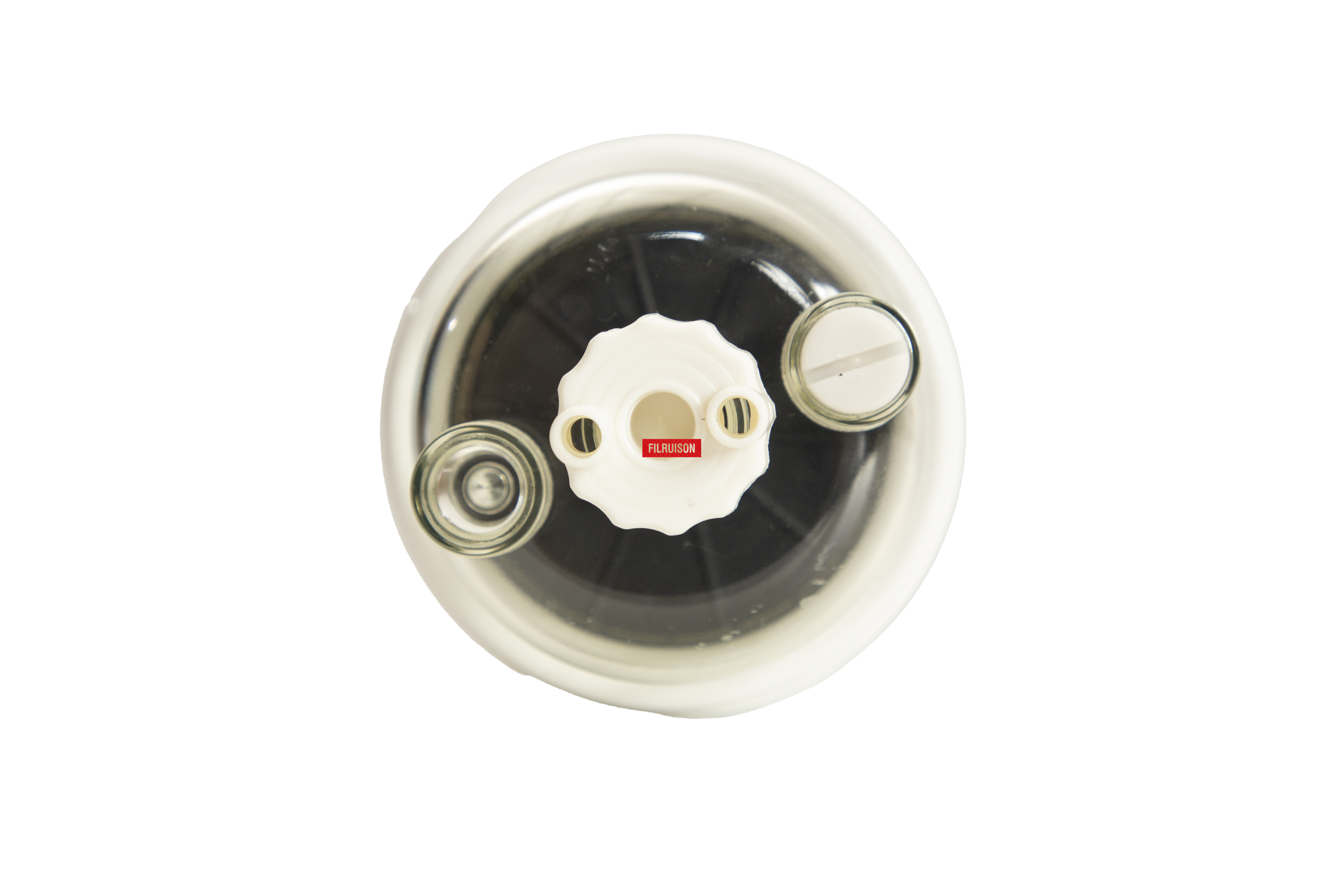
A diesel fuel filter prevents dirt, rust, and other harmful particles from entering the engine. Diesel engines rely on precise fuel injection systems, which require clean fuel for optimal performance. The filter ensures that contaminants are trapped, allowing only clean fuel to pass through to the engine. This process maintains fuel efficiency, protects the injectors, and ensures smooth engine operation.
A diesel fuel filter typically consists of:
Housing: The outer structure that holds the filter media and separates the clean fuel from the contaminants.
Filter Media: The material inside the housing that physically traps impurities. It could be made of paper, fabric, or synthetic materials.
Water Separator: Many diesel fuel filters include a water separator that prevents water from entering the fuel system. This feature is particularly important as water in the fuel can cause corrosion and engine misfires.
| Component | Description |
|---|---|
| Housing | The outer shell that protects the filter media and holds everything together. |
| Filter Media | The material inside the filter that captures particles such as dirt and rust. |
| Water Separator | A feature that removes water from the fuel to prevent corrosion and misfires. |
A diesel fuel filter is designed to capture several types of contaminants, including:
Dirt and debris: Small particles from external sources that can clog the injectors.
Rust: Metal particles from the tank or fuel system that can damage components.
Asphaltene: Fine particles in the fuel that can accumulate over time, clogging the filter.
Wax Crystals: In colder climates, diesel fuel can form wax crystals that can obstruct the filter.
| Contaminant | Effect on Diesel Engine |
|---|---|
| Dirt and Debris | Can block injectors, reduce efficiency, and cause engine misfires. |
| Rust | Can corrode metal parts and cause wear in the fuel system. |
| Asphaltene | Forms residue that clogs the filter, reducing fuel flow. |
| Wax Crystals | Can cause filter blockages in colder temperatures, reducing fuel flow. |
When fuel flows through the filter, it passes through the filter media, where contaminants are trapped. The filter’s pores allow fuel to flow through but block particles larger than a specified size, which varies based on the type of filter and the engine's requirements. As the fuel travels through, clean fuel is directed toward the engine, while contaminants are trapped within the filter material.
Filters are rated by their ability to remove particles of a certain size, measured in microns. A micron is one-millionth of a meter. For example:
Primary filters generally remove particles in the 10-15 micron range.
Secondary filters, which are placed closer to the engine, capture even smaller particles, typically around 3-5 microns.
A micron rating is crucial because contaminants as small as 3 microns can cause significant damage to sensitive engine parts like injectors. The filter's micron rating determines its effectiveness in preventing such damage.
| Micron Rating | Particle Size Filtered | Effectiveness |
|---|---|---|
| 10-15 microns | Larger particles (dirt, rust) | Pre-filters to protect the fuel system. |
| 3-5 microns | Smaller particles (asphaltene) | Final filtration before fuel enters the engine. |
Some diesel fuel filters also include a water separator, which captures water in the fuel before it reaches the engine. Water in diesel fuel can cause corrosion in the fuel system, damage injectors, and lead to engine misfires. The water separator ensures that only clean, dry fuel reaches the engine.
The timing for replacing a diesel fuel filter depends on the manufacturer's guidelines. Most manufacturers recommend replacing the filter every 10,000 to 15,000 miles. However, driving habits, fuel quality, and operating conditions can impact this timeline. It’s essential to consult your vehicle's manual for the most accurate recommendations.
If the fuel filter is clogged, you might notice the following symptoms:
Reduced fuel efficiency: The engine may require more fuel to operate, decreasing overall efficiency.
Engine stalling or misfires: A clogged filter can disrupt fuel delivery, causing irregular engine performance.
Loss of power: A clogged filter restricts fuel flow, leading to poor acceleration and engine sluggishness.
| Symptom | Effect on Engine |
|---|---|
| Reduced Fuel Efficiency | More fuel is needed for the engine to operate, leading to poor mileage. |
| Engine Stalling or Misfires | Inconsistent fuel delivery causes the engine to stop or run erratically. |
| Loss of Power | Insufficient fuel flow results in poor acceleration and sluggish performance. |
Usage conditions: Frequent short trips or operating in dusty environments may cause the filter to clog faster.
Fuel quality: Poor-quality or contaminated fuel can shorten the life of the filter.
Driving habits: Aggressive driving or extended idling can also impact filter longevity.
A dirty or clogged diesel fuel filter can significantly affect engine performance. Without a properly functioning filter, contaminants can reach critical engine components, causing:
Poor fuel delivery: Reduced fuel flow can lead to engine hesitation, stalling, or difficulty starting.
Decreased power and acceleration: Lack of sufficient fuel pressure affects performance, particularly under load or during acceleration.
If the fuel filter becomes too clogged, contaminants will bypass the filter and enter the fuel injectors and pump. This can cause wear and damage to these components, resulting in:
Injector clogging: Tiny particles can obstruct the injectors, leading to uneven fuel spray and inefficient combustion.
Pump wear: Dirt and rust can cause damage to the fuel pump, leading to costly repairs or replacement.
Neglecting to replace a dirty fuel filter can lead to expensive repairs. The cost of replacing the filter is minimal compared to the potential damage to the fuel system. Engine repairs due to contaminated fuel can cost hundreds or even thousands of dollars. Regular filter changes help avoid these unnecessary expenses.
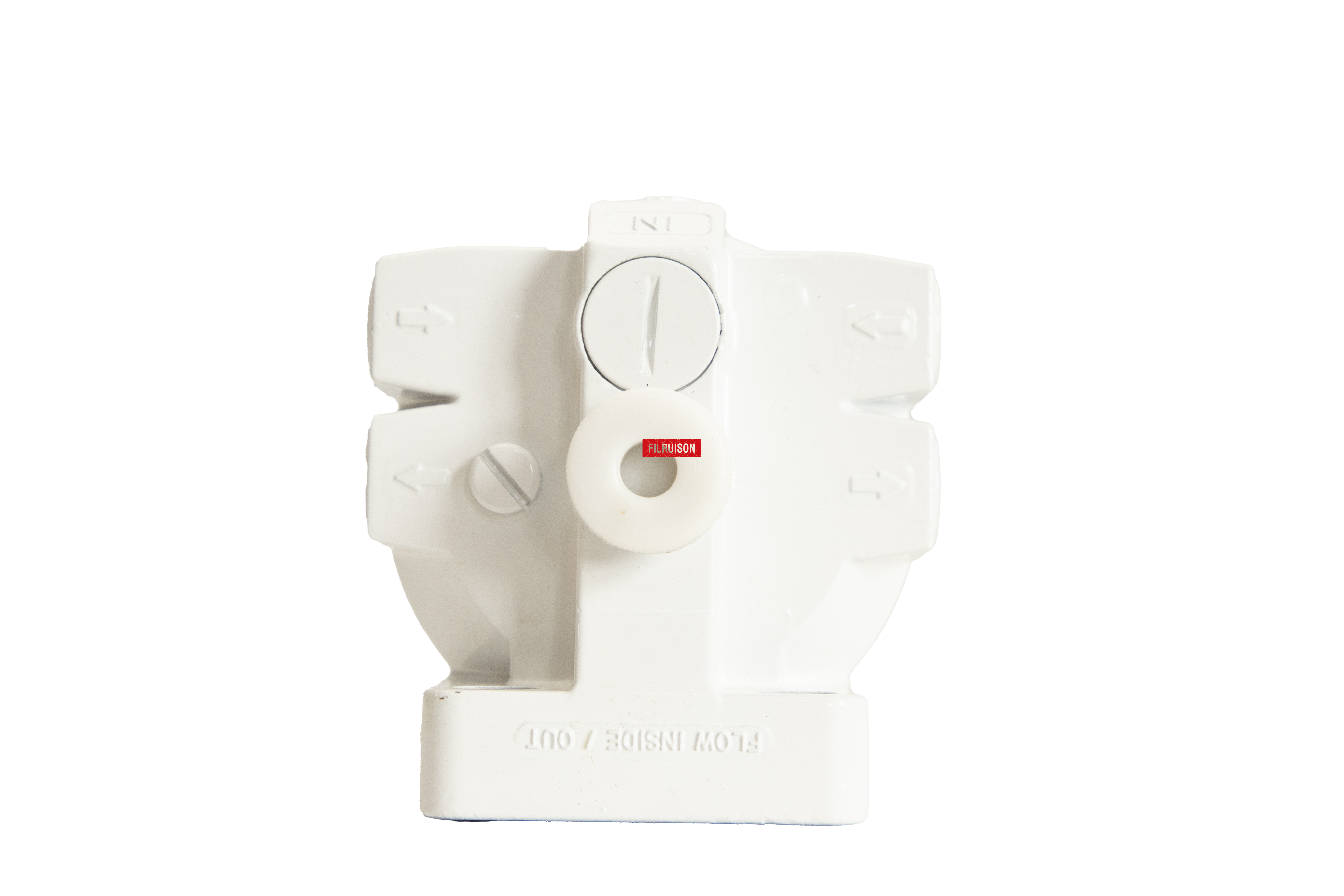
To ensure your diesel fuel filter works effectively, follow these maintenance tips:
Use high-quality fuel: Always buy fuel from trusted stations to reduce the chances of contamination.
Regular inspections: Periodically check the filter for signs of clogging or wear. If you notice any issues, replace it promptly.
Follow manufacturer guidelines: Stick to the recommended filter replacement intervals and avoid extending the time too long.
Avoid overfilling the tank: Overfilling can stir up debris from the bottom of the tank and push it into the fuel system.
Fuel quality: Refuel at stations with clean tanks and avoid refueling right after a delivery, when sediment is stirred up.
Prevent water contamination: Regularly check for water in the fuel and remove it promptly.
It’s important to replace a clogged filter rather than attempt to clean it. Diesel filters are designed to capture contaminants, and once they become clogged, they lose their effectiveness. Cleaning may not remove all the trapped particles, and the filter may still cause damage to the engine. Always replace it at the recommended interval.
Replacing a diesel fuel filter can be done either by yourself or through a professional mechanic. The cost of doing it yourself is typically between $10 and $50 for the filter itself, depending on the type and brand. If you choose to have a professional replace it, the labor costs can range from $50 to $150 or more, depending on the complexity of the job.
Several factors can influence the cost of replacing a diesel fuel filter:
Filter type: High-end or specialized filters can cost more.
Vehicle model: Some vehicles require more labor-intensive filter replacements, increasing the cost.
Location: Labor rates vary by location, with urban areas generally being more expensive.
Additional parts: Sometimes, seals or gaskets may need to be replaced, adding to the overall cost.
| Cost Factor | DIY Cost | Professional Replacement Cost |
|---|---|---|
| Filter Type | $10 - $50 | $50 - $150+ |
| Labor Cost | N/A | $50 - $150+ |
| Additional Parts | N/A | Gaskets, seals, etc. |
While the initial cost of replacing the fuel filter may seem small, neglecting regular maintenance can lead to costly engine repairs. Regularly replacing the filter ensures that your engine continues to run smoothly and efficiently, saving you money on repairs and improving fuel economy.
A diesel fuel filter is essential for the health of your engine. It protects the fuel system by preventing contaminants from causing damage. Regular maintenance and timely replacements ensure smooth engine performance and long-term reliability. By following the manufacturer’s guidelines, you can avoid costly repairs and ensure efficient operation.
SYKING offers high-performance diesel fuel filters that provide superior filtration, ensuring your engine stays protected. With SYKING products, you gain reliability, efficiency, and long-lasting protection for your diesel vehicle.
A: A diesel fuel filter is a component that removes contaminants like dirt, rust, and water from diesel fuel before it enters the engine, ensuring smooth engine operation.
A: It prevents impurities from damaging the fuel system, protecting components like injectors and fuel pumps, which can be expensive to repair.
A: Typically, a diesel fuel filter should be replaced every 10,000 to 15,000 miles, depending on the manufacturer’s recommendations.
A: A clogged diesel fuel filter can lead to reduced engine performance, stalling, and increased fuel consumption due to restricted fuel flow.
A: It works by filtering out contaminants from the fuel using a porous media, allowing only clean fuel to pass into the engine, ensuring efficient operation.
