
Views: 0 Author: Site Editor Publish Time: 2026-07-05 Origin: Site


Vintage vehicles and early agricultural machinery relied heavily on a unique filtration method. Before paper elements dominated the market, engineers used heavy fluids to trap dust. Today, owners of legacy equipment face a critical maintenance crossroad. You must understand how to properly service these outdated systems. Otherwise, you risk severe engine damage. Alternatively, you might decide to retrofit them using modern dry-element filters.
We will provide a clear, mechanics-level breakdown of how these units operate. You will learn about the real-world maintenance burdens they present. We also offer an evidence-based framework for making a confident choice. You will discover whether OEM restoration or a modern conversion makes sense for your specific build. This guide covers everything from airflow physics to safe cleaning protocols.
Mechanism: Oil-bath filters use a combination of directional airflow, centrifugal force, and a standing oil reservoir to trap heavy particulates.
Performance Reality: While highly effective at capturing large debris and holding significant dirt volume, they pose higher airflow restriction compared to modern paper elements.
Maintenance Risk: Incorrect oil viscosity or overfilling can lead to "oil pull-over," potentially causing engine runaway in diesels or fouled spark plugs in gas engines.
The Decision: Choosing between keeping an oil bath air cleaner and converting to a dry filter depends entirely on your evaluation criteria: historical authenticity vs. maintenance convenience and engine efficiency.
Understanding the inner workings of a classic Oil-bath Air Filter requires looking at airflow physics. Incoming air enters the top or side of the housing. The system forces this air downward through a narrow central tube. This creates a restricted pathway known as the labyrinth. Engine vacuum drives this entire process. It accelerates the air stream as it moves deeper into the canister. The tube directs this high-velocity air straight toward a standing fluid reservoir at the bottom.
The system relies heavily on velocity and a sudden directional shift. As the accelerated air reaches the fluid surface, it must make a rapid 180-degree turn upward. Clean air easily makes this sharp turn. Heavier dirt particles cannot change direction quickly enough. Inertia forces these solid contaminants to crash directly into the fluid pool. They sink to the bottom and form a thick sludge over time.
A dense mesh element sits directly above the pool. Manufacturers typically used loosely woven wire or coarse horsehair for this scrubbing layer. The high-speed airflow whips up tiny droplets of fluid from the pool below. It carries these droplets into the mesh. The mesh catches both the atomized fluid and any remaining fine dust. The fluid then gathers into larger drops and falls back down into the reservoir. This continuous cycle effectively self-cleans the mesh layer while trapping dirt.
This entire filtration mechanism depends on specific system parameters. The engine must generate consistent vacuum to maintain appropriate air velocity. You also must maintain exact fluid levels inside the reservoir pan. Low levels prevent the atomization needed to wet the mesh. High levels risk flooding the intake manifold. The system balances these elements to deliver clean air to the carburetor.
Deciding whether to keep an original oil bath air cleaner requires comparing it against modern pleated paper technology. Filtration efficiency represents the most critical comparison point. Modern paper elements easily capture tiny particles measuring 10 to 20 microns. They achieve this regardless of engine RPM. Older fluid-based systems struggle to catch fine dust at idle. Low engine speeds fail to atomize enough fluid into the mesh. However, these vintage units excel in environments filled with heavy, large-scale debris.
Airflow restriction presents another major difference. The complex labyrinth path inherently restricts incoming air. It creates a noticeable pressure drop. Pleated dry filters offer much smoother pathways. They improve overall volumetric efficiency. Swapping to a dry element slightly increases available horsepower and sharpens throttle response.
Despite airflow limitations, vintage fluid models offer unmatched capacity. They can hold massive volumes of dirt before failing completely. The solid debris simply settles at the bottom of the pan as dense sludge. The engine continues breathing freely until the sludge displaces too much fluid. This massive saturation point made them historically ideal for uninterrupted agricultural use.
Cost of ownership factors heavily into this evaluation. Modern setups require purchasing replacement paper elements regularly. The classic fluid method requires almost no new parts. You only need a fraction of a quart of standard engine oil for a refill. You clean the housing and reuse the existing components indefinitely.
Feature | Vintage Fluid System | Modern Dry Filter |
|---|---|---|
Filtration Efficiency | Struggles with fine dust at low RPMs. | Consistently traps 10-20 micron particles. |
Airflow Restriction | High pressure drop. Limits throttle response. | Low restriction. Maximizes volumetric efficiency. |
Dirt Capacity | Massive. Holds thick sludge for weeks of field use. | Moderate. Surface clogs faster in heavy dust. |
Maintenance Cost | Minimal. Only requires standard engine oil. | Ongoing. Requires purchasing replacement elements. |
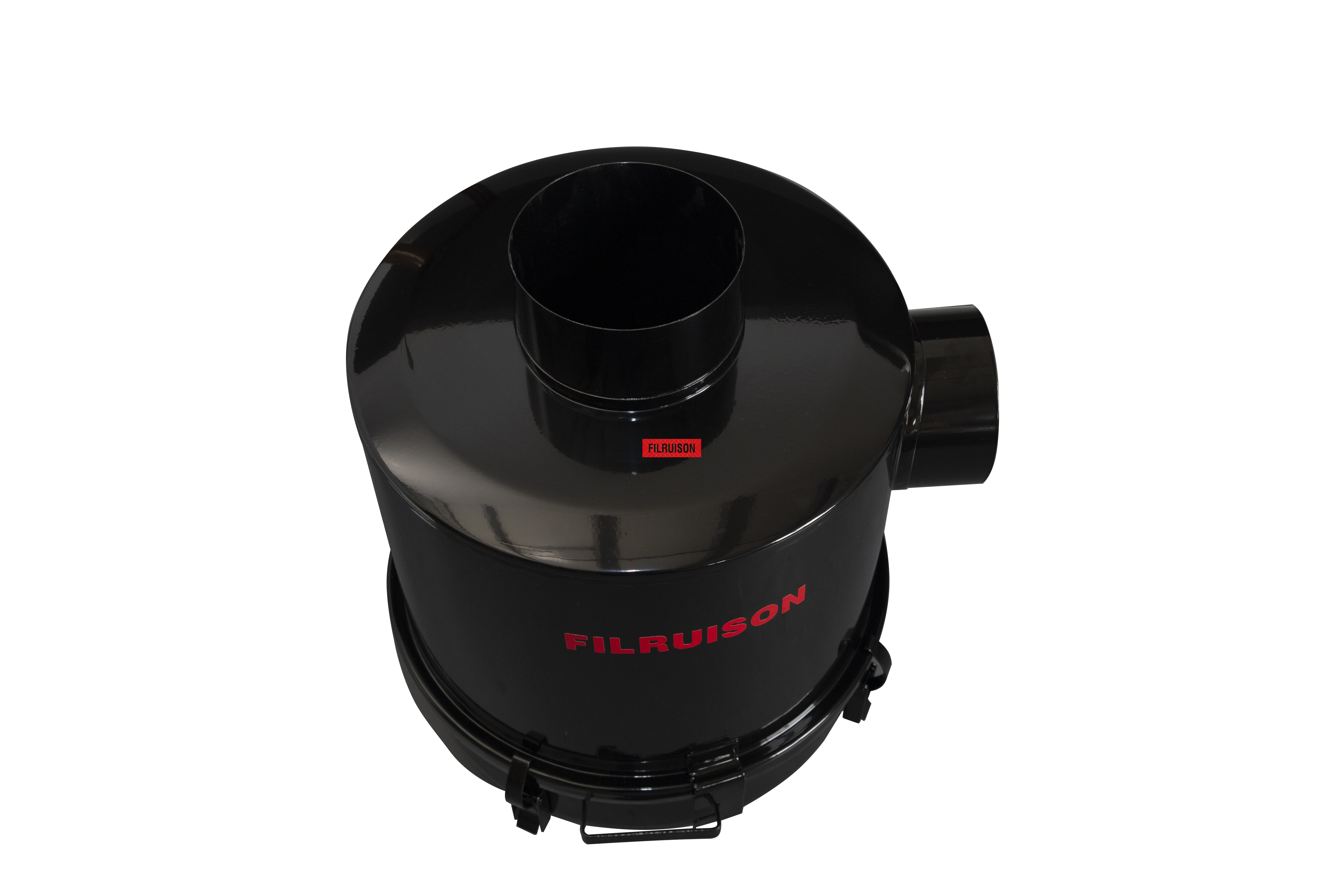
Proper service intervals depend entirely on your operating environment. Farm tractors working daily in dusty fields historically required daily service. The operator had to dump the sludge before every shift. Today, a classic weekend cruiser faces much cleaner roads. You can usually safely extend the service interval to once a year. Monitoring the fluid level and checking the bottom pan for sediment buildup dictates your actual schedule.
Improper maintenance introduces severe implementation risks. The "oil pull-over" phenomenon represents the most dangerous scenario. This occurs when you overfill the reservoir past the indicated fill line. Engine vacuum aggressively sucks the excess fluid directly into the intake manifold. In gasoline engines, this coats the spark plugs and causes immediate misfires. In diesel engines, the consequences turn catastrophic. The engine burns the ingested fluid as uncontrolled fuel. This triggers engine runaway, often resulting in complete mechanical destruction.
Viscosity selection heavily influences how the system performs. You must follow the standard rule of thumb. Typically, you should match the fluid to your engine crankcase requirements. SAE 30 works perfectly for summer driving. Lighter weights perform better in freezing conditions. Modern multi-viscosity fluids like 10W-30 behave unpredictably in these housings. They thin out too much under under-hood heat. This makes them highly susceptible to the pull-over effect discussed earlier.
The standard operating procedure for cleaning is messy but straightforward. We recommend following these exact steps to ensure safe operation:
Dismantle the outer housing and carefully remove the upper mesh assembly.
Pour the contaminated fluid into an approved waste container.
Use a plastic scraper to remove the dense sludge from the bottom of the pan.
Submerge the metal mesh in a parts washer filled with kerosene or appropriate solvent.
Allow all components to air dry completely before reassembly to prevent solvent ingestion.
Refill the pan precisely to the factory-stamped indicator line.
Equipment owners eventually face a clear choice. They must decide between retaining the factory design or updating to dry media. Your evaluation criteria will guide this decision. You must weigh historical authenticity against everyday maintenance convenience.
You should keep the OEM system under specific conditions. Consider retaining it for the following scenarios:
Concours Restorations: Judges strictly deduct points for non-original parts. Factory accuracy supersedes modern convenience.
Low-RPM/High-Dust Use: Vintage tractors operating in genuine agricultural settings benefit from the original design. Paper filters would quickly clog in heavy chaff and dirt.
Budget Constraints: Keeping the stock unit avoids the upfront expense of custom billet housings or specialized adapter kits.
Conversely, upgrading to a dry paper element makes sense for different usage profiles. Consider a conversion if these factors apply to you:
Daily Driven Classics: Reliability and fuel economy take priority over factory originality. Paper filters make weekend maintenance fast and clean.
Performance Engine Builds: Upgraded carburetors or increased engine displacement demand higher airflow. The factory labyrinth simply cannot flow enough cubic feet per minute (CFM) to support aggressive camshafts.
Fire Risk Mitigation: Backfires through the carburetor can ignite the fluid pool in a factory setup. A dry element eliminates this localized fuel source.
Many builders want modern performance without ruining the vintage aesthetic under the hood. Hidden conversion kits provide the perfect solution. These aftermarket kits allow you to fit a modern paper or washable cotton-gauze element inside the original housing. You simply gut the heavy internal labyrinth. You remove the center tube and the mesh scrubbing element. The new dry filter drops into the empty shell. The engine breathes easier, but spectators only see a factory-correct exterior.
Proper hardware ensures the conversion functions correctly. You cannot just balance the empty shell on top of the intake. You must utilize adapter plates and fresh gaskets. Legacy carburetors from Carter or Stromberg feature unique mounting flanges. When you abandon the heavy fluid pan, you lose the factory mounting structure. Billet aluminum adapter plates bridge this gap. They provide a rigid, vacuum-tight seal. A leaking base plate introduces unmetered air, causing a lean running condition.
Crankcase ventilation requires special consideration during a conversion. Early vehicle designs routed the draft tube or early PCV systems directly into the intake housing. They relied on the factory air cleaner to provide vacuum or filter the incoming crankcase air. When you gut the housing, you disrupt this flow. You must carefully reroute the PCV lines. Connect them directly to a dedicated vacuum port on the carburetor base or intake manifold. Install a small, standalone breather filter on the valve cover to supply clean makeup air.
The original fluid-based air cleaner remains a robust, historically significant piece of engineering. It prioritized massive dirt capacity over absolute airflow efficiency. It kept early machinery running through dust bowls and unpaved roads. Understanding its labyrinth airflow and strict fluid level requirements helps you respect the design.
For show cars and farm heritage equipment, maintaining the original system is standard practice. It preserves historical accuracy and handles heavy debris flawlessly. For drivers prioritizing performance, modern drivability, and clean garages, a stealth paper-element conversion is the pragmatic choice. It increases CFM and eliminates messy service intervals.
Take action before your next drive. Check your current fluid level to ensure it rests exactly on the fill line. Inspect your mesh element for severe clogging or sludge buildup. If you prefer modern convenience, measure your carburetor neck and housing dimensions today to source a compatible dry-element conversion kit.
A: Typically, the same single-weight oil used in the engine (e.g., SAE 30). Avoid ultra-light synthetics that may bypass the mesh and enter the intake.
A: No. They are inherently restrictive. Switching to a dry filter will generally improve throttle response and slightly increase CFM.
A: It depends on the environment. In severe dust (tractors), it was historically a daily task. For modern classic car usage, once a year or every 3,000 miles is standard.
A: No. Modern high-quality paper or synthetic media filters capture much finer micron particles (down to 5-10 microns) more consistently than an oil bath.
