
Views: 0 Author: Site Editor Publish Time: 2026-08-07 Origin: Site


Diesel fuel contamination poses a massive risk to modern engines everywhere. Water and microscopic particulates easily destroy high-pressure common-rail injection systems. Such damage quickly leads to catastrophic engine failure and severely costly operational downtime. Many equipment operators mistakenly equate buying a simple replacement filter to securing comprehensive fuel system protection. You actually need a dedicated, fully integrated solution to safeguard your equipment properly. Investing in a reliable diesel fuel filter water separator kit provides the heavy-duty defense these sensitive injectors demand.
This guide breaks down the essential standard kit components you need to know. We will highlight critical evaluation criteria like optimal flow rates, specific micron ratings, and strict marine compliance standards. Ultimately, you will gain the exact knowledge needed to guide your final purchasing decision and protect your valuable diesel assets effectively.
Every premium Diesel Fuel Filter Water Separator relies on several synergistic parts functioning together. Understanding these components helps you maintain them properly over time.
The mounting head acts as the foundation of the entire assembly. Manufacturers usually cast this robust block from high-grade aluminum. It dictates port sizes, specific thread pitches, and overall fuel flow direction. Proper internal porting reduces flow restriction. This design ensures your lift pump does not overwork while pulling fuel from the tank.
This primary consumable component strips water and traps solid particulates simultaneously. Advanced elements utilize specialized hydrophobic media. This paper repels emulsified water droplets effectively. The droplets then coalesce and fall out of the fuel stream. You must replace this spin-on element at regular service intervals.
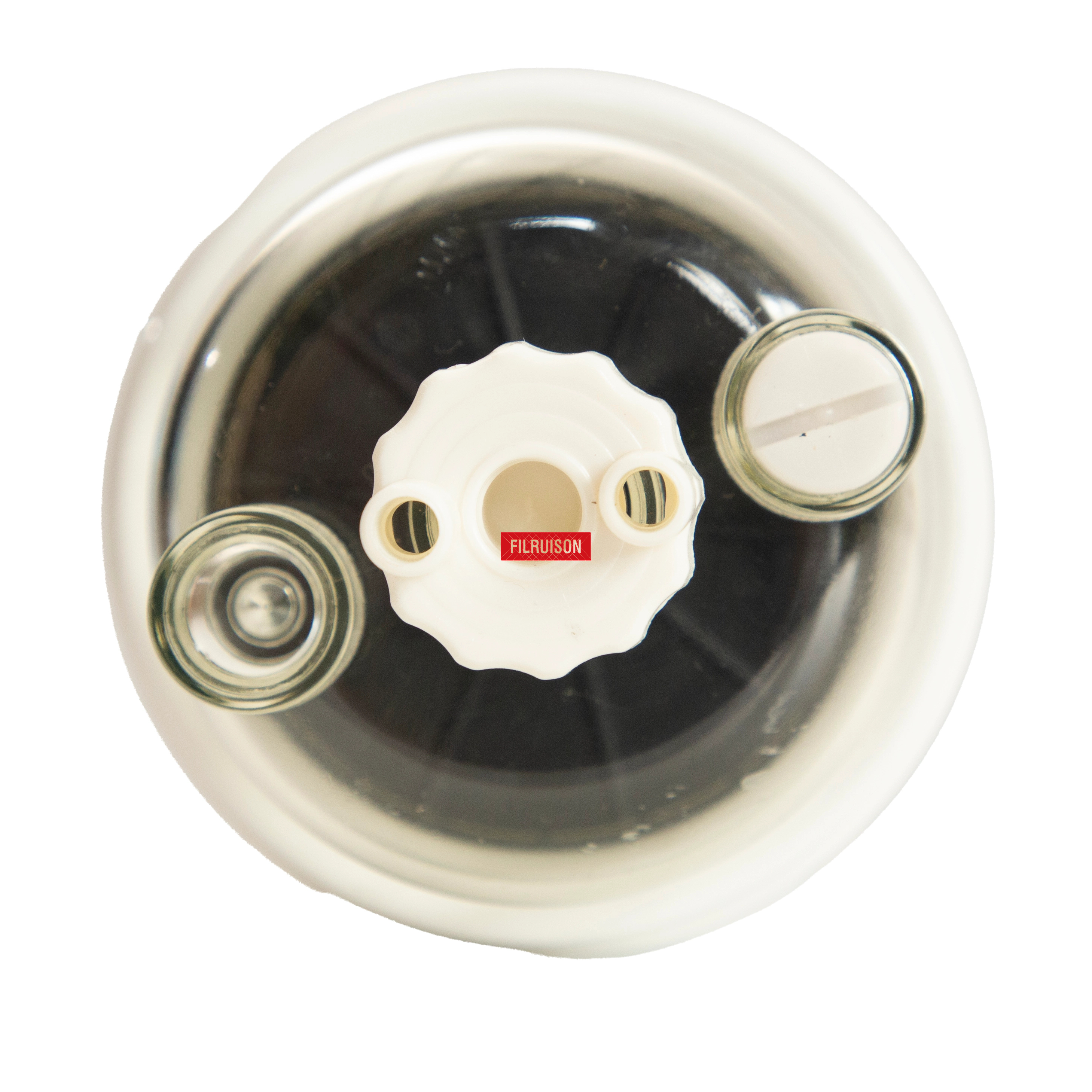
Separated water naturally gathers in the bottom reservoir due to specific gravity. This collection bowl includes a manual drain valve, often called a petcock. Routine maintenance requires you to open this valve periodically. Draining the trapped water prevents moisture from eventually pushing through the filter media.
Application-specific gaskets remain critical for preventing air intrusion into the fuel system. Diesel fuel breaks down standard rubber quickly. Therefore, manufacturers supply Viton or Buna-N O-rings. You must seat these seals correctly during installation. A pinched seal introduces air bubbles, causing immediate engine misfires.
Heavy-duty brackets secure the assembly firmly to the frame rail or engine bay. Diesel engines produce persistent, intense vibration. Weak brackets will fatigue and snap. Quality kits include reinforced steel brackets and hardened bolts. These components withstand harsh road impacts and continuous mechanical resonance.
Modern applications often require additional electronic safeguards. Many kits feature specific wiring harnesses and threaded ports. You can install Water-In-Fuel (WIF) sensors here. A WIF sensor triggers a dashboard light when the bowl fills up. Some kits also support cold-weather fuel heaters. Heaters prevent diesel gelling during freezing winter operations.
Many operators wonder when they should transition from standard filters to heavy-duty aftermarket upgrades. Evaluating your specific operational demands reveals the answer.
Factory filters often lack sufficient capacity for high-mileage commercial use. They struggle significantly when exposed to poor-quality field diesel. OEM setups usually feature a single-stage filtration process. This basic design clogs rapidly on job sites. Upgrading provides a massive surface area increase, extending your service intervals greatly.
Performance upgrades or heavy-duty towing applications demand substantial fuel volumes. Upgraded injectors require larger kits to prevent fuel starvation under heavy loads. Standard factory units restrict flow at higher RPMs. Undersizing your filtration causes immediate loss of power. It also places severe strain on your injection pump.
Using an aftermarket kit allows operators to implement a secondary filtration strategy. You can add a heavy-duty 2-micron filter downstream of your factory 10-micron unit. This staged approach maximizes your expensive injector lifespan. The primary filter catches large debris. The secondary unit polishes the fuel perfectly before injection.
Comparison Chart: Factory System vs. Aftermarket Kit
| Feature | Factory OEM Filter System | Aftermarket Separator Kit |
|---|---|---|
| Filtration Stages | Usually single-stage (10-micron) | Often multi-stage capable (30 to 2-micron) |
| Flow Capacity (GPH) | Adequate for stock horsepower | High flow (supports up to 165+ GPH) |
| Water Separation | Basic media, small reservoir | Advanced hydrophobic media, large bowl |
| Customization | Fixed mounting and ports | Adjustable ports, heater/sensor options |
Choosing the correct components requires careful attention to detail. You must match the hardware to your specific engine environment.
Filtering efficiency depends heavily on selecting the correct micron rating. Staging them incorrectly causes premature clogging.
You must size the kit to exceed your engine's maximum fuel demand. Manufacturers measure this in Gallons Per Hour (GPH). An aggressive tune or larger injectors pull massive fuel volumes. Undersizing the housing leads to severely restricted flow. This restriction causes dangerous fuel pump cavitation and premature failure.
Different operating environments dictate entirely different safety standards. You cannot mix and match these components safely.
Ensure total compatibility with your existing fuel lines. Standard aftermarket housings feature 3/8" or 1/2" NPT (National Pipe Thread) ports. Using undersized fittings creates severe flow bottlenecks. Always verify your thread pitch before ordering fittings. Proper sizing guarantees smooth, unrestricted diesel delivery to the pump.
Installing these systems requires methodical planning. Mechanics frequently encounter specific challenges during the retrofitting process.
Finding an optimal mounting location requires patience. You must protect the kit from flying road debris. However, it must remain easily accessible for routine draining and filter swaps. Frame rails offer excellent structural support. Just ensure suspension components will not strike the housing during heavy articulation.
Air represents the biggest enemy of any diesel injection system. Improperly seated O-rings invite air directly into the diesel lines. Over-tightened fittings crack housings or strip threads. Failing to use proper thread sealant on NPT fittings causes microscopic suction leaks. These errors cause hard starts, rough idling, or complete engine stalling.
You cannot simply bolt on the parts and crank the engine. The new dry filters contain massive air pockets. You face the absolute necessity of priming the fuel system post-installation. Some modern trucks use electronic lift pumps. You cycle the key several times to purge the air. Older mechanical systems require manual hand pumping before cranking.
Finalizing your purchase requires a strategic approach. Consider these steps before acquiring your new hardware.
Never guess your fuel delivery requirements. Cross-reference your engine horsepower against the manufacturer GPH requirements before finalizing kit size. A 500-horsepower diesel demands a vastly larger separator than a 50-horsepower tractor. Match the flow rating perfectly to avoid starving the engine under peak load.
Compare the upfront cost of the mounting kit against the recurring availability of replacement filter elements. A cheap initial housing loses its value if replacement filters cost a fortune. Ensure you can buy replacement elements easily from local auto parts stores or reliable online vendors. Proprietary threads lock you into expensive consumables.
Prioritize kits originating from established manufacturers. Look for brands demonstrating proven track records in heavy-duty or marine diesel applications. Superior warranties cover housing defects and mounting bracket fractures. Reputable brands also machine their port threads cleaner, reducing the likelihood of air leaks during installation.
Investing in a comprehensive diesel fuel filter water separator kit serves as a critical insurance policy. It directly protects your incredibly expensive fuel injection components from irreversible damage. A successful evaluation balances required flow rate, precise micron efficiency, and your specific installation environment. Take action now to safeguard your equipment. Measure your available mounting space accurately today. Check your exact engine GPH requirements before making your final purchase. Upgrading your filtration system today ensures reliable engine performance for years to come.
A: A standard fuel filter only removes solid particulates like dirt and rust. A water separator utilizes specialized hydrophobic media. This media strips both emulsified and free water from the diesel, alongside trapping dirt. Separators feature a bottom bowl to collect the drained water.
A: Yes, if you possess basic mechanical skills. You must understand how to properly route fuel lines and bleed a diesel system. Purging air prevents dangerous air locks. Professional installation is highly recommended if you need to custom fabricate steel mounting brackets.
A: It depends heavily on local fuel quality. Best practice dictates checking the bowl visually during every fuel fill-up. You should drain it immediately if water becomes present. Always drain the bowl immediately if your dashboard WIF sensor light activates.
A: No. A lower number indicates much finer filtration. A 2-micron filter catches smaller particles than a 30-micron filter. However, using a 2-micron filter as a primary stage causes rapid clogging. Filtration should always step down incrementally through the system.
