
Views: 0 Author: Site Editor Publish Time: 2026-08-16 Origin: Site


Have you ever wondered what protects a modern combustion engine from microscopic threats? The diesel fuel filter element acts as the final defense line for your high-pressure injection system. It traps abrasive particulate matter and strips out harmful moisture long before the fluid enters the precision injectors. When this internal cartridge fails, the consequences become incredibly severe. You risk blown fuel injectors, sudden engine shutdowns, and extensive fleet downtime. Understanding the internal construction of these filters remains a crucial step for anyone handling maintenance or procurement. We will break down exactly how these components work from the inside out. You will learn how material science dictates filtration efficiency and how to choose reliable elements based on real operational demands. This engineering-based teardown guide equips you with the exact knowledge needed to protect your engine assets effectively.
Let us peel back the layers of a standard filtration cartridge. You will find several distinct components engineered to work together under extreme fluid dynamics. Recognizing these internal parts helps you identify quality manufacturing.
The media inside the cartridge dictates how well a filter performs over time. You must match the specific media type to your engine's mechanical demands. Different materials offer distinctly different protection levels.
Traditional elements rely heavily on cellulose. They cost less to produce overall. They use mechanical trapping to catch larger dirt particles. However, they degrade rather quickly upon moisture exposure. They also offer a significantly lower overall dirt-holding capacity compared to modern alternatives. We recommend these mainly for older, mechanical injection systems.
Synthetic media features highly uniform pore sizing. It proves incredibly durable in harsh environments. The uniform internal structure creates much less flow restriction. You get superior sub-micron protection. These advanced materials allow extended service intervals, keeping heavy equipment running longer between maintenance stops.
Many commercial applications demand a balanced approach. Blended media combines a synthetic melt-blown layer with a sturdy cellulose backing. The synthetic layer catches ultra-fine particles efficiently. The cellulose layer provides essential structural support behind it. This combination often delivers the optimal balance of filtration efficiency and capacity for heavy-duty commercial fleets.
| Media Material | Filtration Method | Moisture Resistance | Ideal Application |
|---|---|---|---|
| Cellulose (Paper) | Surface trapping | Low | Older, low-pressure mechanical systems |
| Synthetic (Micro-Glass) | Uniform pore restriction | High | High-Pressure Common Rail (HPCR) systems |
| Blended / Multi-Layer | Graduated depth filtration | Moderate | Heavy-duty commercial transportation fleets |
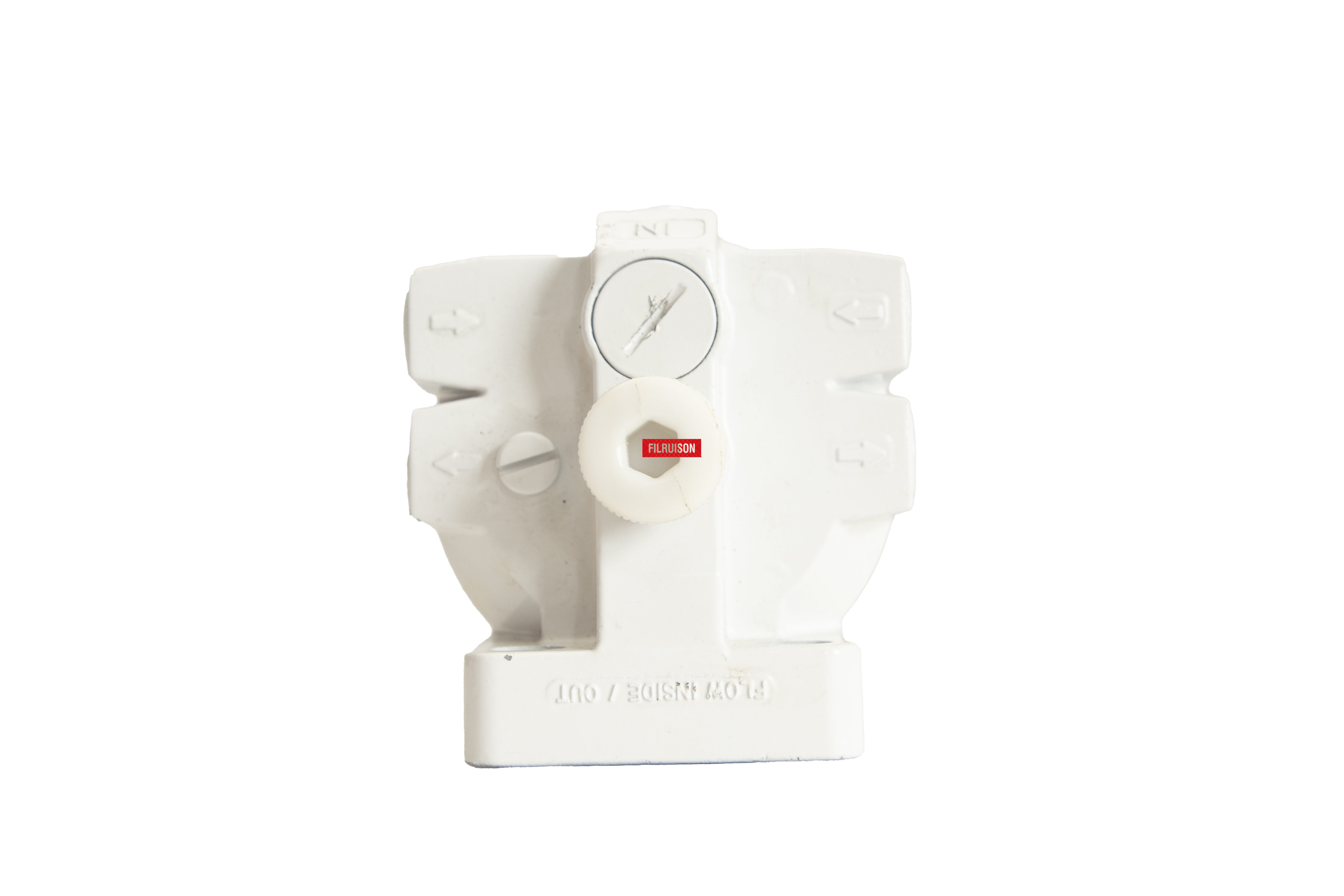
Modern engines simply cannot tolerate moisture. A dedicated Diesel Fuel Filter Water Separator addresses this specific, highly destructive threat.
Moisture enters storage tanks constantly through condensation. Both free and emulsified water wreak havoc internally. When moisture hits high-pressure injectors, it flashes to steam, causing tip blowout. It also triggers rapid rust formation and encourages rampant microbial growth inside your fuel tanks.
Specialized internal layers force microscopic moisture droplets to collide. They merge, or coalesce, into larger, heavier drops. Once these drops reach sufficient mass, gravity pulls them downward. They safely fall into a designated collection bowl at the bottom of the housing.
Engineers often apply chemical treatments directly to the media surface. These hydrophobic layers repel moisture actively. They block liquid water droplets completely while allowing the combustible fluid to pass seamlessly through the barrier.
Advanced setups use two distinct stages for ultimate protection. A primary unit handles initial moisture separation and coarse filtration. A secondary unit then steps in for ultra-fine particulate trapping. This robust dual approach ensures maximum protection for highly sensitive fuel system components.
Navigating manufacturer specifications requires understanding a few core engineering metrics. You cannot rely on marketing jargon alone when protecting expensive machinery.
Marketing materials often confuse buyers intentionally. An "Absolute 2-micron" rating means the element captures 98.7% of particles at that exact size. It represents a verifiable, rigorous engineering standard. Conversely, a "Nominal 2-micron" rating means it captures roughly 50% of those same particles. A nominal rating offers absolutely no guaranteed protection for precision injector parts. Always demand absolute ratings.
Engineers use the Beta ratio framework to measure filtration efficiency accurately. It compares the number of particles entering the unit to the number exiting. A Beta 200 rating means 1 out of 200 particles passes through the media. A Beta 1000 rating means only 1 out of 1000 passes. You should always look for published Beta ratios to make fair, data-driven comparisons between brands.
Catching smaller particles inherently restricts fluid movement. You must constantly balance ultra-fine filtration against the severe risk of fluid starvation. Ensure you properly match the rated flow rate of your diesel fuel filter element to your engine's specific lift pump metrics. Too much restriction forces the bypass valve open, defeating the filter entirely.
Real-world operations present daily challenges beyond basic specifications. You must understand how components perform in actual field conditions to avoid sudden breakdowns.
Many equipment operators think dropping the lowest micron cartridge into any system automatically improves it. This remains a dangerous misconception. If you use a highly restrictive 2-micron barrier as a primary strainer, it will plug prematurely. This leads directly to fluid starvation, severe performance loss, and potential pump cavitation.
Evaluating third-party replacements requires an objective framework. Do not simply look at the initial price tag. Weigh the physical unit in your hand; heavier units often indicate thicker center tubes and denser media. Count the visible pleats if possible. Always verify whether installing the aftermarket part preserves your original equipment engine warranty.
Freezing winter temperatures cause paraffin wax precipitation, commonly known as gelling. This thick wax quickly blinds the internal media. In extreme operating environments, integrated heaters become absolutely necessary. They warm the fluid slightly, preventing the wax from solidifying and blocking the flow path entirely.
Finding the correct replacement component demands a systematic approach. Follow these clear steps to ensure reliable field performance and maximum engine protection.
First, explicitly match the media to your injection system type. Older, low-pressure mechanical setups tolerate basic cellulose very well. Modern High-Pressure Common Rail (HPCR) systems require much stricter tolerances. They demand fully synthetic materials for adequate, long-term protection.
Instead of merely looking at the initial procurement variables, evaluate the element's true operational lifespan. Compare the unit's documented dirt-holding capacity against your desired maintenance drain intervals. Choosing a robust, high-capacity cartridge helps you avoid unexpected $3,000+ injector replacements caused by premature wear.
Always cross-reference OEM part numbers carefully. Seek out reputable manufacturers who publish their Beta ratios and ISO test standards clearly on their technical data sheets. Request comprehensive documentation to verify performance claims before installing an unfamiliar brand across your entire fleet.
A diesel fuel filter element is far more than a simple paper commodity. It serves as a highly engineered barrier absolutely essential for engine longevity. Ensuring reliable field performance requires evaluating internal materials carefully. You must look for advanced synthetic media, robust potting compounds, and highly effective coalescing layers. Never compromise on structural integrity, especially regarding the center tube and end caps. We highly recommend reviewing your current fleet maintenance specifications today. Reach out for a specialized technical consultation if you notice recurring injector issues. Alternatively, browse a catalog of validated, OEM-equivalent components to upgrade your engine filtration strategy immediately.
A: Replacement intervals depend heavily on media type and fluid quality. Generally, replace standard cellulose units every 10,000 to 15,000 miles. Synthetic options in heavy-duty fleets may easily stretch to 25,000 miles or 500 operating hours. Always consult your specific engine manual and adjust intervals downward for harsh, dusty environments.
A: No. Cleaning introduces severe operational risks. Compressed air or harsh solvents easily tear the microscopic media fibers. Even tiny ruptures allow massive abrasive particles to reach precision injectors. The extreme risk of sudden catastrophic engine failure far outweighs the minor temporary savings of reusing a spent cartridge.
A: If pressure differential crushes the structural core, the internal bypass valve usually opens. This allows completely unfiltered fluid to rush straight into the injection system. You will experience immediate symptoms. These include severe power loss, rough idling, increased exhaust smoke, and rapid injector tip erosion.
A: A properly sized, clean, high-efficiency cartridge will never reduce power. However, tighter media traps more dirt quickly. If you suddenly experience power loss, it indicates a plugged media core causing pressure drops, rather than a poor component design. You simply need to replace the restricted element.
