
Views: 0 Author: Site Editor Publish Time: 2026-08-13 Origin: Site


Modern diesel engines operate under incredibly tight tolerances. Fuel contamination consistently stands as the leading cause of premature injector failure today. Even invisible debris destroys internal components rapidly. You must understand micron ratings as a measure of pore size, not just absolute filtration quality. Selecting a 10 micron diesel fuel filter requires a careful, strategic balance. You must weigh flow rate against particulate capture and overall maintenance intervals. We wrote this article as a detailed technical guide for equipment operators and fleet managers. We will explore how to evaluate these filtration standards accurately. You will learn exactly when and where to deploy them. Our goal is to help you protect heavy machinery effectively without accidentally starving the engine of necessary fluid.
To grasp the scale we are discussing, you must first understand the technical definition. One micron equals one-millionth of a meter. For perspective, a single human hair measures approximately 70 microns across. A 10-micron rating blocks extremely fine particulate matter invisible to the naked eye. This level of microscopic defense plays a pivotal role in heavy machinery.
High-Pressure Common Rail (HPCR) systems face severe operational vulnerabilities. These modern setups push fluid at extreme pressures, often exceeding 30,000 PSI. Microscopic dirt creates massive abrasive wear inside the system. The internal clearances inside modern injectors are incredibly tight. Even microscopic scoring ruins these sensitive components very quickly. You cannot afford to let abrasive dirt bypass your primary defenses.
You will see 10-micron units utilized heavily across multiple heavy-duty sectors. Heavy-duty trucking fleets rely on them daily. Marine setups use them constantly to handle unpredictable bunkering situations. Agricultural machinery also depends heavily on this specific rating. These diverse environments share two common traits. First, they experience highly variable fluid quality. Second, they demand massive flow rates to maintain continuous operation.
Filtration physics dictate a careful performance trade-off. Tighter media catches more dirt but restricts fluid movement significantly. A 10-micron threshold represents an optimal sweet spot. It successfully removes bulk contaminants from the fluid stream. Simultaneously, it maintains the necessary system pressure to keep equipment running smoothly. It strikes the perfect balance between robust protection and unhindered performance.
Relying on a single line of defense creates a massive operational risk. It acts as a dangerous single point of failure. Commercial and marine environments demand strict redundancy. The multi-stage approach divides the labor across different media types. This strategy significantly extends the operational lifespan of your entire setup.
Many modern configurations place a 10-micron unit right between the tank and the lift pump. Here, it operates as the primary shield. It handles heavy debris and bulk moisture effectively. This specific placement protects the lift pump itself from immediate damage. By catching the largest particles early, it prevents catastrophic pump failure.
Older or simpler architectures use a different layout strategy. They often place a 30-micron unit first to handle the coarse work. In these older systems, the 10-micron unit then acts as a secondary shield. It forms the final line of defense right before the injectors. This older method works well for mechanical setups lacking sensitive HPCR components.
Improper staging creates immediate operational dangers. Mechanics sometimes place one 10-micron unit directly behind another identical unit. This provides absolutely zero added protection. Instead, they cause redundant pressure drops. Your engine works much harder to pull the same volume. This mistake quickly leads to fluid starvation, component stress, and sudden breakdowns.
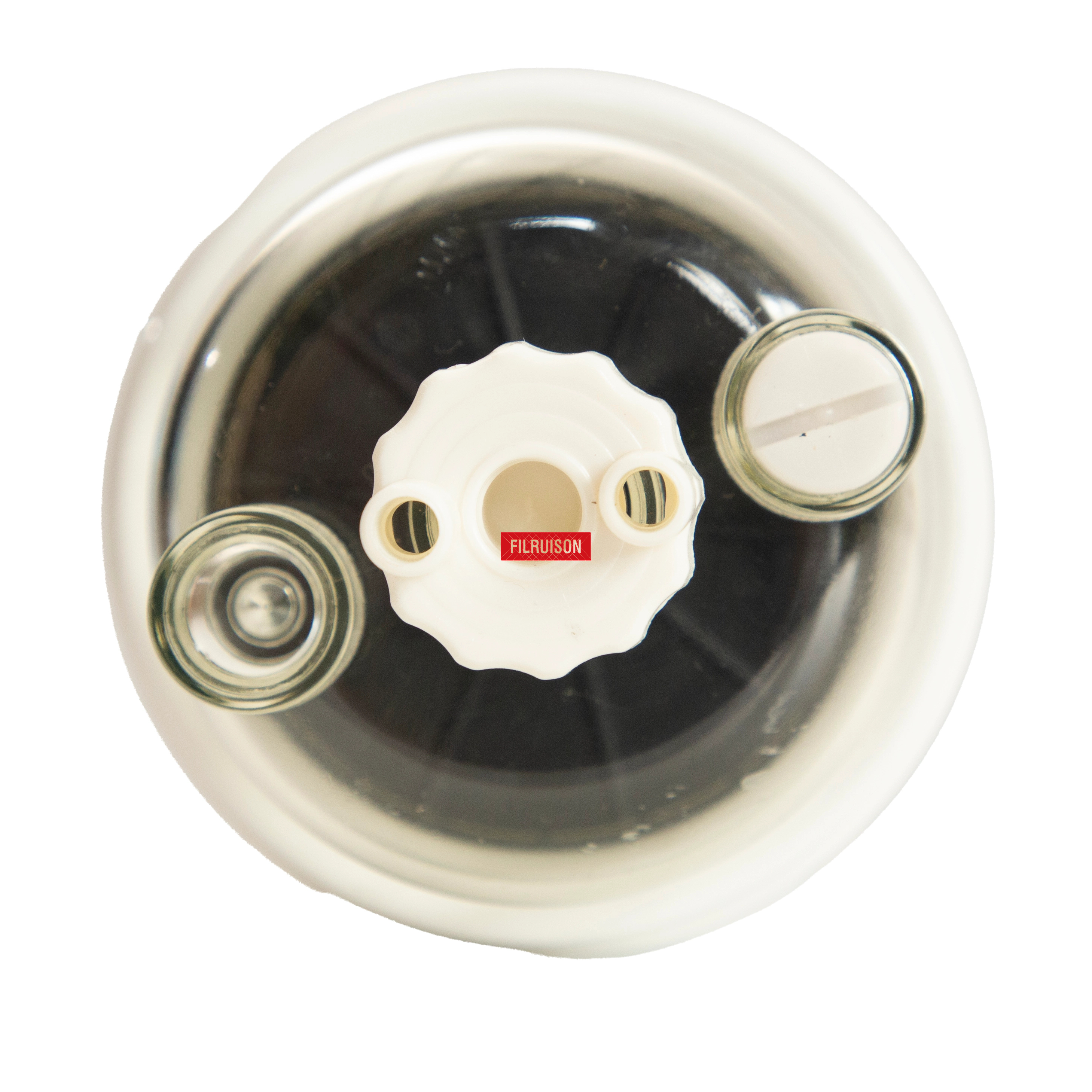
Water acts as a far more immediate threat than typical dirt. It causes aggressive microbial growth inside the tank. It also leads to catastrophic injector blowouts. Emulsified water strips essential lubrication away from moving parts instantly. When subjected to intense heat and pressure, trapped moisture literally explodes inside the injector tip.
A combined unit tackles both physical debris and moisture simultaneously. You should consider implementing a robust Diesel Fuel Filter Water Separator for optimal safety. The coalescing media inside forces tiny moisture droplets to merge together. They bead up heavily along the treated surface. Gravity then pulls these enlarged drops down into a lower collection bowl. This physical process effectively strips moisture from the fluid stream before it reaches the engine.
Buyers must look beyond basic particulate ratings during the selection process. We strongly advise checking for ISO-certified moisture removal efficiency. You should aim for products boasting greater than 95% emulsified water separation. This specific certification guarantees real-world performance. It provides peace of mind when operating in humid environments or using degraded storage tanks.
Mechanics need visibility to maintain these systems properly. Clear collection bowls allow operators to perform routine checks instantly. Accessible drain valves make purging collected moisture simple and fast. You must physically inspect these bowls during daily walk-arounds. Ignoring the collection bowl leads to overflow, pushing moisture directly into the sensitive engine components.
You need to map the rating to the correct system stage. Understanding the difference between coarse, intermediate, and fine media prevents serious operational headaches. Each rating serves a highly specific purpose in the broader fluid management strategy.
You use 30-micron media best as a primary stage. They handle highly contaminated sources exceptionally well. Remote marine environments frequently require this coarse level. It effectively prevents subsequent, finer media from clogging up too fast. They act as the heavy lifters of the system.
The 10-micron rating serves as the standard choice for primary stages on modern engines. Alternatively, it works beautifully as standalone protection on legacy platforms. It provides balanced flow and capture capabilities.
You must use 2-micron media strictly for final-stage applications. They act as the secondary shield. They catch the invisible microscopic threats right before they enter the injector bodies.
Many mechanics assume smaller is always better. This "clogging myth" often proves completely false in practice. Upgrading a primary unit to a 2-micron version causes immediate problems. It almost certainly results in premature clogging. It triggers severe starvation and leaves valuable equipment stranded on the job site.
| Micron Rating | System Stage Focus | Primary Function | Best Application Scenario |
|---|---|---|---|
| 30 Micron (Coarse) | Primary | Catches bulk debris and heavy sludge. | Marine environments, remote locations, poor storage conditions. |
| 10 Micron (Intermediate) | Primary or Standalone | Balances flow rate and particulate capture. | Standard modern commercial trucks, agricultural machinery. |
| 2 Micron (Fine) | Secondary (Final) | Blocks microscopic scoring hazards. | Direct protection for HPCR injectors. |
Operators must recognize operational symptoms early to avoid breakdowns. A clogging unit limits fluid flow severely. You will likely notice a sudden loss of RPMs under heavy load. Hard starting becomes increasingly common during cold mornings. Furthermore, vacuum gauge readings will spike abnormally. These are clear warnings demanding immediate attention.
Baseline replacement parameters depend heavily on your specific application. Marine and industrial setups typically require changes based on operating hours. On-highway vehicles track replacement via standard mileage. However, bad fluid supersedes all regular schedules immediately. A single bad batch from a rusted tank requires immediate replacement, regardless of hours logged.
Mechanics must follow strict procedures during replacement. Skipping steps leads to air lock issues and engine damage.
Selecting exact-fit replacements demands careful attention to technical details. Always verify the specific thread pitch on the housing mount. Match the flow rate capacity exactly in Gallons Per Hour (GPH) or Liters Per Hour (LPH). Confirm the burst pressure ratings align perfectly with original manufacturer specifications. Ignoring these metrics leads to catastrophic housing failure under load.
Proper filtration strategy requires matching the specific rating to the exact system stage. Primary and secondary roles demand entirely different approaches. Mechanical engines and modern HPCR setups have distinct fluid requirements. You must respect these differences to keep operations running smoothly.
This specific intermediate rating optimizes overall uptime remarkably well. A combined particulate and water separator acts as a highly strategic component. It prevents incredibly costly injector rebuilds down the line by catching threats early. This proactive approach saves significant downtime.
Always check your engine manufacturer's specifications. Look for maximum pump restriction limits in the service manual. You should verify these critical details before altering your current setup. Proper planning ensures you protect your investment without causing unintended flow restrictions.
A: Yes. You usually deploy it as the primary unit or water separator. A tighter 2-micron or 4-micron secondary unit must follow it. This two-stage setup protects sensitive HPCR injectors while maintaining optimal flow rates.
A: It can definitely restrict flow. The finer media requires more surface area to handle identical flow rates. You must always size the housing properly. Ensure it meets your engine's required Gallons Per Hour (GPH) to prevent dangerous starvation.
A: We generally recommend replacing them every 10,000 to 15,000 miles. For industrial equipment, aim for 250 to 500 engine hours. However, dirty fluid dictates the real schedule. Always monitor your vacuum gauge readings to determine the exact change interval.
A: The specialized coalescing media will swell significantly. It actively blocks flow to protect your engine from moisture damage. You will experience an immediate loss of power. Routine daily draining of the separator bowl prevents this exact problem.
