
Views: 0 Author: Site Editor Publish Time: 2026-08-08 Origin: Site


Modern High-Pressure Common Rail (HPCR) diesel engines operate under extreme pressure tolerances. Even microscopic contaminants or trace water droplets can easily destroy these highly sensitive fuel injectors. Vehicle owners and fleet managers consistently face a difficult maintenance dilemma. They must balance the relatively low cost of preventative maintenance against the catastrophic financial cost of a complete fuel system failure. At the same time, you want to avoid overspending on unnecessary and frequent maintenance shop visits.
Finding the exact sweet spot for maintenance saves money and protects your engine over the long haul. We aim to provide an evidence-based framework to guide your scheduling decisions. You will discover how to calculate the precise diesel fuel filter replacement interval for your specific vehicle. We will also detail how operational conditions, varying fuel quality, and extreme winter climates actively accelerate this maintenance timeline.
Manufacturers provide a standard baseline for light-duty diesel trucks. You will usually find recommendations falling between 10,000 and 15,000 miles. Some manuals specify a 12-month limit instead. These factory guidelines assume ideal driving conditions. However, independent diesel technicians rarely agree entirely. Enthusiast communities also push back against these factory numbers. They recommend a much more conservative approach to vehicle care.
Many mechanics suggest swapping the media every 10,000 miles. Others simply change it during every other oil change. This cautious habit protects sensitive HPCR injectors from premature wear. Extreme fuel pressures demand flawless fluid dynamics. A slightly dirty media element forces the fuel pump to work much harder. It also increases the risk of microscopic particles slipping past the barrier.
Commercial fleets handle maintenance differently. Class 8 trucks and heavy equipment ignore mileage metrics completely. They measure maintenance cycles by engine operating hours. A standard heavy-duty cycle ranges from 250 to 500 hours. This method accounts for engine idle time accurately. Idling produces zero miles on your dashboard odometer. However, one hour of idling equals roughly 25 to 30 miles of driving wear. A delivery truck might show low mileage. Yet, its engine hours could indicate severe internal wear. Fleet managers track these hours meticulously to prevent breakdowns.
Table: Industry Consensus on Maintenance Timelines
| Vehicle Category | OEM Standard | Mechanic Consensus | Idle Wear Equivalent |
|---|---|---|---|
| Light-Duty Pickups | 10,000 - 15,000 Miles | 10,000 Miles / Every Other Oil Change | 1 Hour = 25-30 Miles |
| Heavy-Duty / Class 8 | 300 - 500 Hours | 250 Hours (Severe Duty) | 1 Hour = 30 Miles |
| Agricultural Equipment | 500 Hours | 300 Hours / Annually | N/A (Hour-based only) |
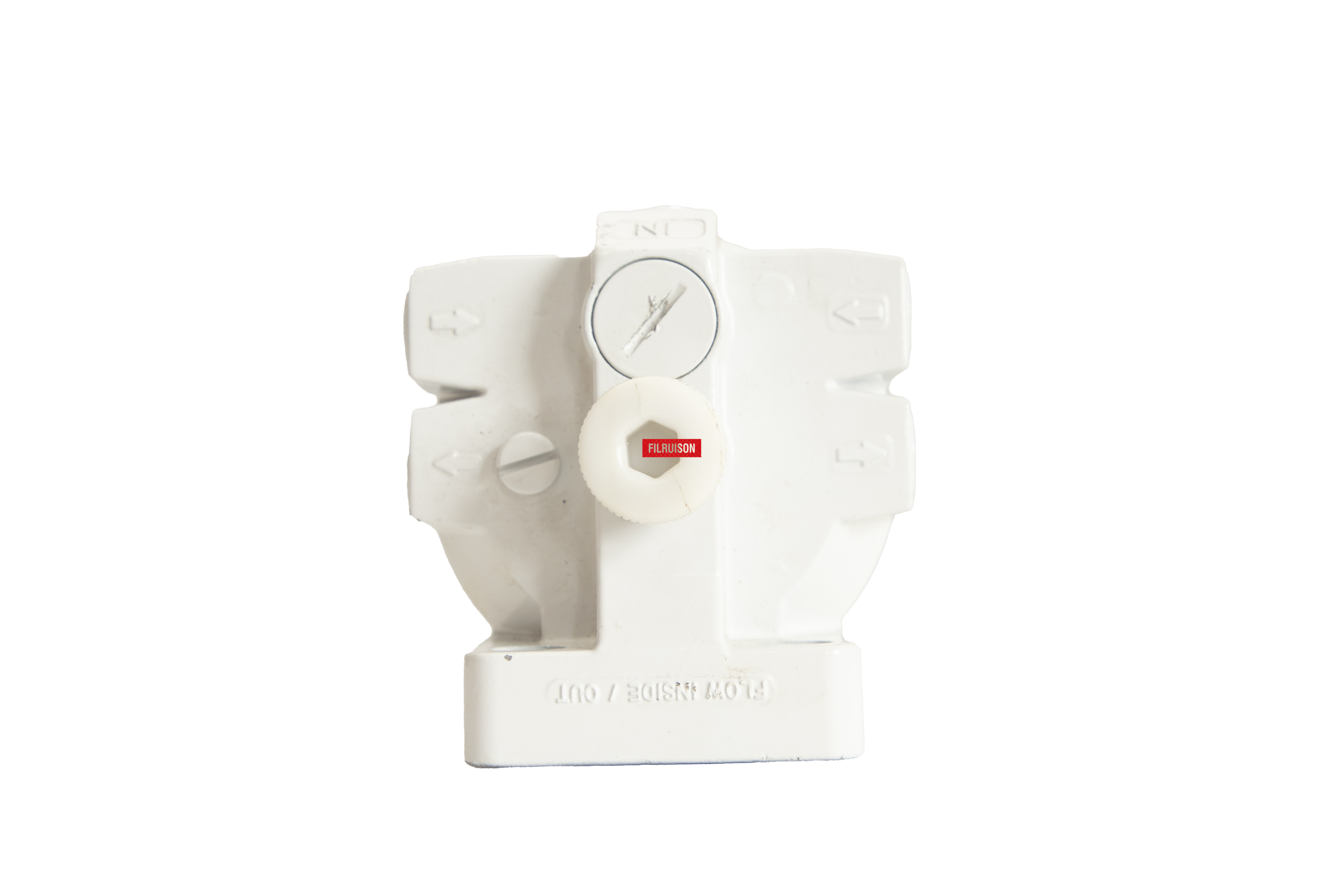
Various environmental and operational factors alter your maintenance timeline significantly. Fuel quality remains the biggest variable you encounter. We must look closely at several key factors to understand why premature clogging happens.
Many fuel stations now sell B20 and other biodiesel blends. Biodiesel acts as a powerful cleaning solvent. It cleans the interior walls of your fuel tank efficiently. However, this aggressive cleaning action suspends old rust and particulates in the fuel. These particles travel straight into your filtration media. They load the paper element rapidly. You must shorten your maintenance intervals when burning biodiesel consistently.
Where you buy fuel matters immensely. Low-volume stations pose a significant contamination risk. They often store stagnant diesel in massive underground tanks. This degraded fuel collects heavy condensation over time. Pumping water-contaminated fuel into your truck strains the entire delivery system instantly. Always try to fill up at busy truck stops. High turnover guarantees fresher, cleaner fuel.
Cold weather introduces unique challenges for diesel engines. Diesel contains natural waxes. Temperatures below freezing cause rapid paraffin wax precipitation. The industry calls this phenomenon fuel gelling. Gelled fuel restricts flow completely. It clogs the porous element within minutes. Industry standards dictate a mandatory swap in late autumn. Schedule this service before the first hard freeze hits your area. Starting winter with a fresh, unrestricted media element prevents sudden cold-weather breakdowns.
Modern diesel trucks utilize complex fluid delivery systems. You will often find a dual-filter architecture installed. The Ford Powerstroke provides an excellent example. This specific system features a primary frame-mounted unit. It also includes a secondary engine-bay unit. The primary unit handles heavy moisture separation. The secondary unit handles fine particulate capture down to 4 microns.
Separation differs entirely from basic dirt capture. A Diesel Fuel Filter Water Separator functions using specialized coalescing media. This material strips microscopic droplets from the passing stream. These tiny droplets merge together on the media surface. They eventually grow heavy and fall into a collection bowl at the bottom of the housing. We must keep moisture out of the high-pressure system at all costs. Water acts as a highly abrasive agent inside HPCR injectors. It causes immediate cavitation and introduces rapid internal rust.
You must perform routine maintenance between standard replacement intervals. Most manufacturers require you to manually drain the collection bowl monthly. This task remains completely independent of the actual replacement cycle. Locate the yellow or brass drain valve underneath the vehicle. Open it until clear, uncontaminated fuel flows out. Close it snugly to prevent dangerous air intrusion. Skipping this simple step allows moisture to bypass the media entirely.
Your vehicle will often alert you when filtration efficiency drops. You must pay close attention to these early warning signs. We categorize these common symptoms into four distinct areas.
Preventative maintenance always wins the financial debate. The math remains incredibly straightforward. You must compare routine upkeep costs against catastrophic failure rates.
We start with the basic financial math. A premium OEM-spec replacement kit costs roughly $50 to $100. Adding professional mechanic labor brings the total to around $150. Compare this small expense against replacing a destroyed HPCR system. Injector failure introduces microscopic metal shavings into the lines. A complete system replacement costs between $3,000 and $10,000. Sometimes the final repair bill climbs even higher.
Commercial fleets face amplified financial risks. A truck breaking down due to neglect incurs massive secondary expenses. You must pay expensive emergency towing fees. You also suffer lost revenue while the truck sits idle in a repair bay. Missing a delivery window damages long-term client relationships. Neglecting this simple swap is simply bad business logic.
You must practice actionable shortlisting logic when buying parts. Select replacement elements carefully. Stick exclusively to OEM or Tier 1 suppliers. Brands like Fleetguard and UFI engineer media to exact micron ratings. They ensure precise vehicle fitment and absolute sealing. Avoid cheap aftermarket alternatives completely. Budget parts often use inferior glue. They also feature lower capacity media. Saving twenty dollars today could cost you an entire engine tomorrow.
Adhering to a strict maintenance schedule serves as your cheapest insurance policy. Diesel engines demand pristine, uncontaminated fluid to operate efficiently. Neglecting this simple service inevitably invites disastrous repair bills. Proactive swapping keeps your truck running smoothly across all seasons and workloads.
We highly recommend taking immediate action today. Check your specific owner’s manual right now. Log your current dashboard mileage or engine hours accurately. Order an OEM-equivalent replacement kit if you sit within 1,000 miles of your specific threshold. Do not wait for engine hesitation or dashboard lights to appear. Replace the media early and drive with absolute confidence.
A: No. You can never clean or reuse them safely. Modern filtration media traps microscopic particles down to 4 microns. These contaminants embed deeply into the paper or synthetic fibers. Chemical solvents or high-pressure compressed air cannot dislodge them. Attempting to wash the media will destroy its structural integrity, allowing debris straight into your expensive injectors.
A: Yes and no. A fresh element restores lost performance caused by fluid restriction. It allows the lift pump to operate without excessive strain. This recovery brings your MPG back up to its normal baseline. However, it will not artificially boost your fuel economy beyond the original factory specifications.
A: Ford generally recommends changing both elements every 15,000 to 22,500 miles under normal conditions. However, severe duty or biodiesel usage drops this requirement down to every 10,000 miles. The Super Duty utilizes a dual-filter necessity. You must replace both the engine-bay unit and the frame-mounted unit simultaneously.
A: The separation bowl eventually fills to its maximum capacity. Once full, the coalescing media can no longer hold moisture back. Pure water bypasses the media entirely and travels directly into your high-pressure injectors. This scenario causes immediate tip damage, rapid rust formation, and severe internal cavitation.
