
Views: 0 Author: Site Editor Publish Time: 2025-12-03 Origin: Site


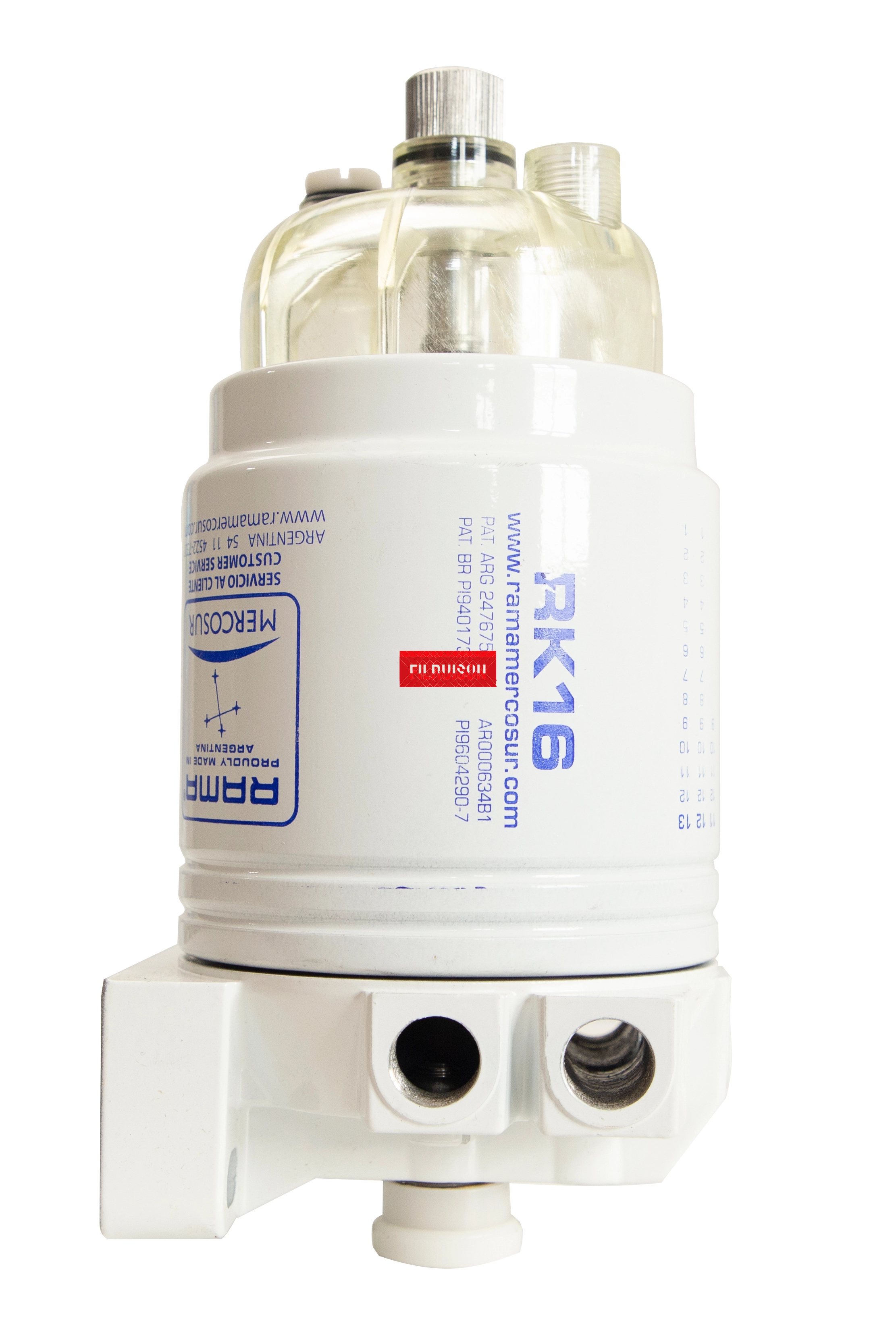
In today’s industrial and automotive environments, efficient fuel and water management systems are essential to ensuring smooth operations and preserving equipment longevity. One such vital component is the water separator. But what exactly is a water separator, and how does it function to protect machinery, engines, and compressors from the detrimental effects of water contamination? In this article, we will explore the functions, types, and applications of water separators, along with their crucial role in ensuring optimal performance.
A water separator is a filtration device designed to separate water and contaminants from various fluids, such as fuel or air, to ensure that only clean, uncontaminated liquid or gas reaches critical equipment like engines, compressors, and turbines. Water, if left unchecked in systems like diesel engines or air compressors, can lead to rust, corrosion, and overall inefficiency, severely impacting performance and operational life.
Water contamination in fuel and air lines is a common problem that can cause significant damage to engines and machines. By using a water separator, businesses can prevent operational issues such as rust buildup, clogging, and equipment breakdown. The water separator works by efficiently separating water from the liquid or gas, often through a multi-stage filtration process.

Water separators utilize several mechanisms to efficiently separate water from fuel or air. The process typically involves the following stages:
In this first stage, water and larger contaminants (greater than 30 microns) are separated from the fuel or air. The separation is achieved through a combination of gravity and centrifugal force. The water, being heavier than the fuel or air, naturally sinks to the bottom of the separator where it can be collected.
The second stage involves the coalescing of smaller water droplets. These droplets form on the surface of the filter element and the inner wall of the collection bowl. Over time, these water droplets accumulate, becoming heavy enough to separate from the fuel and settle in the collection bowl at the bottom.
In the final stage, the fuel or air passes through a filter media, which is designed to capture the remaining water and solid contaminants. This filter can trap particles as small as 10 microns, ensuring that the fluid is thoroughly clean before it enters the system.
The filter elements used in water separators are made from high-quality materials like super fiber and resin, specially treated to repel water and prevent any further contamination. The filters typically come in different grades, such as red (30μm) and blue (10μm), to handle varying sizes of particles.
Water separators are used in various applications, from diesel fuel filtration to air compression systems. Some of the most common types include:
Air compressors often accumulate water due to the condensation of moisture in the air. A water separator for air compressors effectively removes this moisture, preventing rust, corrosion, and performance issues. Without this vital separation process, air compressors can suffer from reduced output and potential failure.
In diesel engines, water contamination can cause severe damage. The water separator fuel filter is designed to separate and remove water from diesel fuel, ensuring the engine runs smoothly. Diesel engines, particularly in large machinery or vehicles, can suffer from reduced fuel efficiency, clogged fuel lines, and engine stalling if water is present in the fuel system. A diesel fuel filter water separator provides peace of mind by ensuring clean fuel.
Diesel engines often work in harsh environments where water contamination can be a persistent issue. The water separator diesel works to remove water and contaminants from the diesel fuel before it reaches the engine. This ensures proper combustion and avoids potential engine damage caused by water accumulation.
Water separators are used in a wide range of industries, from automotive to industrial machinery. Below are some of the most common applications of water separators:
Water separators are a must-have for vehicles and machines powered by diesel engines. They prevent water contamination from damaging the engine components, ensuring optimal performance and preventing costly repairs.
In compressed air systems, water is a common byproduct due to condensation. Water separators ensure that only dry air is passed through, preventing rust and corrosion in the pipes and equipment.
Industrial machinery that requires clean and dry fuel or air benefits significantly from water separators. These devices help keep systems running efficiently, improving longevity and performance.
It’s crucial to recognize the symptoms that indicate a water separator is necessary for your equipment. Some common signs include:
-Water Contamination Warning Light: Many modern diesel engines and compressors are equipped with a water separator warning light, alerting the operator when water is detected in the system.
-Corrosion or Rust Build-Up: If you notice signs of rust or corrosion in your fuel system, engine, or air compressor, it may be a sign that water contamination is present.
-Poor Performance or Stalling: Water in the fuel can lead to misfiring, stalling, or reduced engine power. A water separator can resolve these issues and improve performance.
When selecting a water separator, several factors should be considered, including:
-Compatibility: Ensure the water separator is compatible with your specific fuel or air system.
-Filtration Capacity: Choose a separator with the appropriate micron rating for your system. Different applications may require different filtration grades (e.g., 10μm or 30μm).
-Ease of Maintenance: Look for separators that are easy to maintain and have simple filter replacement processes to reduce downtime.
A water separator filter is a filtration system that removes water and contaminants from fluids like fuel or air, ensuring that clean liquid or gas enters the engine or compressor.
A water separator for air compressors removes moisture from the compressed air, preventing rust, corrosion, and performance issues in the system.
A water separator fuel filter is designed to remove water from fuel systems, while a diesel water separator specifically targets water contamination in diesel engines, ensuring proper fuel combustion.
A water separator warning light indicates that water has been detected in the fuel or air system, alerting the operator that the separator needs to be checked or replaced.
Yes, water separators can be used for both air and fuel systems, though different separators may be required for each system due to their unique filtration needs.
In industries where fuel and air systems are critical to operation, the water separator plays a vital role in maintaining efficiency and preventing damage caused by water contamination. By understanding how these devices work, the different types available, and their importance in various applications, businesses can ensure smooth operations and long-lasting equipment. Whether it's for diesel engines, air compressors, or industrial machinery, investing in a high-quality water separator is an investment in the longevity and reliability of your equipment.
