
Views: 0 Author: Site Editor Publish Time: 2026-10-17 Origin: Site


Finding water in your diesel fuel is a nightmare scenario for any vehicle owner or fleet manager. It usually starts with a subtle hesitation in the engine. Then comes the rough idle. Eventually, you are looking at catastrophic, expensive damage to high-pressure fuel injectors and the engine block itself. Water contamination disrupts the combustion process. It also promotes microbial growth, creating a thick sludge that chokes your entire delivery network. Installing a dedicated filtration system is the standard engineering method for mitigating this risk. However, buying the hardware is only step one. The ultimate effectiveness of the system relies entirely on one critical factor: where it is installed.
Positioning the unit in the wrong location introduces severe mechanical issues. You might experience fuel starvation, vapor lock, or a setup that makes routine maintenance impossible. This comprehensive guide helps you pinpoint the exact, optimal location for your filtration system. These objective, empirical guidelines will ensure your fuel system operates at peak efficiency, whether you are outfitting a heavy-duty truck, industrial agricultural equipment, or a marine vessel.
You need to understand the mechanical principles behind these filtration systems to fully grasp why placement is so critical. A Diesel Water Separator acts as a specialized pre-filter. It is designed to remove emulsified moisture and large particulate matter from diesel fuel before that fluid ever reaches the sensitive components of the engine.
The separation process relies on a combination of advanced media technology and basic physics. Contaminated fluid enters the system and passes through a hydrophobic, water-repelling filter media. Water has a higher specific gravity than diesel. This hydrophobic barrier forces the moisture to bead up and separate from the flow. Gravity then takes over. The heavier droplets sink down into a collection bowl at the bottom of the unit. Clean fluid exits the top or side of the housing and continues its journey toward the engine. This gravity-dependent design is precisely why orientation and location are non-negotiable factors during installation.
Most modern diesel vehicles come equipped with a factory filtration system featuring a basic moisture-blocking element. These factory units are engineered with micron ratings optimized for fine particulate filtration rather than bulk liquid removal. High humidity, poor fuel quality, or significant temperature fluctuations can quickly overwhelm the OEM system. Adding a secondary, heavy-duty pre-filter acts as a robust first line of defense. It significantly reduces the workload on the factory components and provides optimal engine protection.
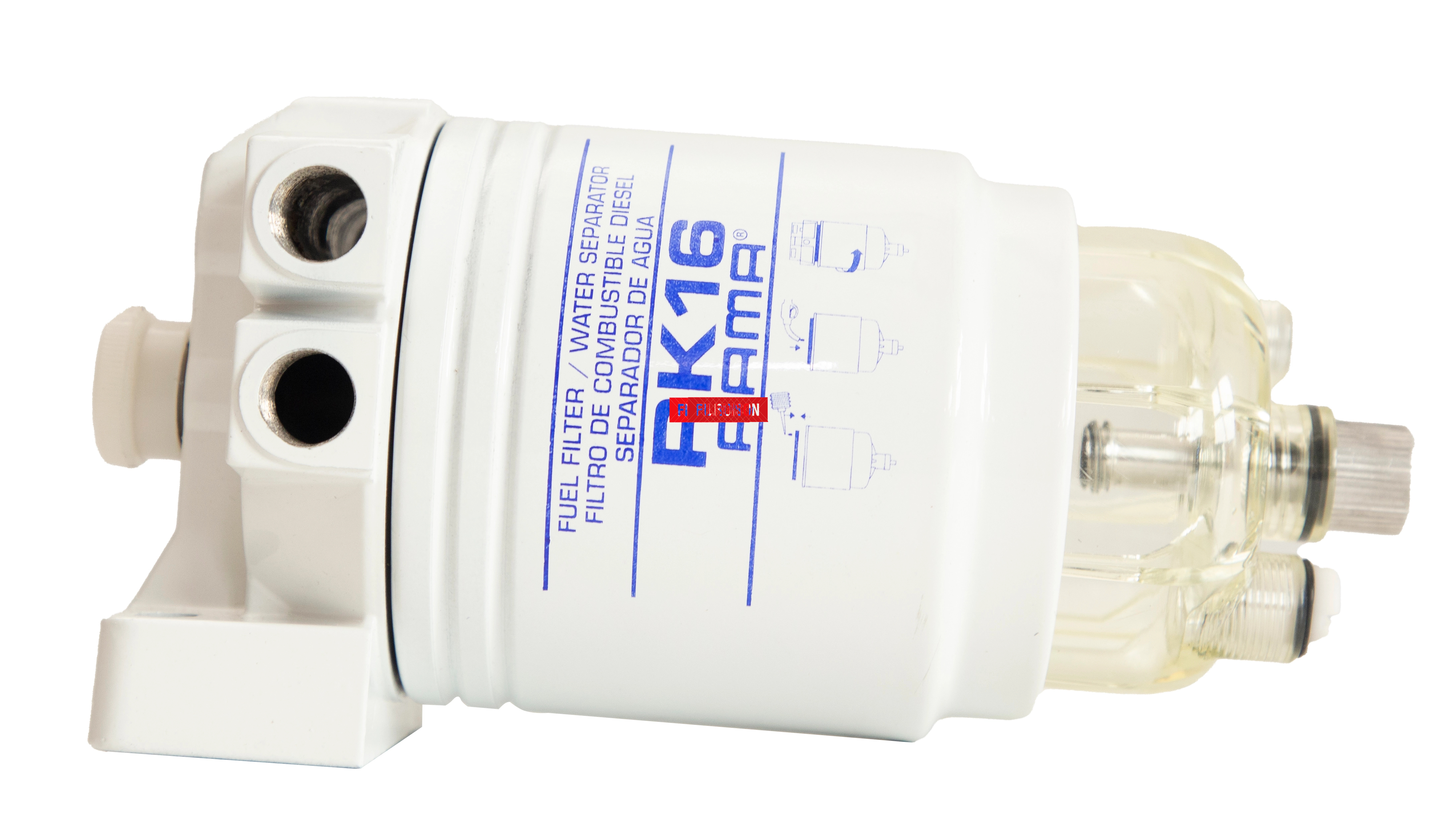
Analyzing recent shifts in commercial and heavy-duty diesel engineering reveals a distinct trend moving away from engine-bay filtration. Modern High-Pressure Common Rail engines operate at extreme pressures, often exceeding 30,000 PSI. At these extreme pressures, even microscopic moisture droplets cause explosive cavitation that destroys injector tips. Modern emissions systems generate massive amounts of under-hood heat. As a result, engineers and fleet managers increasingly favor chassis and frame-rail mounting. This shift isolates the filtration media from extreme thermal degradation. It also accommodates the integration of sophisticated electronic sensors, which require stable, vibration-free environments to transmit accurate telemetry to the dashboard.
The physical location of your filtration hardware directly dictates the hydraulic performance of your vehicle. A poorly chosen spot introduces mechanical inefficiencies that completely negate the benefits of the upgrade.
Diesel delivery systems operate under highly specific pressure and suction parameters. Choosing a location that requires excessively long routing, sharp bends, or kinks in the fuel line creates an immediate hydraulic restriction. This bottleneck forces the lift pump to work incredibly hard to draw fluid from the tank. Excessive suction leads to starvation over time, causing the engine to sputter or lose power under heavy loads. High suction pressure also increases the likelihood of drawing air into the system through microscopic gaps in fittings. This leads to vapor lock and frustrating hard-starting conditions.
The environment under a chassis is incredibly harsh. Mounting the unit in a vulnerable spot, such as directly behind a tire without a splash guard, makes it a prime target for impact damage. The unmistakable crunch of road debris, rocks, and ice against a plastic bowl can lead to a catastrophic leak on the highway. Extreme engine heat can degrade the structural integrity of the housing or cause the internal fluid to expand and vaporize. Placing it in an area fully exposed to freezing winter winds can cause the separated liquid in the bottom bowl to freeze solid and crack the housing.
The rules for the ideal mounting position are standardized based on fluid dynamics and structural safety for the vast majority of automotive and heavy-duty applications.
Slide under the chassis and you will immediately notice the heavy steel of the frame rail. The inside of this rail is widely considered the safest and most effective location. It provides a rigid, vibration-resistant foundation. Securing the unit on the inner side of the rail protects it from side-impact collisions and tire kick-up. The frame rail usually offers a direct, linear path from the tank, minimizing the required plumbing length.
Sequence in the plumbing is critical. The optimal flow path must always be from the tank, to the pre-filter, to the lift pump, to the factory filter, and finally to the engine. Placing the separator before the lift pump ensures that the pump internal mechanisms are protected from corrosion and large abrasive particles. Placing it after the pump means the impeller will churn the moisture and diesel into a tight emulsion. This makes it nearly impossible for the hydrophobic media to separate them later.
The unit must be mounted perfectly vertically regardless of where you place it on the rail. The internal mechanics rely entirely on gravity to pull the heavier molecules down into the collection bowl. Tilting the unit at an angle severely disrupts the fluid dynamics. This allows contaminated fluid to bypass the media and travel straight into your engine.
Choosing the correct hardware is just as important as finding the right location. You need a unit that matches your engine flow rate and micron requirements. Industrial applications often rely on robust assemblies like the Sykingtech 160RKP or the PL3495570 series. These units feature high-capacity bowls and advanced hydrophobic media tailored for heavy-duty flow rates.
| Feature | Standard OEM Filter | Heavy-Duty Separator |
|---|---|---|
| Primary Function | Fine particulate removal | Bulk water & large debris removal |
| Ideal Placement | Engine bay | Frame rail |
| Micron Rating | 2 to 5 microns | 10 to 30 microns |
| Maintenance | Replace entire unit | Drain bowl, replace inner element |
Matching your system flow rate prevents fuel starvation. A high-horsepower engine requires a housing capable of handling higher gallons per hour without creating a bottleneck.
The core physics of separation remain identical across applications. However, the operational environment drastically alters the installation rulebook. Marine environments introduce strict regulatory standards that simply do not apply to road vehicles.
Ground clearance and suspension articulation are the primary concerns for trucks and heavy machinery. The hardware must be secured high enough to avoid being crushed by obstacles during off-road operation. It must remain low enough to facilitate an easy gravity feed from the tank. Installers must carefully ensure the unit does not interfere with moving suspension components, driveshafts, or steering linkages when the vehicle is fully loaded.
Marine applications are governed by strict safety regulations from organizations like the United States Coast Guard and the American Boat and Yacht Council. The unit must be secured above the normal bilge water line in a boat to prevent external corrosion and potential submersion. Boat engine rooms are notoriously cramped and prone to high ambient temperatures. Marine systems must be equipped with fire-resistant metallic bowls rather than clear plastic bowls to prevent catastrophic fires. They must also utilize heat-resistant hoses.
Proper installation requires patience, cleanliness, and precision. Introducing dirt or trapped air during the setup causes the exact mechanical failures you are trying to prevent. Here is how to execute a clean, professional installation.
Ensure you have all necessary components laid out before cutting into any plumbing. You will need a power drill with sharp metal bits, a heavy-duty mounting bracket, high-quality hoses rated specifically for diesel, stainless steel hose clamps, and a compatible thread sealant. Avoid standard white thread tape because microscopic shreds can break off and instantly clog an injector.
Locate and mark your chosen spot on the frame rail first. Mark the drill holes using the bracket as a template. Carefully drill the mounting holes, double-checking that you do not puncture any existing brake lines or wiring harnesses hidden behind the steel. Bolt the bracket securely using heavy-duty hardware and nylon lock-nuts.
Place a catch pan under the vehicle because you will spill some fluid. Relieve any existing pressure, then use a dedicated hose cutter to sever the primary line coming from the tank. Route the new hoses from the tank to the inlet port, and from the outlet port to the lift pump. Secure all connections tightly and ensure there are no sharp bends that could restrict flow.
The system must be primed before turning the ignition key. An empty filter introduces a massive air pocket into the delivery system, which will cause the motor to stall and may damage the injection pump. Fill the new filter element with clean fluid before spinning it onto the fuel filter housing. Use the manual primer plunger to bleed out any remaining air until the button feels firm and solid.
Even experienced mechanics can make critical errors during installation. Avoiding these common pitfalls ensures the longevity and safety of your vehicle.
Heat is a major enemy of efficiency. Placing the unit too close to the exhaust pipe, particulate filter, or turbocharger creates a severe fire hazard. Radiant heat causes the fluid inside the housing to expand, potentially boiling the moisture trapped in the bowl and forcing vapor through the media. Always maintain a minimum clearance of 12 to 18 inches from any exhaust component or utilize a dedicated heat shield.
A filtration system is only effective if it is emptied regularly. A frequent mistake is tucking the unit so far up inside the frame rail or behind a heavy skid plate that the drain valve cannot be reached. You are highly unlikely to perform routine maintenance if you cannot easily see the indicator line or reach your hand in to twist the drain petcock. The moisture will simply bypass the media and destroy your injectors once the bowl is full.
Placing the unit significantly higher than the top of the tank forces the pump to fight continuously against gravity. This continuous strain accelerates wear on the pump internal motor. Keep the unit at a level equal to or slightly below the bottom of the tank to allow gravity to assist the flow whenever possible.
Post-installation care is the final piece of the puzzle. A proactive maintenance schedule is required to keep the system functioning exactly as designed.
The frequency of draining depends entirely on the climate and the quality of fuel in your specific region. You should visually inspect the water trap weekly as a general empirical rule. It must be drained before the liquid level reaches the internal indicator line. Place a cup beneath the unit, open the bottom petcock, and let the contaminated liquid flow out until pure, amber diesel begins to emerge. Close the valve tightly to prevent air from sucking back in.
The internal hydrophobic element is a consumable wear item. Most manufacturers recommend replacing the spin-on element every 10,000 to 15,000 miles, or every 250 to 500 engine hours for industrial applications. The media can become clogged instantly if you accidentally pump a heavily contaminated batch from a rural gas station. This requires an immediate replacement on the side of the road. Always keep a spare element securely packed in your vehicle for emergencies.
Taking the time to identify the perfect placement for your filtration upgrade is a critical step that should never be rushed. A proper setup prevents costly engine damage, eliminates frustrating vapor lock, and ensures your vehicle runs smoothly under heavy loads. Prioritize securing the unit on the inner frame rail, keep it well away from extreme exhaust heat, and ensure the bottom drain remains easily accessible for your weekly checks. Vertical orientation guarantees efficient gravity-fed separation. Planning your plumbing routing carefully protects your engine and saves thousands of dollars in potential injector repairs down the road.
Ready to protect your engine with a professional-grade setup? Evaluate your system requirements and explore the high-performance filtration solutions at Sykingtech to find the exact hardware match for your heavy-duty or marine application today.
No. The unit must be mounted perfectly vertically. The internal mechanics rely entirely on gravity to pull the heavier moisture down into the bottom collection bowl. If mounted horizontally, the liquid will bypass the trap and enter your engine, rendering the entire setup useless.
In almost all applications, it should be mounted before the pump between the tank and the pump. This configuration acts as a pre-filter, protecting the delicate internal impeller of the pump from corrosion and large abrasive debris.
Yes, it absolutely can. If the chosen spot requires excessively long hose routing, sharp kinks, or is mounted too high above the tank, it creates a hydraulic restriction. This forces the pump to work harder, causing a drop in overall pressure and potentially starving the engine.
It is generally not recommended unless there is a dedicated, factory-designed cool space. Engine bays suffer from extreme radiant heat and intense vibration, which can warp plastic bowls and degrade filtration media. The chassis frame rail is usually the much safer, cooler choice.
Many modern units feature a clear plastic bowl at the bottom where you can visually see the distinct line separating the amber diesel from the clear moisture. Advanced commercial setups often utilize an electronic sensor that will trigger a warning light on your dashboard when it is time to turn the drain valve.
If the collection bowl fills completely, the separated moisture has nowhere else to go. It will be forced upward through the filter media and pushed directly into the fuel pump and injectors. This leads to immediate rough idling, loss of power, and severe damage to the high-pressure injection system.
No, you should never remove the factory filter. The aftermarket unit acts as a primary pre-filter to catch bulk moisture and large debris. The factory filter serves as a secondary, fine-micron filter to catch microscopic particles. Using both provides the ultimate multi-stage protection for your engine.
