
Views: 0 Author: Site Editor Publish Time: 2026-08-09 Origin: Site


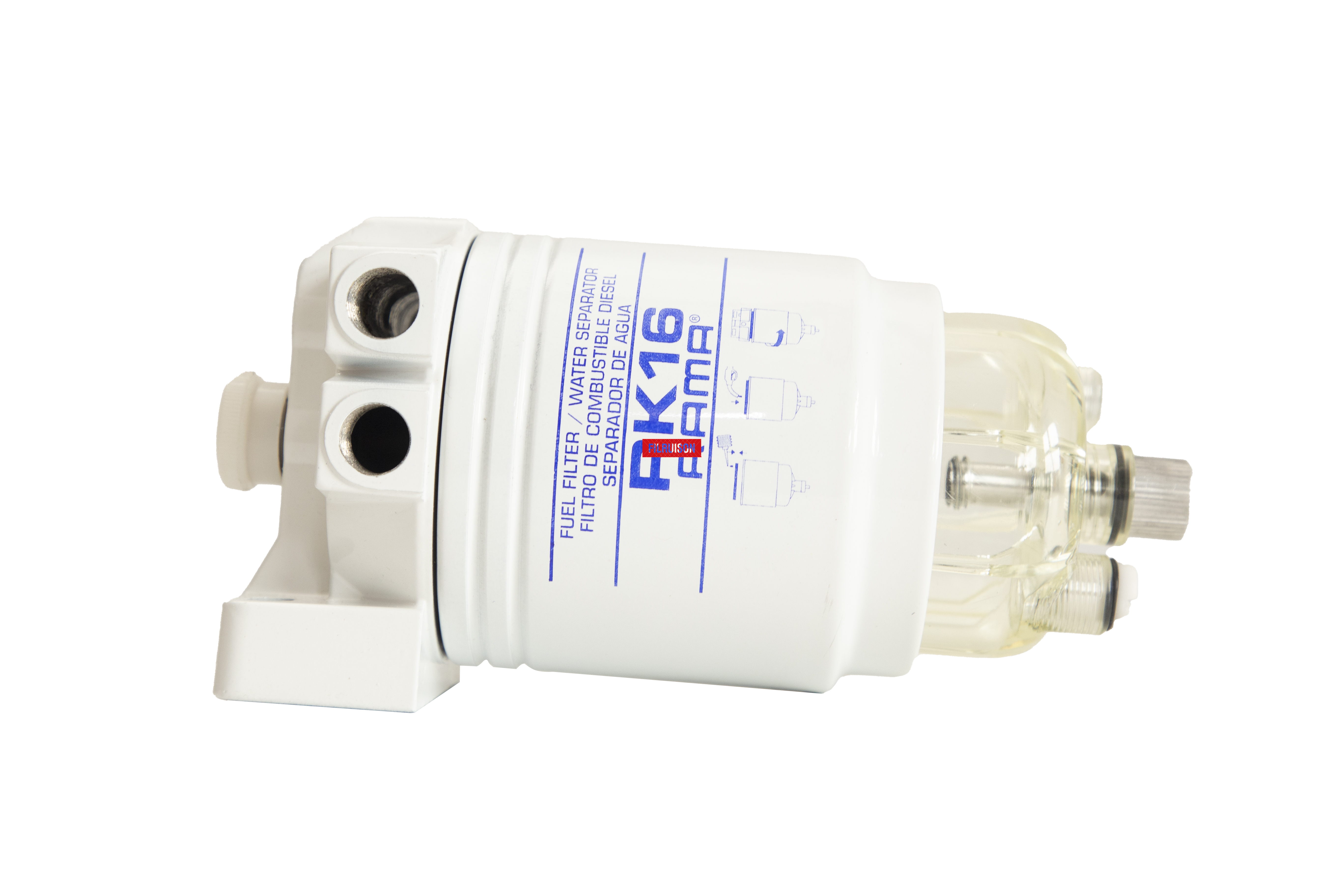
Modern High-Pressure Common Rail (HPCR) diesel engines operate under extreme conditions, often exceeding 30,000 PSI. At these immense pressures, internal system tolerances are razor-thin. Unlike gasoline, diesel fuel is highly hygroscopic. It naturally absorbs moisture directly from the air. Crucially, diesel fuel also acts as the primary lubricant for the engine's internal components. When water enters the fuel supply, it strips away this vital lubrication. This lack of lubrication quickly leads to catastrophic fuel pump failures and destroyed fuel injectors. Repairing these high-pressure systems costs thousands of dollars in parts and labor. You need a reliable way to stop water before it reaches critical engine parts. This guide serves as a decision-making framework for fleet managers, mechanics, and everyday diesel owners. We will explore how advanced filtration systems work. You will learn how to evaluate and choose the right unit to mitigate expensive repair risks effectively.
A combined **diesel fuel filter with water separator** addresses two distinct threats simultaneously: particulate abrasion and water-induced cavitation/rust.
Standard particulate filters cannot remove emulsified water; specialized coalescing media is required.
Evaluating a unit requires balancing micron rating, flow rate requirements, and maintenance accessibility (drain valves and sensor compatibility).
Upfront investment in a high-quality separator directly offsets multi-thousand-dollar HPCR injector replacements.
Diesel chemistry differs significantly from gasoline. Diesel fuel acts somewhat like a sponge. It absorbs moisture from the surrounding environment. Temperature changes cause severe condensation inside fuel tanks. Hot fuel returning from the engine meets cool air in the tank. This temperature difference generates condensation, adding even more water to your supply. Furthermore, stagnant water promotes heavy microbial growth. Mechanics often refer to this growth as "diesel algae." These microbes create a thick, black sludge. This sludge clogs fuel lines rapidly.
Water exists in two primary states inside your fuel system: free water and emulsified water. Free water separates easily. It pools at the bottom of the fuel tank because water is heavier than diesel. Emulsified water poses a much greater threat. Tiny water droplets blend perfectly into the fuel itself. They become suspended in the fluid. Standard paper filters cannot stop these microscopic suspended droplets.
Failing to remove this moisture leads to severe mechanical consequences. When emulsified water bypasses basic filters, you face three major mechanical threats:
Loss of Lubricity: Diesel fuel lubricates the delicate internals of injection pumps. Water washes this lubrication away completely. Metal grinds against metal. This friction causes rapid pump wear and sends metal shavings downstream into the injectors.
Cavitation: HPCR engines pressurize fuel massively. When water enters this high-pressure zone, it turns into steam pockets. These steam pockets explode violently inside the injector. This explosive force physically blows out the hardened steel injector tips.
Corrosion: Water causes instant flash rusting. Internal steel components corrode quickly when exposed to moisture. Rust flakes break off and clog microscopic fuel delivery passages.
Industry standards stress the importance of fuel cleanliness. Experts universally agree you must eliminate both free and emulsified water to protect modern injection systems.
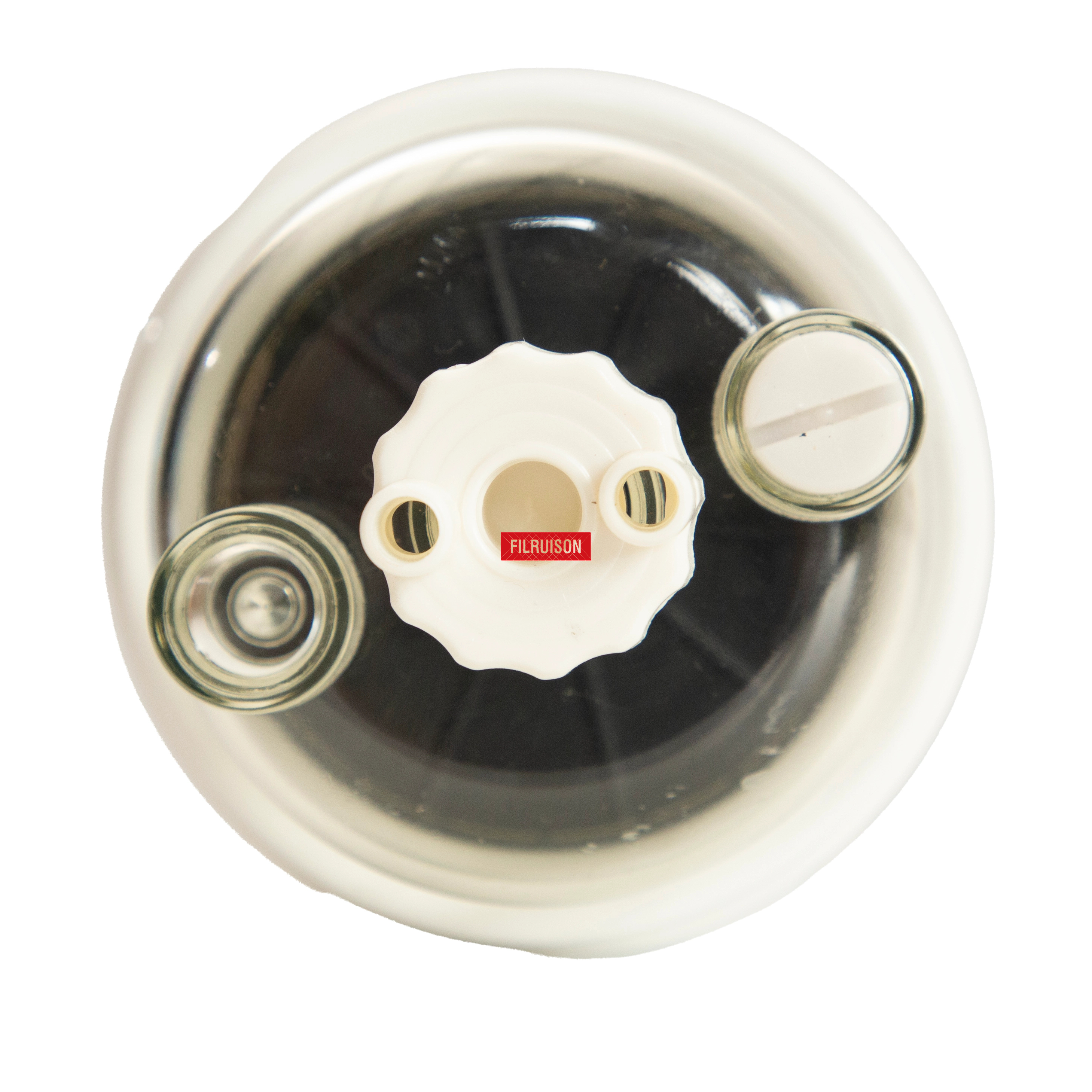
Many vehicle owners believe any standard fuel filter removes moisture automatically. This represents a dangerous myth. Standard particulate filters only trap solid debris. They catch dirt, rust flakes, and silica based on their specific micron size. However, water easily passes right through standard cellulose paper media. You need specialized equipment to stop moisture.
This is where a true Diesel Fuel Filter Water Separator becomes absolutely essential. These devices use a highly specific coalescing process. They strip emulsified moisture from the fuel before it reaches the engine. The process occurs in three distinct stages inside the housing:
Stage 1: Repulsion. The system utilizes hydrophobic (water-repelling) media. This specially treated synthetic material actively repels tiny water droplets as fuel enters the main chamber.
Stage 2: Coalescing. The tiny, emulsified droplets bounce off the media surface. They collide into one another constantly. These continuous collisions force them to merge, or coalesce, into much larger drops.
Stage 3: Separation. As droplets grow, they become significantly heavier than the surrounding diesel fuel. Gravity pulls these heavy water drops downward. They fall safely into a dedicated collection bowl at the bottom of the unit.
A combined diesel fuel filter with water separator merges standard particulate trapping and advanced coalescing into one unified component. It handles both solid debris and liquid contamination effectively.
Common Mistake: Many drivers pour alcohol-based fuel additives into their tanks hoping to eliminate water. Alcohol actually emulsifies the water further. It forces the water deeper into the fuel blend, making it harder for the separator to remove it. Always use demulsifying additives instead.
Selecting the right unit requires careful evaluation. You must match the separator specifications directly to your specific engine requirements. Guessing these specifications often leads to fuel starvation or poor filtration.
Micron ratings dictate how small of a particle the filter catches. You typically choose between 2-micron, 5-micron, and 10-micron options. A lower number means tighter, more restrictive filtration. Tighter filtration yields exceptionally clean fuel. However, you must accept a specific trade-off. Fine filters clog much faster than coarse filters. They require more frequent replacements. They also demand stronger lift pumps to push the thick diesel fuel through the dense synthetic media.
Filter Micron Rating Application Guide
Micron Rating | Primary Application | Replacement Frequency | Lift Pump Demand |
|---|---|---|---|
2-Micron | Final stage filtration before HPCR injectors | High (Clogs quickly) | High (Requires strong pump) |
5-Micron | Standard OEM replacement balance | Moderate | Moderate |
10 to 30-Micron | Primary pre-filter or heavy debris environments | Low (Lasts longer) | Low (Easy fuel flow) |
You must match the separator's flow rating to your engine's maximum fuel demand. We measure this metric in Gallons Per Hour (GPH) or Gallons Per Minute (GPM). If a separator restricts flow, your engine starves for fuel under heavy loads. This restriction causes immediate performance drops, hesitation, and potential stalling. Always select a unit rated slightly higher than your engine's peak GPH demand.
Manufacturers offer different bowl styles based on specific application needs. Clear polycarbonate bowls allow easy visual inspection. You can see the trapped water level instantly by looking under the hood. However, clear bowls often lack Department of Transportation (DOT) compliance for certain commercial highway applications. Solid metal bowls provide excellent durability. They resist high engine heat and crash impacts. Metal bowls rely entirely on electronic sensors to alert you about rising water levels.
Winter brings unique operational challenges. Diesel fuel gels in freezing temperatures. Trapped water also freezes solid, expanding and cracking the plastic housing. Look for units featuring integrated 12V or 24V Positive Temperature Coefficient (PTC) heating elements. These smart heaters warm the fuel as it passes through. They prevent wax gelling and keep trapped water liquid until you can drain it safely.
Buying the correct unit represents only the first step. Proper installation and ongoing maintenance determine its long-term success. Ignoring maintenance negates the benefits of even the most expensive filtration systems.
Modern separators integrate directly into OEM wiring harnesses. They feature Water In Fuel (WIF) sensors screwed into the bottom of the collection bowl. When water fills the bowl and touches the sensor probes, the sensor triggers a dashboard alert. You must ensure sensor thread compatibility when upgrading your system. Incorrect threads cause dangerous fuel leaks. Always check if your new aftermarket unit accepts the factory WIF sensor.
Routine maintenance is a practical, unavoidable reality. How often you drain the bowl depends heavily on local fuel quality and climate conditions. Best practice dictates checking it visually at every fill-up. Look for units featuring accessible petcock valves. Good drain valves do not require specialized wrenches. They let you drain water cleanly without creating massive diesel spills on your driveway.
Common Mistake: Over-tightening the plastic drain valve after emptying the bowl. Plastic threads strip easily. Tighten the valve snugly by hand to prevent cracking the housing.
Air intrusion represents the primary risk during any installation. Diesel systems despise trapped air. You must seat all rubber O-rings perfectly. Lubricate the new O-rings lightly with clean diesel before installation. If an O-ring pinches, air enters the fuel lines. The engine will crank endlessly but refuse to start. We highly recommend selecting units featuring built-in manual priming pumps. These integrated primer buttons allow you to purge air from the fuel lines easily after completing a filter change.
You must decide between two primary architectural approaches when upgrading your vehicle.
These combo units replace factory-installed canisters directly. They are perfect for standard-duty applications and daily drivers. They provide excellent factory-level protection and offer extreme ease of installation. You simply spin off the old canister and spin on the new combo unit. They require no custom brackets or wiring modifications.
Heavy-duty applications demand highly robust solutions. Modified engines, agricultural equipment, or vehicles operating in areas suffering from notoriously poor fuel quality need standalone systems. These multi-stage setups use a dedicated, large-capacity water separator first. A secondary, ultra-fine micro-particulate filter follows it. This complete separation of duties maximizes fuel flow and offers unparalleled protection. However, they cost more and require custom mounting.
Follow this 3-step rapid evaluation framework before you click purchase:
Confirm thread pitch and fitment: Ensure the spin-on threads match your factory filter head exactly.
Verify micron and GPH needs: Check your engine manual to confirm you are not restricting fuel flow.
Check WIF sensor compatibility: Ensure your factory wiring harness plugs seamlessly into the new unit to maintain dashboard alerts.
Upgrading your fuel system is a critical investment. A high-efficiency combination unit acts as the absolute cheapest insurance policy available for your high-pressure injection components. Replacing a filter costs a fraction of rebuilding a blown HPCR fuel pump.
Take immediate action to protect your engine today:
Audit your current filtration setup to identify any glaring vulnerabilities.
Determine your specific engine GPH requirements to avoid accidental fuel starvation.
Cross-reference OEM specifications regarding WIF sensors and thread pitches before buying.
Upgrade to a dedicated coalescing unit immediately if you currently rely on basic paper filters alone.
A: No. While most modern heavy-duty trucks do, many older or light-duty passenger diesels rely on basic filtration. Upgrades are often required to ensure adequate protection against moisture.
A: It depends on fuel quality and climate. Best practice is to check visually at every fill-up if a clear bowl is used. Otherwise, drain it immediately upon a WIF dash light illumination.
A: No. It is strictly a preventative measure. Once water passes the separator and reaches the injectors, mechanical damage is likely already done. You must stop the water beforehand.
