
Views: 0 Author: Site Editor Publish Time: 2026-08-10 Origin: Site


Heavy haulers and excavators operating in extreme mining environments face a relentless enemy: airborne dust. The operational reality of high-dust conditions often forces operators to stop mid-shift—sometimes every three hours—just to blow out or replace choked air filters. This severe inefficiency disrupts production schedules and exposes engine components to catastrophic wear. The compounding costs of high dust loads extend far beyond unscheduled downtime and excessive primary filter replacement expenditures. When silica and fine particulates bypass overloaded filters, the resulting engine wear leads to premature failure. Furthermore, manual field cleaning introduces a hidden danger, often pushing dust directly into the clean side of the engine intake. Shifting from a reactive, shift-by-shift survival tactic to a predictable, scheduled maintenance process requires separating debris before it ever reaches the intake housing. Integrating an industrial-grade air pre-cleaner for mining equipment provides this first line of defense.
Severe-duty cycles in surface and underground mining operations create environments where standard cellulose or synthetic filters block within hours. Operators running 400-ton haul trucks or massive hydraulic shovels are frequently forced to perform risky, repetitive field blowouts to keep machinery running. This constant interruption fractures production schedules and creates significant safety hazards on the site. When a machine stops on the haul road for filter maintenance, the entire fleet cycle degrades. The loader waits, the crusher runs empty, and the shift target slips out of reach.
Stopping production to service filters carries substantial hidden costs. Lost tonnage per hour and operator downtime quickly erode site efficiency. Additionally, cleaning standard filters with compressed air often causes micro-tears in the media. Mechanics in the field rarely have regulated air nozzles, meaning they hit the filter paper with 100+ PSI. This blasts holes straight through the fibers, drastically shortening their lifespan and compromising their ability to stop fine particulates. The dirt then has a direct path into the intake manifold.
Dust ingestion initiates a rapid degradation process within internal combustion engines. Bypassed silica and fine particulates act as an abrasive paste once they mix with engine oil. This paste scores cylinder walls, wears down piston rings, and erodes turbocharger compressor wheels. You can often see the results during an oil analysis, where elevated silicon and iron levels indicate that dirt is bypassing the intake system and eating the engine from the inside out. This mechanical wear accelerates the need for major engine overhauls, pulling assets offline for weeks.
Standard OEM single or dual-stage air filters have physical limitations when exposed to heavy ambient mine dust. They are designed for typical industrial environments, not the extreme particulate loads generated by continuous blasting, loading, and hauling operations. Relying solely on these filters guarantees premature component failure and escalating maintenance budgets. A standard filter simply lacks the holding capacity to survive a 12-hour shift in a high-wind, dry-pit environment without choking the engine of oxygen.
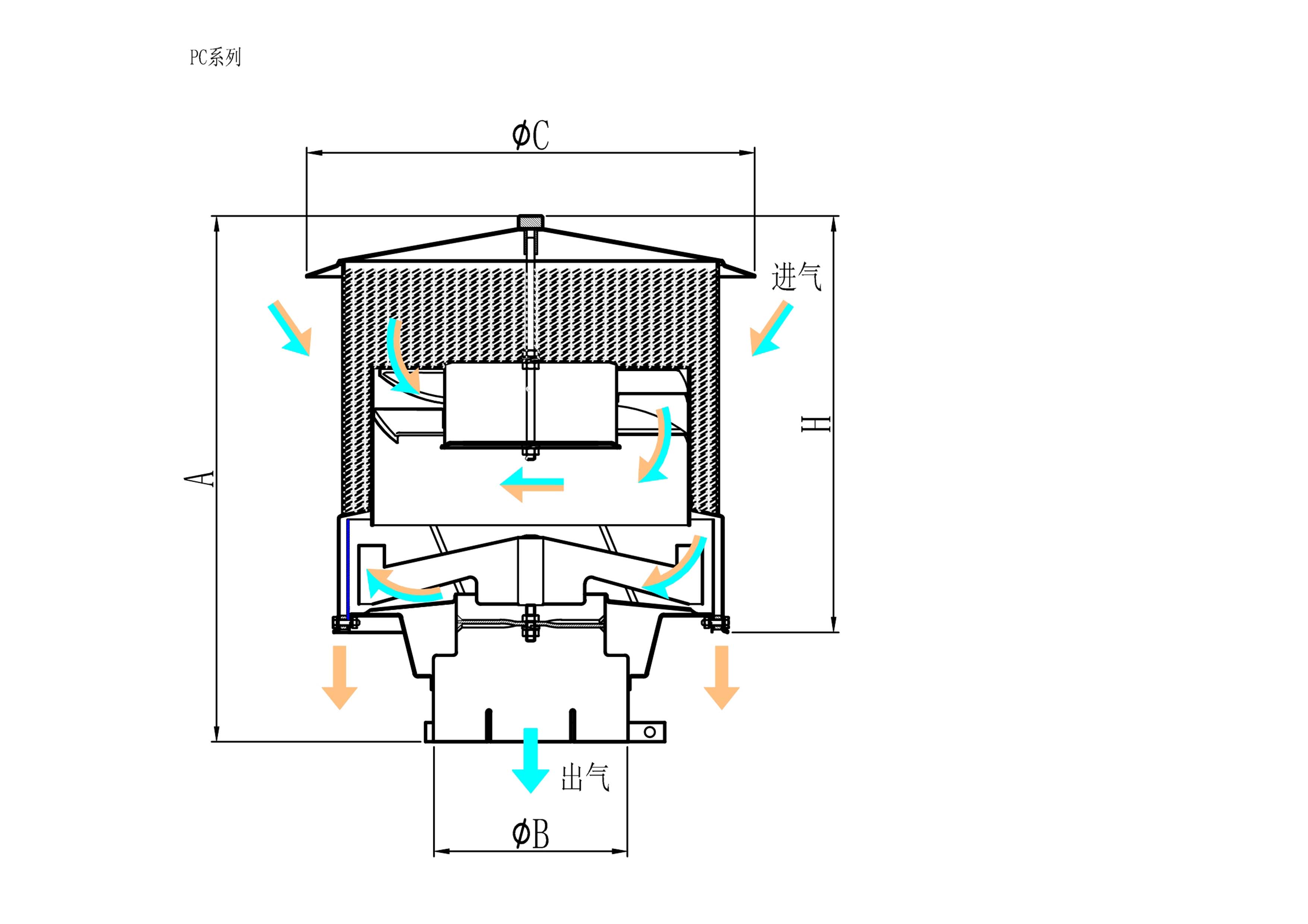
A mine equipment dust separator relies on the physics of centrifugal force to protect the engine. Incoming air is spun rapidly via static vanes or rotors located at the intake point. This spinning action forces heavier particles, such as dirt, sediment, and moisture, outward against the housing walls, separating them from the main airflow. Because dirt is heavier than air, it cannot make the sharp turn required to enter the center tube.
Once separated, the clean air is routed to the center of the unit and directed down into the engine intake. Simultaneously, the segregated contaminants are continuously expelled through discharge ports or scavenge lines. High-end separators manage dry silica dust, water droplets, and winter snow or ice without clogging, ensuring continuous operation across multiple phases. This mechanical separation happens instantly and continuously, regardless of how much dust is in the air.
Passive atmospheric pre-cleaners rely strictly on the intake vacuum generated by the engine to spin the air and eject dust through discharge slots. These systems are straightforward, require no external power, and are effective in moderate to heavy dust environments. They are often installed directly on top of the air cleaner housing, replacing the standard rain cap. Because they have no moving parts other than an internal rotor on some models, they are highly reliable.
Active exhaust-driven scavenge systems utilize exhaust gas velocity and an ejector connection to pull dust from the pre-cleaner and expel it through the exhaust stream. Choosing between passive and active systems depends on the machine duty cycle, engine compartment space, and ambient dust concentration. Active systems generally offer higher efficiency in the most extreme conditions but require more complex installation involving steel piping routed to the muffler.
| System Type | Mechanism | Best Application | Installation Complexity |
|---|---|---|---|
| Passive Inertial | Intake vacuum spins air, ejects dust via slots | Moderate to heavy dust, loaders, dozers | Low (Direct replacement of rain cap) |
| Active Scavenge | Exhaust velocity pulls dust via ejector valve | Extreme dust, large haul trucks, blast hole drills | High (Requires exhaust routing) |
Matching the optimal operating range of the mining machinery engine precleaner to the engine’s maximum CFM is the absolute most critical metric to prevent system failure. The pre-cleaner must handle the specific volume of air the engine demands under full load. If you install a unit rated for 500 CFM on an engine that pulls 1200 CFM, you will choke the engine, spike exhaust temperatures, and cause severe damage.
Calculating the required CFM involves assessing engine displacement, RPM, and turbocharger configurations. An accurate calculation ensures the pre-cleaner generates sufficient centrifugal force to separate dust without restricting airflow to the engine. Mechanics must follow a strict process to determine this:
Construction materials dictate the lifespan of the pre-cleaner in harsh mining environments. Heavy-gauge steel and aluminum housings offer robust protection against physical impacts, while high-impact, UV-stabilized composite polymers provide excellent durability with reduced weight. In a pit where fly rock and debris are common, fragile plastics will shatter within weeks.
Structural integrity is necessary to survive continuous low-frequency vibrations, direct impacts from flying ballast, and extreme temperature fluctuations. The unit must remain securely mounted and fully sealed under severe operational stress. A cracked housing allows unfiltered air to bypass the separation chamber, defeating the entire purpose of the installation. Heavy-duty band clamps and reinforced mounting brackets are non-negotiable.
Self-cleaning, zero-maintenance models utilize continuous ejection to remove dust, eliminating the need for operator intervention. These units expel dirt back into the atmosphere or through the exhaust as fast as they ingest it. In contrast, traditional bowl-style collectors require manual emptying at regular intervals, relying on the operator to unclip a plastic bowl and dump the dirt.
Manual bowl-style collectors carry a high operational risk. If neglected, they can crack, overflow, or re-entrain dust directly back into the intake system, completely negating the benefits of the pre-cleaner. In a busy mining operation, relying on manual bowl dumping is a guaranteed point of failure. Operators forget, bowls fill up in an hour, and the engine ingests a concentrated slug of dirt.
Fine airborne conductive mining dust settles on switches, control panels, and variable speed drives. This accumulation causes static shorts and premature electrical failures, shutting down critical equipment. Modern mining machinery relies heavily on CAN bus networks, ECMs, and automated control systems. When silica dust coats these circuit boards, it traps heat and moisture, leading to erratic machine behavior and sudden shutdowns.
Specialized air cleaning blowers and pressurizers play a vital role in keeping electronic enclosures dust-free and running cool. By maintaining a positive pressure environment with pre-cleaned air, these systems prevent dust ingress and protect sensitive components. A dedicated micro-pre-cleaner mounted on the electrical cabinet ensures that only clean, ambient air is pushed into the enclosure, forcing dust away from the door seals.
Integrating an air pre-cleaner for mining equipment cabins protects operators from respirable crystalline silica (RCS). This integration is essential for meeting strict MSHA and OSHA air quality standards and ensuring operator health. Breathing silica dust leads to silicosis, a severe occupational lung disease. A standard cabin air filter will plug rapidly, causing the cabin pressure to drop and allowing dust to leak in through the door seals and floorboards.
Pre-cleaned, pressurized cab air also reduces HVAC evaporator core clogging. This lowers cabin climate-control maintenance costs and ensures the system operates efficiently throughout the shift. When the evaporator core plugs with mud, the air conditioning fails, creating an unbearable and unsafe working environment for the operator. A pre-cleaner removes the heavy dirt before it ever reaches the cabin filter, keeping the AC blowing cold.
A structured comparison reveals significant savings when transitioning from weekly primary and secondary element replacements to quarterly or bi-annual schedules. The reduction in purchasing, replacing, and disposing of filters directly impacts the bottom line. Mining operations consume thousands of filters annually. Extending the life of a $200 primary filter from 50 hours to 500 hours yields massive reductions in consumable spend.
| Operational Metric | Standard Filtration Setup | Pre-Cleaner Integrated Setup |
|---|---|---|
| Primary Filter Lifespan | 50 - 100 Hours | 500 - 1000 Hours |
| Maintenance Frequency | Daily / Shift-by-Shift | Monthly / Scheduled PM |
| Risk of Dust Bypass | High (due to frequent handling) | Low (sealed system) |
| Filter Disposal Volume | Excessive | Minimal |
Eliminating mid-shift filter maintenance converts daily or shift-by-shift interventions into scheduled monthly PM intervals. The financial return of this recovered labor and increased machine uptime is substantial, allowing equipment to move more tonnage per day. Every minute a haul truck sits idle while a mechanic blows out a filter is lost revenue. By keeping the machine in the dirt, the site maximizes its return on assets.
Furthermore, mechanics are freed up to perform actual preventative maintenance rather than reacting to filter restriction alarms. This shift from reactive firefighting to proactive maintenance improves the overall health of the fleet. Labor hours previously wasted on filter swaps can be redirected to inspecting undercarriages, checking hydraulic pressures, and preventing major breakdowns.
The upfront capital expenditure of retrofitting advanced pre-cleaners must be balanced against the deferred costs of premature engine rebuilds. Protecting the engine prevents turbocharger replacements and avoids fuel consumption penalties caused by severe air restriction. A restricted air filter forces the engine to work harder to pull in oxygen, altering the air-to-fuel ratio. This results in unburned fuel, black smoke, and washed cylinder walls.
An engine rebuild on a large mining excavator can easily exceed six figures and take the machine out of commission for weeks. By stopping the dirt at the intake, the pre-cleaner ensures the engine reaches its targeted lifecycle hours. The oil stays cleaner longer, the turbo bearings survive, and the compression remains strong. The ROI of saving just one engine far outweighs the cost of outfitting the entire fleet with pre-cleaners.
An oversized unit fails to generate the necessary centrifugal force because the air velocity is insufficient. This allows heavy dust to bypass the separator and travel directly to the primary filter, rendering the pre-cleaner ineffective. The internal rotors or static vanes require a specific air velocity to spin the dirt outward. If the housing is too large for the engine's CFM pull, the air moves too slowly, and the dirt simply falls through the center tube.
Conversely, an undersized unit creates high air restriction, causing engine air starvation. This leads to increased exhaust gas temperatures (EGTs), power loss, and excessive fuel consumption, ultimately damaging the engine. The turbocharger will overspeed trying to pull air through the restriction, leading to catastrophic turbo failure. Sizing must be exact, based on mathematical calculations, not guesswork.
Space constraints present significant risks during installation. Hood clearances, complex intake piping geometry, and the necessity of engineered mounting brackets must be addressed to prevent metal fatigue and ensure a secure fit. Many modern machines have sloped hoods for visibility, leaving very little room for a large pre-cleaner housing. Custom fabrication of intake tubes is often required to route the air properly without creating sharp 90-degree bends that restrict flow.
Ensuring a 100% sealed intake system post-installation is critical. Any vacuum leaks will allow unfiltered air to bypass the system, drawing dust directly into the engine. Mechanics must use high-quality silicone hump hoses, constant-torque clamps, and pressure-test the entire intake tract after installation. A single loose clamp behind the pre-cleaner will destroy an engine in a matter of days.
Installing and monitoring mechanical or electronic restriction gauges (manometers) establishes post-installation baselines. These indicators provide clear data on filter loading and system performance. You cannot manage what you do not measure. A restriction gauge tells the maintenance team exactly when the primary filter actually needs changing, eliminating the wasteful practice of changing filters based on calendar days.
Integrating visual inspections of the pre-cleaner intake and discharge ports into standard operator daily walk-arounds ensures the system remains clear of large debris and functions correctly. Operators should check for plastic bags, leaves, or heavy mud caked over the intake screen. A quick visual check ensures the pre-cleaner is breathing freely and the ejector ports are not plugged with wet clay.
A: A high-quality pre-cleaner can extend primary filter life by up to 10 times by removing 90%+ of heavy dust and debris before it reaches the filter media.
A: Yes, advanced centrifugal pre-cleaners effectively separate water droplets, snow, and ice, preventing them from reaching the primary filter and causing clogs.
A: Blowing out filters with compressed air often creates micro-tears in the media, allowing fine particulates to bypass the filter and cause severe engine wear.
A: An oversized pre-cleaner lacks the necessary air velocity to generate sufficient centrifugal force, allowing dust to bypass the separator and load the primary filter.
A: When properly sized to match the engine's CFM requirements, pre-cleaners do not restrict airflow or cause horsepower loss.
A: Exhaust-scavenged systems are highly effective in extreme dust conditions as they actively pull dust from the pre-cleaner, but they require more complex installation than passive models.
A: Yes, specialized pre-cleaners and pressurizers can be retrofitted to older machinery to protect cabins and electronic enclosures from dust ingress.
