
Views: 0 Author: Site Editor Publish Time: 2026-08-06 Origin: Site


Modern High-Pressure Common Rail (HPCR) diesel engines operate under extreme tolerances. Even microscopic water contamination causes catastrophic injector failure. The financial stakes are exceptionally high. You must contrast the low cost of preventative filtration against the massive expense of engine downtime. A single contaminated tank can destroy an entire injection system. This results in costly injector replacements and lost operational hours. Implementing a proper defense mechanism protects your fuel system. We built this article to provide a comprehensive technical and commercial framework. You will learn how to evaluate, select, and maintain the correct water separator diesel fuel filter. We will explore core mechanics, evaluation criteria, and operational realities. Our goal is to equip you with actionable strategies for immediate implementation.
Water constantly threatens diesel systems. It enters storage tanks through natural condensation during temperature fluctuations. Warm days and cold nights create moisture inside half-empty tanks. Poor supply chains also introduce moisture during bulk transport. Once inside, this water wreaks havoc on mechanical parts. It attacks high-precision components aggressively.
We identify three primary mechanical failure points. First, cavitation destroys injectors. Modern engines push fuel at pressures exceeding 30,000 PSI. High-pressure water expands rapidly inside the injector. This expansion physically blows out the injector tips. Second, corrosion and lubrication loss occur rapidly. Diesel naturally lubricates moving pump parts. Water strips diesel of these natural lubricating properties. This leads to severe metal-on-metal wear. Rust flakes then circulate through the system. Third, microbial growth thrives at the fuel-water interface. Diesel "algae" develops quickly in standing water. This biological sludge rapidly plugs filters. It starves the engine of fuel.
To succeed, filtration strategies must be aggressive. A successful strategy eliminates over 99% of free and emulsified water. It must execute this separation before fuel reaches the primary filter. Failing to meet this metric guarantees accelerated engine wear.
| Failure Mode | Mechanical Trigger | Operational Consequence |
|---|---|---|
| Cavitation | Explosive vapor expansion at high pressure | Shattered injector tips; immediate engine misfire |
| Lubrication Loss | Water displacing natural diesel lubricity | Scored fuel pump bearings; metal shavings in lines |
| Microbial Sludge | Bacteria feeding on hydrocarbons at water boundaries | Rapid filter plugging; fuel starvation and stalling |
An effective Diesel Fuel Filter Water Separator operates through a distinct sequence. It uses fluid dynamics and advanced materials to clean fuel. We can break this mechanical process down into three specific stages.
Design variations exist across different applications. Primary pre-filters typically mount near the fuel tank. They utilize coarser media to handle bulk separation. Integrated secondary filters mount directly on the engine block. They provide final, extremely fine filtration just before combustion.
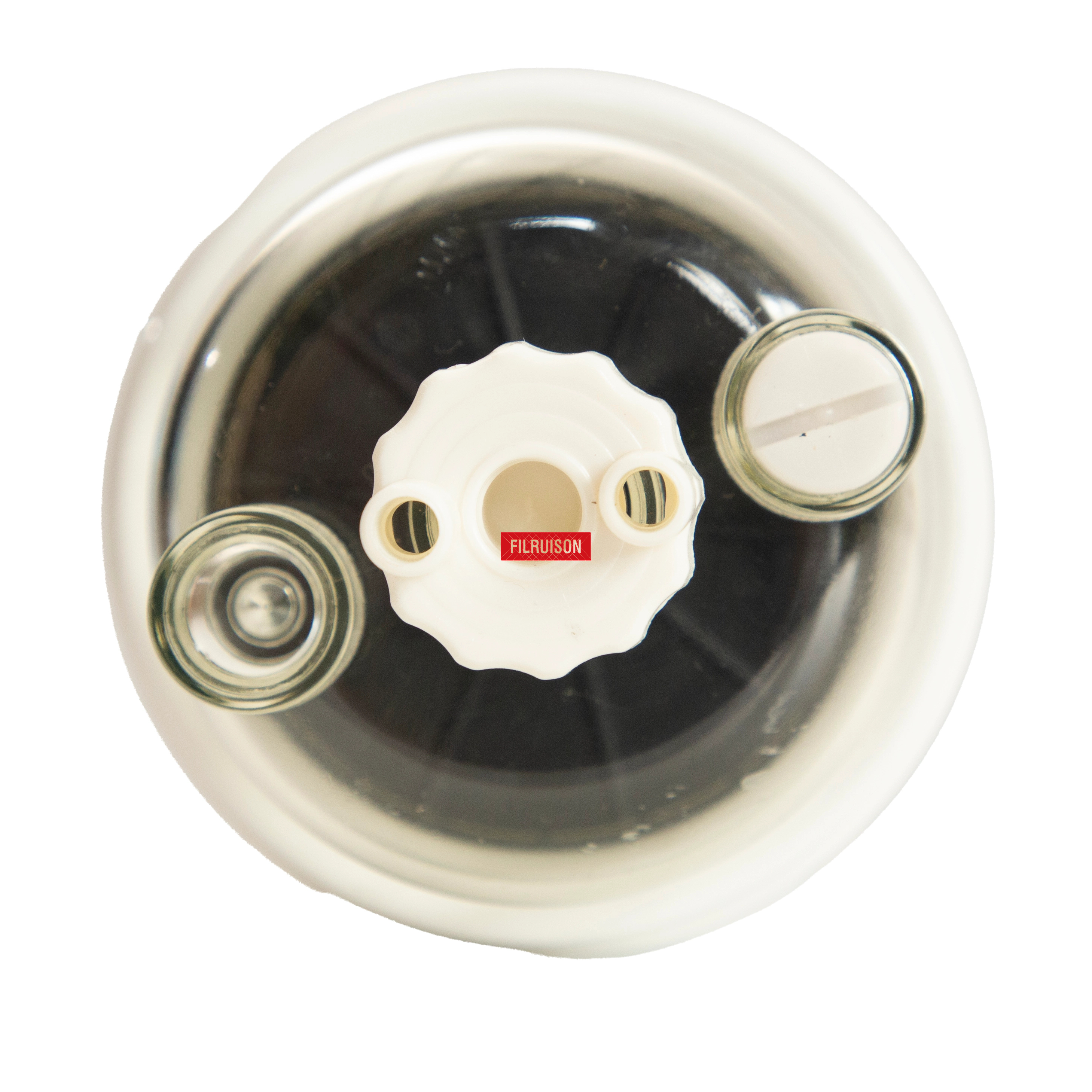
Choosing the right component requires balancing several opposing factors. You must carefully weigh micron ratings against flow rates. Finer micron ratings protect engine parts better. A 2-micron filter catches microscopic debris effortlessly. However, it plugs much faster. It also restricts fuel flow significantly. In contrast, 10- or 30-micron primary separators handle higher fuel volumes. They trap larger water droplets and debris without starving the engine. Fleet managers often use them in tandem.
Always look for verifiable water separation efficiency standards. Advise your procurement team to shortlist vendors based on ISO 16332 testing standards. Ignore vague marketing claims. ISO 16332 provides reliable, standardized performance metrics. It measures how effectively a filter removes distinct droplet sizes under dynamic flow.
Next, consider housing and collection bowl materials. Clear plastic bowls allow easy visual inspection. Trucking and marine applications often use them for quick daily checks. Metal bowls offer superior heat and impact resistance. Many industrial, mining, and safety compliances strictly require metal bowls. They prevent fire hazards in enclosed engine rooms.
Finally, evaluate sensor and heater integration. Water-in-Fuel (WIF) sensors provide automated alerts to operators. They tell you exactly when to drain the bowl. Integrated thermostatically controlled heaters are also vital. They warm the fuel just enough to melt paraffin wax crystals. This prevents filter gelling during extreme cold-weather operations.
| Micron Rating | Primary Function | Typical Application Location | Flow Restriction Level |
|---|---|---|---|
| 30 Micron | Bulk water and large debris removal | Chassis or tank-mounted pre-filter | Low |
| 10 Micron | Balanced particulate and water coalescing | Standard primary filter on commercial trucks | Medium |
| 2 Micron | Ultimate injector protection | Engine-mounted secondary final filter | High |
Even the best filters fail if you install them poorly. Proper mounting locations are crucial for operational success. You must avoid mounting brackets in areas prone to extreme vibration. Heavy vibration damages filter housings over time. It also disrupts the delicate coalescing process inside the media. Ensure your setup supports either gravity-fed or vacuum-side efficiency optimally.
Routine servicing carries specific risks. You absolutely cannot neglect the manual drain valve. If the collection bowl fills completely, water simply bypasses the filter media. It shoots directly into the engine, causing immediate damage. Proper system bleeding is equally important. After changing filter cartridges, you must bleed the fuel lines. Mechanics often use integrated manual primer pumps for this. Bleeding prevents dangerous airlocks. Airlocks will stall a diesel engine instantly.
Cold weather introduces severe system complications. Trapped water freezes quickly in sub-zero temperatures. Ice easily cracks plastic collection bowls. It can also block fuel flow entirely. Furthermore, fuel gelling interacts poorly with separator media. Cold paraffin wax crystals plug the paper instantly. You must ground your expectations in operational realities. Use bowl heaters and properly winterized diesel fuel to mitigate these specific risks.
You must assess your application specifics carefully before purchasing. Different industries demand entirely different filtration setups.
Vendor vetting is your next immediate priority. We recommend prioritizing suppliers offering transparent technical specification sheets. Look for guaranteed OEM cross-reference compatibility. Verifiable warranty support is also non-negotiable. If a vendor cannot provide ISO testing data, disqualify them.
Take an actionable next step today. Audit your current fleet's filtration specifications. Identify any mismatch between your filters and your operating environment. Consult a technical filtration specialist. They will help match precise filter flow rates to your specific engine demands.
A diesel fuel filter water separator remains a critical risk-mitigation tool. It is never just an optional accessory. The right choice relies entirely on matching flow rate, micron efficiency, and your specific operational environment. You must prioritize ISO-tested performance and proactive daily maintenance. Neglecting these systems guarantees catastrophic injector failure eventually.
Review your product specifications immediately. Download a comprehensive buyer's guide for your specific engine models. Contact your engineering or sales team for an application-specific recommendation today. Protect your heavy equipment before costly downtime occurs.
A: Diesel fuel naturally absorbs more water and condensation than gasoline. Furthermore, modern diesel injection systems operate at vastly higher extreme pressures. When water enters a high-pressure diesel injector, it rapidly expands and causes explosive cavitation. Gas engines operate at much lower pressures, making them far less susceptible to this specific catastrophic failure.
A: You should perform daily visual checks if your system uses clear bowls. Drain the separator at the very first sign of water accumulation. Do the same immediately if a Water-in-Fuel (WIF) sensor alerts your dashboard. Always emphasize strict adherence to OEM guidelines for scheduled maintenance intervals.
A: Particulate media will catch dead microbes and biological sludge. However, the separator's primary role is removing the water itself. Water is the exact element allowing the algae to grow in the first place. A filter is a preventative measure; it is not a chemical cure for a severely infected tank.
A: The difference lies entirely in staging. A 30-micron filter typically serves as a primary pre-filter. It catches large water droplets and heavy debris early without restricting flow. A 2-micron filter acts as a secondary or final filter. It provides ultimate injector protection by trapping microscopic contaminants just before combustion.
