
Views: 0 Author: Site Editor Publish Time: 2026-08-02 Origin: Site


Modern High-Pressure Common Rail (HPCR) diesel engines operate under extreme performance demands. They remain highly vulnerable to microscopic particulate contaminants and suspended moisture. The microscopic tolerances of modern fuel injectors leave absolutely zero room for error. Even a tiny abrasive particle can disrupt these precision-engineered systems and cause complete engine failure.
A robust diesel fuel filter serves as a critical operational safeguard against catastrophic injector failure. Unplanned fleet downtime costs commercial businesses thousands of dollars per incident. Relying solely on basic maintenance schedules ignores the harsh commercial reality of inconsistent fuel quality. A single instance of severe contamination can ground an entire fleet of vehicles.
This comprehensive guide helps buyers and operators evaluate component specifications effectively. You will understand how multi-stage filtration architectures protect sensitive engine components. We will explore everything from micron ratings to smart procurement decisions. Applying these insights ensures maximum fleet reliability and protects your heavy-duty investments.
Modern HPCR systems operate at staggering pressures frequently exceeding 30,000 PSI. Under such extreme mechanical pressure, even minimal abrasive debris acts like a microscopic sandblaster. These tiny particles rapidly score the delicate internal surfaces of your fuel injectors. This mechanical damage ruins the fuel spray pattern required for efficient combustion. Damaged injectors lead directly to internal fuel dilution, severe loss of engine power, and heavy exhaust emissions.
Replacing ruined HPCR components often results in multi-thousand-dollar repair bills. You need a highly reliable barrier to stop this mechanical destruction. The filtration unit acts as the primary defense between your fuel tank and the engine's precision parts. Fuel tanks naturally accumulate dangerous debris over time. They also breed condensation during routine overnight temperature shifts. A quality component intercepts these hazards long before they reach vulnerable combustion areas.
Fleet operators face a harsh operational reality every single day. Global fuel quality varies drastically by region, vendor, and storage method. You simply cannot control the purity of the diesel delivered into your tank. Underground storage tanks at fueling stations frequently harbor rust, sludge, and ground moisture. However, onboard filtration remains a completely controllable variable for your business. Equipping your fleet with exceptional filtration ensures consistent mechanical protection regardless of where you refuel.
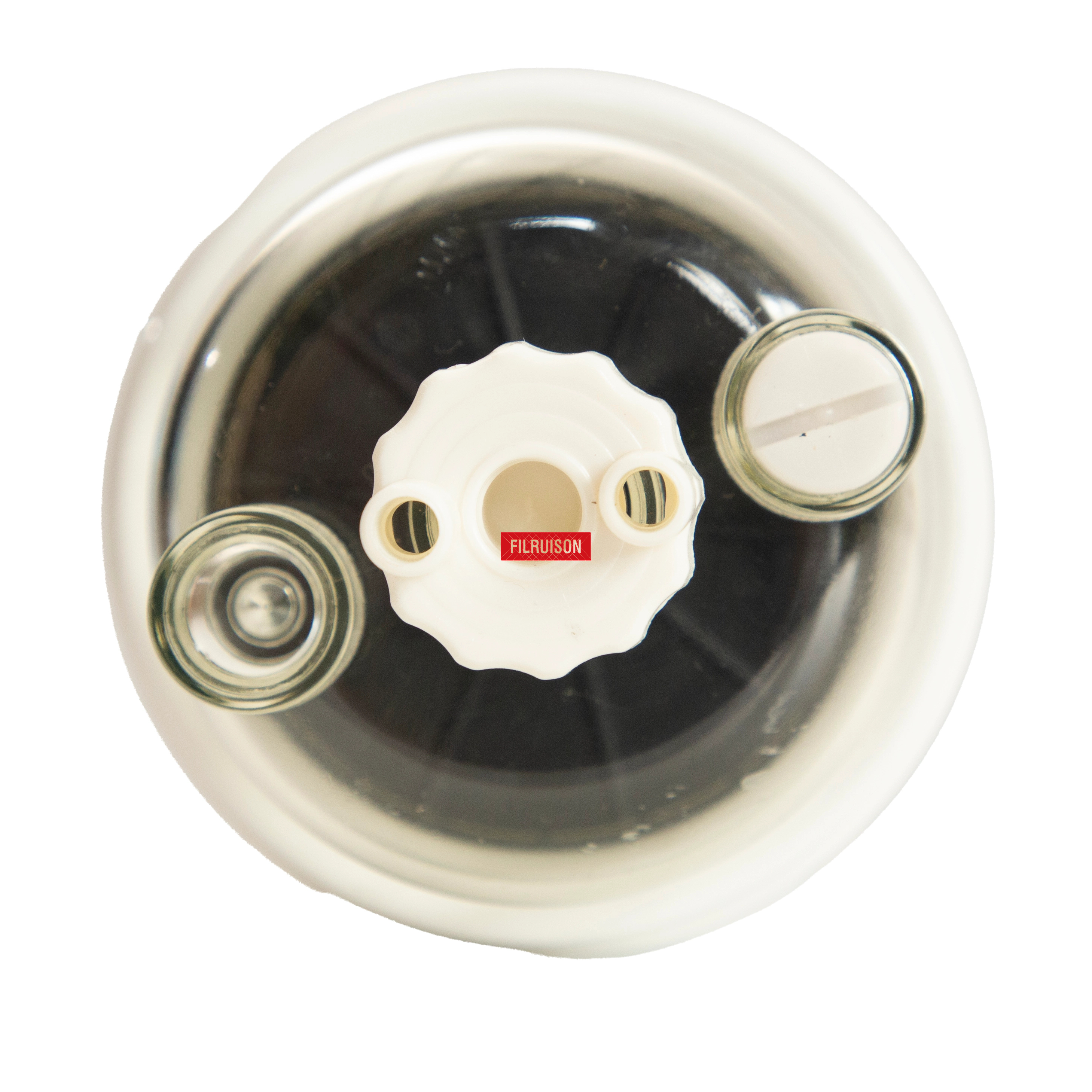
Modern diesel engines rarely rely on a single filtration unit. They require multiple interconnected filters to manage different contamination types effectively. This multi-stage approach aligns perfectly with stringent industry-standard Tier 4 engine designs. A single media barrier simply cannot handle both large debris and ultra-fine particles simultaneously. Separating the filtration workload prevents premature media clogging. It also ensures maximum fluid flow during highly demanding operational cycles.
Engineers typically install the primary filter directly between the fuel tank and the fuel transfer pump. It operates under a vacuum condition. Its main job involves catching larger, bulkier particulates. These harmful particles usually range from 10 to 30 microns in size. This initial barrier directly protects the mechanical transfer pump from gross contamination.
By capturing bulky debris early, the primary unit significantly extends the lifespan of downstream components. It handles the heaviest burden of raw fuel purification. Operators often find visible rust flakes and large sediment trapped in this first stage. Without this suction-side defense, transfer pumps would experience rapid internal wear and fail prematurely.
The secondary filter sits directly between the transfer pump and the high-pressure fuel injectors. This component operates under intense fluid pressure and acts as the ultimate safeguard. It features a highly restrictive design specifically structured to target ultra-fine particulates. These microscopic threats usually measure just 2 to 5 microns in diameter.
Manufacturers utilize advanced synthetic or complex multi-layered media here. These specialized materials achieve exceptional dirt-holding efficiency under intense fluid dynamics. They ensure only pure, pristine fuel reaches the sensitive combustion chamber. This stage must maintain its structural integrity because pressure spikes can easily tear inferior paper media apart.
Water represents the most destructive and insidious contaminant in any diesel system. It causes rapid rust formation on internal steel components. These rust flakes then become secondary abrasive contaminants inside the fluid stream. Water also severely degrades the natural lubricity of modern ultra-low sulfur diesel fuel. This sudden loss of lubrication quickly destroys moving parts within high-pressure injection pumps.
Furthermore, stagnant water promotes heavy microbial growth inside your fuel tank. These microbes form a thick black sludge commonly called "diesel bugs." During winter months, this suspended moisture easily turns to solid ice. Ice crystals block fluid flow entirely and leave vehicles stranded. A dedicated Diesel Fuel Filter Water Separator addresses these specific threats directly and continuously.
The separator uses specialized coalescing media to strip emulsified moisture from the fluid stream. Emulsified water exists as microscopic droplets suspended evenly within the diesel. As these droplets pass through the coalescing media, they collide and merge. These tiny droplets combine into much larger, significantly heavier water drops.
Once these distinct drops form, simple gravity takes over the process. The heavier water falls away from the lighter diesel fuel. It collects safely in a designated transparent bowl at the bottom of the unit. This two-step separation process ensures bone-dry fuel reaches the engine. Modern separators also include several crucial features for maintenance efficiency. Self-venting drain valves allow technicians to remove collected water quickly without introducing air into the lines. You should always look for reliable Water-in-Fuel (WIF) sensors. These dashboard sensors alert operators exactly when the collection bowl requires draining.
Selecting the correct component requires understanding key technical specifications deeply. Many buyers confuse "nominal" and "absolute" micron ratings during procurement. A nominal rating simply means the media catches roughly 50% of particles at a specific size. An absolute rating guarantees the capture of at least 98.7% of those targeted particles.
Always demand specific Beta ratio data from manufacturers rather than vague marketing claims. A Beta 200 rating indicates 99.5% filtration efficiency at a specified micron size. A Beta 1000 rating indicates 99.9% efficiency. Do not trust unregulated promotional terms like "premium protection" when evaluating actual performance metrics.
Filter media type also heavily dictates overall performance, durability, and operational longevity. You must choose the correct structural material for your specific heavy-duty conditions. The table below outlines the primary differences between common media types.
Filter Media Performance Comparison Chart
| Media Characteristic | Standard Cellulose (Paper) | Synthetic / Micro-Glass |
|---|---|---|
| Cost Profile | Lower upfront unit cost | Higher initial investment |
| Moisture Resistance | Poor; swells and degrades when wet | Excellent; repels water efficiently |
| Dirt-Holding Capacity | Moderate; clogs faster under load | Superior; deeply traps more particles |
| Application Suitability | Light-duty or older engines | Modern HPCR heavy-duty fleets |
Next, you must evaluate throughput capacities. Ensure the selected unit meets your engine’s exact Gallons Per Hour (GPH) requirement. Installing an undersized unit causes immediate fuel starvation during acceleration. The engine will struggle under heavy load and experience premature component plugging. Always verify absolute flow specifications before finalizing any bulk procurement order.
Standard mileage or hour-based maintenance recommendations often fall short in commercial applications. Real-world variables drastically impact your actual media lifespan. Inconsistent fuel quality can completely clog a brand-new unit within mere days. Relying blindly on an OEM calendar schedule leaves your equipment vulnerable to sudden failure.
High biodiesel blends present a unique implementation risk. Biodiesel acts as a mild solvent inside older storage tanks. It actively cleans existing sludge and varnish from tank walls. This dislodged sludge quickly flows forward and overloads fresh filtration media. Extreme cold temperatures introduce another major variable known as paraffin wax precipitation. Commonly called fuel gelling, this process solidifies the fuel and instantly blocks the media pores. These dynamic factors make rigid service intervals dangerously unreliable.
Deferred maintenance triggers a rapid cascade of expensive mechanical failures. A partially plugged unit restricts vital fluid flow. It forces the mechanical transfer pump to work significantly harder to pull fuel. This increased suction strain causes premature pump burnout. As the restriction grows worse, the engine experiences a sudden, dangerous loss of power under load. Operators might find themselves stranded during critical transit routes.
You should adopt a proactive, condition-based maintenance approach to mitigate these risks. Establish a clear baseline for pressure drops across the unit when it is newly installed. Monitor this specific pressure differential regularly during daily operation. A rising pressure drop clearly indicates accumulating debris and growing flow restriction. This intelligent strategy shifts your maintenance from reactive guessing to precise, data-driven action.
Choosing between Original Equipment Manufacturer (OEM) parts and aftermarket alternatives requires careful evaluation. Many fleet operators blindly purchase OEM parts due to lingering warranty fears. They worry a dealership might deny a major engine claim. However, you have robust legal protections when exploring cost-effective alternatives.
The Magnuson-Moss Warranty Act heavily protects buyers using aftermarket parts. Your engine warranty remains fully valid provided the alternative component meets or exceeds original OEM specifications. Dealerships cannot legally void your warranty simply because you used a third-party brand.
Despite these protections, you must avoid cheap, "white-label" budget options entirely. These inferior products often lack internal structural integrity. Their poorly glued seams frequently bypass dirty fuel directly into the engine. Instead, seek out reputable tier-one aftermarket manufacturers. Look for engineering brands publishing their exact ISO testing standards clearly. They should readily provide absolute micron ratings and verifiable Beta ratios upon request.
Use the following checklist before finalizing any bulk purchase for your fleet:
Following these strict steps ensures you acquire components matching your specific operational needs. This diligence prevents costly mismatches and ensures maximum fleet uptime.
High-quality diesel filtration systems are never just generic maintenance commodities. They represent highly engineered, indispensable components essential for long-term engine longevity. Protecting precision HPCR systems requires daily vigilance and informed decision-making. You must view multi-stage filtration as your primary mechanical safeguard against catastrophic injector failure and engine degradation.
We strongly encourage all fleet operators to align their procurement strategies carefully. Consider your specific operating environment, local climate challenges, and regional fuel quality risks. Always evaluate absolute micron ratings and flow capacities rigorously before purchasing. By investing proactively in proper filtration architectures, you secure peak engine performance. This disciplined approach minimizes unexpected downtime and significantly improves your overall long-term financial outcomes.
A: Most heavy-duty and commercial fleet engines utilize a dual-filter setup. This multi-stage architecture ensures maximum protection for highly sensitive components. However, some light-duty consumer diesels combine the water separator and particulate media into a single unit. Always consult your specific engine manual to identify your exact filtration architecture and replacement requirements.
A: You should inspect the separator daily during regular pre-trip walkarounds. If your equipment features a Water-in-Fuel (WIF) sensor, drain the collection bowl immediately when the dashboard light illuminates. In highly humid environments or areas with notoriously poor fuel quality, weekly draining often becomes strictly necessary to prevent accidental water overflow into the engine.
A: Using a micron rating that is too large allows abrasive microscopic debris to pass through easily. This rapidly destroys expensive high-pressure injectors. Conversely, installing a highly restrictive ultra-fine unit on the primary suction side causes immediate fuel starvation. This flow restriction leads to heavy engine stalling and premature transfer pump failure.
A: Yes, extreme cold temperatures drastically affect fluid filtration. Cold conditions cause the natural paraffin wax suspended in diesel to precipitate and solidify. This chemical process, known as gelling, quickly plugs the paper or synthetic media entirely. You must utilize onboard fuel heaters or switch to winterized fuel blends to maintain proper fluid flow during freezing conditions.
