
Views: 0 Author: Site Editor Publish Time: 2026-08-09 Origin: Site


You feel a sudden engine hesitation while accelerating onto the highway. This minor stutter might seem like a basic annoyance. In reality, it signals a major threat to your vehicle. Modern Common Rail Diesel (CRD) engines operate at extreme pressures, often exceeding 30,000 PSI. A dirty diesel fuel filter is never just a simple maintenance oversight. It poses a direct, immediate threat to expensive high-pressure fuel pumps and precision injectors. When fuel stops flowing smoothly, internal friction destroys critical mechanical components quickly.
We designed this guide as a complete diagnostic and decision-making tool. You will learn how to identify severe flow restrictions before they ruin your engine. We will help you evaluate the exact root cause of your performance issues. Ultimately, you can decide whether you need a standard OEM replacement, a complete fuel system flush, or an upgraded aftermarket filtration setup.
Diesel mechanics know a hard truth about modern fuel systems. Preventative maintenance costs very little. Corrective repairs cost a fortune. Replacing a standard filter element requires about fifty dollars and twenty minutes of labor. Conversely, replacing a catastrophic high-pressure injection system failure easily costs between $5,000 and $10,000. You are gambling thousands of dollars to save pennies.
Unexpected breakdowns multiply these financial losses rapidly. Commercial fleets and independent owner-operators face brutal realities during unexpected downtime. When a working truck hits limp mode or stalls on the roadside, you lose immediate revenue. Towing heavy-duty vehicles adds massive emergency fees. A neglected maintenance schedule destroys profitability faster than almost any other mechanical failure.
This massive repair bill stems from a rapid mechanical chain reaction. High-pressure pumps, like the Bosch CP4, rely entirely on diesel fuel for lubrication. A clogged filter creates severe fuel starvation. The pump tries to pull fuel but only creates a vacuum. This vacuum causes cavitation, forming tiny vapor bubbles inside the pump housing. These bubbles collapse violently, destroying the pump's internal metal surfaces. Tiny metal shavings then flow directly into your injectors. Once metal enters the injectors, you must replace the entire fuel system.
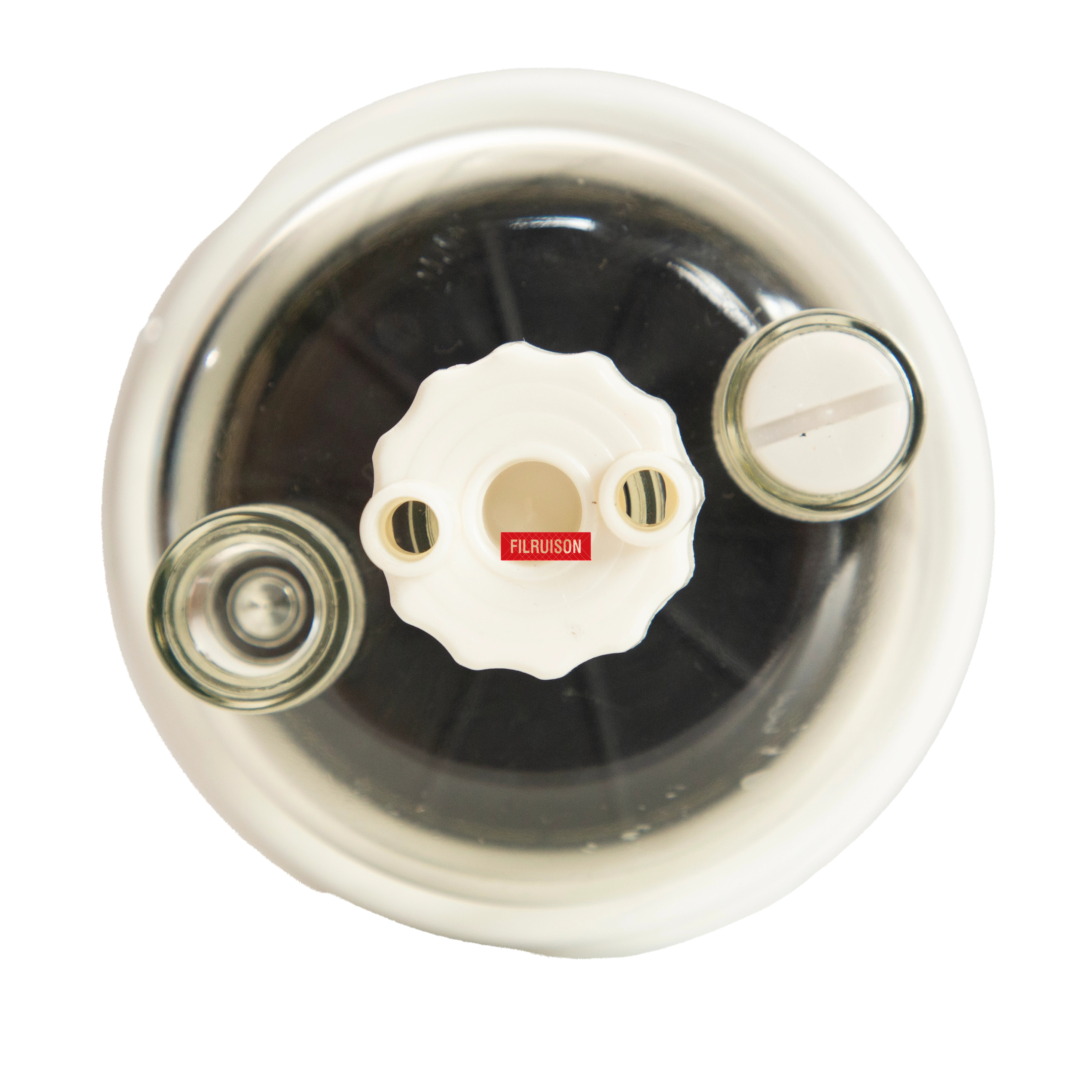
Catching flow restrictions early requires careful observation. Your engine gives specific warning signs before catastrophic failure occurs. You must learn to read these symptoms accurately.
Engines require significantly more fuel when working hard. Fuel demand spikes dramatically during heavy towing or uphill driving. A restricted filter simply fails to deliver the required gallons per hour (GPH). You will feel a distinct lack of power. The pedal goes to the floor, but the truck refuses to accelerate. This hesitation means your high-pressure pump is currently starving for volume.
Starting a cold diesel engine requires precise fuel pressure. Restricted flow causes immediate drops in fuel rail pressure. The injectors cannot atomize the fuel properly. This poor atomization prevents the engine from firing efficiently. You might experience extended cranking times. Once the engine finally catches, it often produces a rough, shaking idle. Cold weather thickens diesel fuel slightly, making these restriction symptoms much more obvious.
Modern engine computers monitor fuel parameters continuously. The Engine Control Module (ECM) actively protects the engine from destruction. If the ECM detects dangerous fuel starvation, it triggers a self-preservation protocol. It responds to low fuel pressure codes by intentionally cutting power. We call this "limp mode." Severe restriction will even cause complete stalling while driving.
Diagnostic Action Step: Never blindly replace expensive parts based on guesses. We highly recommend verifying your actual fuel rail pressure first. Plug an OBD2 scanner into your vehicle. Check your live data for low rail pressure codes, especially P0087. Compare the commanded fuel pressure against the actual fuel pressure. A large gap usually indicates a severe upstream restriction.
Diesel fuel presents unique contamination challenges. Pump diesel quality varies wildly across different gas stations. Underground storage tanks frequently collect groundwater and condensation. Furthermore, diesel fuel provides a food source for microbial growth. Algae and bacteria thrive in the interface between water and diesel inside your fuel tank. You pump this contaminated mixture directly into your vehicle.
Dealing with contamination requires a two-pronged approach. Standard paper media catches solid dirt and rust particles. However, water separation demands a completely different mechanical process. Water requires special synthetic media for stripping and repelling. A Diesel Fuel Filter Water Separator forces emulsified water droplets to bead up. These heavy water drops then fall safely into a collection bowl.
Water bypass creates immediate, catastrophic damage. A saturated OEM filter eventually allows emulsified water to slip through the media. This water travels directly to the high-pressure injectors. Inside the injector, temperatures and pressures are extreme. The water droplet instantly flashes into steam. This violent expansion blows out the delicate injector tips. Rust also forms internally within hours, permanently destroying the precision valving.
| Contaminant Type | Primary Source | Filtration Mechanism |
|---|---|---|
| Particulates | Dirt, rust, tank debris | Trapped by cellulose or synthetic micro-glass media |
| Free Water | Condensation, bad station pumps | Separates via gravity in the collection bowl |
| Emulsified Water | Fuel blending, pump agitation | Stripped and repelled by hydrophobic filter media |
| Microbial Growth | Water/diesel boundary in tanks | Caught by media, requires biocides to kill completely |
A high-quality separation system guarantees clean fuel delivery. The unit should effectively strip fine emulsified water before it reaches the pump. It must also feature an easily accessible drain valve. You should drain this valve regularly to remove accumulated water from the system safely.
Owners must choose how to protect their specific vehicle. The market offers two main paths for filtration maintenance. You can stick to factory specifications or invest in aftermarket protection.
Factory replacements offer several distinct advantages. They are budget-friendly and easy to source locally. They guarantee exact factory fitment. Using OEM parts also maintains your standard powertrain warranty easily. However, factory setups have notable drawbacks. Many OEM filters only offer 5-10 micron ratings. They also rely entirely on engine vacuum for fuel suction. Pulling fuel from the tank can introduce tiny air leaks into the lines.
Aftermarket systems completely change how your fuel system operates. These units mount near the tank and push fuel under positive pressure. Pushing fuel eliminates vacuum-induced air leaks entirely. They remove entrained air effectively. High-end systems offer 2-micron absolute filtration alongside dedicated water separation. The downside involves a higher upfront purchase cost. They also require custom installation labor, plumbing, and electrical wiring.
| Feature | OEM Standard Filter | Aftermarket Lift Pump System |
|---|---|---|
| Micron Rating | Typically 5 to 10 microns | Down to 2 microns absolute |
| Fuel Delivery Method | Vacuum (Suction from engine) | Positive Pressure (Pushed from tank) |
| Air Removal | None | Actively removes entrained air |
| Cost and Labor | Low cost, DIY friendly | High initial cost, complex installation |
Use a clear decision framework when upgrading. We strongly recommend OEM replacements for stock daily drivers. If you follow strict factory maintenance schedules, OEM filters perform adequately. Conversely, we recommend aftermarket filtration upgrades for heavily modified trucks. Tuned, deleted, or heavy-towing vehicles demand maximum reliability. The extra cost pays off by protecting expensive performance components.
Replacing your filtration components involves specific mechanical risks. Do not rush the installation process. Introducing air into the fuel lines creates a severe airlock. A locked fuel system refuses to start. You will burn out your starter motor trying to clear it. You must follow the exact system priming and bleeding procedures for your specific engine model.
Many drivers believe chemical additives fix neglected maintenance. We must clarify the "additive" myth immediately. Chemical treatments perform important jobs. Good additives prevent cold-weather gelling and boost cetane ratings effectively. However, no liquid treatment can dissolve physical dirt. Additives cannot destroy metal flakes, rust, or heavy sludge trapped inside an old element. Mechanical problems require mechanical replacements.
Establish strict, evidence-based maintenance intervals. Never wait for performance issues to appear.
Consistency keeps high-pressure systems alive. Treat fuel maintenance as a non-negotiable expense.
A neglected fuel system inevitably destroys your engine from the inside out. A clogged element is a primary root cause of catastrophic, multi-thousand-dollar fuel system failures. Ignoring hesitation or rough idling allows internal pump cavitation to progress rapidly. You must protect precision injectors from starvation and water contamination.
Take proactive action today. Physically inspect your filter housing for signs of leaks or damage. Open the drain valve on your separator and check for water accumulation. Finally, decide on your long-term filtration strategy. Choose between a high-quality OEM replacement or invest in a multi-stage aftermarket suite. Protecting your engine today prevents financial disaster tomorrow.
A: Yes. A restricted element blocks adequate fuel flow to the high-pressure pump. The engine computer detects this starvation immediately. It will trigger a check engine light, typically throwing low fuel rail pressure diagnostic codes like P0087. You will likely experience a loss of power alongside the warning light.
A: No. Diesel filters use micro-porous paper or synthetic glass media. These materials permanently trap microscopic contaminants deep within their fibers. Attempting to wash or blow out the media only pushes dirt deeper. High-pressure cleaning tears the delicate fibers, allowing harmful debris straight into your engine.
A: Watch for the "Water in Fuel" (WIF) warning light on your dashboard. You might also notice frequent rough idling or engine misfires. For physical confirmation, drain your separator into a clear glass jar. Let it sit for five minutes. You will visually see a distinct separation line between the diesel and the heavier water.
