
Views: 0 Author: Site Editor Publish Time: 2026-10-23 Origin: Site


Imagine walking into your production facility on a busy Monday morning. You hear your air compressor straining aggressively. Meanwhile, pneumatic tools on the assembly line sluggishly fail to drive fasteners. This scenario is a frequent and costly frustration for industrial operators. Often, the root cause of this massive inefficiency is not a catastrophic mechanical failure within the airend. Rather, it is the neglect of a seemingly minor accessory: the intake filtration system.
While it may appear to be a simple component, this barrier is the absolute first line of defense against atmospheric contamination. Ignoring its maintenance initiates a destructive domino effect. It inevitably leads to severe internal scoring, oil degradation, and costly system downtime. To protect your industrial equipment and maintain optimal performance, you must understand the exact mechanisms of how blockages occur. Recognizing empirical warning signs and implementing reliable engineering solutions will restore your pneumatic system's vitality.
Before diagnosing how blockages occur, establishing a baseline understanding of the filtration mechanics is essential. In any pneumatic setup, this component dictates the quality and volume of the air entering the compression chamber.
An industrial compressor functions by continuously drawing in ambient air. It reduces the physical volume of this air and stores it under high pressure. Factory air is never entirely pure. It carries millions of microscopic airborne particulates, aerosols, and moisture droplets. The primary objective of the Filter Element is to capture these invasive contaminants before they breach internal valves.
When clean media is in place, it facilitates a smooth flow of atmospheric air into the intake housing. Unrestricted flow directly correlates to peak mechanical performance. The machine breathes easily, allowing the electric motor to expend significantly less energy to achieve the desired cubic feet per minute output. Conversely, when contaminants bypass a degraded barrier, they mix with the lubricating oil. This creates a highly abrasive compound that prematurely destroys rotors, cylinders, and bearings.
Industrial filtration systems utilize various media types. Engineers design each material for specific environmental demands and micron retention ratings. Selecting the correct material directly impacts how quickly the unit might succumb to environmental stress.
Standard cellulose offers high initial efficiency but becomes highly restrictive when exposed to moisture. It is best suited for clean indoor manufacturing facilities. Polyester and synthetic blends provide superior moisture resistance, making them ideal for high-humidity areas. Upgrading to advanced, precision-engineered components ensures the system maintains optimal volumetric intake even in the most challenging industrial environments.
Understanding the exact mechanisms behind media degradation requires examining specific environmental variables interacting with the pleats. Clogging is rarely a sudden event. It is a progressive accumulation of particulate matter that fundamentally alters the physical geometry of the porous material.
Depending on its horsepower, an industrial compressor can draw in thousands of cubic feet of air per minute. It acts essentially as a high-velocity vacuum cleaner. In heavy-duty environments such as metal fabrication plants or active construction sites, the ambient air is heavily laden with microscopic debris.
As this dirty air is pulled through the Air Compressor Intake Air Filter, particles larger than the micron rating are trapped on the surface. Over time, these dry particles wedge themselves deep into the microscopic pores. They form a dense dust cake. A very thin layer of dust can temporarily increase trapping efficiency by creating a tighter barrier. However, continuous accumulation rapidly bridges the gaps. Once these pores are completely occluded, air can no longer pass through at the required velocity. This initiates the first stages of severe mechanical starvation.
Furthermore, atmospheric moisture introduces a secondary and highly destructive variable to the filtration process. When a machine operates in a facility with poor ventilation or high relative humidity, it continuously pulls water vapor directly into the housing.
If the system utilizes standard cellulose media, the hygroscopic nature of the paper causes it to absorb this moisture. The delicate fibers swell, shrinking the physical space available for air to pass through. When environmental dust mixes with this accumulated moisture, it creates a thick muddy paste on the surface. As the compressor cycles on and off, this paste hardens. It creates an impenetrable concrete-like barrier that accelerates the clogging process exponentially compared to dry dust alone.
In certain operational setups near heavy CNC machinery, the ambient air may contain aerosolized oil mists or volatile vapors. Older reciprocating units with worn valves can occasionally experience slight oil blowback into the intake manifold.
When oil mist coats the pleated media, it acts as a highly effective permanent adhesive. Standard dry dust particles that might typically bounce off are permanently glued to the surface. This sticky residue prevents the component from being cleared by natural machine vibration. It permanently blinds the material, necessitating immediate replacement to restore proper airflow.
Recent industry analyses reveal a significant evolution in how facilities manage pneumatic health. The traditional approach relied heavily on rigid calendar-based maintenance. Today, modern operations are increasingly adopting predictive analytics and IoT-enabled differential pressure sensors. These smart technologies monitor vacuum levels in real-time. They alert maintenance teams the exact moment airflow begins to choke. This proactive monitoring prevents the cascading mechanical failures associated with neglected filtration.
Concurrently, there is a rising industrial demand for advanced nano-fiber and blended synthetic media. Modernized materials are specifically engineered to withstand higher moisture levels without swelling. They offer superior dust-holding capacities. This shift reflects a broader manufacturing focus on maximizing equipment uptime in increasingly harsh and unpredictable operating environments. Engineers are moving away from basic paper elements toward robust solutions that guarantee continuous airflow under extreme particulate loading.
Allowing a filtration unit to reach a fully occluded state is a critical maintenance failure. The consequences extend far beyond a simple reduction in airflow. It triggers a cascade of thermodynamic and mechanical crises.
The most immediate and measurable consequence of a blocked barrier is a phenomenon known as Pressure Drop. In fluid dynamics, this refers to the loss of energy as a gas forces its way through a restrictive obstacle.
When the media is choked, the internal pump attempts to draw in a specific volume of air. The physical blockage prevents this action. As a result, the pressure within the intake chamber drops well below atmospheric levels, creating a deep vacuum. Because the machine is ingesting less air per rotation, the total output volume delivered to the receiver tank plummets. This reduction starves downstream pneumatic tools. Assembly lines stall and production quotas are missed.
Specifically, pneumatic equipment is meticulously designed to operate within strict thermal parameters. When airflow is restricted, the compression ratio increases dramatically. The electric motor must draw significantly higher amperage to maintain its rotational speed while fighting against the artificial vacuum.
This increased electrical and mechanical load generates excess heat. Compounding the issue, the reduced volume of incoming air means there is less physical mass available to absorb the heat of compression. The combination of an overworked motor and skyrocketing discharge temperatures leads to severe overheating. Prolonged operation under these brutal conditions will rapidly degrade the synthetic lubricating oil, melt internal seals, and accelerate wear on critical bearings.
From an operational management perspective, a neglected filtration system is a massive financial liability. The machine is starved of air, forcing the motor to run for significantly longer duty cycles just to reach the designated cut-out pressure in the storage tank.
Extended run times waste massive amounts of electricity. For industrial facilities running high-horsepower units continuously, a mere five percent increase in energy consumption due to restricted airflow translates to thousands of dollars in wasted utility expenses annually. This cost far exceeds the price of routine preventative maintenance.
Relying solely on a calendar to schedule replacements is often inadequate because environmental conditions can shift rapidly. Operators must be trained to recognize empirical real-world warning signs of a failing system.
If the receiver tank takes an unusually long time to fill from empty, Intake Restriction is a primary diagnostic suspect. The pump may be mechanically sound, but the volume of air entering the system is too low. It simply cannot overcome downstream factory demand, resulting in stagnant gauge readings.
Auditory cues are highly reliable indicators of mechanical stress. A machine breathing through clean media operates with a steady and predictable acoustic profile. When the pores clog, the motor will begin to sound deeply strained due to the increased electrical load. You may also hear a high-pitched whining or whistling sound as ambient air violently forces its way through tiny restricted gaps in the choked housing.
Routine visual inspections provide immediate confirmation of component health. Operators should remove the housing and physically examine the pleats. Hold the paper up to a strong shop light. If no illumination passes through, the material is entirely occluded. Key visual failure indicators include a deep shift in color from white or yellow to dark grey. Crushed or wavy pleats indicate the extreme vacuum pressure has exceeded the structural integrity of the material. Any wet or oily residue on the surface means the unit is permanently blinded and cannot be salvaged.
While the fundamental physics of capturing dust remain constant, the mechanical design of the specific machine dictates how it interacts with a restricted barrier.
| Compressor Type | Intake Mechanism | Failure Symptom when Clogged | Risk Level to Airend/Pump |
|---|---|---|---|
| Rotary Screw | Continuous, smooth high-volume suction | Rapid overheating, oil degradation, high motor amperage | Critical: Abrasive dust bypassing the filter destroys precision helical rotors. |
| Reciprocating Piston | Pulsating, start-and-stop cyclic suction | Torn filter pleats due to vacuum spikes, slow tank fill | High: Debris entering the cylinder causes immediate scoring of metal walls and valve failure. |
Rotary screw architectures are engineered for continuous duty cycles. They pull a massive and constant volume of air through the inlet valve. Because of this high-volume demand, their filtration media processes significantly more air per hour than a similarly sized reciprocating unit. Consequently, screw machines can choke much faster in dirty environments.
In contrast, reciprocating piston units operate differently. They draw in air through a pulsating action as the piston moves downward in the cylinder. This sudden start-and-stop suction creates a unique physical stress on the pleated material. If the component becomes heavily clogged, sharp spikes in vacuum pressure can literally tear weak paper. Once the material ruptures, unfiltered ambient debris rushes directly into the cylinder.
Proactive mitigation strategies are vastly superior to reactive troubleshooting. By controlling the operating environment and upgrading your components, facilities can maximize the lifespan of their equipment. As a senior engineer, I always recommend moving away from generic replacements and utilizing precision-engineered parts designed for specific flow rates.
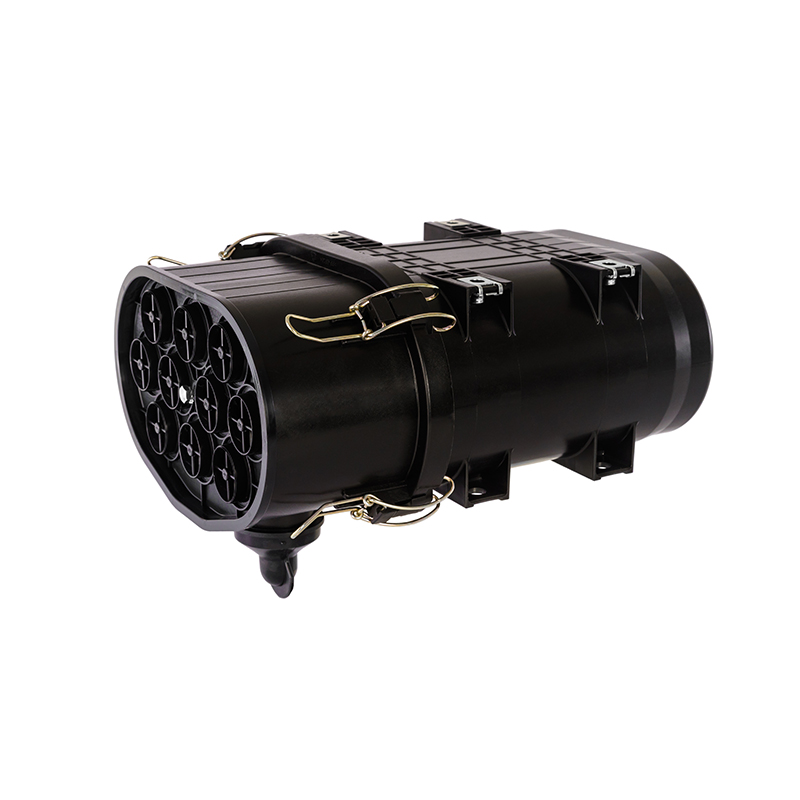
For instance, utilizing products like the DCF Series Air Filter provides significant operational advantages. When selecting a replacement, you must match the filter's nominal flow rate with your compressor's CFM output. The DCF series offers robust options with flow rates ranging from 1.2 to 22 cubic meters per minute. These units feature high-quality filtration paper and durable iron covers. They provide a precise filtration accuracy of 10 micrometers. This ensures that harmful particulates are captured well before they enter the compression chamber, effectively safeguarding Compressor Efficiency.
Furthermore, optimizing the compressor room environment extends component longevity. Place the unit in a dedicated and climate-controlled room away from dust-generating processes. Installing external pre-filtration panels on the enclosure louvers acts as a sacrificial barrier against large debris.
When faced with a dirty component, maintenance personnel often debate whether to attempt cleaning it or to discard it entirely. From an engineering and reliability standpoint, the optimal choice is overwhelmingly clear.
A common yet highly detrimental practice in many workshops is removing a clogged paper unit and blowing it out with a high-pressure air nozzle. While this may visually remove the surface dust cake, it is mechanically destructive. Industrial air nozzles operate at extreme velocities. When high-pressure air strikes delicate cellulose fibers, it tears microscopic holes in the material. These tears are completely invisible to the naked eye but absolutely destroy the micron rating of the unit. Consequently, the cleaned part allows damaging particulates to flow directly into the pump.
Attempting to salvage a degraded barrier is a dangerous false economy. The financial cost of a brand-new replacement is statistically negligible compared to the exorbitant expenses associated with rebuilding a ruined pump. Replacing the unit guarantees that the system returns to its baseline operational parameters. It eliminates suction limits and restores proper thermal regulation.
An intake filtration system inevitably clogs due to the relentless accumulation of environmental dust, atmospheric moisture, and sticky oil vapors. When this critical barrier becomes occluded, it induces severe suction restriction. This leads to a massive drop in output pressure, dangerous thermal overload, and accelerated mechanical wear.
Treating this component as a vital wear-and-tear part is the absolute key to mastering pneumatic health and stabilizing energy costs. Do not wait for your machinery to audibly strain or for your production lines to stall. Inspect your filtration system today and establish a proactive maintenance schedule. For industrial-grade replacements that guarantee optimal airflow and robust protection, explore the high-performance filtration solutions available at Sykingtech to keep your operations running smoothly and efficiently.
The optimal replacement frequency depends heavily on your specific operating environment. As a general baseline, you should replace the unit every 1,000 to 2,000 hours of operation. In highly contaminated areas such as woodshops or metal fabrication plants, more frequent changes are absolutely necessary to protect the machinery.
While pneumatic line leaks or failing downstream regulators are common issues, a sudden drop in pressure directly at the source is frequently caused by severe suction restriction. This occurs when a completely blocked filtration barrier prevents the pump from drawing in sufficient ambient air.
Yes, absolutely. When the pores are blocked, the machine must work significantly harder to pull air through the physical restriction. This causes the electric motor and the pump to generate excessive mechanical heat, which can rapidly degrade the oil and trigger safety thermal overload switches.
A choked filtration unit is the most common and direct cause of intake restriction, but they are not entirely synonymous. Restriction refers to any barrier preventing free airflow. It can also be caused by collapsed rubber intake hoses or improperly sized inlet piping.
You must match the filter's nominal flow capacity to the cubic feet per minute output of your compressor pump. Additionally, measure the physical dimensions of the housing, including the outer diameter, inner diameter, and height, to ensure a proper seal.
No, this is highly discouraged. Automotive filters are designed for internal combustion engines with different airflow dynamics and micron requirements. Industrial compressors require specifically engineered media, like the DCF series, to handle continuous high-volume suction and distinct industrial contaminants.
