
Views: 0 Author: Site Editor Publish Time: 2026-08-03 Origin: Site


Protecting heavy machinery engines from dust and debris is a non-negotiable operational reality. However, improperly managing the air intake system can silently choke engine performance and increase fuel consumption. Fleet managers and maintenance engineers often install protective equipment without calculating the total system pressure drop. This oversight leads to a scenario where the intake restriction negates the benefits of the precleaner, causing premature filter failure, increased exhaust temperatures, and power loss.
This brings up a common user dilemma: does adding an aftermarket engine intake precleaner help preserve engine life, or does it harm performance by introducing an unnecessary bottleneck? Maximizing engine lifespan requires a precise balance between debris separation efficiency and intake airflow. You must evaluate, measure, and mitigate intake restriction when selecting and sizing an Air Precleaner for heavy equipment.
Intake restriction is the resistance to airflow created by filters, piping, bends, and precleaners. It is typically measured in inches of water gauge (inH2O) or kilopascals (kPa). Any component placed in the air stream forces the engine to pull harder to draw in the required volume of air. When you add a precleaner to the stack, you are introducing a physical barrier that the incoming air must navigate. This navigation requires energy, which manifests as a pressure drop across the device.
Even a minor pressure drop, such as 1-2 kPa, forces the turbocharger or naturally aspirated engine to work harder. Restriction decreases air density, reducing the oxygen mass flow available for combustion. This directly limits horsepower output and efficiency. When the engine struggles to breathe, it compensates by running hotter and less efficiently. The turbocharger has to spin faster to compress the thinner air, which increases the temperature of the intake charge and puts additional thermal stress on the engine components.
Engine manufacturers define maximum allowable intake restriction, usually between 15 to 25 inH2O for diesel engines. Exceeding this threshold triggers warning codes, power derating, or excessive fuel consumption. Maintaining airflow within these baseline OEM tolerances ensures the engine operates within its designed parameters. If a machine starts its service life with a baseline restriction of 10 inH2O just from the piping and a clean primary filter, adding a precleaner that introduces another 8 inH2O leaves almost no room for the primary filter to load with dust before hitting the OEM limit.
Understanding the physics behind this requires looking at the relationship between pressure, volume, and temperature. As restriction increases, the pressure in the intake tract drops below atmospheric pressure. This vacuum effect causes the air to expand, decreasing its density. Less dense air means fewer oxygen molecules per cubic foot. Since diesel engines rely on a specific air-to-fuel ratio to burn fuel completely, a lack of oxygen leads to incomplete combustion, black smoke, and wasted fuel.
A common misconception is that any added restriction is inherently harmful. You must compare the minor, fixed restriction of a clean air precleaner to the compounding, rapid restriction of a primary filter constantly loaded with heavy particulate. The precleaner acts as the first line of defense. Without it, the primary filter absorbs the entire dust load, causing its restriction to spike rapidly. This rapid spike is far more detrimental to engine performance than the steady, low-level restriction introduced by a properly sized precleaner.
A properly matched precleaner protects the primary filter from rapid loading. It maintains a stable, low-restriction state over a significantly longer operating window compared to a system without prefiltration. The return on investment comes from controlled resistance, preventing the severe pressure drops associated with clogged primary filters. By separating up to 90% of the incoming dust before it reaches the filter media, the precleaner extends the filter's life exponentially.
Consider a wheel loader operating in a dusty quarry. Without a precleaner, the primary filter might reach the maximum allowable restriction of 25 inH2O in just 50 hours of operation. With a precleaner installed, the initial baseline restriction might be slightly higher, say 12 inH2O instead of 10 inH2O. However, because the precleaner removes the bulk of the dust, the primary filter takes 250 hours to reach that same 25 inH2O limit. The net benefit is a massive increase in uptime and a reduction in filter replacement costs.
The debate often centers on the initial performance hit. Operators might notice a slight drop in throttle response immediately after installing a restrictive precleaner. However, this short-term observation ignores the long-term degradation that occurs without prefiltration. The goal is not zero restriction; the goal is managed restriction that stays within safe operating limits for the longest possible duration.
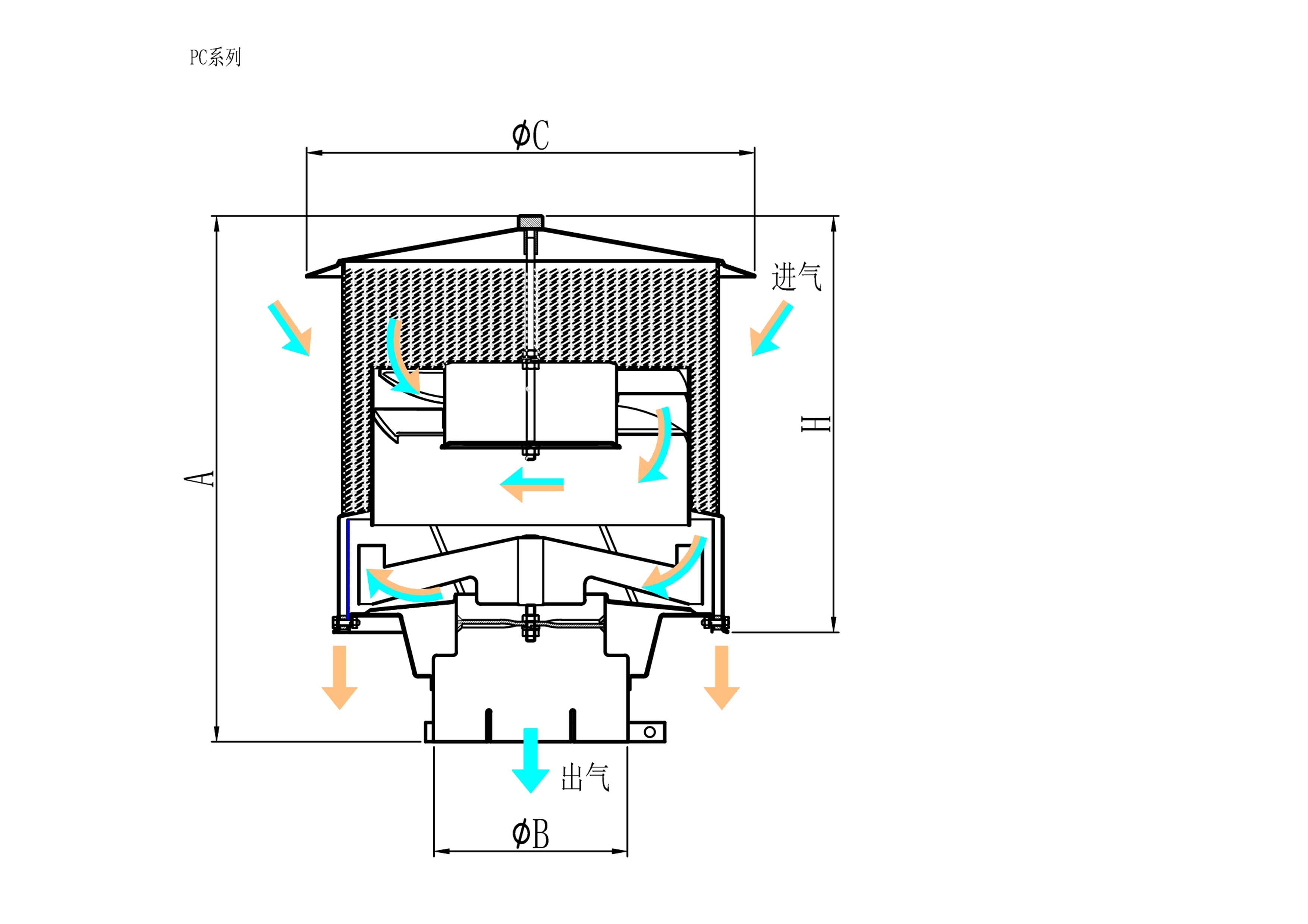
An engine intake precleaner relies on incoming air velocity to function. The air spins a rotor or is forced through static vanes to generate centrifugal force. This force separates heavy dust particles from the clean air stream before they reach the primary filter. The heavier the particle, the easier it is to separate, provided there is enough rotational speed to fling it to the outer walls of the precleaner housing.
There is a direct relationship between airflow and separation efficiency. If system restriction is too high, airflow velocity drops. Centrifugal force weakens, and heavier dust particles bypass the precleaner and hit the primary filter. Proper airflow is essential for the precleaner to perform its primary function. When the velocity drops below the precleaner's minimum operating threshold, it essentially becomes a useless restriction in the intake pipe, offering no protective benefit.
Installing an oversized precleaner rated for a much higher CFM than the engine draws results in under-restriction. The engine cannot generate sufficient velocity to separate debris. The unit adds weight and cost with zero protective benefit. The air simply meanders through the large housing without gaining the rotational speed necessary to eject the dust. This is a common error when operators buy a precleaner based solely on the size of the intake pipe rather than the engine's actual airflow demand.
Conversely, installing an undersized precleaner rated for a lower CFM creates an immediate, severe bottleneck. While separation efficiency might initially seem high, the extreme pressure drop starves the engine. This over-restriction accelerates wear on turbocharger seals and drastically reduces engine performance. The high vacuum can actually pull oil past the turbocharger seals and into the intake tract, leading to oil consumption and potential engine runaway.
| Scenario | CFM Match | Restriction Level | Separation Efficiency | Engine Impact |
|---|---|---|---|---|
| Oversized Precleaner | Precleaner CFM > Engine CFM | Very Low | Poor (Low Velocity) | No protection, rapid filter loading |
| Properly Sized | Precleaner CFM = Engine CFM | Moderate (Within OEM Limits) | Optimal (High Velocity) | Extended filter life, stable power |
| Undersized Precleaner | Precleaner CFM < Engine CFM | Very High (Exceeds Limits) | High (Initially) | Power loss, high exhaust temps, turbo wear |
Static precleaners use stationary vanes to create a vortex. They typically have lower initial restriction but may offer a narrower band of optimal separation efficiency. They are reliable and require zero maintenance, but their performance depends entirely on consistent engine airflow. If the engine RPM drops significantly, the separation efficiency of a static unit drops with it. These units are best suited for machines that operate at a constant, high RPM.
Dynamic or rotor precleaners feature powered or air-driven rotors. They actively eject debris and have specific pressure drop characteristics across different RPM ranges. The physical size of the precleaner housing impacts flow restriction, analogous to how larger air filter housings reduce initial pressure drops. Rotor designs often maintain better separation efficiency at lower engine speeds because the spinning rotor helps maintain the centrifugal force even when the overall airflow volume decreases.
A common mistake is buying a precleaner based solely on the intake pipe diameter. Pipe size does not dictate the volume of air the engine consumes. Matching pipe diameters without verifying CFM ratings leads to poor performance and potential engine damage. A 4-inch pipe on a small, high-revving engine will flow a vastly different amount of air than a 4-inch pipe on a large, slow-turning diesel.
You must calculate engine CFM demand to select a precleaner whose optimal efficiency curve matches the engine's operating range. Sizing by CFM ensures the precleaner operates at peak efficiency without causing excessive restriction. The calculation requires knowing the engine's displacement, its maximum operating RPM, and its volumetric efficiency.
The restriction added by the air precleaner is compounded by other components in the intake tract. Ninety-degree bends, corrugated tubing, and long intake snorkels all add resistance. The cumulative effect of these components must be calculated to ensure total system restriction remains within acceptable limits. Every sharp turn in the piping forces the air to change direction, which consumes energy and drops the pressure. Smooth, sweeping bends are always preferable to hard angles.
External obstructions are often overlooked restriction points. Tight engine hoods, protective grilles, and front lower structures can physically block clean air access to the precleaner inlet. Additionally, the micron rating and physical size of the downstream air filters interact with the precleaner. A highly restrictive primary filter will reduce the airflow available to drive the precleaner. If the primary filter is too small for the engine's airflow demand, it will create a bottleneck that prevents the precleaner from reaching its required operating velocity.
Operating in high-debris environments like mining, agriculture, or forestry changes the acceptable threshold for initial precleaner restriction. In these settings, the necessity of maximum debris removal often outweighs the desire for absolute minimum restriction. A heavy equipment air precleaner must handle severe dust loads reliably. The sheer volume of dirt encountered in a landfill or a logging site requires a robust precleaner, even if it means accepting a slightly higher baseline restriction.
Altitude also plays a significant role. Air density decreases at high altitudes, which affects CFM calculations. Lower air density exacerbates the negative symptoms of intake restriction, requiring careful precleaner selection for machinery operating in mountainous regions. An engine operating at 10,000 feet requires a larger volume of air to get the same mass of oxygen as it would at sea level. This increased volumetric flow means the precleaner must be sized to handle the higher CFM without causing a massive pressure drop.
Blaming an air precleaner for performance loss is common when the true culprit is a cumulative build-up of restrictions. Aged piping, collapsing inner intake liners, or dirty primary filters can severely restrict airflow. Conduct a complete intake tract inspection prior to installing a new precleaner to establish an accurate baseline. Look for rubber elbows that suck shut under heavy load, or bird nests hidden inside the intake snorkel. Fixing these underlying issues is mandatory before evaluating the performance of a new precleaner.
Exceeding maximum allowable intake vacuum limits can void heavy machinery OEM warranties. Document baseline restriction before installation and compare it to post-installation metrics using calibrated manometers. This ensures compliance and protects your warranty coverage. Keep a logbook of the restriction readings taken at specific RPMs and engine loads. If an engine failure occurs, having this data proves that the aftermarket precleaner did not cause the issue by starving the engine of air.
Applying a one-size-fits-all precleaner model across a mixed fleet leads to mismatched CFM ratings and erratic performance. Conduct a fleet-wide intake audit. Create a standardized matrix that pairs specific precleaner models to specific engine CFM brackets rather than vehicle types. A fleet might have three different brands of excavators, all with different engine displacements. Standardizing on a single precleaner model based on pipe size will result in some machines being over-restricted and others being under-restricted.
Mandate the installation and regular inspection of graduated air restriction indicators. These filter minders monitor real-time pressure drops as filters age. Continuous monitoring ensures the intake system operates efficiently and prevents unexpected downtime. Train operators to check the restriction gauge during their daily walk-around inspections. Do not rely solely on scheduled maintenance intervals to change filters; change them based on the actual restriction readings to maximize filter life and protect the engine.
An air precleaner is a highly effective tool for extending filter life and protecting engines, provided its restriction profile is carefully matched to the engine's airflow dynamics. Prioritize manufacturers that provide transparent CFM-to-restriction charts and efficiency curves over those making blanket performance claims. Proper sizing and continuous monitoring are the keys to successful implementation.
A: The added restriction varies based on design and how well the CFM matches the engine. Typically, a properly sized air precleaner adds between 1 to 5 inches of water gauge (inH2O) to the intake system.
A: While a larger unit generally lowers restriction, if it is oversized for the engine's CFM demand, it will fail to generate enough centrifugal force to separate dust effectively.
A: When properly sized, the minor restriction added is far outweighed by the protection and extended lifespan of the primary air filter. However, an undersized unit will harm performance by starving the engine of air.
A: Symptoms of excessive restriction include triggered restriction indicators, black exhaust smoke, noticeable loss of engine power, decreased fuel economy, and higher exhaust gas temperatures.
A: Yes, excessive vacuum caused by high intake restriction can lead to turbocharger compressor surge, oil seal leaks, and premature bearing failure due to the increased stress on the components.
A: The standard formula is (Engine CID x Maximum RPM) / 3456 = Base CFM. This base number must then be adjusted for the engine's volumetric efficiency and whether it is turbocharged.
